


5 Essential Maintenance Tips to Extend the Life of Automated Chicken Cages: Hot-Dip Galvanizing & Al-Zn Coating Explained
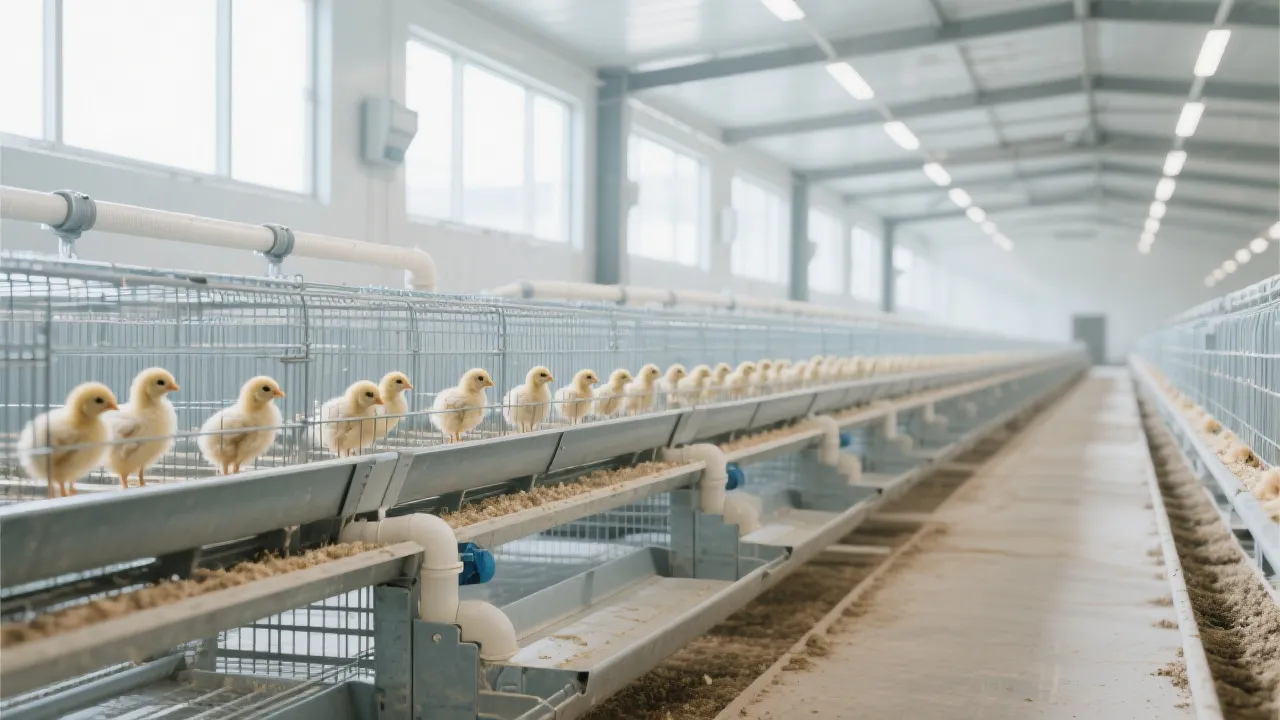
Extend the Life of Your Automated Chicken Cages with These 5 Proven Maintenance Tips
You’re not alone if you’ve seen an automated chicken cage system fail prematurely—especially in humid or high-moisture environments like poultry farms. But here’s what most operators miss: it’s not just about buying durable equipment—it’s about how you maintain it.
Why Coating Matters: Q235 Steel + Hot-Dip Galvanized + Al-Zn Alloy = Long-Lasting Protection
Hot-dip galvanizing (HDG) and aluminum-zinc alloy coatings create a dual-layer barrier against rust. Studies show that HDG-treated steel lasts up to 25 years in rural farm conditions without major corrosion—compared to only 5–7 years for untreated Q235 steel. When combined with an Al-Zn layer (typically 55% Al, 43.4% Zn, 1.6% Si), this protective stack reduces maintenance costs by as much as 30% over a decade.
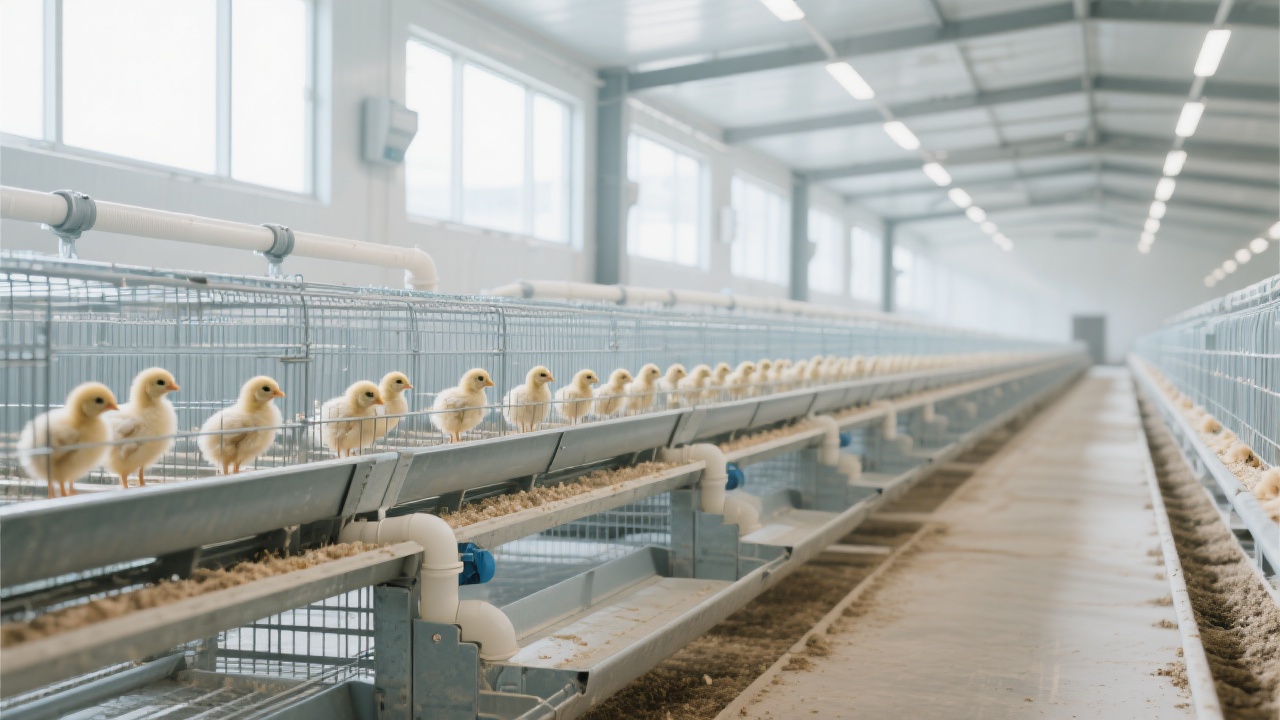
5 Critical Maintenance Practices You Can’t Afford to Ignore
- Lubrication every 30 days: Use food-grade grease on conveyor rollers and hinge points. Skipping this leads to premature wear—up to 40% faster than scheduled lubrication.
- Calibrate sensors monthly: Misaligned sensors cause false alarms and inefficient feeding cycles. A simple test using a calibrated tool can prevent costly downtime.
- Check belt tension weekly: Over-tightening stresses motors; under-tension causes slippage. Ideal tension? Use a tension gauge—aim for 1.5 mm deflection at midspan.
- Clean mechanical parts after each batch cycle: Residual manure buildup accelerates rust. High-pressure water (under 10 bar) is effective—but never spray electronics directly.
- Run diagnostics weekly: Don’t rely solely on manual checks. Modern systems have built-in self-tests. Ignoring them increases failure risk by nearly 60%.
Common Mistakes That Shorten Equipment Life
Many farms still treat automation as “set and forget.” That mindset costs money. For example:
- Ignoring automatic fault alerts → leads to unplanned shutdowns averaging 3.2 hours per incident
- Over-cleaning with harsh chemicals → damages zinc coating within 6 months
- Using non-approved tools for cleaning → risks damaging delicate components
Stick to these five details—and your egg-laying system could last 5+ years beyond standard expectations. Don’t let one oversight ruin your investment.
Have you experienced clogging in your manure removal system? Share your story below—we’ll help you troubleshoot!
Ready to Maximize Your Cage Lifespan?
Download our free checklist: “5-Minute Daily Maintenance Routine for Automated Chicken Cages” —used by 500+ farms worldwide.
Get the Free Checklist Now




Hot Products

.jpg?x-oss-process=image/resize,m_fill,h_800,w_800/format,webp)


Popular articles





READY TO START?
Ready to Build Your Poultry Farm?
Tell us your land size, poultry type and farming capacity. LIVI will provide a complete farm solution for your project.