


Export-oriented Laying Hen Farm Environment Optimization: Intelligent Upgrade Path from Ventilation to Egg Collection System
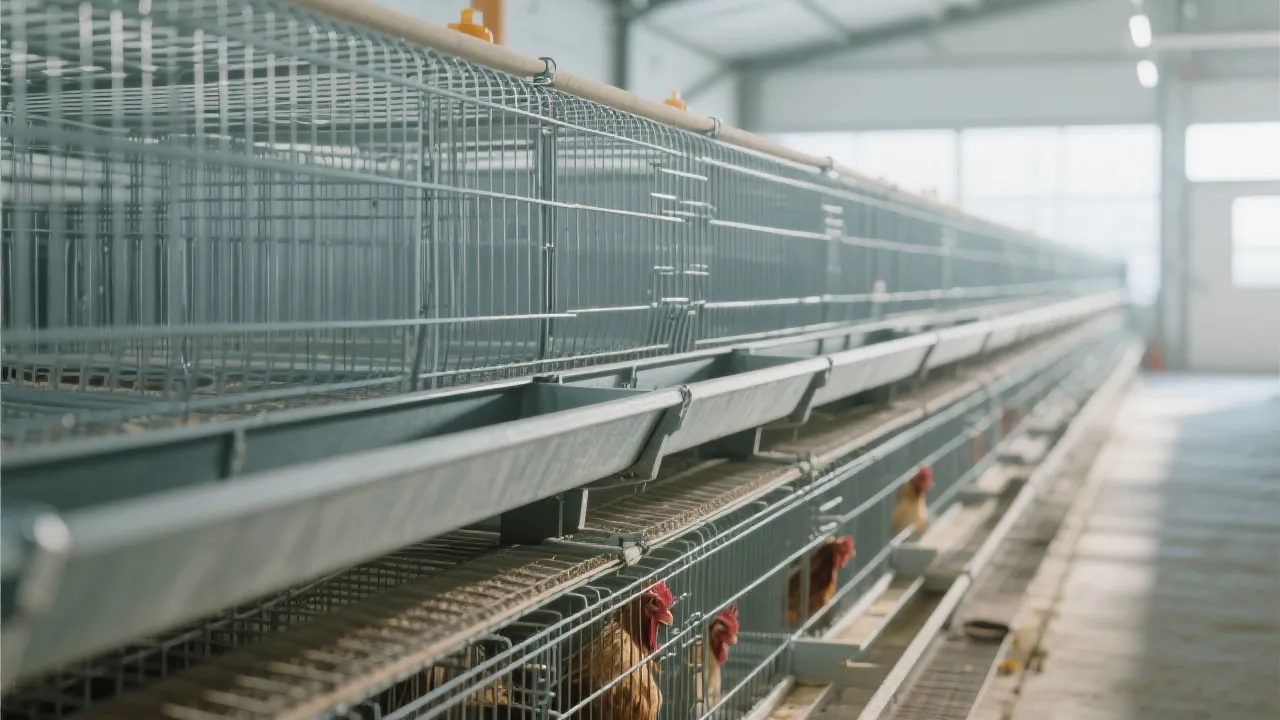
Optimizing the Environment of Export-Oriented Laying Hen Farms: A Smart Upgrade Path from Ventilation to Egg Collection Systems
In the egg - laying industry, the quality of the breeding environment directly impacts the health of hens and the efficiency of egg production. This article delves into how to enhance the health of laying hens and egg - laying efficiency through scientific management of the breeding environment.
The Impact of Environmental Factors on Laying Hens
Environmental factors such as ventilation, temperature, cage materials, and automation systems significantly affect the health and egg - laying rate of hens. For example, poor ventilation can lead to the accumulation of harmful gases, which may cause respiratory diseases in hens. According to industry research, in farms with poor ventilation, the incidence of respiratory diseases in hens can be up to 30% higher than in well - ventilated farms.
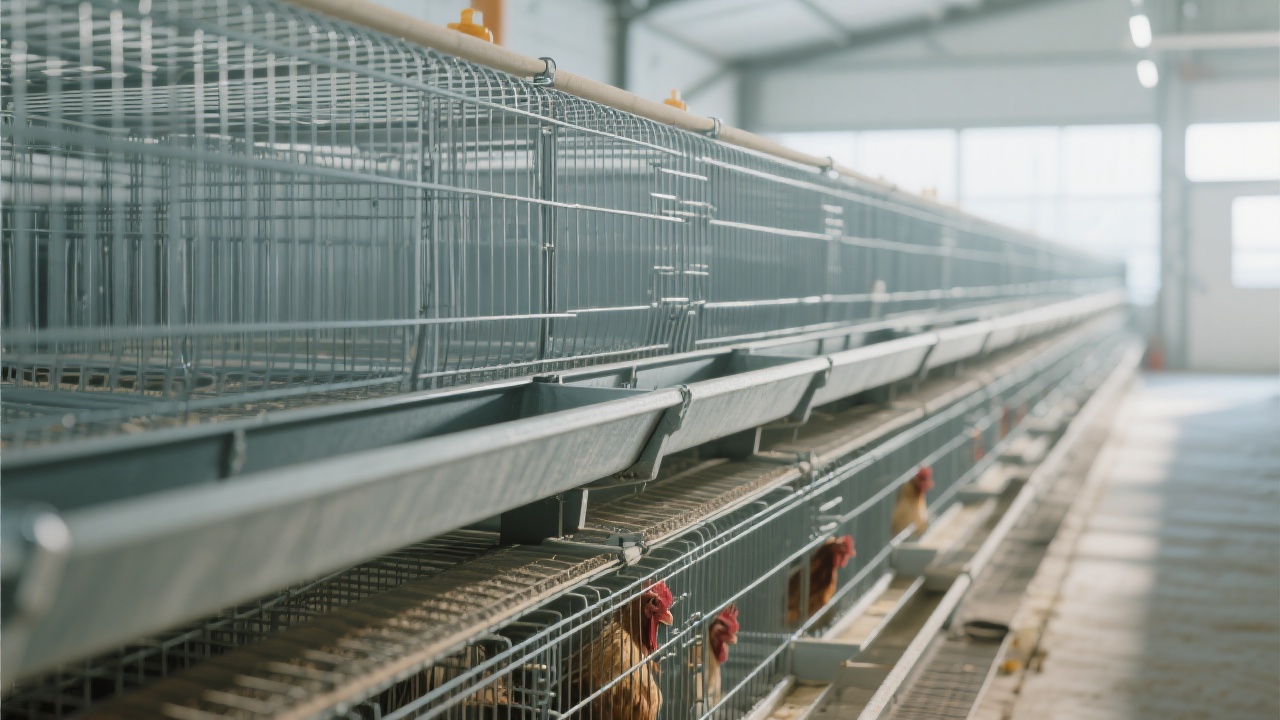
Key Elements of Ventilation System Design
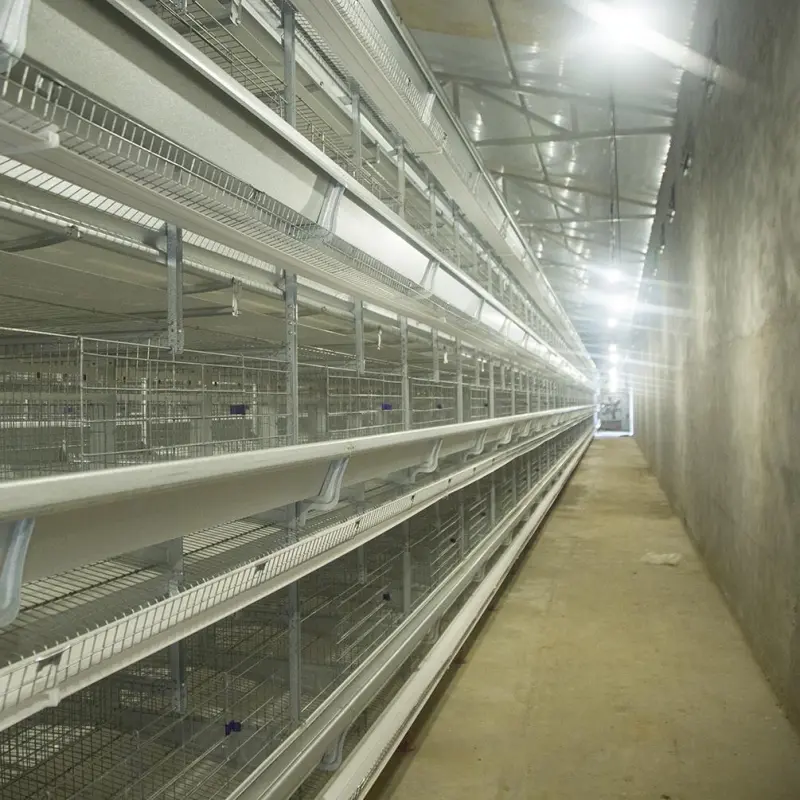
A well - designed ventilation system is essential for maintaining good air quality in the hen house. It can remove harmful gases such as ammonia, carbon dioxide, and dust, and provide fresh air for the hens. The ventilation system should be designed according to the size of the hen house, the number of hens, and the local climate conditions. Industry experts suggest that the ventilation rate should be at least 0.2 - 0.3 cubic meters per minute per hen to ensure good air quality.
Temperature Control Mechanisms
Temperature control is another critical factor in egg - laying hen farming. Hens are sensitive to temperature changes, and extreme temperatures can cause stress and reduce egg - laying rates. A stable temperature range of 18 - 25 degrees Celsius is ideal for egg - laying hens. By using advanced temperature control equipment, farms can maintain a constant and comfortable climate, preventing heat stress. For instance, in a farm that implemented effective temperature control, the egg - laying rate increased by 15% compared to farms without proper temperature management.
High - Quality Cage Materials
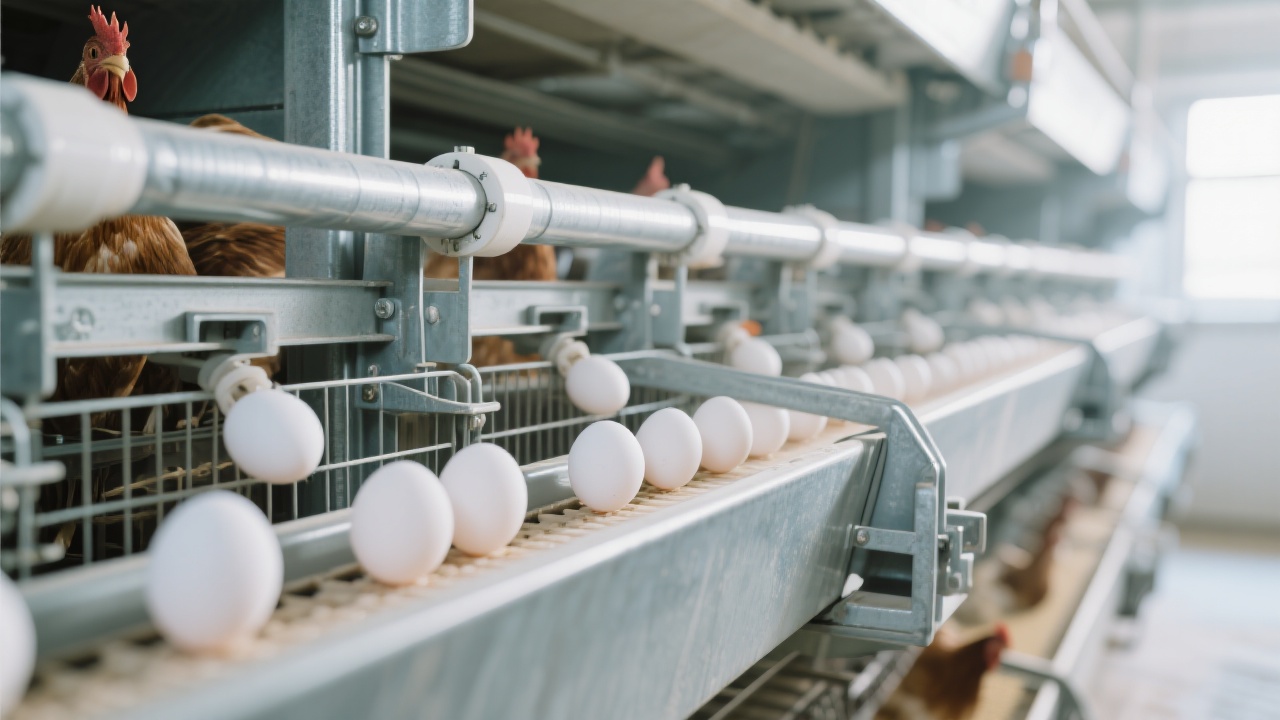
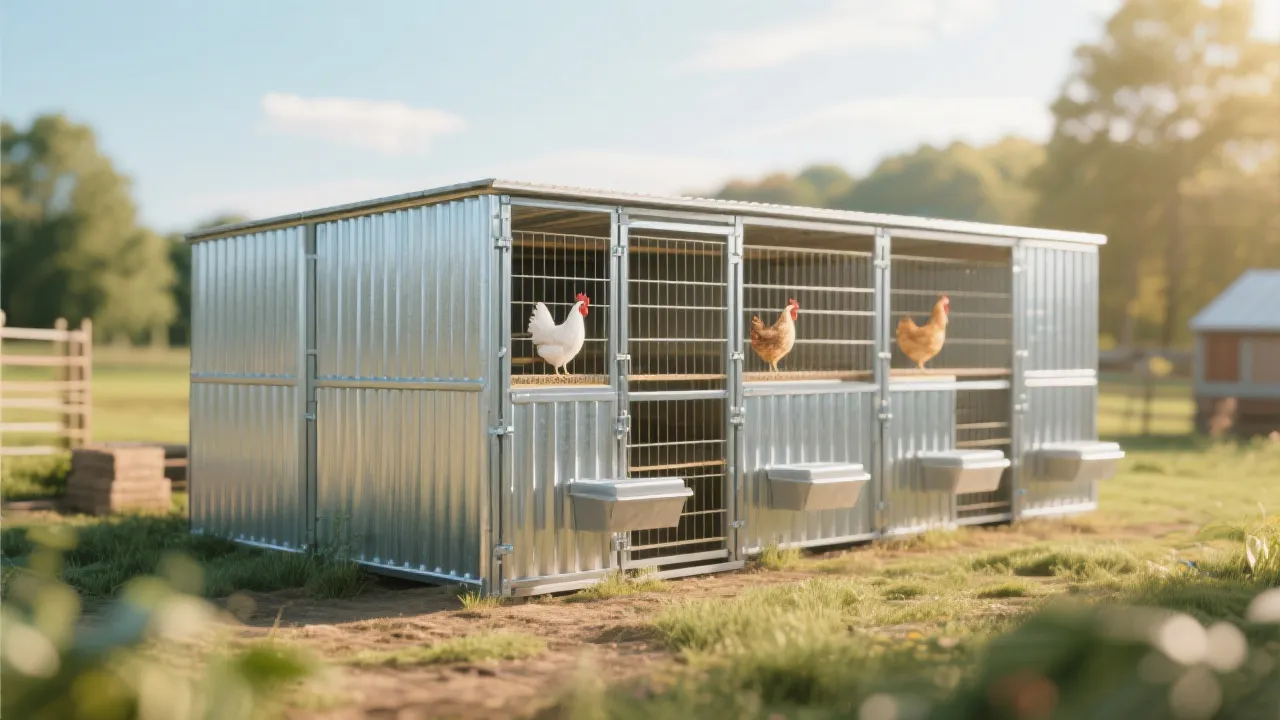
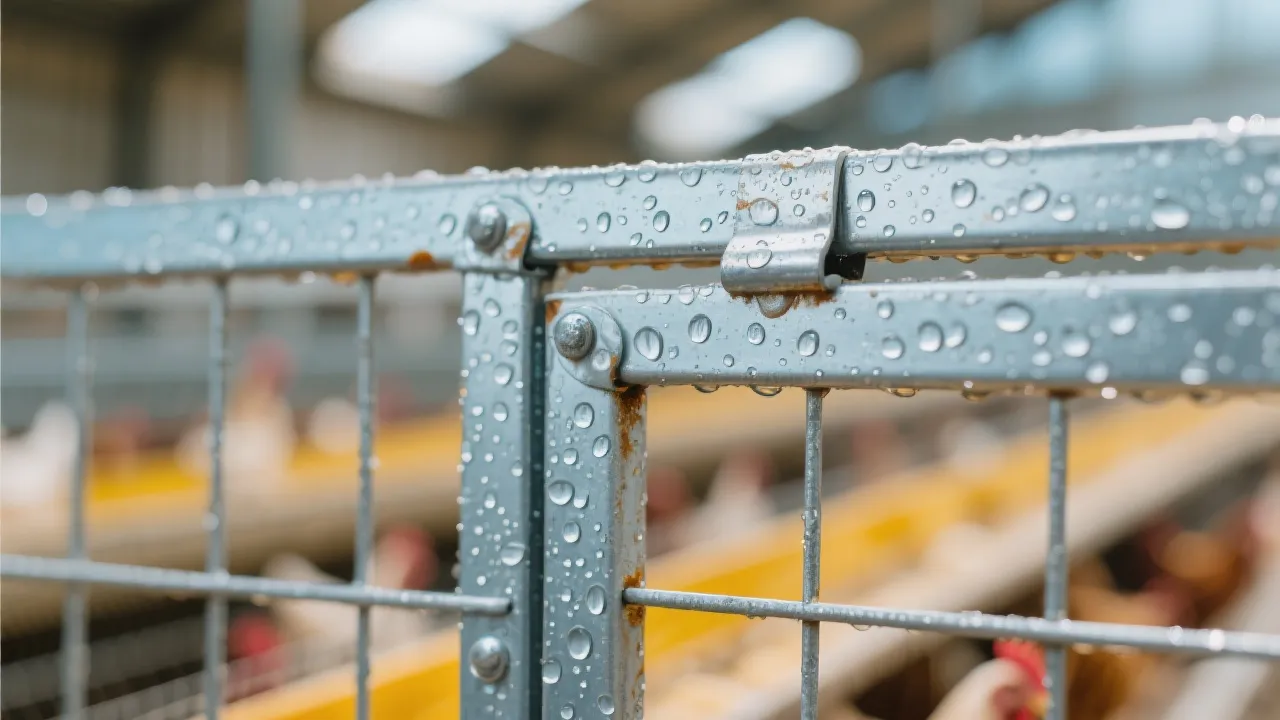
The choice of cage materials is also crucial. Q235 steel, for example, is a high - quality material with excellent corrosion resistance. It can ensure the long - term stable operation of cages, reducing maintenance costs and the risk of equipment failure. In one case, a farm using Q235 steel cages extended the service life of the cages by 5 - 8 years compared to farms using ordinary materials.
Automation Systems for Egg Collection and Manure Cleaning
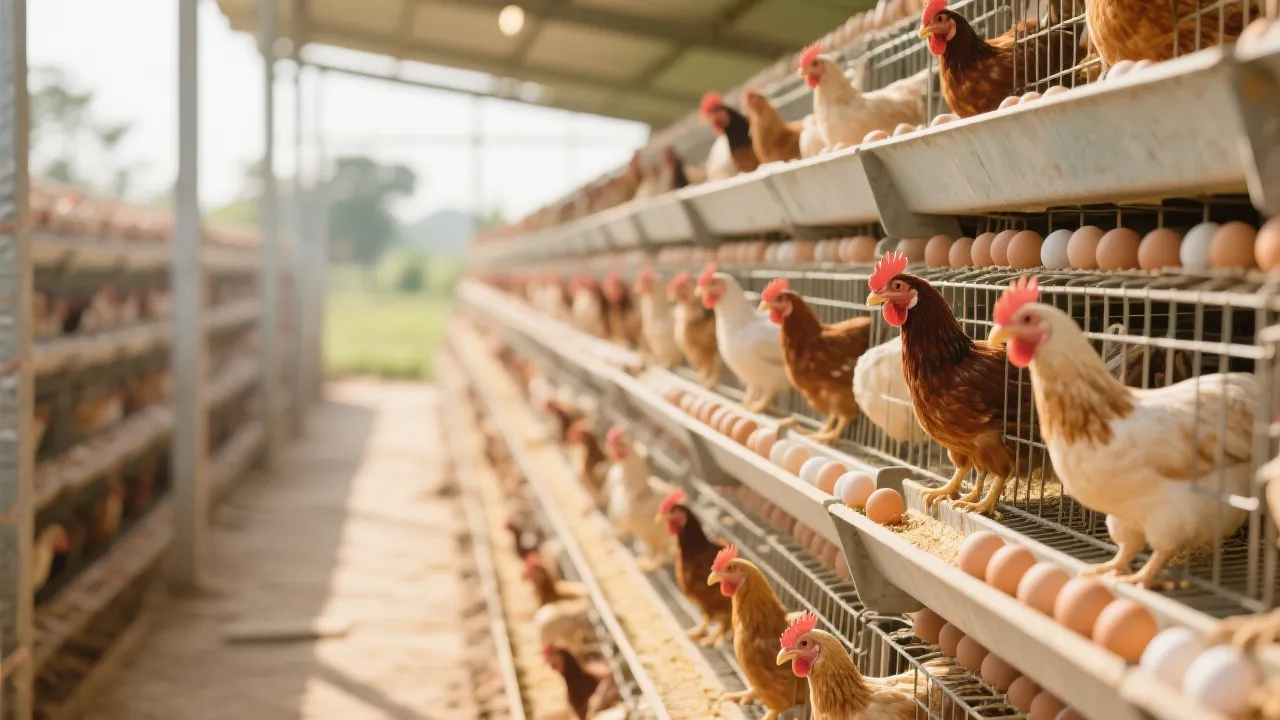
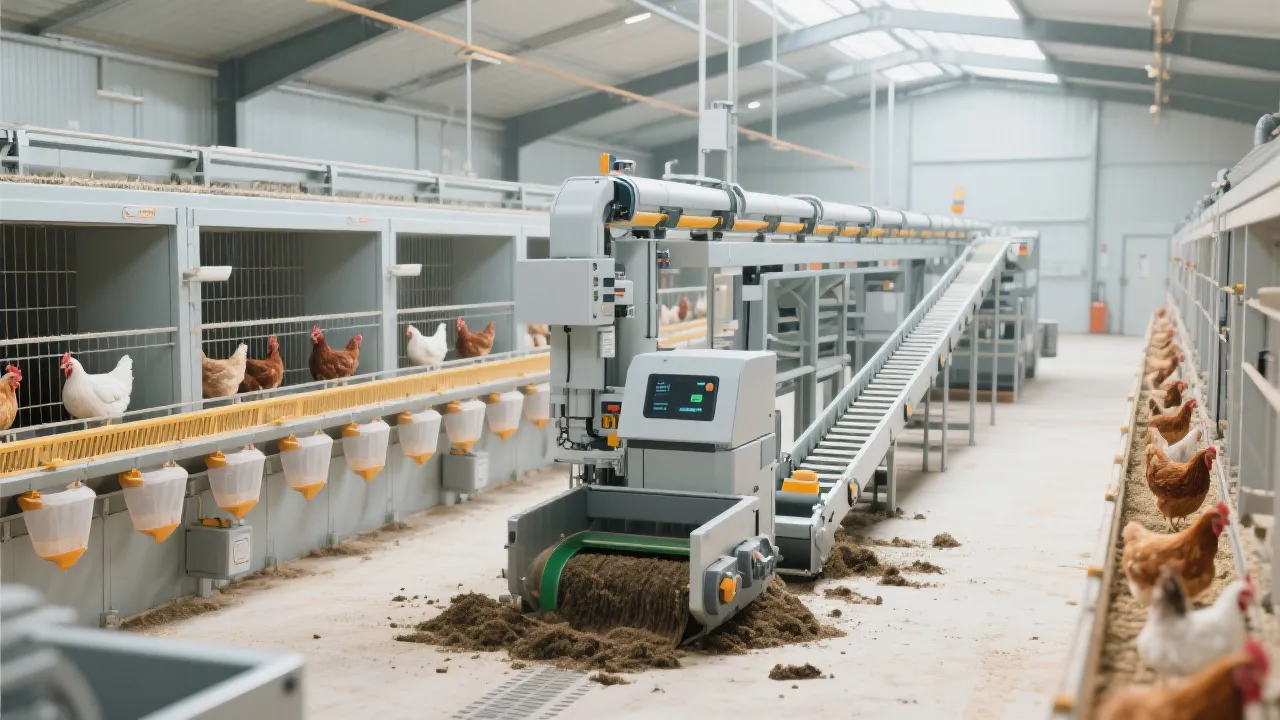
Automation systems for egg collection and manure cleaning can greatly improve the efficiency of egg - laying hen farming. These systems can work in harmony with environmental control to provide a clean and comfortable environment for hens. For example, an automated egg - collection system can reduce the labor cost by 30% and improve the egg - collection efficiency by 20%.
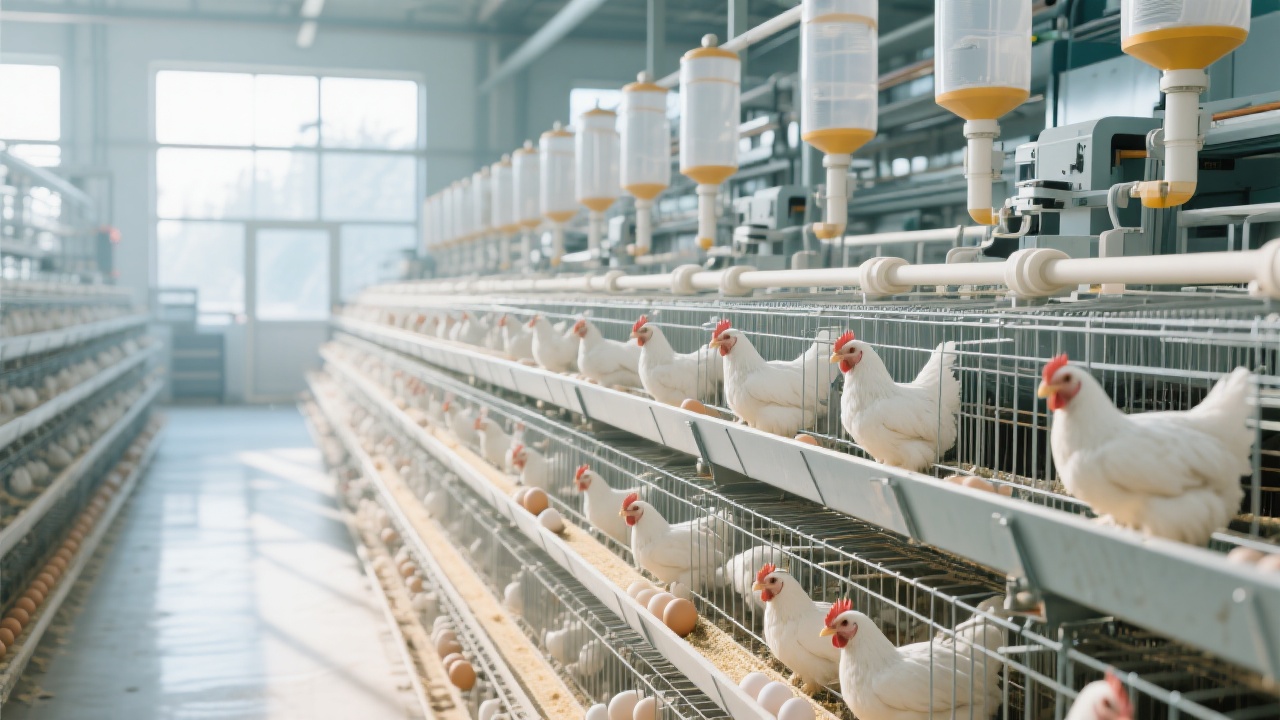
Zhengzhou Livi Machinery's high - efficiency H - type layer cages have many advantages in practical applications. Their products can help farms optimize the breeding environment, increase egg production, and reduce disease risks, thereby enhancing the economic value of farming.
To help you better understand your farm's environmental conditions, you can download our Environment Self - Check List.
If you're eager to learn more about intelligent environmental control solutions for your laying - hen farm, click here to visit Zhengzhou Livi Machinery's official website.





Hot Products

.jpg?x-oss-process=image/resize,m_fill,h_800,w_800/format,webp)


Popular articles




READY TO START?
Ready to Build Your Poultry Farm?
Tell us your land size, poultry type and farming capacity. LIVI will provide a complete farm solution for your project.