


Export-oriented Laying Hen Farm Environment Optimization Guide: A Full-process Practical Manual from Ventilation to Cage Material Selection

Core Elements of Optimizing the Environment for Export-Oriented Laying Hen Farms
In the world of export - oriented laying hen farming, optimizing the breeding environment is crucial for enhancing the health of hens and increasing egg production. This guide will delve into the key aspects of environmental optimization, from ventilation systems to cage material selection.
Ventilation System Design
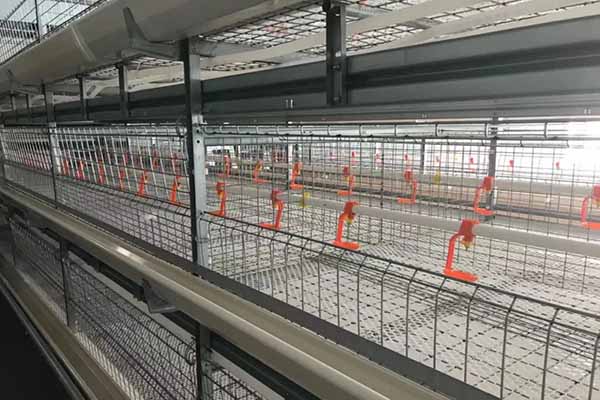
Ventilation is one of the most important factors in a laying hen farm. Proper air circulation can effectively reduce the concentration of harmful gases such as ammonia and carbon dioxide, and maintain appropriate humidity levels. According to industry research, an air velocity of 0.1 - 0.3 m/s in the hen house is generally considered ideal for maintaining good air quality. High humidity can lead to the growth of bacteria and mold, which may cause respiratory diseases in hens. Therefore, controlling the humidity between 50% - 70% is essential for hen health. Studies have shown that well - designed ventilation systems can reduce hen stress levels by up to 30%, leading to a 15% increase in egg production.
Temperature Control Mechanism
Maintaining a suitable temperature is vital for the growth and production of laying hens. The optimal temperature range for laying hens is between 18°C - 25°C. When the temperature is too high, hens may experience heat stress, which can reduce their feed intake and egg production. On the other hand, low temperatures can increase the energy consumption of hens, affecting their overall health. To achieve this, farmers can use heating systems in winter and cooling systems in summer. For example, installing evaporative cooling pads can effectively lower the temperature in the hen house during hot seasons, improving the comfort of hens and promoting egg production.
Cage Material Selection
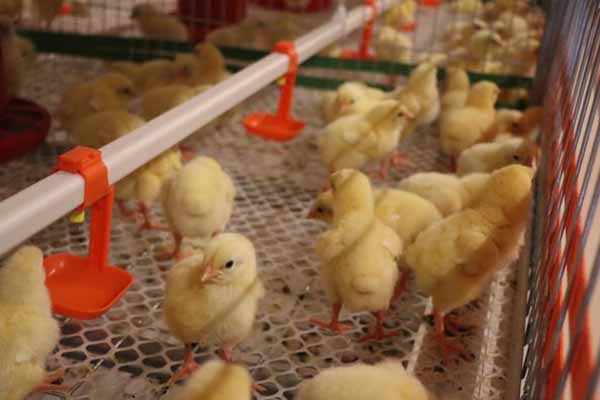
The choice of cage material has a significant impact on the long - term use and stability of the cage. Q235 steel is a popular choice for laying hen cages. It has excellent corrosion - resistant properties, which can ensure the long - term stability of the cage structure. In a long - term study, Q235 steel cages showed only a 5% corrosion rate after 5 years of use, compared to a 20% corrosion rate for some other materials. This not only extends the service life of the cage but also provides a more stable living environment for hens, reducing the risk of injury and disease.
Automation Equipment and Environmental Control
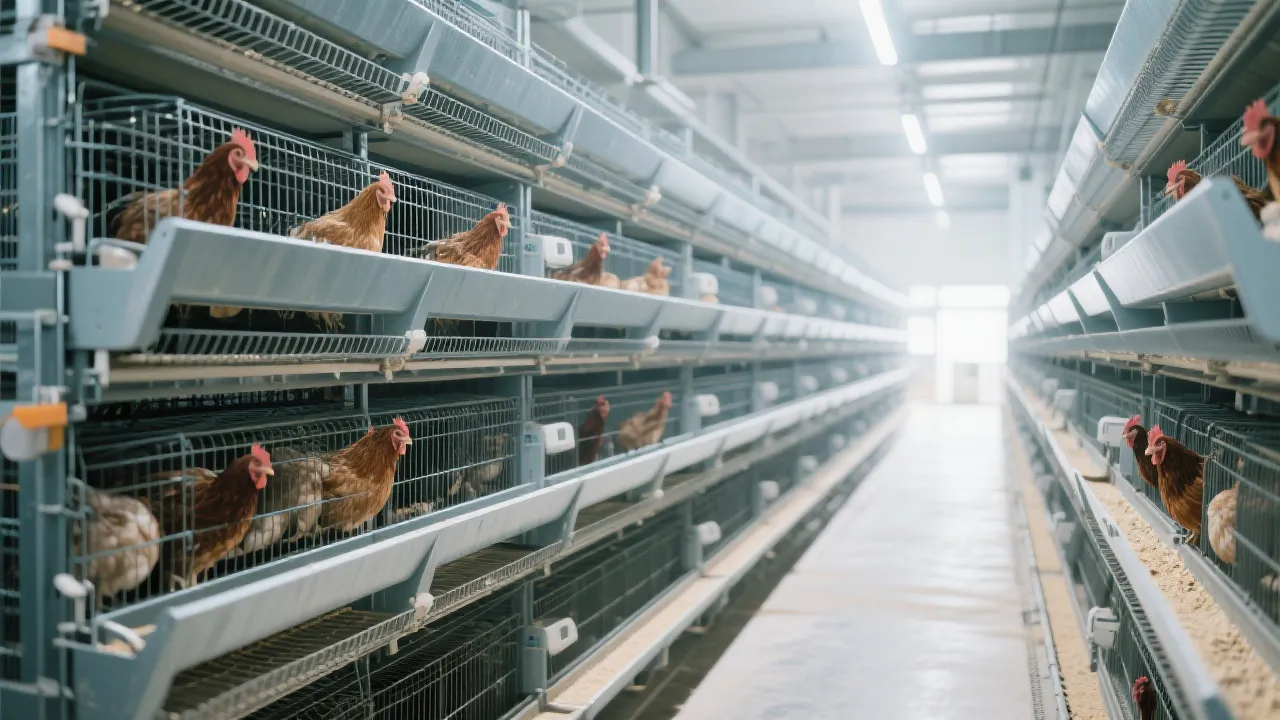
Automation equipment such as automatic manure cleaning and egg collection systems can greatly improve the efficiency of the farm. These systems work in synergy with the environmental control system to save energy and reduce labor costs. For example, automatic manure cleaning systems can remove manure in a timely manner, reducing the emission of harmful gases and improving air quality in the hen house. Meanwhile, the automatic egg collection system can ensure that eggs are collected in time, reducing the risk of egg breakage. In some modern farms, the use of these automation systems has increased the efficiency of egg production by up to 40% and reduced energy consumption by 20%.
In conclusion, by optimizing the breeding environment in aspects such as ventilation, temperature control, cage material selection, and the use of automation equipment, export - oriented laying hen farms can significantly improve the health of hens, increase egg production, and enhance the quality of eggs. Zhengzhou Livi Machinery Co., Ltd.'s high - efficiency H - type layer hen cages, with their innovative technology, can provide strong support for these environmental optimization measures. More about intelligent environmental control solutions, please refer to our technical white paper.



Hot Products

.jpg?x-oss-process=image/resize,m_fill,h_800,w_800/format,webp)


Popular articles



READY TO START?
Ready to Build Your Poultry Farm?
Tell us your land size, poultry type and farming capacity. LIVI will provide a complete farm solution for your project.