


Establishing Inspection and Maintenance Processes for Layer Cage Equipment Aligned with ISO 9001 and ISO 14001
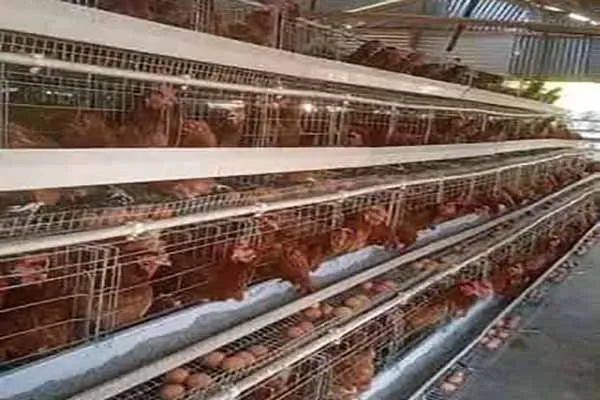
Building Inspection and Maintenance Processes for Layer Cage Equipment in Line with ISO 9001 and ISO 14001
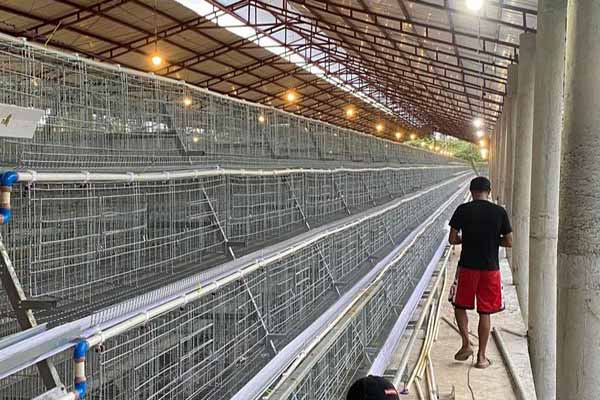
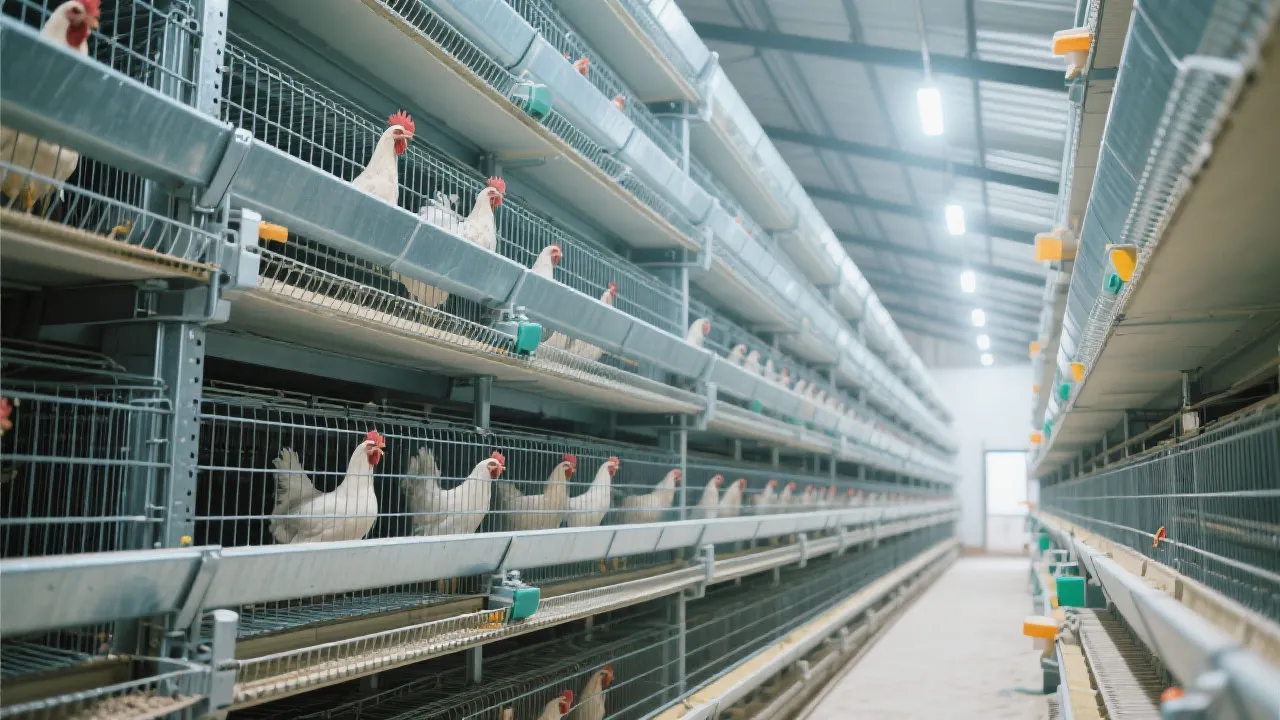
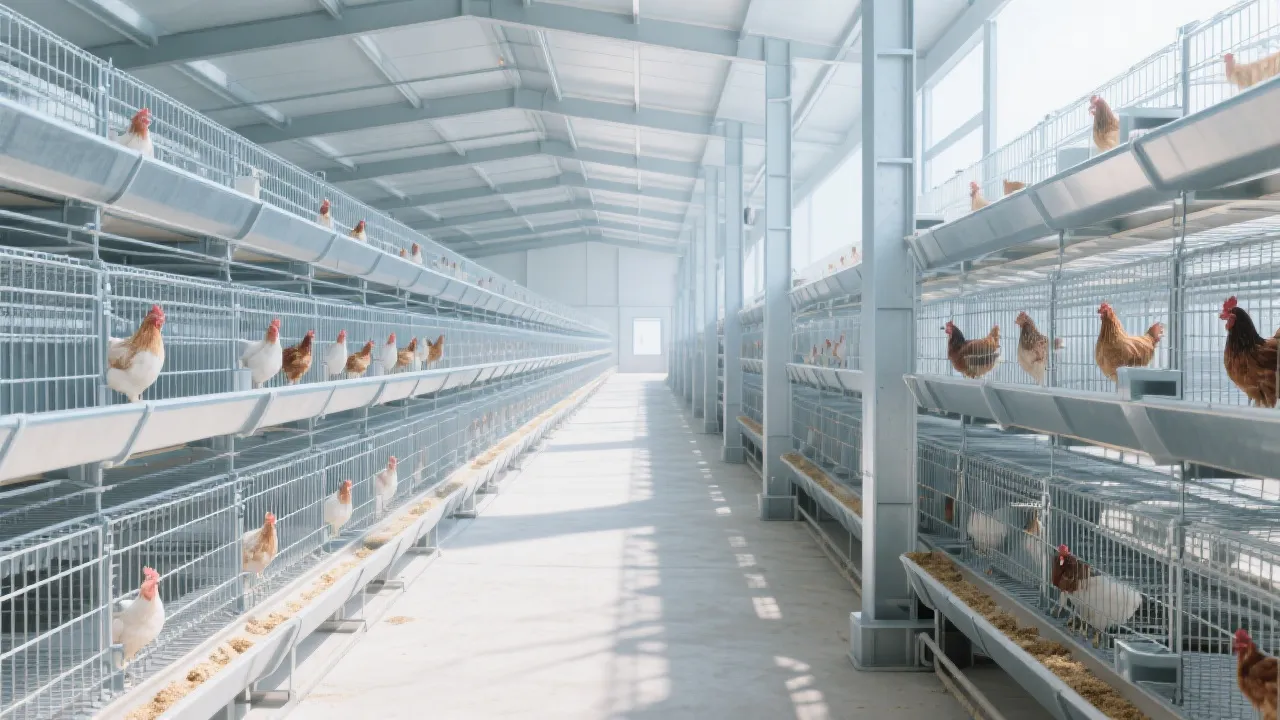
In the poultry farming industry, ensuring the efficient operation of layer cage equipment is crucial for both production continuity and environmental sustainability. This article delves into the establishment of inspection and maintenance processes for layer cage equipment that meet the requirements of the ISO 9001 Quality Management System and ISO 14001 Environmental Management System.
Core Requirements of ISO 9001 and ISO 14001 in Layer Cage Design and Maintenance
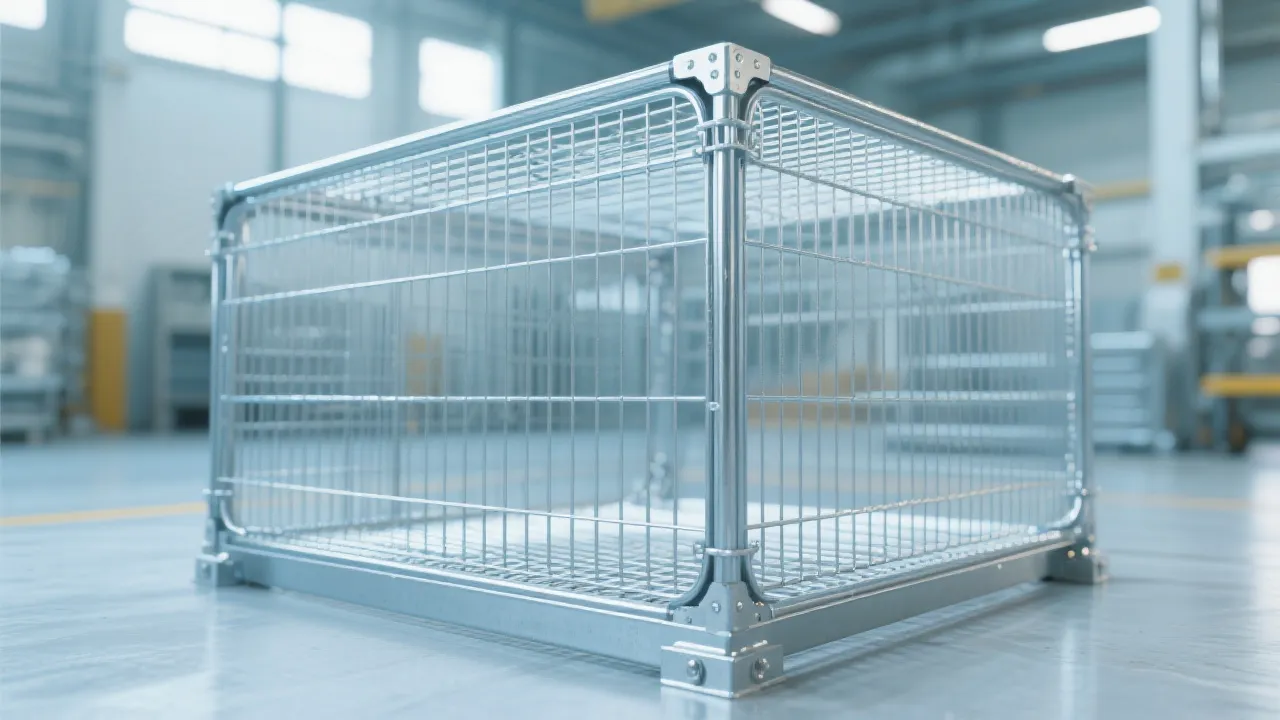
ISO 9001 focuses on quality management, emphasizing the importance of consistent product quality through proper material selection, process control, and standardized operations. For layer cage equipment, this means using high - quality materials that can withstand the harsh poultry farming environment. According to industry statistics, cages made from high - grade galvanized steel have a lifespan that is 30% longer than those made from ordinary steel, reducing the need for frequent replacements.
ISO 14001, on the other hand, is concerned with environmental management. It requires strict control of environmental indicators during the production and operation of layer cage equipment. This includes minimizing waste generation, reducing energy consumption, and ensuring proper disposal of pollutants. For example, modern layer cage equipment is designed to optimize feed usage, reducing feed waste by up to 15% compared to traditional cages.

The Role of CE Certification in Enhancing International Competitiveness
CE certification is a key factor in expanding into international markets. It ensures that layer cage equipment meets the safety and health requirements of the European Economic Area. By obtaining CE certification, poultry farms can demonstrate that their equipment complies with strict European standards, which significantly enhances brand competitiveness. For instance, in the European market, products with CE certification are more likely to be favored by buyers, leading to a potential increase in market share by 20%.
Practical Inspection and Maintenance Process Guides
The inspection process for layer cage equipment should cover various aspects, including the automation system, environmental emissions, and standardized operations. For the automation system, regular checks should be conducted to ensure that all sensors, controllers, and actuators are functioning properly. A study has shown that 70% of equipment failures in modern layer cage systems are related to automation malfunctions.
Environmental emissions monitoring is also essential. Regular checks should be carried out to ensure that the equipment meets environmental standards, such as controlling ammonia emissions and waste water discharge. Additionally, standardized operation procedures should be established and strictly followed to ensure the long - term stability of the equipment.

Case Studies and Data Analysis
Let's take a large - scale poultry farm as an example. By implementing a systematic inspection and maintenance process, the farm was able to reduce equipment failure rates by 40% and lower maintenance costs by 25% within a year. This not only ensured the continuity of egg production but also improved the overall efficiency of the farm.
Continuous Improvement and Promotion
Continuous improvement is the key to long - term success. Poultry farms should regularly review and update their inspection and maintenance processes based on new technologies and industry standards. In addition, multi - channel promotion is necessary to spread the knowledge of efficient equipment management. This can be achieved through the company's official website, industry seminars, and social media platforms.
FAQ Section
Q: How often should layer cage equipment be inspected?
A: It is recommended to conduct a comprehensive inspection at least once a month, with daily checks on key components.
Q: What are the main benefits of obtaining CE certification?
A: CE certification enhances brand competitiveness in the international market, especially in Europe, and demonstrates compliance with strict safety and health standards.
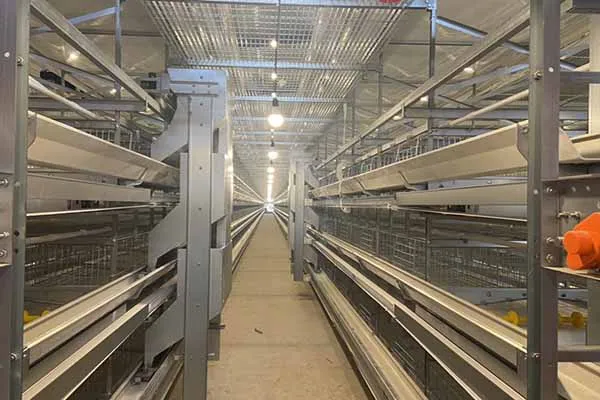
Ready to optimize your layer cage equipment management? Learn more about our high - efficiency H - type layer cage equipment and take your poultry farming to the next level.





Hot Products

.jpg?x-oss-process=image/resize,m_fill,h_800,w_800/format,webp)


Popular articles




READY TO START?
Ready to Build Your Poultry Farm?
Tell us your land size, poultry type and farming capacity. LIVI will provide a complete farm solution for your project.