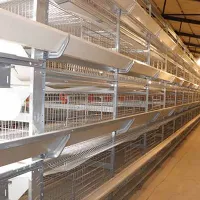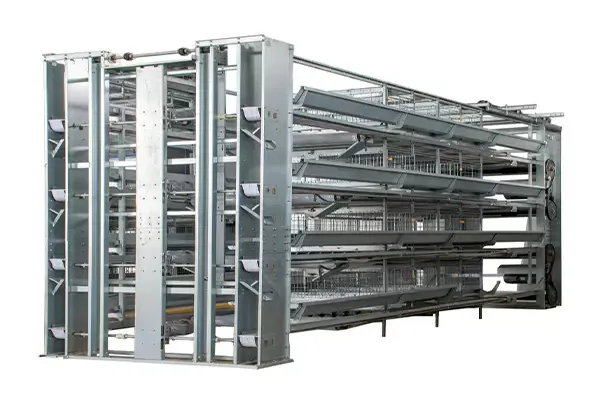
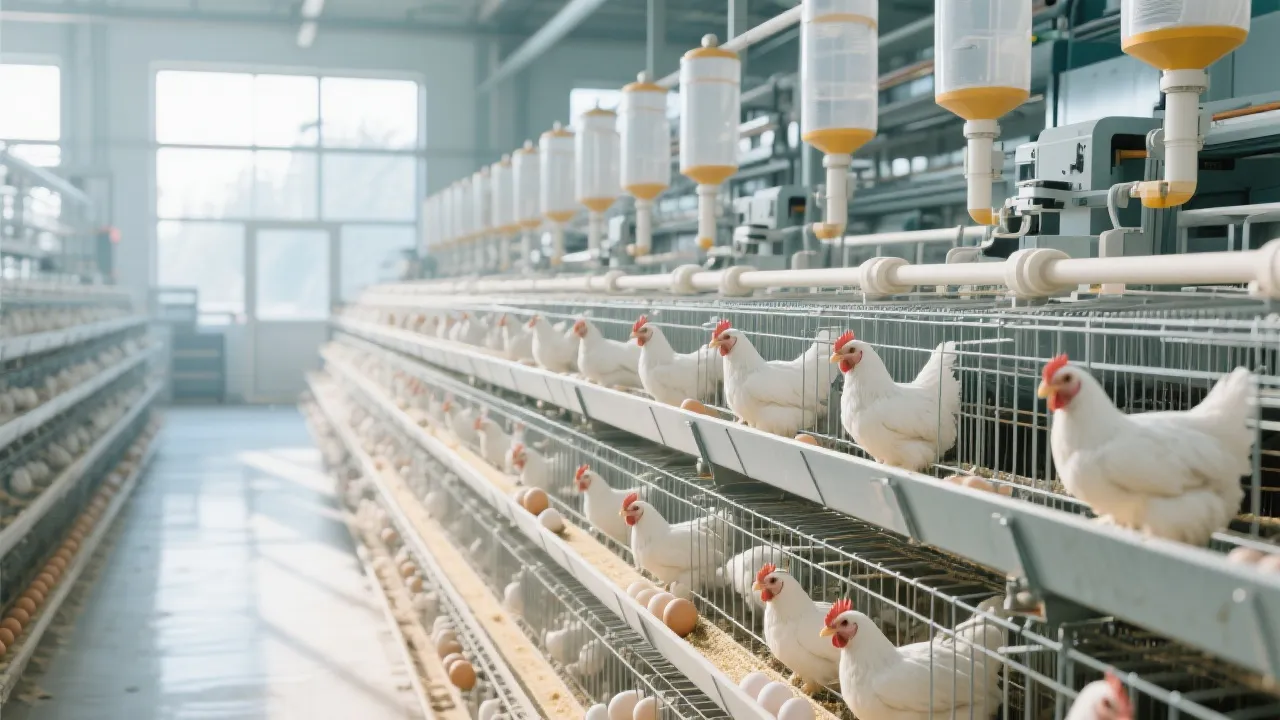
In the realm of egg - laying chicken farming, maximizing efficiency and profitability while ensuring the well - being of the chickens is a top priority. The H - type stacked egg - laying chicken cage has emerged as a revolutionary solution, offering significant advantages in terms of space utilization, operational efficiency, and disease prevention. This article will delve into the core features, technical logic, and practical applications of the H - type egg - laying chicken cage.
The H - type structure of the chicken cage is characterized by a double - layer vertical design. This physical layout maximizes the use of vertical space, allowing for a 30% - 50% increase in the number of chickens that can be housed per unit area compared to traditional chicken cages. The channels within the H - type cage are also optimized. For example, wider and well - designed feeding and manure - cleaning channels ensure smooth operations, reducing the time and effort required for daily management.
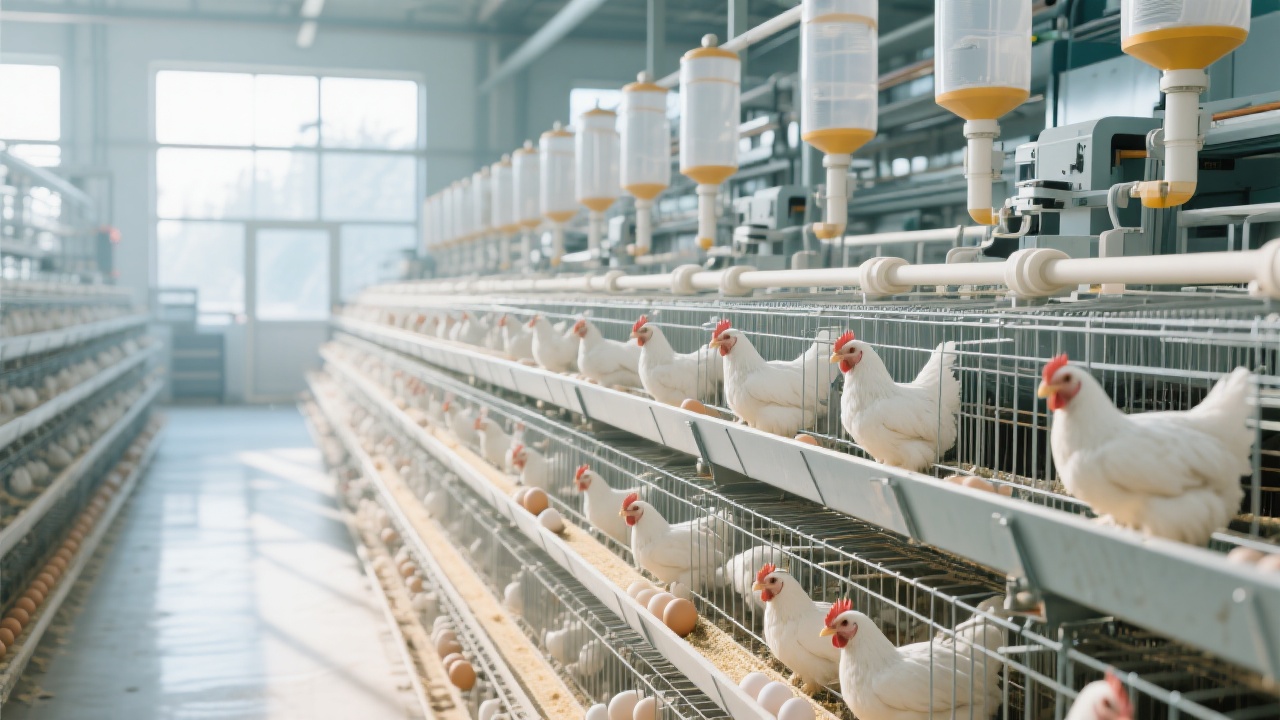
The layer spacing in the H - type stacked egg - laying chicken cage is a crucial factor. According to agricultural engineering principles, appropriate layer spacing is essential for proper ventilation and uniform light distribution. Sufficient ventilation helps to remove harmful gases such as ammonia and carbon dioxide from the chicken coop, reducing the risk of respiratory diseases. Adequate light exposure is also vital for the growth and egg - laying performance of chickens. A well - designed layer spacing can ensure that each chicken receives enough light, promoting healthy development.
From a disease prevention perspective, proper layer spacing can prevent the spread of diseases between different layers. When the layer spacing is too small, the risk of cross - infection between chickens increases significantly. By maintaining an appropriate layer spacing, the H - type cage effectively reduces the probability of disease outbreaks, saving on veterinary costs and improving overall flock health.
Let's take a look at the practical effects of the H - type stacked egg - laying chicken cage in farms of different scales. In a small - scale farm with 5000 chickens, after switching to the H - type cage, the unit - area egg - laying efficiency increased by approximately 35%. This improvement is mainly due to the better use of space and the optimization of the living environment for the chickens. At the same time, the labor cost decreased by about 20% because the optimized channels made feeding, manure cleaning, and egg collection more efficient.
In a large - scale farm with 30,000 chickens, the results were even more remarkable. The unit - area egg - laying efficiency soared by 45%, and the labor cost dropped by 30%. The following table shows the comparison:
| Farm Scale | Before Using H - type Cage (Unit - area Egg - laying Efficiency) | After Using H - type Cage (Unit - area Egg - laying Efficiency) | Before Using H - type Cage (Labor Cost) | After Using H - type Cage (Labor Cost) |
|---|---|---|---|---|
| 5000 - chicken farm | X eggs per square meter | 1.35X eggs per square meter | Y dollars | 0.8Y dollars |
| 30,000 - chicken farm | Z eggs per square meter | 1.45Z eggs per square meter | W dollars | 0.7W dollars |
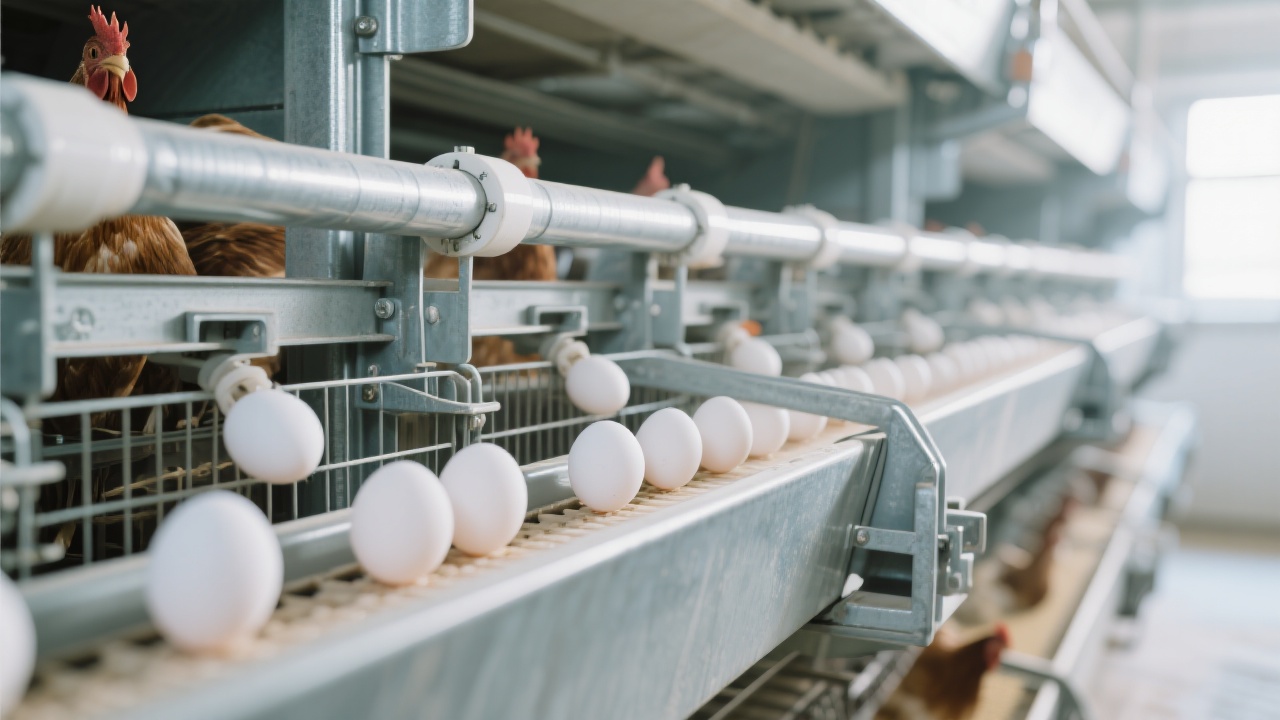
The H - type stacked egg - laying chicken cage is highly adaptable to different types of farms. In small and medium - sized family farms, the cage's flexibility allows for easy installation and adjustment according to the available space. It can be customized to fit the specific needs of the farm, enabling family farmers to increase their production without significant capital investment.
In large - scale modern farms, the H - type cage's standardized design and high - efficiency operation are well - suited for automation and large - scale management. The optimized channels and vertical structure make it easier to integrate with automated feeding, manure - cleaning, and egg - collection systems, further improving productivity and reducing labor costs.
Some farmers may have concerns about the comfort of the chickens in the H - type cage. In fact, the design of the cage takes into account the natural behavior and living habits of chickens. The appropriate layer spacing, ventilation, and light conditions ensure that the chickens have a comfortable living environment. Additionally, the smooth channels and well - designed perches reduce the stress on the chickens.
Regarding maintenance, the H - type cage is designed for easy cleaning and repair. The materials used are durable, and the structure is simple, which means that the maintenance cost and difficulty are relatively low. Regular cleaning and simple inspections can keep the cage in good working condition.
In conclusion, the H - type stacked egg - laying chicken cage is a game - changer in the egg - laying chicken farming industry. With its unique structure, advanced technical design, and wide adaptability, it offers a practical solution for farmers to improve efficiency, reduce costs, and increase profits. Are you curious about whether your chicken coop's space utilization meets the standard? If you want to learn more about how the H - type cage can transform your farm, click here to get more information and real - life case studies.

 405
|
405
|
 high-efficiency H-type layer chicken cage
large-scale poultry farming
automated chicken cage system
poultry farming equipment
Zimbabwe egg production solutions
high-efficiency H-type layer chicken cage
large-scale poultry farming
automated chicken cage system
poultry farming equipment
Zimbabwe egg production solutions
 37
|
Zambia poultry farming
intelligent farming equipment
efficient A-type battery cage
Zhengzhou Livi Machinery
automated farming
increase in egg production
37
|
Zambia poultry farming
intelligent farming equipment
efficient A-type battery cage
Zhengzhou Livi Machinery
automated farming
increase in egg production
 340
|
chicken manure cleaning system
automatic chicken manure treatment
poultry farming equipment
belt manure cleaner
scraper manure cleaner
340
|
chicken manure cleaning system
automatic chicken manure treatment
poultry farming equipment
belt manure cleaner
scraper manure cleaner
 320
|
layer chicken farming cages
high-efficiency A-type battery cages
Ghana poultry farm
enhanced farming profitability
hot-dip galvanized Q235 steel
automation features
141
|
Zhengzhou Livi Machinery Co.
Ltd.
Type A Brooding Battery Cages
Global Poultry Farming Market
Egg-laying Chicken Cages
Successful Large-scale Farming Cases
320
|
layer chicken farming cages
high-efficiency A-type battery cages
Ghana poultry farm
enhanced farming profitability
hot-dip galvanized Q235 steel
automation features
141
|
Zhengzhou Livi Machinery Co.
Ltd.
Type A Brooding Battery Cages
Global Poultry Farming Market
Egg-laying Chicken Cages
Successful Large-scale Farming Cases