


Energy-saving Application Analysis of Mechanical Scraper and Screw Conveyor Fecal Cleaning Systems in Overseas Farms
Energy-saving Applications of Mechanical Scraper and Screw Conveyor Manure Cleaning Systems in Overseas Poultry Farms
In the modern poultry farming industry, especially in layer chicken farms, efficient manure management is crucial for both environmental protection and energy conservation. This article delves into the applications of mechanical scraper and screw conveyor manure cleaning systems in layer chicken farms, providing in - depth insights for farm managers and environmental technology professionals.
The Importance and Challenges of Manure Management
Manure management in poultry farms is a complex task. Improper handling can lead to environmental pollution, such as water and air contamination. According to industry statistics, an average layer chicken produces about 100 - 120 grams of manure per day. In a large - scale farm with tens of thousands of chickens, the daily manure output can reach several tons. This not only requires a large amount of storage space but also poses a significant challenge to environmental protection.
Structural and Functional Advantages of Manure Cleaning Equipment
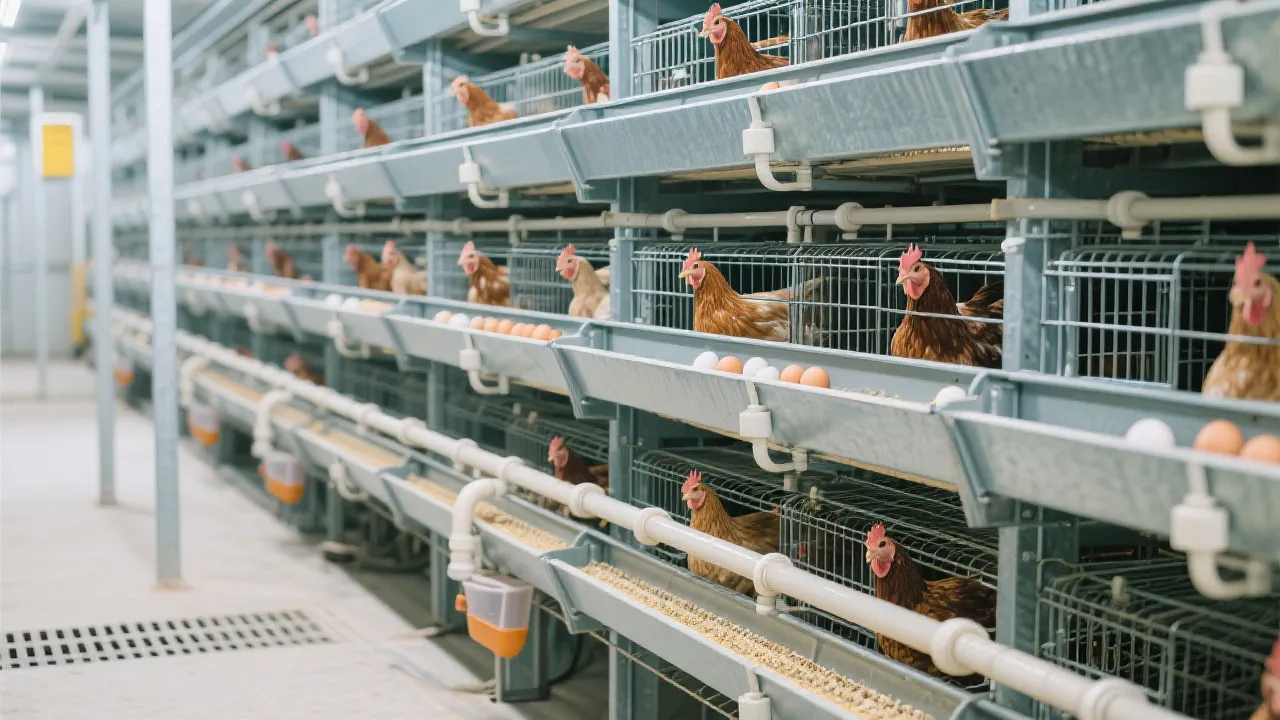
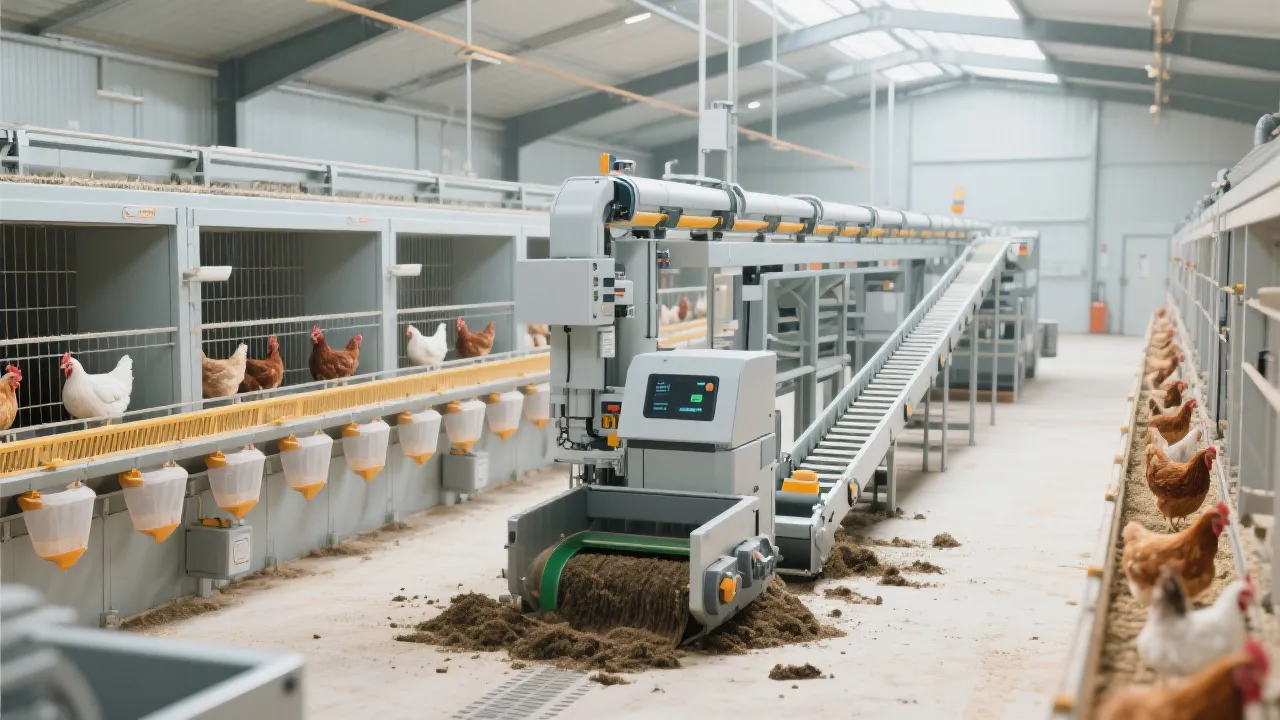
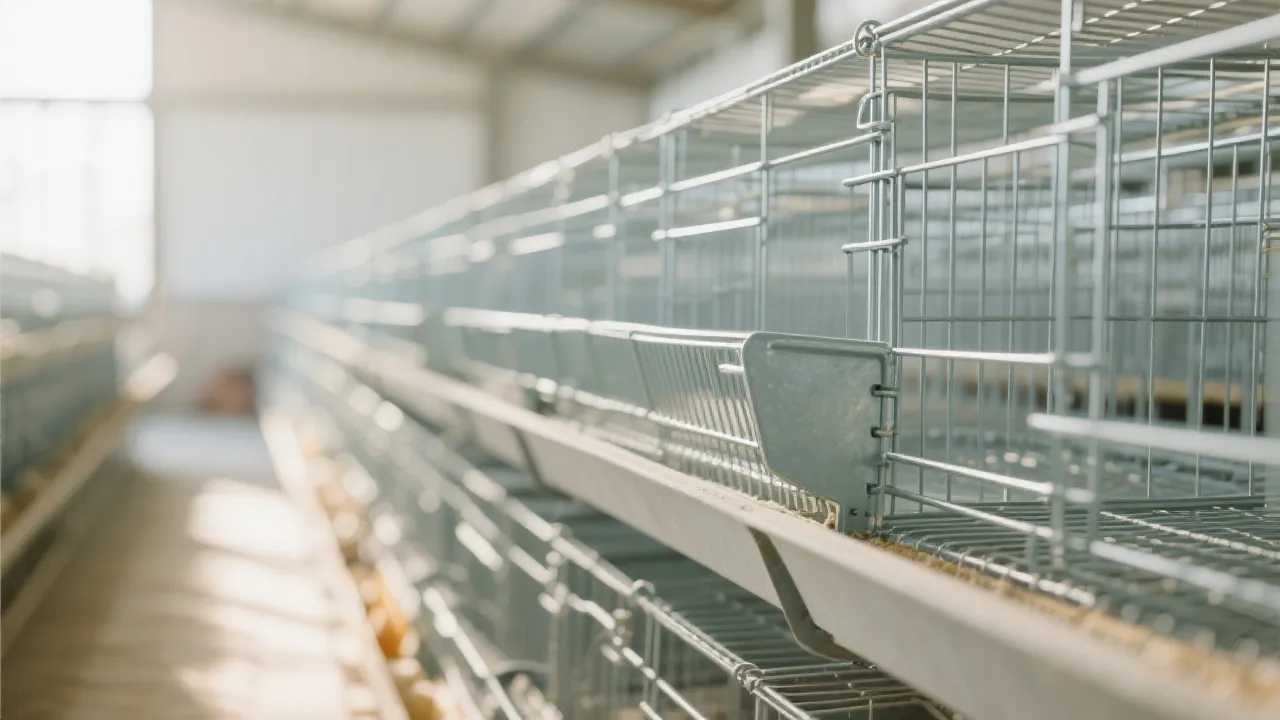
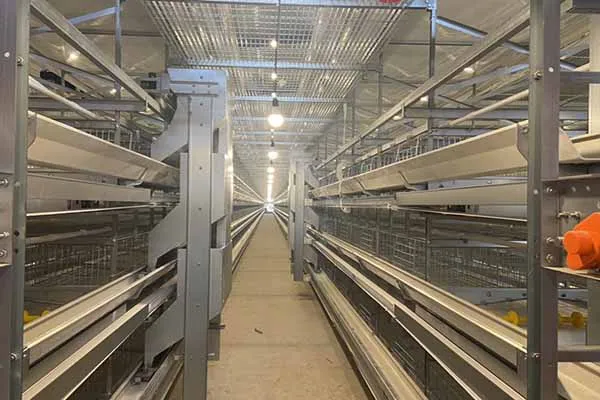
Mechanical scraper and screw conveyor manure cleaning systems have unique advantages. The mechanical scraper system can efficiently remove manure from the chicken cages. It has a simple structure and is easy to operate. The screw conveyor system, on the other hand, can transport manure over a long distance with relatively low energy consumption. For example, in an H - type layer chicken cage system, these two systems can work together to ensure the continuous and efficient removal of manure.
Energy - saving Technologies and Intelligent Control Strategies
To achieve energy conservation, modern manure cleaning systems are equipped with intelligent control technologies. These systems can adjust the operation speed and frequency according to the actual manure production. By using sensors and control algorithms, energy consumption can be reduced by up to 30%. For instance, during periods of low manure production, the system can slow down or even pause operation, saving electricity and reducing wear and tear on equipment.
Maintenance Planning and Operating Specifications
Regular maintenance is essential for the long - term stable operation of manure cleaning systems. A reasonable maintenance cycle should be established. For mechanical scraper systems, the blades need to be inspected and replaced every 3 - 6 months, while the screw conveyor system requires lubrication and belt tension adjustment every 2 - 4 months. Strict operating specifications should also be followed to ensure the safety and efficiency of the equipment.
Coordination and Optimization with Ventilation Equipment
The manure cleaning system and the ventilation system in the chicken farm are closely related. Proper coordination can improve the overall environmental quality of the farm. For example, when the manure cleaning system is operating, the ventilation system can be adjusted to remove the odor and dust generated during the cleaning process. This can reduce the concentration of harmful gases in the chicken house and improve the health of the chickens.
Manure Recycling Technologies Based on ISO14001
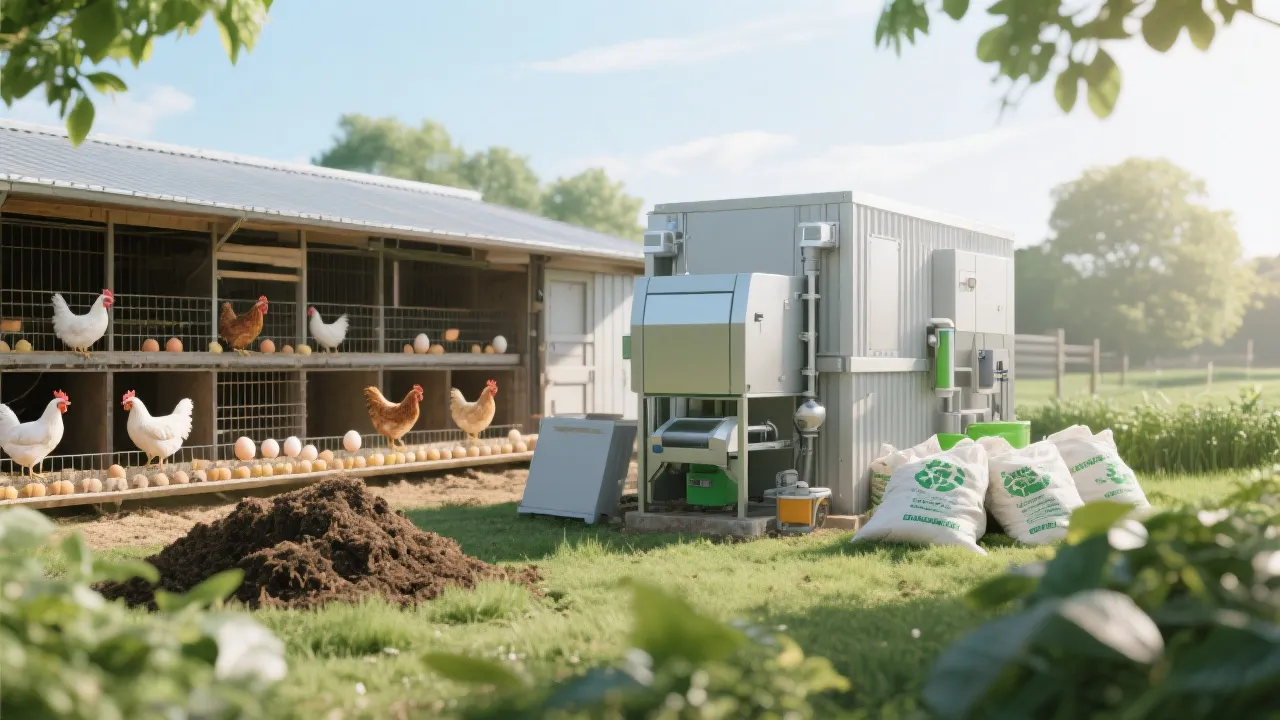
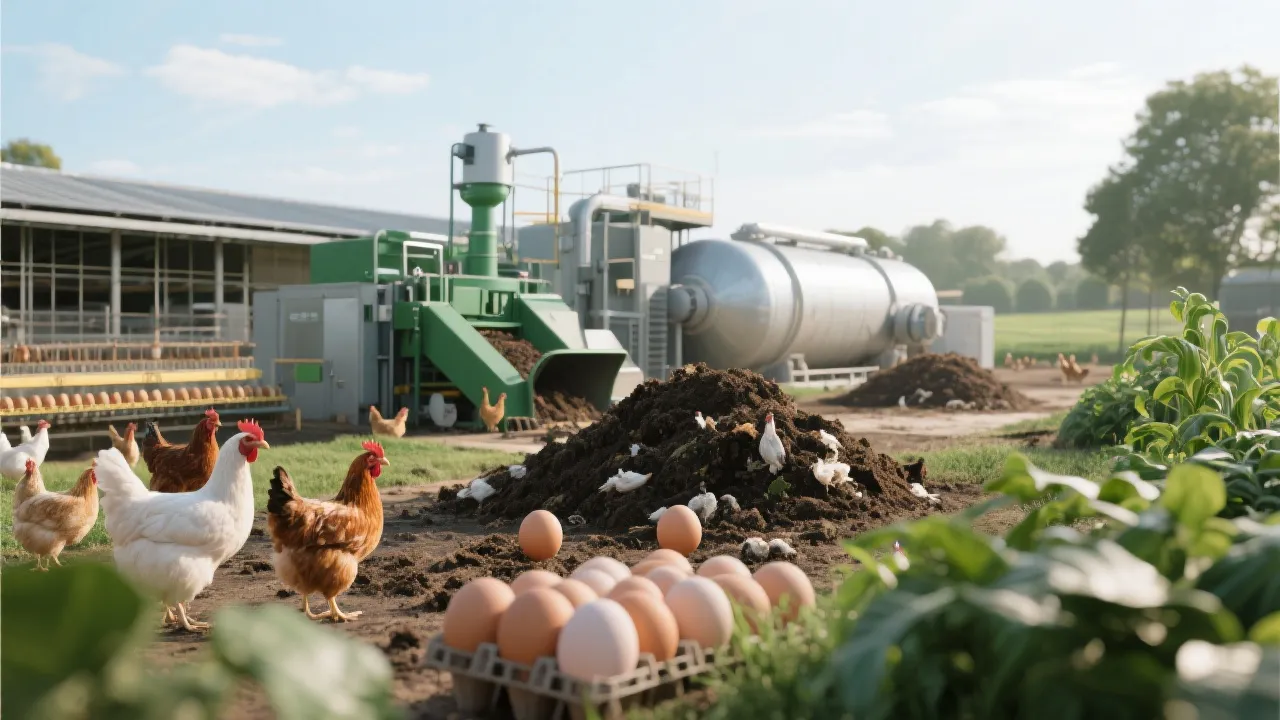
Based on the ISO14001 environmental management system, manure can be recycled through technologies such as composting and biogas power generation. Composting can convert manure into organic fertilizer, which can be sold or used on the farm itself. Biogas power generation can produce clean energy, reducing the farm's dependence on external energy sources. According to research, one ton of chicken manure can produce about 20 - 30 cubic meters of biogas, which can be used for heating or power generation.
FAQ
| Question | Answer |
|---|---|
| How often should the manure cleaning system be maintained? | The maintenance cycle depends on the type of equipment. Generally, mechanical scraper blades need to be inspected every 3 - 6 months, and screw conveyor systems require lubrication every 2 - 4 months. |
| Can the manure cleaning system really save energy? | Yes, with intelligent control technologies, energy consumption can be reduced by up to 30%. |
If you are interested in learning more about efficient manure cleaning equipment and technical support services, don't miss out on the opportunity to explore Zhengzhou Livi Machinery's solutions.




Hot Products

.jpg?x-oss-process=image/resize,m_fill,h_800,w_800/format,webp)


Popular articles




READY TO START?
Ready to Build Your Poultry Farm?
Tell us your land size, poultry type and farming capacity. LIVI will provide a complete farm solution for your project.