


Optimize Energy Consumption of Mechanical Scraper Manure Cleaning Systems in Poultry Farming | Sustainable Solutions | Zhengzhou Liwei Machinery
Energy Optimization Strategies for Mechanical Scraper Manure Removal Systems in Poultry Farming
Efficient manure management is pivotal for modern poultry farms looking to reduce operational costs and meet stringent environmental regulations. Mechanical scraper manure removal systems, especially when applied to H-type layer cages, present a sustainable solution for maintaining hygiene and reducing labor intensity. However, their energy consumption remains a significant factor influencing farm profitability and carbon footprint. This guide unpacks the key methods to optimize energy use in scraper-based manure removal systems, integrating intelligent control, equipment maintenance, and synergistic ventilation management.
Understanding Mechanical Scraper Systems in H-Type Layer Cages
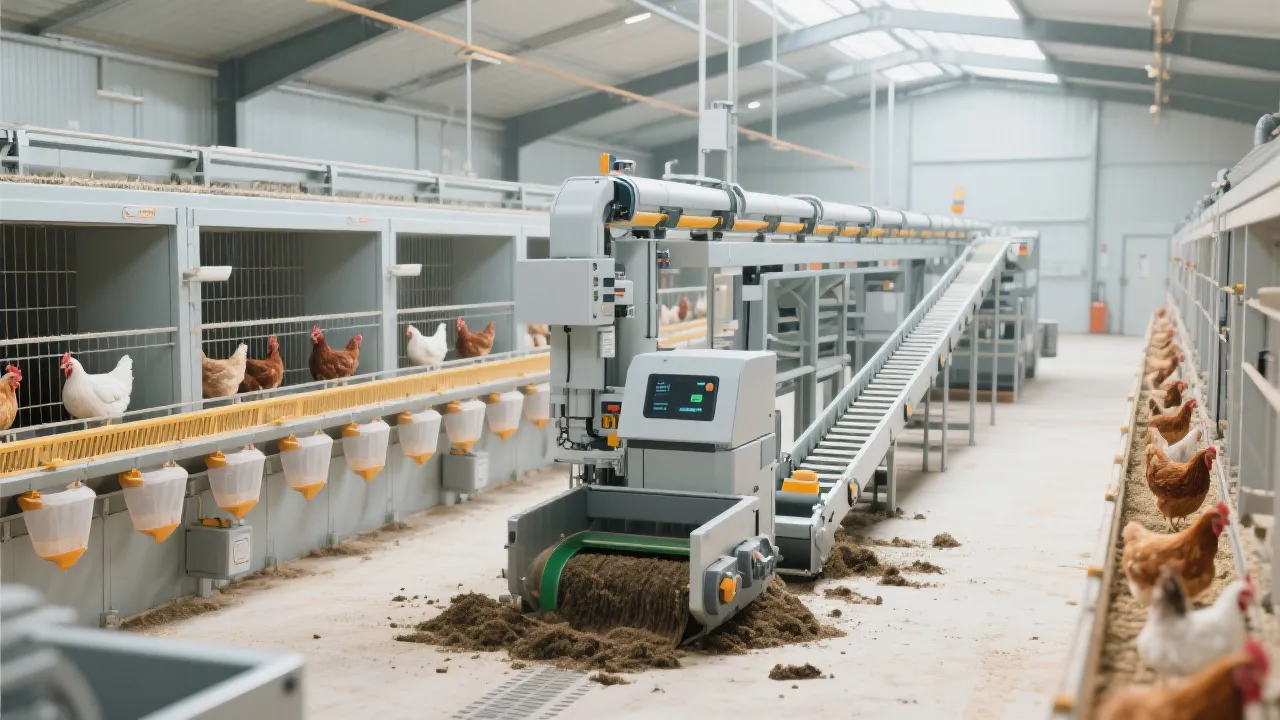
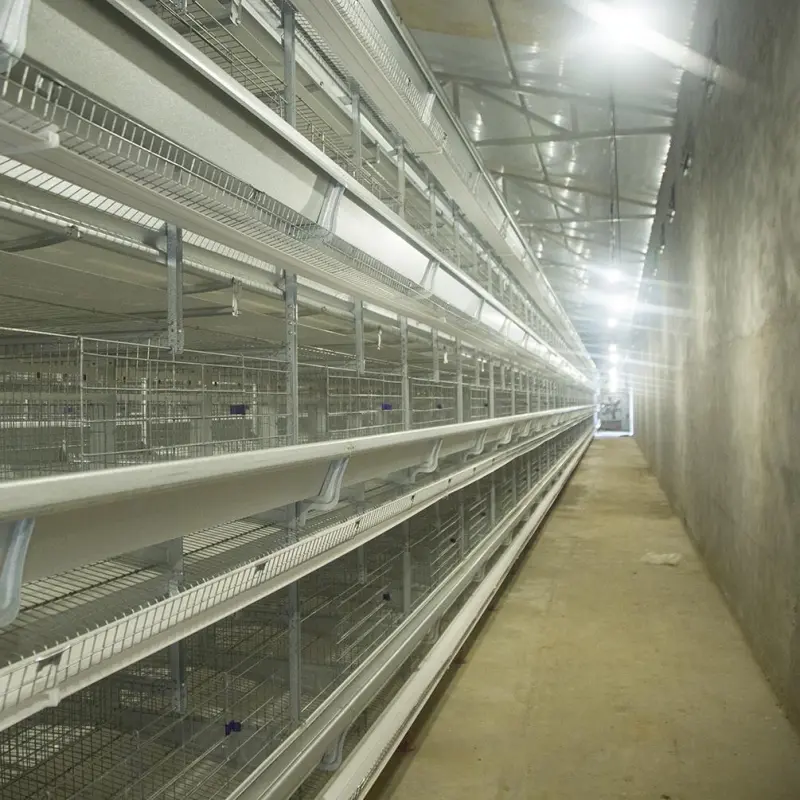
Mechanical scraper systems automate the frequent removal of manure from layer cages by deploying motor-driven scrapers along designated channels beneath the cages. The H-type cage structure, with its linear layout, offers optimal conditions for scraper movement, minimizing manual labor and maximizing cleaning efficiency. These systems typically consist of a low-speed electric motor coupled with toothed blades or scraping plates, operating along rails that collect manure into centralized channels.
Decoding Energy Consumption: Key Technical Influencers
The energy footprint of the scraper system largely depends on several technical factors:
- Running Parameters: Optimal speed directly affects the balance between effective cleaning and electricity consumption. Empirical studies suggest that running the scraper at 3.5 to 4.5 meters per minute achieves efficient manure clearance while minimizing motor load.
- Start-Stop Control Logic: Frequent starts increase motor wear and power surges. Implementing a programmable controller with adaptive intervals—triggered by manure accumulation sensors—can reduce unnecessary operations by up to 20%.
- Electric Motor Selection: Adopting high-efficiency motors compliant with IE3 efficiency class can cut energy use by approximately 10-15% compared to standard models, with minimal compromise on torque.
Maintenance and Preventive Measures to Sustain Energy Efficiency
Maintaining the scraper system in optimal condition directly influences its power consumption and service life:
| Maintenance Aspect | Recommended Frequency | Expected Impact |
|---|---|---|
| Motor lubrication and inspection | Monthly | Reduces friction losses, stabilizes energy use |
| Scraper blade wear check | Quarterly | Ensures effective manure scraping, lowers power draw |
| Controller and sensor calibration | Biannually | Optimizes operational cycles, prevents overuse |
Proactive maintenance has been shown to improve energy efficiency by approximately 12% while extending motor and component lifespan by up to 25%.
Synergizing Manure Removal with Ventilation Systems
Integrating scraper operation with the poultry house’s ventilation system can amplify energy savings and air quality benefits. When manure levels are low, reducing ventilation rate concurrently with scraper downtime can reduce overall power consumption. Conversely, timely manure removal reduces harmful ammonia and moisture emissions, helping maintain optimal barn environment and lowering ventilation load.
“Energy-efficient manure removal is a critical pillar for sustainable poultry farms aiming to cut costs and comply with environmental standards. Smart control technologies and routine maintenance are the game changers.” — Dr. Emily Carter, Agricultural Engineer, GreenFarm Solutions
Applying ISO 14001 Standards for Resource Utilization and Environmental Compliance
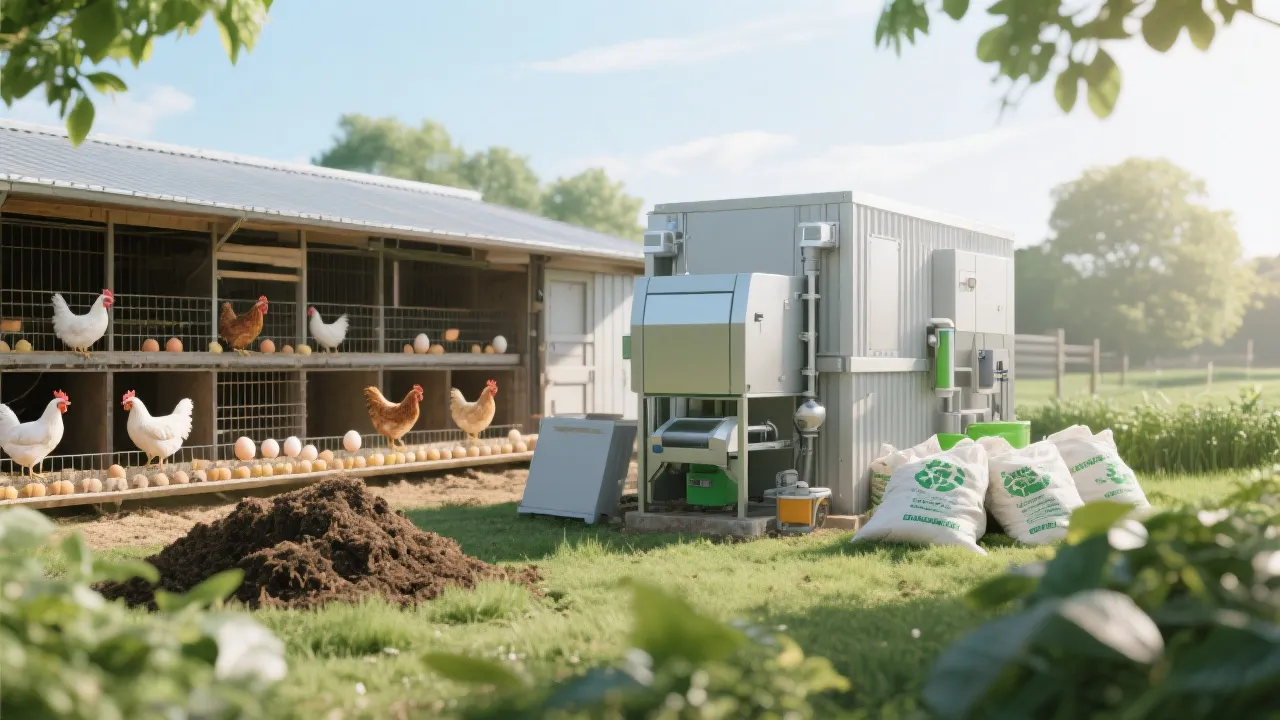
The integration of ISO 14001 environmental management guidelines empowers farms to systematize manure handling for resource recovery. Manure collected via mechanical scrapers can be processed through composting or anaerobic digestion to produce organic fertilizers and biogas, respectively. Deploying these processes reduces greenhouse gas emissions by up to 40% compared to untreated waste, provides renewable energy, and creates additional farm income streams.
Case Study: Energy Savings in a Commercial Poultry Farm
A mid-sized poultry farm upgraded its scraper system controls and adopted IE3 motors in conjunction with a synchronized ventilation scheme. Over six months, the farm recorded:
- Energy consumption reduction of 18% on scraper operations
- Annual savings of approximately 7,200 kWh, translating to about $1,000 in energy cost savings
- Significant improvement in barn air quality, with ammonia reductions reaching 25%
Interactive Poll
Your poultry farm’s manure management efficiency — how optimized is your scraper system?




Hot Products

.jpg?x-oss-process=image/resize,m_fill,h_800,w_800/format,webp)


Popular articles






READY TO START?
Ready to Build Your Poultry Farm?
Tell us your land size, poultry type and farming capacity. LIVI will provide a complete farm solution for your project.