


Comprehensive Guide to Egg - Laying Hen Farming Environment Regulation: From Temperature - Humidity Monitoring to Daily Maintenance

A Practical Guide to Environmental Control in Laying Hen Farming
In the realm of laying hen farming, the quality of the environment plays a pivotal role in determining the laying rate and egg quality. This guide delves into the key aspects of environmental control, from temperature and humidity monitoring to daily maintenance, with real - world cases and practical data to provide you with a comprehensive understanding.
The Impact of Temperature and Humidity on Laying Performance
Studies have shown that proper temperature and humidity in the hen house can significantly increase the laying rate. For example, when the temperature is maintained between 18 - 23°C and the relative humidity between 50% - 70%, hens are less likely to experience stress, and their laying performance can be optimized. In contrast, high temperatures above 30°C can lead to heat stress, causing a drop in the laying rate by up to 15%.
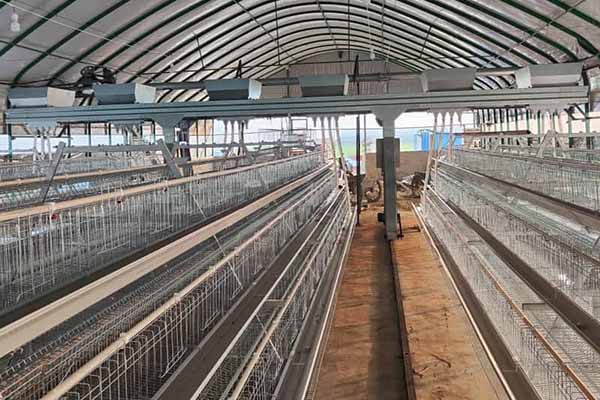
Scientific Airflow Organization: Side Wall Inlet + Top Exhaust
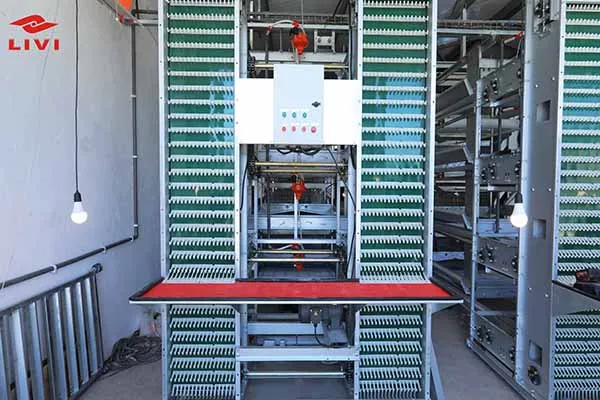
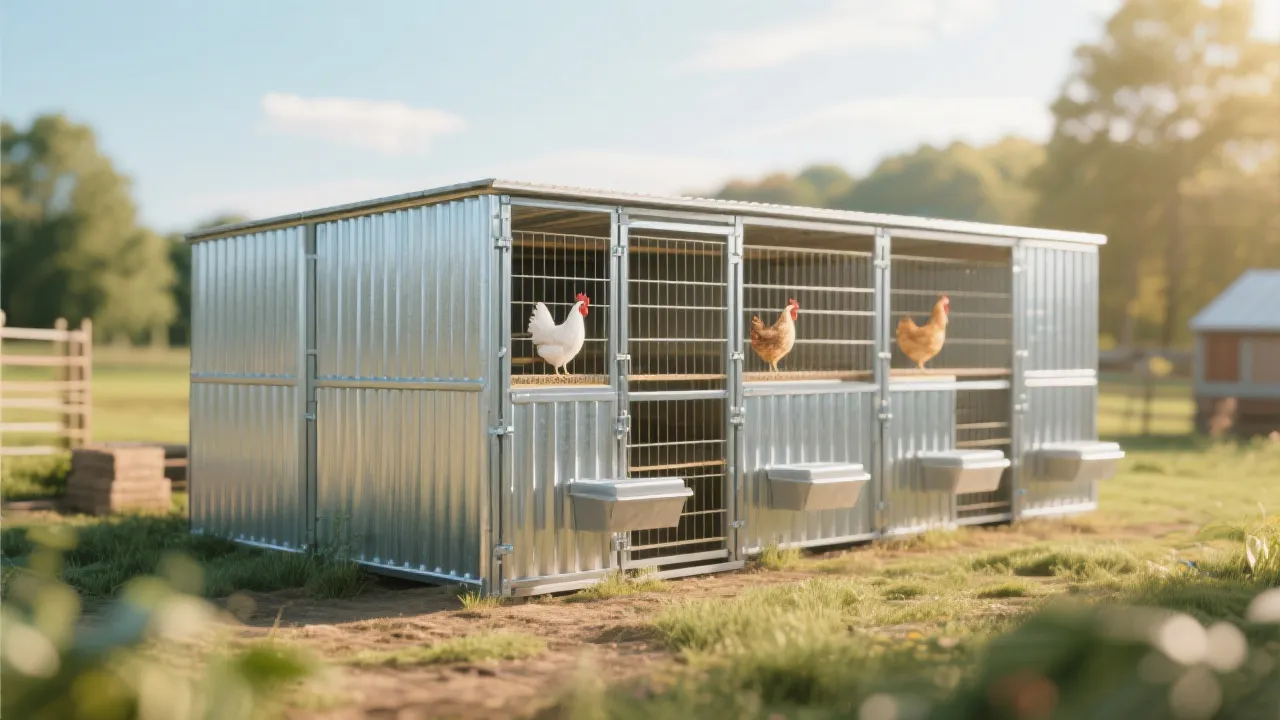
Zhengzhou Livi Machinery's efficient H - type laying hen cages are equipped with a side wall inlet and top exhaust system, which creates a scientific airflow organization. This system helps to maintain a stable environment inside the hen house by continuously replacing the stale air with fresh air. A case study from a large - scale farm showed that after installing this system, the ammonia concentration in the hen house decreased by 30%, which directly contributed to better respiratory health of the hens and an increase in the laying rate.
The Advantages of Aluminum - Zinc Alloy Coating
The use of aluminum - zinc alloy coating in the H - type laying hen cages has remarkable anti - rust and anti - corrosion properties. This coating can extend the service life of the cages by up to 5 years. In a humid environment, traditional uncoated cages may start to rust within a year, while the aluminum - zinc alloy coated cages remain intact. This not only reduces the replacement cost but also ensures the long - term stable operation of the farm.
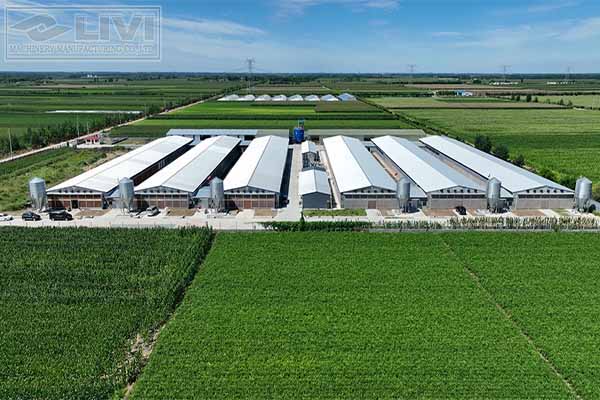
Practical Monitoring Methods and Maintenance Tips
To effectively control the environment, farmers need to regularly monitor temperature and humidity. Using digital sensors can provide real - time data, allowing farmers to make timely adjustments. For example, if the temperature is too high, the ventilation system can be adjusted to increase the air exchange rate. In terms of maintenance, regular cleaning of the cages, ventilation ducts, and water pipes can prevent the growth of bacteria and ensure the normal operation of the equipment.
Automation and Integration in Laying Hen Farming
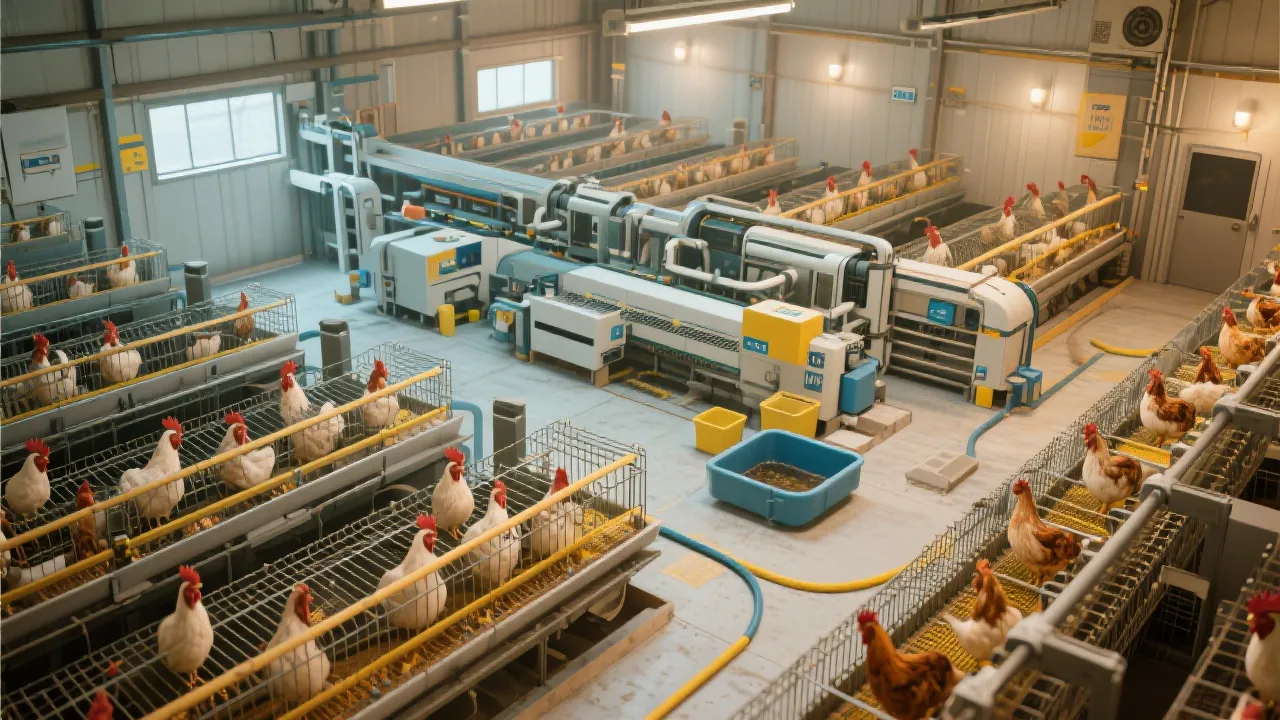
The integration of automation equipment in laying hen farming is becoming increasingly important. Automated feeding systems, water supply systems, and environmental control systems can not only improve work efficiency but also reduce labor costs. Some large - scale farms have reported a 20% reduction in labor costs after introducing automation equipment.
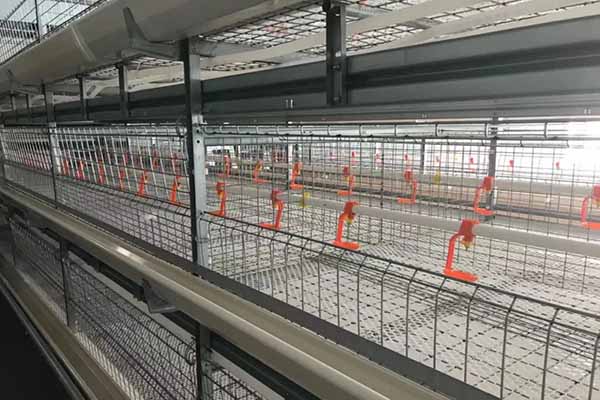
By implementing the environmental control strategies and maintenance tips in this guide, farmers can create a more efficient and healthy laying hen farm, significantly improving egg quality and overall farming profits. If you want to learn more about the advanced technologies in laying hen farming and get professional advice from our experts, please visit our official website.




Hot Products

.jpg?x-oss-process=image/resize,m_fill,h_800,w_800/format,webp)


Popular articles






READY TO START?
Ready to Build Your Poultry Farm?
Tell us your land size, poultry type and farming capacity. LIVI will provide a complete farm solution for your project.