


Egg Chicken Cage ISO Certification Explained: Ensuring Compliance with ISO 9001 and ISO 14001 Standards
Understanding ISO Certification for Poultry Cages: How to Meet Global Standards in Quality and Sustainability
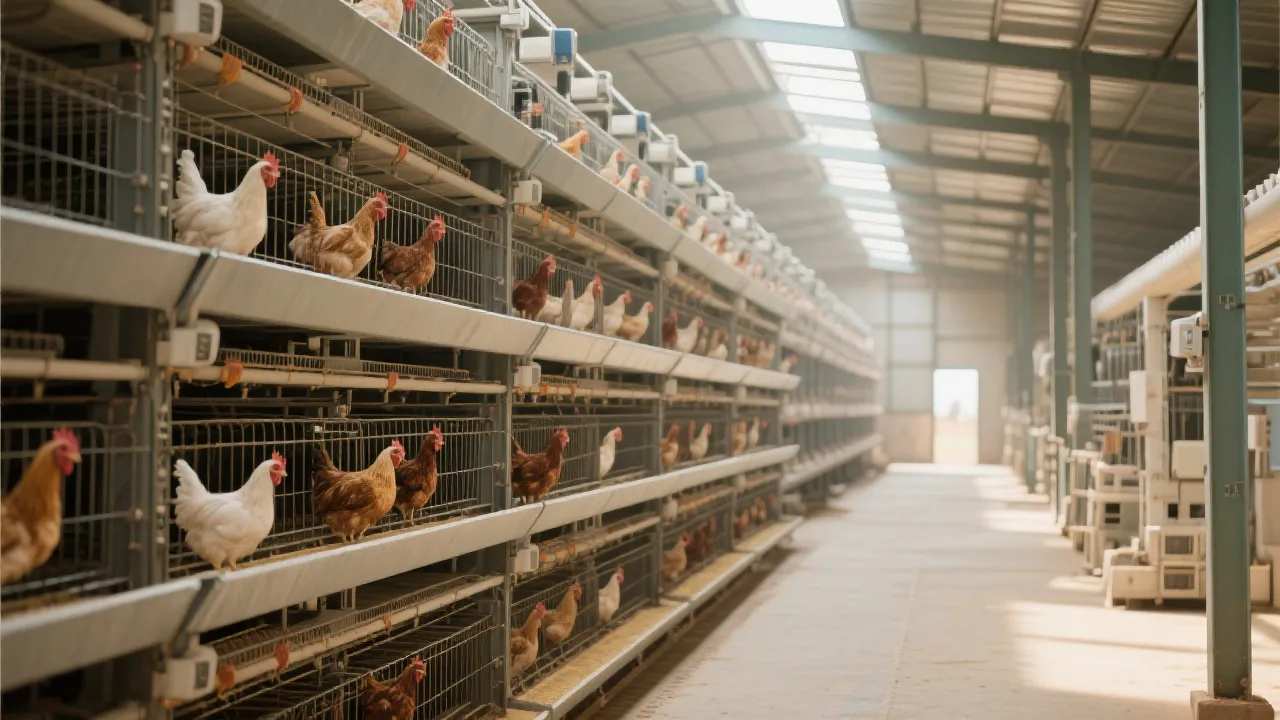
In today’s global poultry market, compliance isn’t just a checkbox—it’s a competitive advantage. For egg producers investing in modern housing systems like automated poultry cages, understanding the role of ISO 9001 (Quality Management) and ISO 14001 (Environmental Management) is essential for long-term operational excellence.
The Core Requirements Behind the Certifications
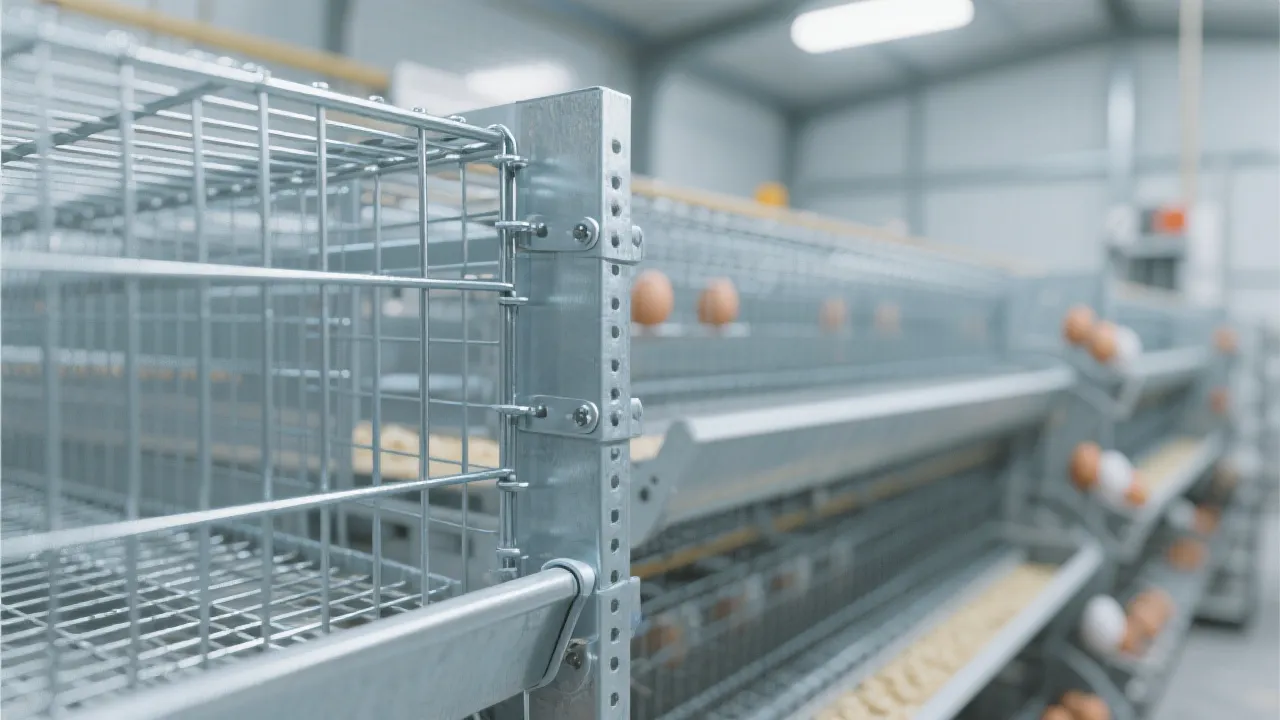
ISO 9001 mandates systematic documentation, process control, and continuous improvement across all stages—from raw material sourcing to final product delivery. In practice, this means every batch of chicken cages must undergo rigorous testing for weld integrity, galvanization thickness (minimum 50 μm per ASTM A123), and load-bearing capacity (tested up to 1.5x maximum live load).
Meanwhile, ISO 14001 focuses on reducing environmental impact through waste reduction, energy efficiency, and responsible chemical use. For example, manufacturers certified under ISO 14001 typically reduce wastewater discharge by 30–40% compared to non-certified facilities—a key factor when exporting to EU markets where Ecodesign directives are tightening.
Why CE Marking Matters for International Market Access
While not a quality certification itself, CE marking ensures your equipment meets European health, safety, and environmental standards. It’s mandatory for any poultry cage sold in the EU—and often required by buyers in the Middle East and North Africa as well.
A recent study by the European Commission found that 78% of farm equipment imports into Germany were rejected due to missing or incorrect CE documentation—highlighting how critical it is to integrate compliance early in the design phase.
From Design to Daily Maintenance: A Real-World Example
A large-scale layer farm in Spain implemented an ISO-aligned maintenance protocol using digital checklists and IoT-enabled sensors. They reduced cage-related downtime by 45% over six months while cutting maintenance costs by €12,000 annually. Their success? Standardized inspection routines based on ISO 9001’s preventive action framework.
This approach includes monthly audits of cage frame stability, biweekly checks on feeder belt alignment, and quarterly assessments of ventilation system efficiency—all logged in a centralized database accessible to both operations and quality teams.
How to Build a Sustainable Cage Operations Framework
Start with supplier audits: Only work with steel providers who can prove traceability and consistent zinc coating quality. Then implement a closed-loop water recycling system for cleaning—reducing freshwater usage by up to 60%, according to FAO data.
Finally, train staff not just on technical procedures but on why they matter. When employees understand that proper cage maintenance directly impacts bird welfare and egg hygiene, compliance becomes part of culture—not just policy.
By aligning your poultry cage production with international standards, you’re not just meeting regulatory demands—you’re building trust with global buyers, enhancing brand reputation, and future-proofing your business against evolving market expectations.
Ready to Upgrade Your Poultry Equipment with Certified Quality?
Explore our range of ISO 9001 & ISO 14001-compliant poultry cages designed for durability, efficiency, and eco-friendly farming.
Get Certified Solutions Now →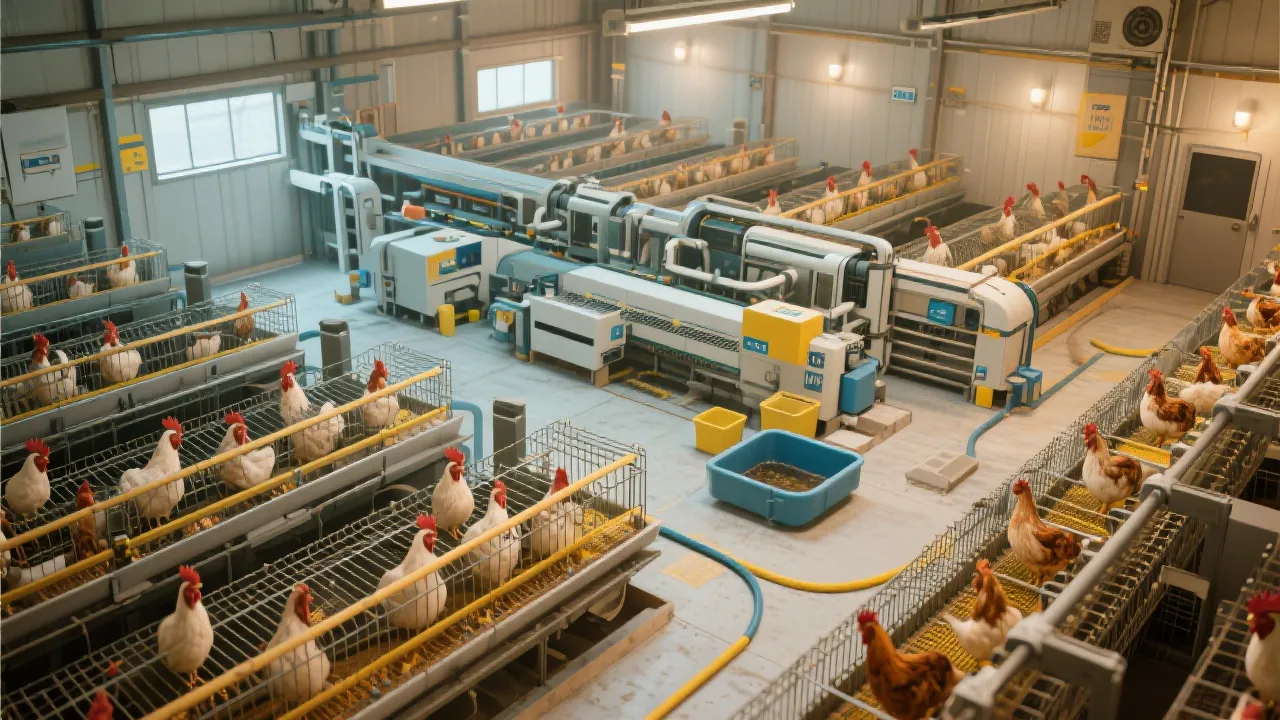



Hot Products

.jpg?x-oss-process=image/resize,m_fill,h_800,w_800/format,webp)


Popular articles





READY TO START?
Ready to Build Your Poultry Farm?
Tell us your land size, poultry type and farming capacity. LIVI will provide a complete farm solution for your project.