


Egg Chicken Cage Coating Guide: Hot-Dip Galvanizing vs. Aluminum-Zinc Alloy
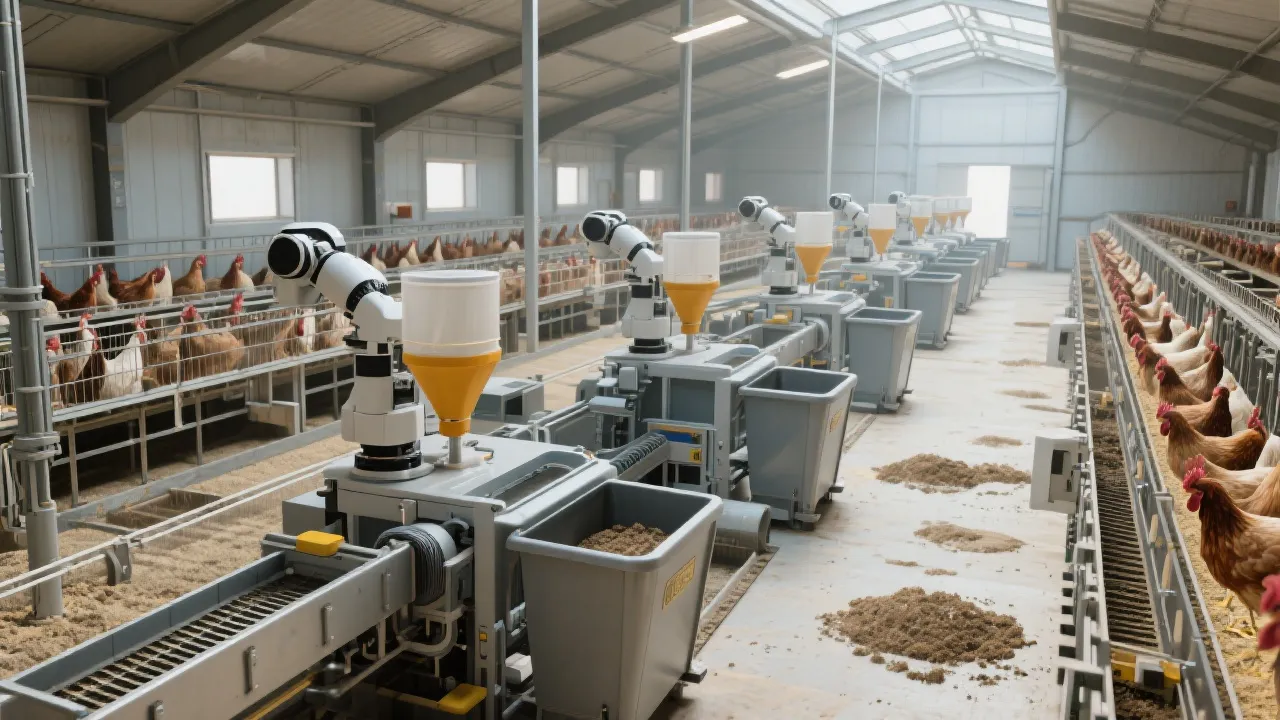
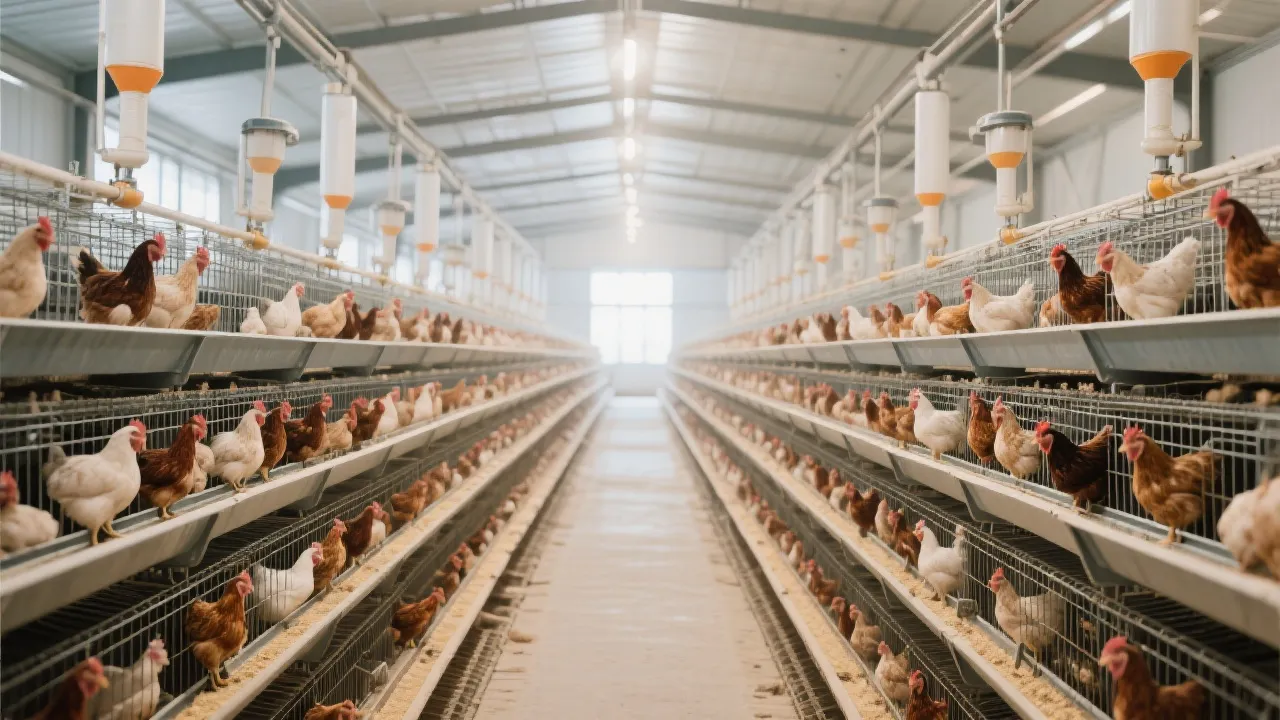
For poultry farmers, the battle against corrosion is constant and unforgiving. The high humidity, ammonia-rich environment of layer houses creates the perfect storm for metal degradation, turning even the sturdiest equipment into a maintenance headache within just a few short years. But what if there was a way to extend your cage system's lifespan to 15-20 years while drastically reducing maintenance costs? The answer lies in choosing the right protective coating technology.
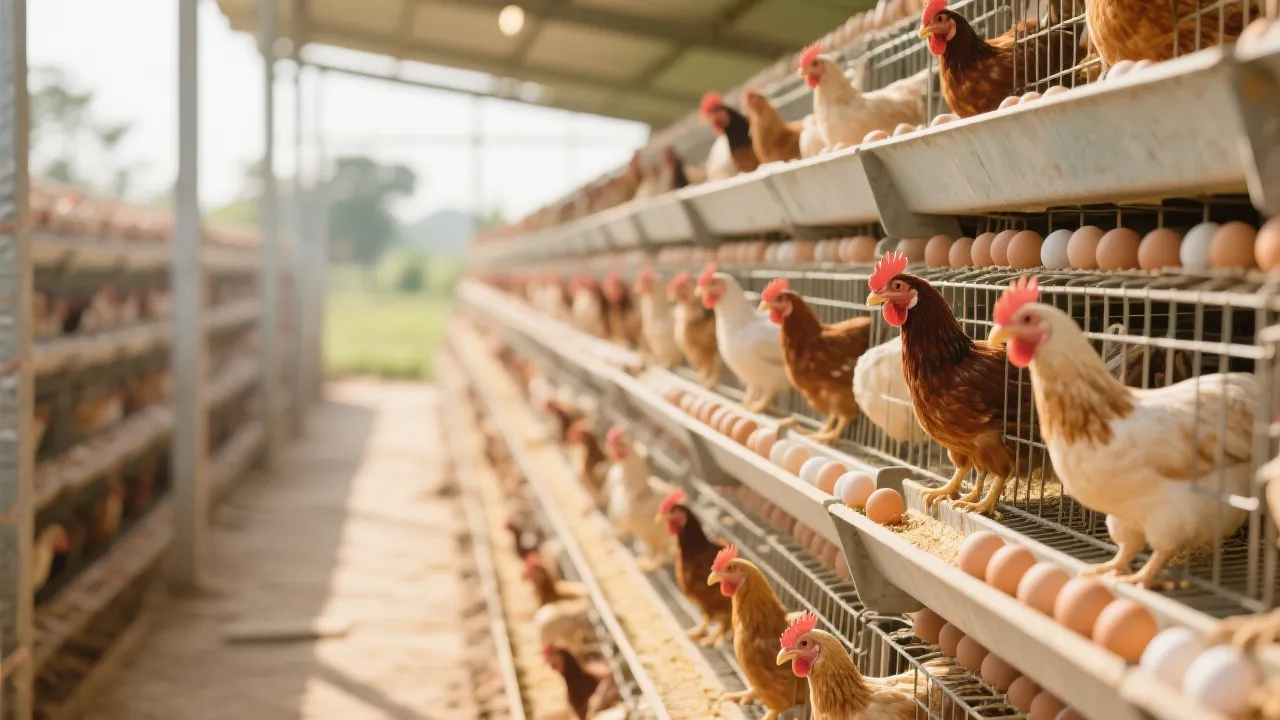
The Hidden Costs of Corrosion in Poultry Housing
Corrosion isn't just an aesthetic issue—it directly impacts your bottom line. Studies show that poultry farmers spend an average of $0.12 per bird annually on cage maintenance and replacement due to corrosion-related issues. In a 50,000-bird operation, that translates to $6,000 per year in avoidable expenses. Worse yet, unexpected equipment failure can disrupt operations and compromise bird welfare.
The poultry house environment is uniquely harsh: relative humidity often exceeds 75%, ammonia levels can reach 20ppm, and temperature fluctuations accelerate metal fatigue. Traditional coating solutions simply weren't designed to withstand these conditions long-term.
Understanding Coating Technologies: A Comparative Analysis
1. Spray Coating: The Budget Option with Limited Lifespan
Spray coatings, while initially inexpensive at $2-4 per square meter, typically last only 2-3 years in poultry environments. The thin polymer layer offers minimal protection against ammonia and moisture, often developing cracks within the first year of use. These cracks quickly become entry points for corrosion, leading to premature failure.
2. Cold Galvanizing: False Economy in Harsh Environments
Cold galvanizing, applying zinc-rich paint via spray or brush, provides marginally better protection than standard spray coatings. With a zinc content of 60-95%, it offers some sacrificial protection but lacks the bonding strength of hot-dip processes. Expect 3-5 years of service in moderate conditions, but often less than 3 years in high-ammonia layer houses.
3. Hot-Dip Galvanizing: The Industry Standard for Durability
Hot-dip galvanizing involves immersing steel components in molten zinc at 450°C, creating a metallurgically bonded coating of 85-120 microns thickness. This process delivers exceptional corrosion resistance, typically 10-15 years of service life in poultry environments. The zinc forms a protective patina that actively prevents rust formation, even when minor scratches occur.
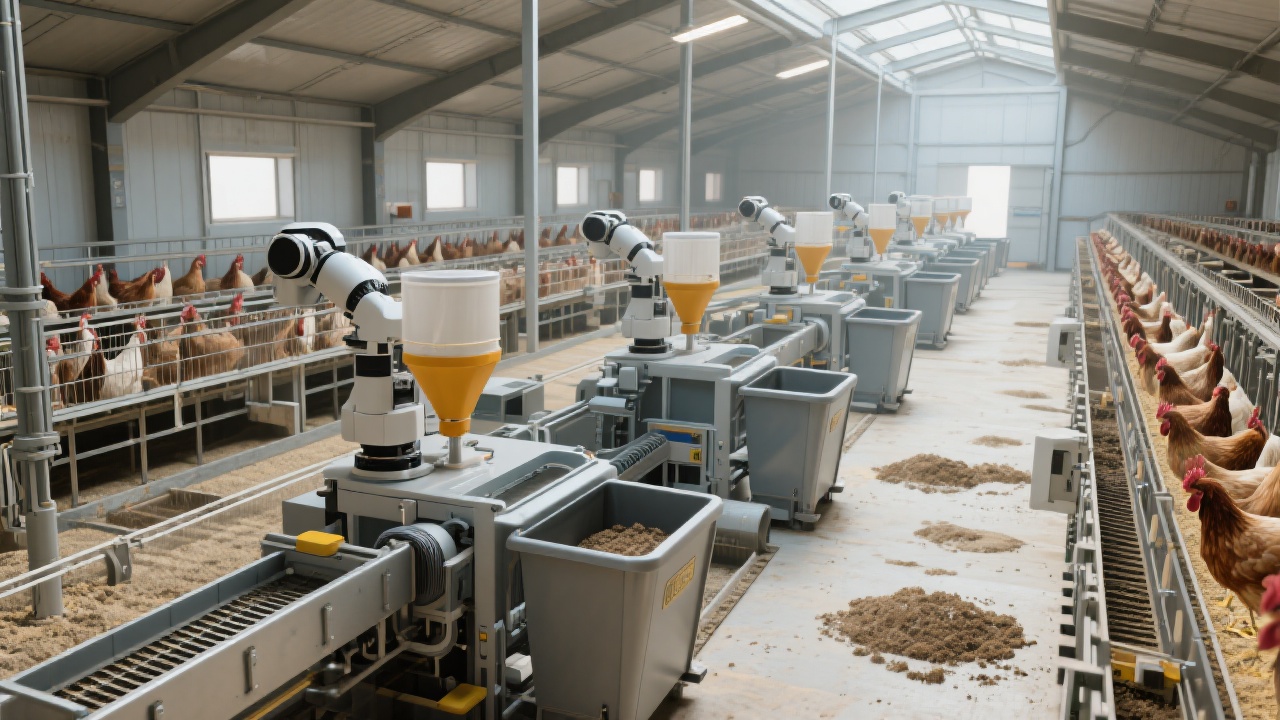
4. Aluminum-Zinc Alloy: The Advanced Protection Solution
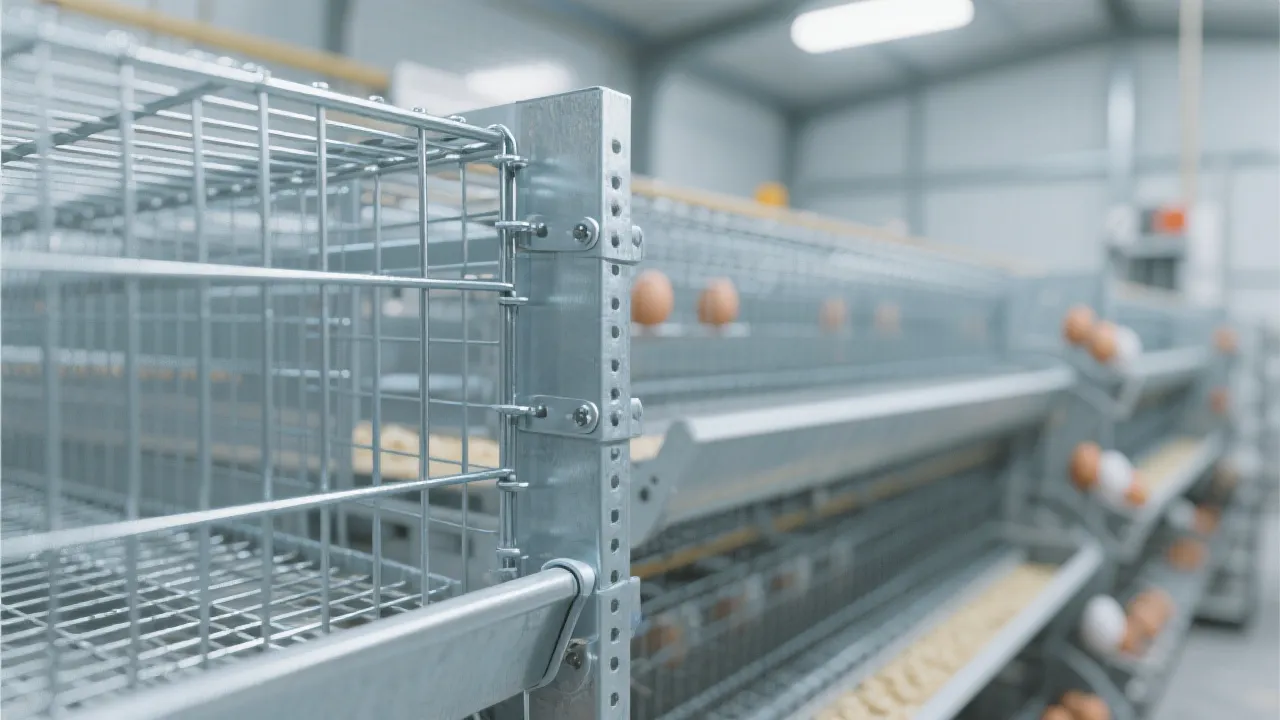
Aluminum-zinc alloy coatings represent the pinnacle of corrosion protection technology for poultry equipment. Composed of 55% aluminum, 43.5% zinc, and 1.5% silicon, this coating offers superior performance in aggressive environments. The alloy forms a dense, self-healing oxide layer that provides up to 20 years of protection—50% longer than traditional hot-dip galvanizing in identical conditions.
Climate-Specific Performance: Real-World Data
Environmental conditions significantly impact coating performance. Our research across major poultry-producing regions reveals striking differences:
Coating Lifespan by Climate Zone (Years)
| Coating Type | Humid Southern Regions | Cold Northern Regions | Coastal/High Ammonia |
|---|---|---|---|
| Spray Coating | 1-2 | 2-3 | 0.5-1.5 |
| Cold Galvanizing | 2-3 | 3-4 | 1.5-2.5 |
| Hot-Dip Galvanizing | 8-12 | 10-15 | 7-10 |
| Aluminum-Zinc Alloy | 12-17 | 15-20 | 10-15 |
The Science Behind Superior Protection
What makes aluminum-zinc alloy coatings so effective? The secret lies in their unique protection mechanism:
- Galvanic Protection: The zinc component acts as a sacrificial anode, corroding preferentially to protect the underlying steel
- Barrier Protection: The aluminum forms a dense, impermeable oxide layer that blocks moisture and ammonia penetration
- Self-Healing Properties: When scratched, the alloy components migrate to seal the damage, preventing corrosion spread
- Thermal Stability: Maintains integrity across the wide temperature fluctuations common in poultry housing
Practical Maintenance: Maximizing Your Investment
Even the best coatings require proper maintenance to achieve their full lifespan potential. Implement this inspection and maintenance schedule:
Proactive Coating Maintenance Schedule
- Monthly: Visual inspection for signs of damage, paying special attention to high-stress areas and weld points
- Quarterly: Clean cage surfaces with mild detergent to remove ammonia salts and organic residues
- Annually: Conduct thickness testing using a magnetic gauge; recoat if thickness falls below 60 microns
- After power washing: Inspect thoroughly and touch up any damaged areas immediately
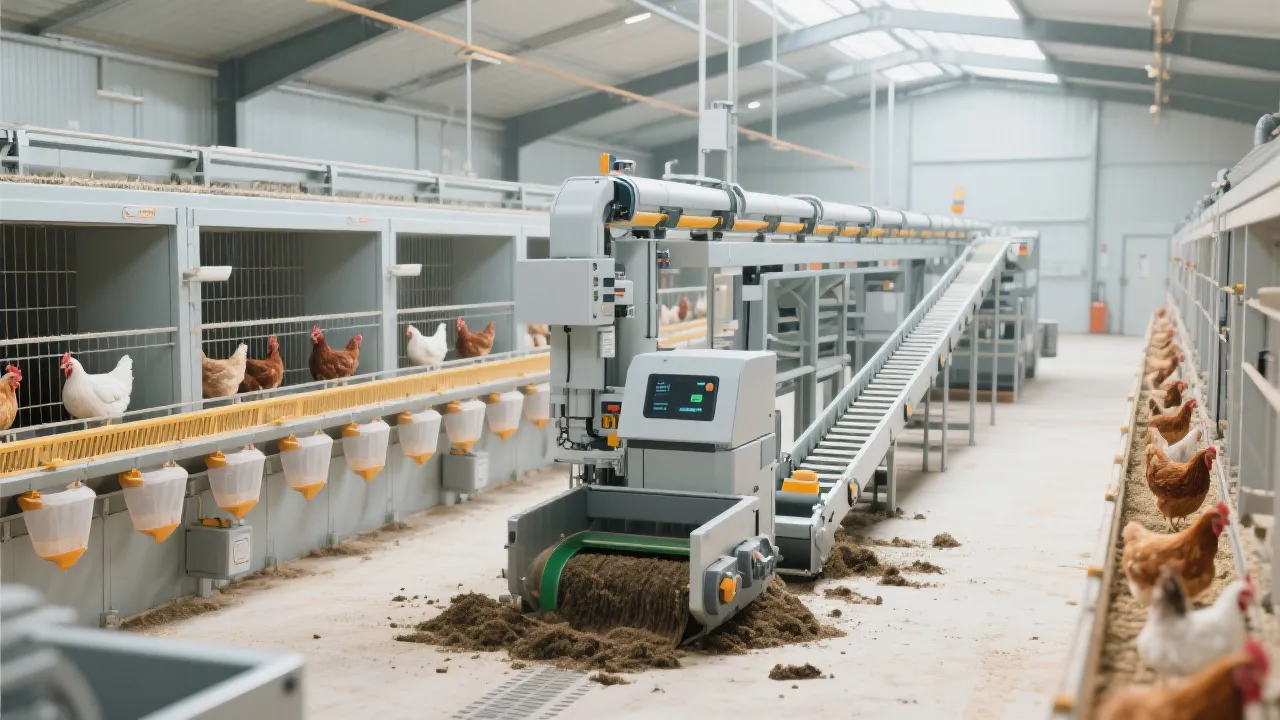
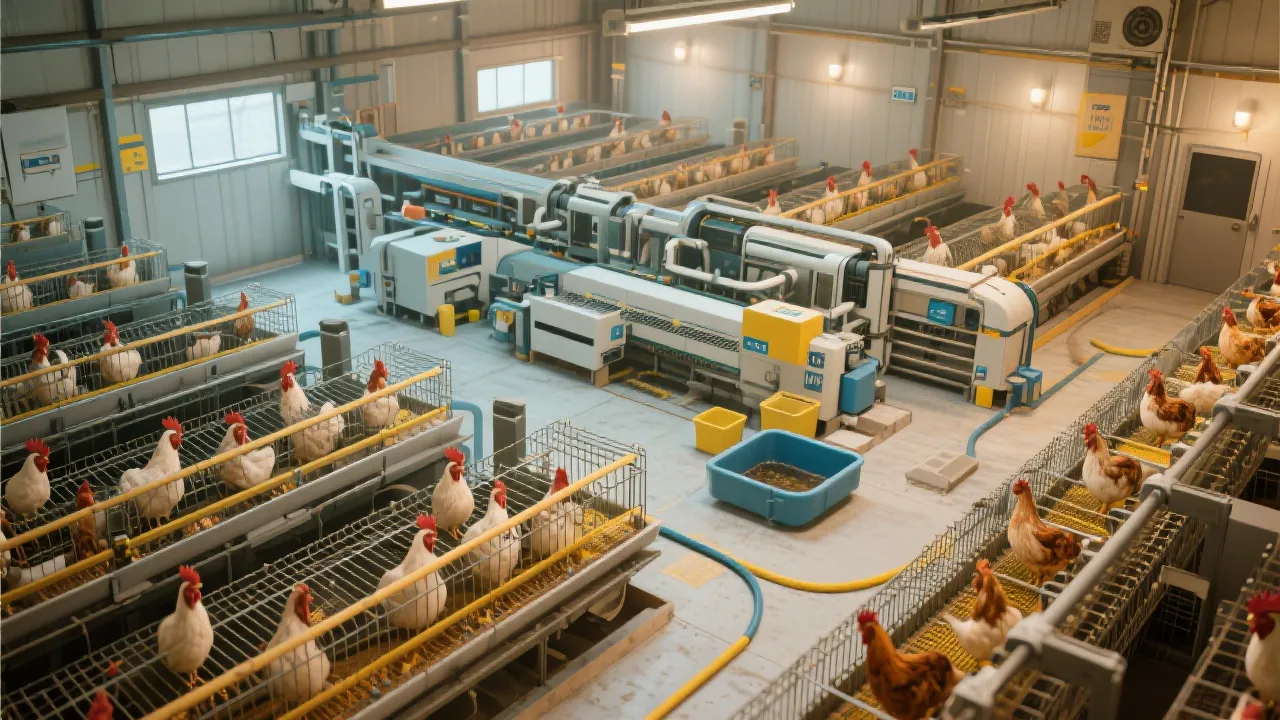
Corrosion Resistance in the Age of Automated Poultry Farming
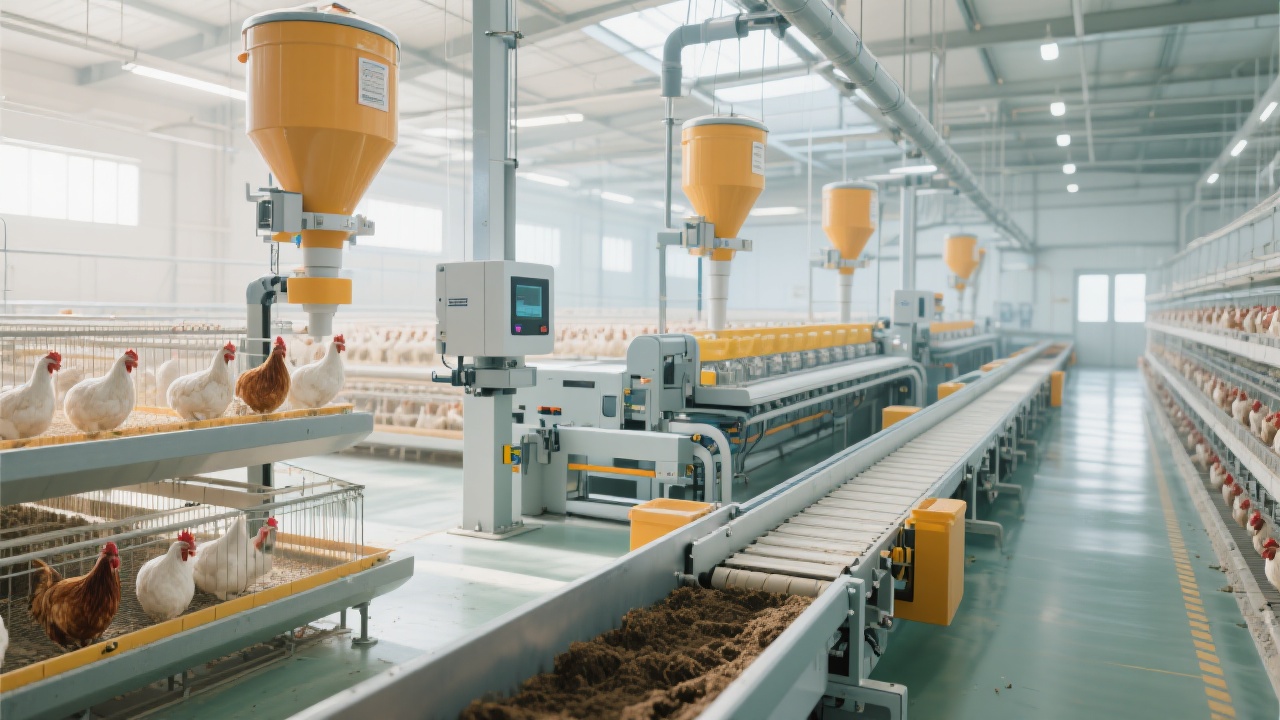
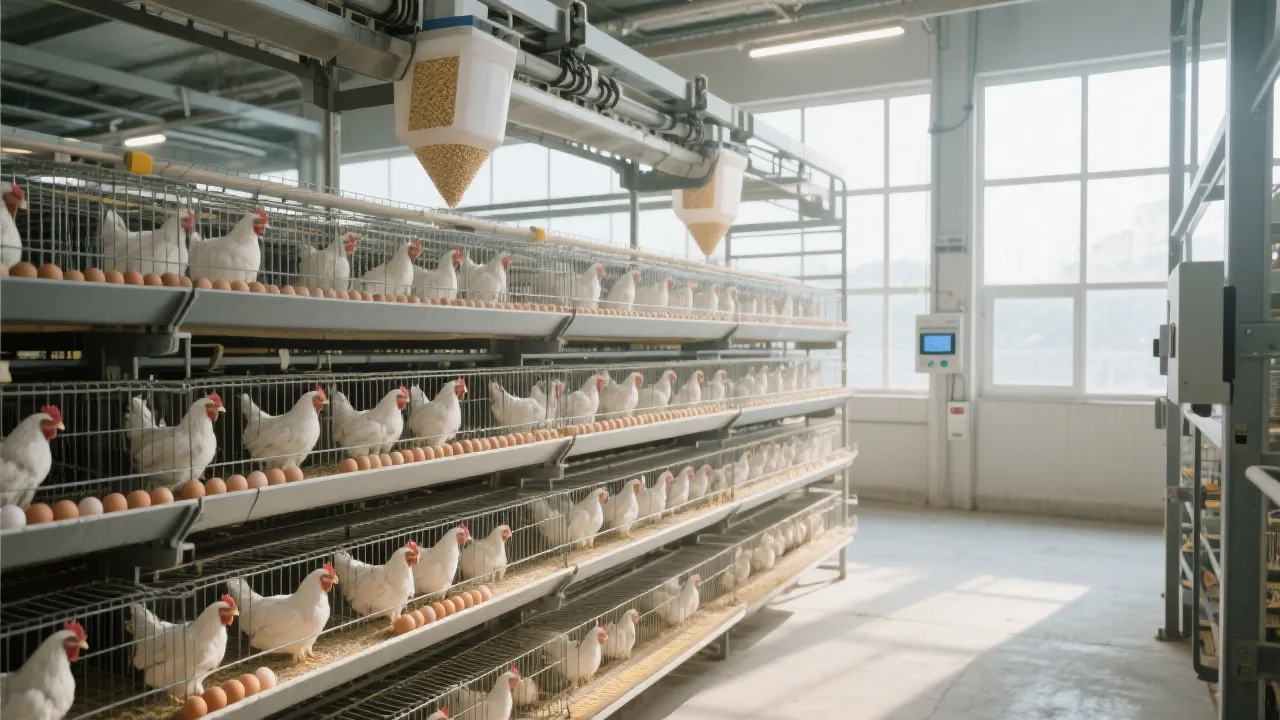
As poultry operations increasingly adopt automation, the reliability of equipment becomes more critical than ever. A single corroded component can disrupt the entire production chain, from feeding to egg collection.
Modern automated systems place new demands on equipment: moving parts must maintain precision even after years of exposure to the harsh coop environment. This is where advanced coating technologies prove their worth—not just extending equipment life, but ensuring consistent performance throughout that lifespan.
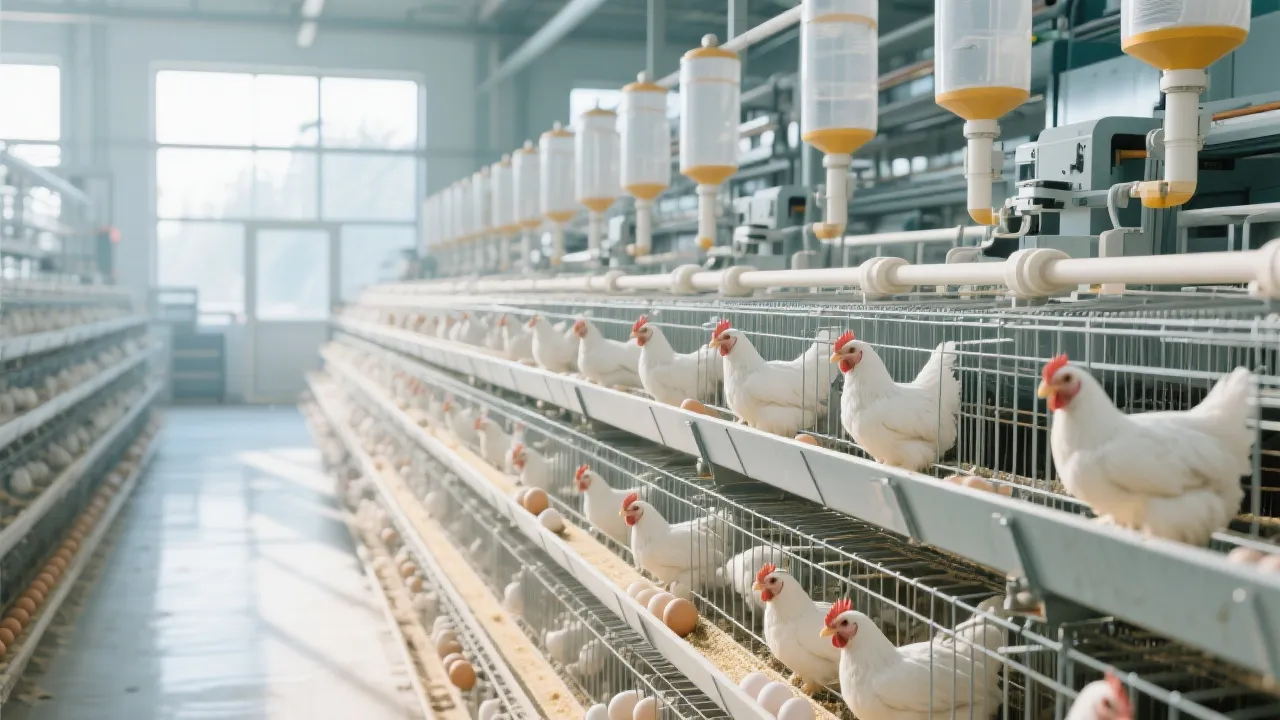
Consider this: a typical automated layer house represents a significant investment. Protecting that investment with premium coatings translates to predictable performance, reduced downtime, and lower total cost of ownership over the system's lifetime.
Making the Right Choice for Your Operation
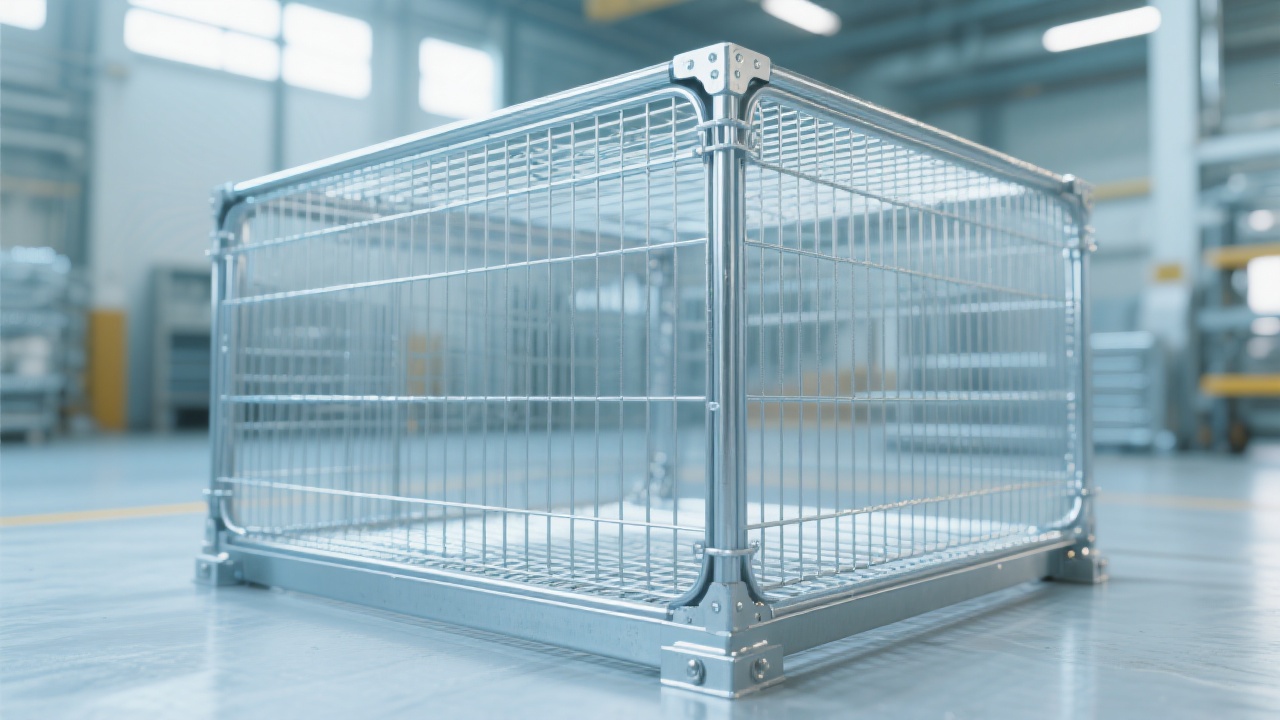
When evaluating egg cage systems, don't be swayed by initial price alone. Consider the total cost of ownership over a 10-year period:
- Budget coatings may save 10-15% upfront but require complete replacement in 3-5 years
- Hot-dip galvanizing offers excellent value with 10-15 years of service life
- Aluminum-zinc alloy, while representing a higher initial investment, delivers the lowest cost per year of service at just $0.03 per bird annually over a 15-year lifespan
For forward-thinking producers planning for long-term sustainability and efficiency, aluminum-zinc alloy coatings represent the smartest investment in equipment protection.
Ready to Invest in 15-20 Years of Corrosion Protection?
Discover how Zhengzhou Livi Machinery's advanced aluminum-zinc alloy coated H-type layer cages can transform your operation's efficiency and reduce long-term costs.
Get Your Customized Corrosion Protection SolutionNote: All performance data based on independent third-party testing in actual poultry production environments. Individual results may vary based on specific operational conditions and maintenance practices.


Hot Products

.jpg?x-oss-process=image/resize,m_fill,h_800,w_800/format,webp)


Popular articles



READY TO START?
Ready to Build Your Poultry Farm?
Tell us your land size, poultry type and farming capacity. LIVI will provide a complete farm solution for your project.