


Efficient H-Type Layer Chicken Cages and Automated Equipment: The Optimal Solution for Intelligent Poultry Farming

Unlocking Efficiency with H-Type Layered Hen Cages in Modern Poultry Farming
As the commercial egg industry scales rapidly worldwide, optimizing space utilization, improving animal welfare, and reducing labor costs have become pivotal. Zhengzhou Livi Machinery’s newly launched high-efficiency H-type layered hen cage system is engineered to meet these emerging demands by integrating advanced design principles with automation technologies.
Innovative H-Type Design: Maximizing Space While Ensuring Comfort
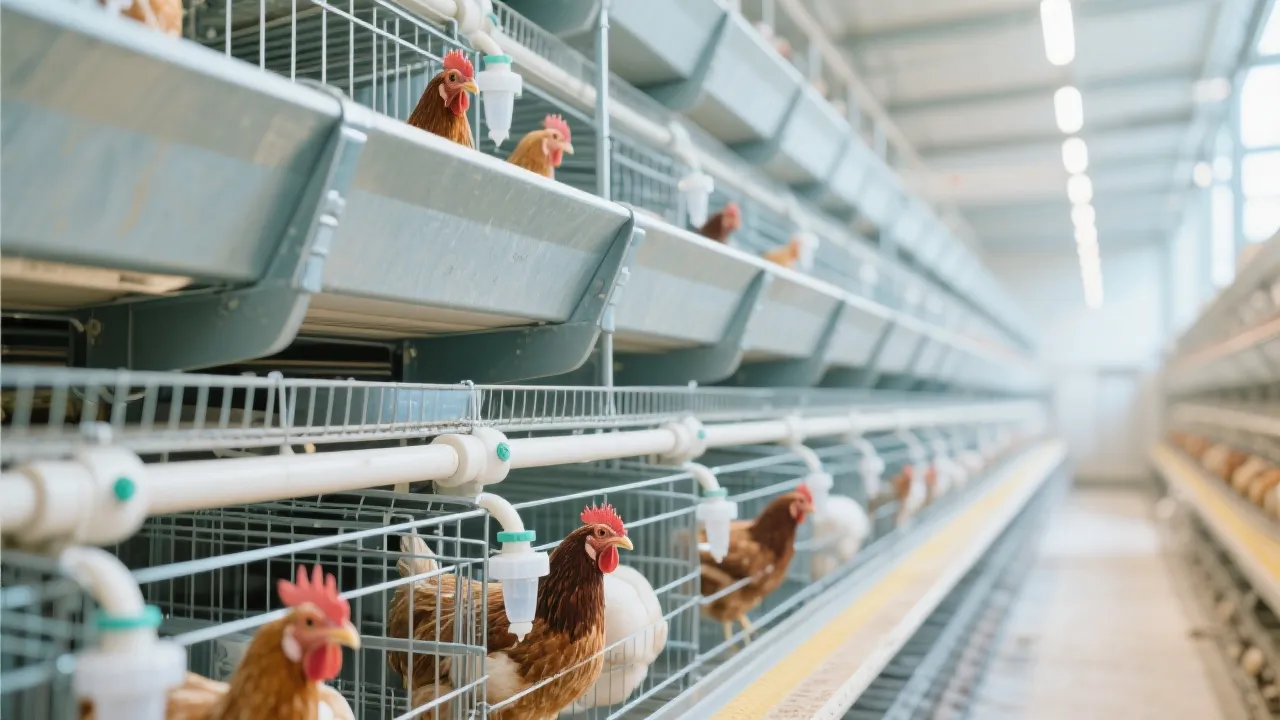
The core innovation of the H-type layered hen cage lies in its unique spatial layout that enhances vertical space utilization without compromising the hens’ comfort. Featuring multi-tiered cages arranged in an H-shaped structure, producers can increase their stocking density by approximately 30%-40% compared to conventional linear cages. This allows for up to 12-15 hens per square meter, optimizing barn footprint efficiency.
Importantly, the system balances density with welfare: ergonomic cage dimensions, improved perching areas, and adequate spacing comply with international animal welfare standards, reducing stress and promoting healthier flocks. Numerous studies indicate that hens housed in optimized cage environments show up to 10% higher laying rates due to reduced behavioral stressors.
Automated Egg Collection: Streamlined Process for Reduced Labor and Loss
One of the standout features is the fully automated egg collection system. Equipped with gentle conveyor belts and sensor technology, eggs are precisely transported from cages to centralized collection points, minimizing breakage and manual handling errors.
Data from real-world deployments reveal a labor reduction of up to 60% in egg collection tasks, translating to significant cost savings and operational consistency. Automated collection also allows for real-time monitoring of egg production metrics, enabling data-driven management decisions.
Eco-Friendly Manure Handling: Automated Waste Cleaning System
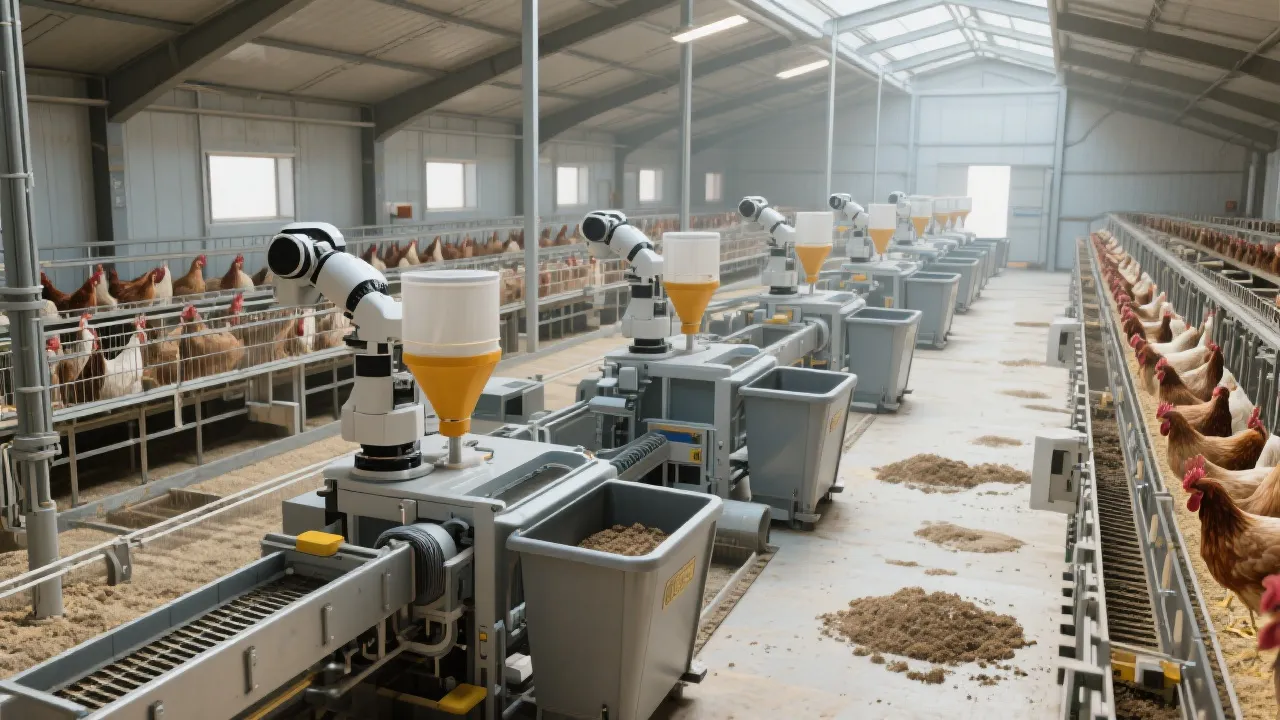
Effective manure management is essential for maintaining hygiene and minimizing environmental impact. The H-type cage’s automatic manure scraping and collection mechanism efficiently removes waste and collects it in designated chambers, reducing ammonia emissions by up to 25%. This system supports compliance with environmental regulations and minimizes airborne pathogens, improving both worker and animal health conditions.
Environmental Control: Enhancing Productivity Through Optimal Ventilation and Temperature Regulation
Maintaining a stable and comfortable microclimate within the poultry house is critical. Integrated ventilation systems combined with advanced temperature control technology keep ambient conditions within ideal ranges (18–24°C and 50-70% humidity). This reduces heat stress and respiratory issues, enabling hens to maintain peak performance. Empirical data shows that a well-regulated environment can boost egg production rates by 8-12% annually.
Real-World Impact: Case Studies and Industry Data
A commercial layer farm in Henan Province implemented the H-type layered cage combined with automated systems and reported a 35% increase in production output within the first six months. Operational costs dropped by 20%, mainly due to reduced manual labor and improved waste management. Such empirical examples reinforce the scalability and ROI of adopting intelligent, space-optimized poultry housing solutions.
Interactive Q&A: Common Buyer Inquiries
- Q1: What is the expected lifespan of the H-type cage system?
- With proper maintenance, the galvanized steel frame and automated components are designed to last 10-15 years, ensuring long-term durability.
- Q2: How does the system handle peak seasonal temperature fluctuations?
- The integrated ventilation and temperature control adapt dynamically to environmental changes, with sensors triggering adjustments automatically to maintain optimal conditions.
- Q3: Can the system be customized for farm-specific requirements?
- Yes, modular design allows for adjustments in cage size, tier numbers, and automation levels to suit varying scales and local regulations.
Industry Recognition and Research Support
Recent reports by the International Poultry Council and animal welfare research organizations corroborate that cage systems with automated environmental controls contribute significantly to sustainable poultry farming goals, reducing carbon footprint while enhancing animal welfare outcomes.




Hot Products

.jpg?x-oss-process=image/resize,m_fill,h_800,w_800/format,webp)


Popular articles






READY TO START?
Ready to Build Your Poultry Farm?
Tell us your land size, poultry type and farming capacity. LIVI will provide a complete farm solution for your project.