


Efficient H-Type Automated Layer Cages | Boost Poultry Farm Efficiency with Smart Solutions

Maximizing Efficiency with Advanced H-Type Automated layer cages
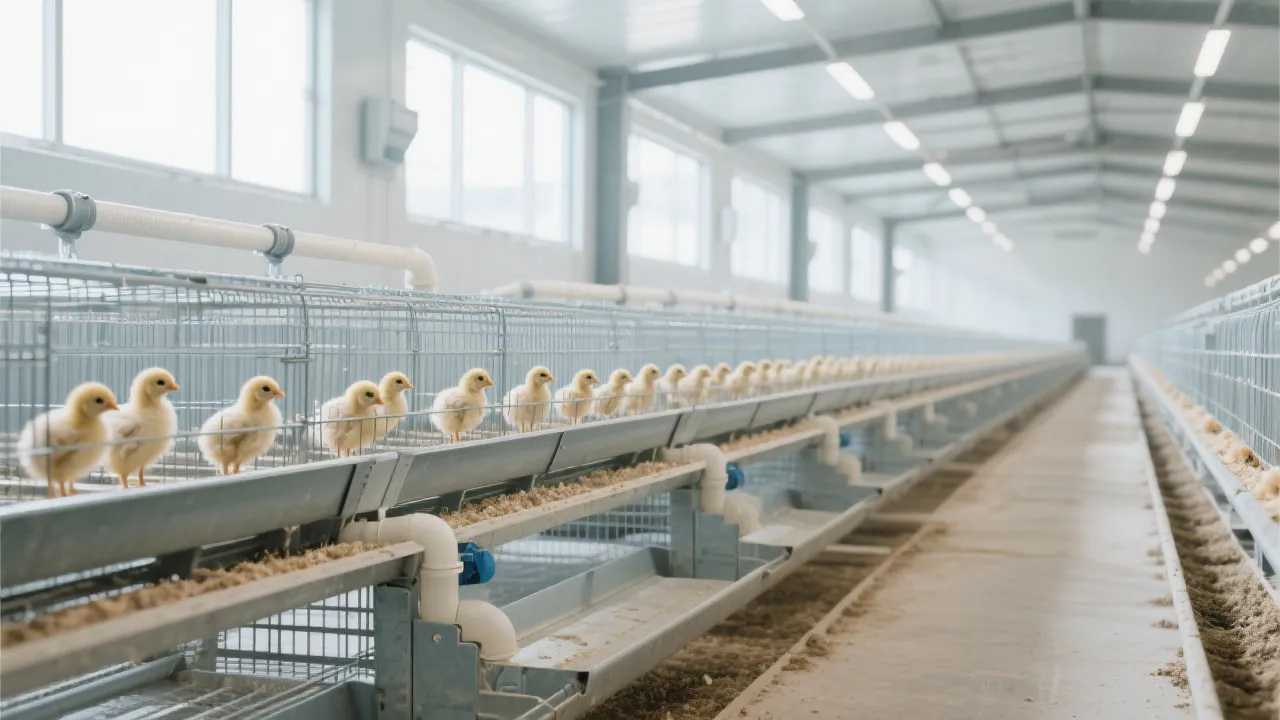
Poultry producers face continuous pressure to improve egg production while reducing operational costs. The H-type automated layer cage system emerges as a reliable answer, blending innovative design with automation to boost the efficiency and profitability of egg farms. This article thoroughly explores how the H-type cage layout optimizes space, automates egg collection and manure management, and integrates climate control systems to enhance hen welfare and output.
1. Optimized H-Structure Design for Space Efficiency
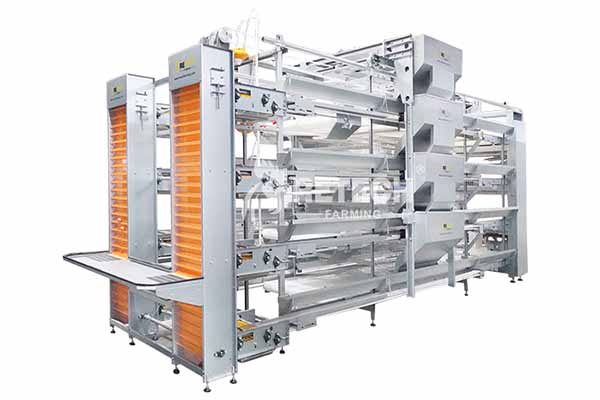
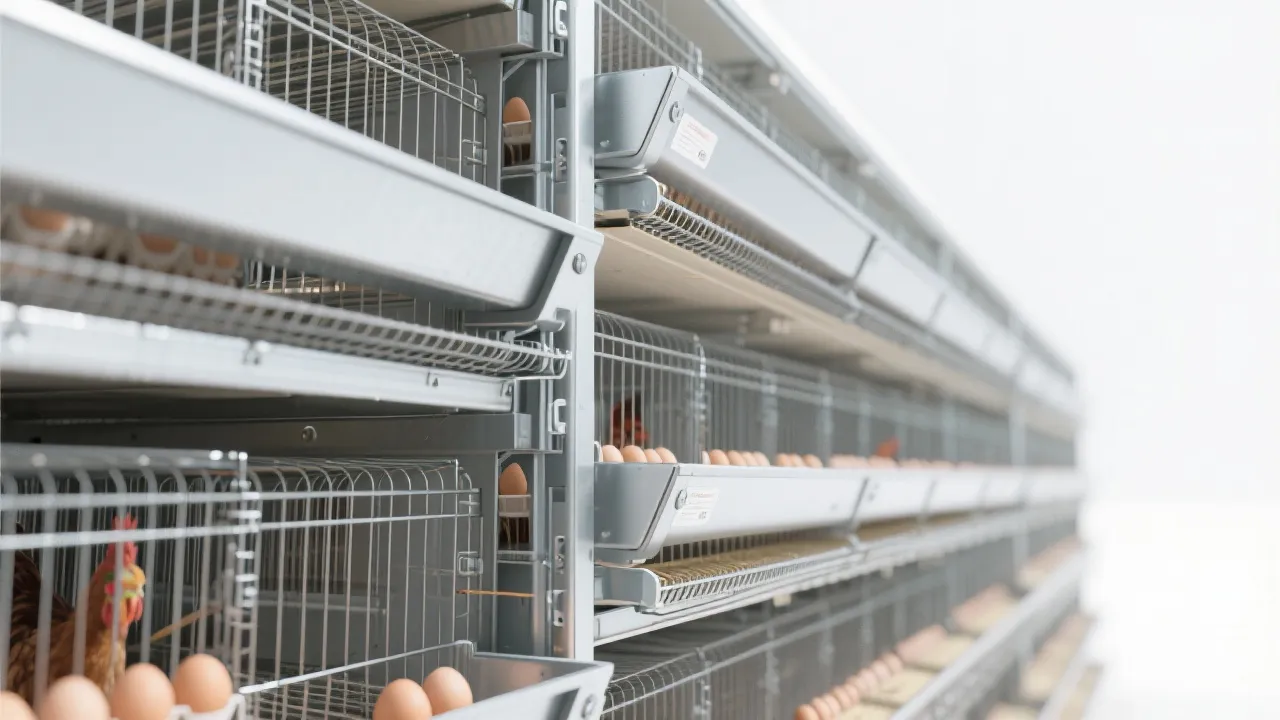
The H-type cage features a double-row, tiered layout that maximizes vertical and horizontal space utilization. This design prioritizes adequate hen mobility within a compact footprint, enabling densities of up to 9–10 birds per square meter without compromising welfare standards. Compared to traditional battery cages, the H-type structure improves floor space efficiency by roughly 25%, facilitating more hens per poultry house and enhancing overall yield.
Industry Insight: According to recent poultry housing studies, spatial designs that optimize vertical stacking with adequate ventilation can increase production capacity by up to 30%, leveraging underutilized cubic volume.
2. Automated Egg Collection System: Streamlining the Process
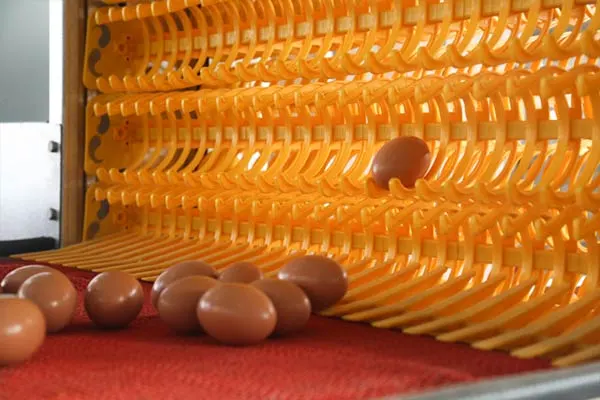
The integrated egg collection system in H-type cages fully automates the movement of eggs from cage fronts through gentle conveyor belts to centralized collection points. This reduces manual labor requirements by 40%-50%, cuts egg breakage rates by approximately 15%, and ensures timely transport to packing areas. The end-to-end egg handling process—from laying to conveyor to crate—minimizes human contact, reducing contamination risks and maintaining elevate egg quality.

3. Manure Removal System: Environmental and Operational Benefits
The automated manure cleaning mechanism leverages sloped flooring with belt conveyors or scrapers, removing waste frequently and efficiently. This continuous waste removal drastically reduces ammonia emissions, supporting a healthier environment. Farms implementing this system report manure removal efficiency improvements exceeding 60% compared to manual cleaning and a notable drop in respiratory issues among flock members.
Environmental Impact: Effective manure management in automated cages can lower nitrogen emissions by an estimated 25%, aligning with stricter agricultural regulations in key export markets.
4. Ventilation and Temperature Control: Enhancing Hen Welfare
Advanced ventilation coupled with temperature regulation systems integrated into the H-type cages mitigate heat stress—a critical factor influencing egg-laying performance. These systems use sensors to monitor in-house temperature, humidity, and airflow, automatically adjusting fans and misting systems as needed. Research confirms that optimal temperature control can increase egg production up to 10% while lowering mortality rates during peak summer months.
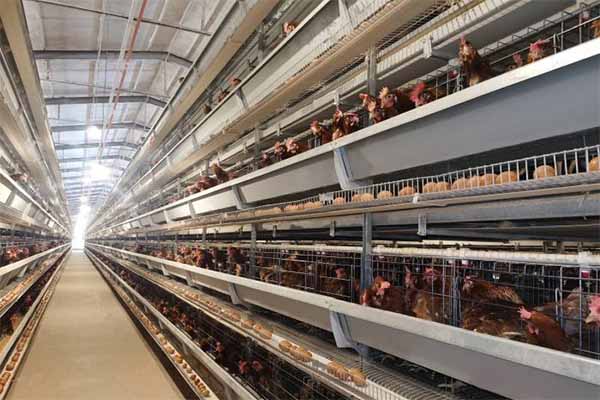
5. Real-World Application: Case Study Highlights
In one commercial poultry operation in the Midwest United States, retrofitting with the H-type automated cages led to a 15% increase in average daily egg production and a 30% reduction in labor costs within the first year. Enhanced environmental controls contributed to a sustained 5% improvement in egg quality grades. This demonstrates the system’s tangible benefits in elevating operational efficiency and product competitiveness.
6. Industry Data Validation: Cost Savings and Efficiency Gains
A recent industry report by AgriTech Analytics quantified that farms adopting automated H-type layer cages can reduce overall production costs by 18–22%, factoring in savings from reduced feed wastage, decreased labor, and enhanced egg output. Furthermore, automation supports compliance with increasingly stringent animal welfare policies in key export destinations, safeguarding market access.
FAQ: Common Inquiries about H-Type Automated Layer Cages
- Q: What is the ideal flock size for installing H-type cages?
- A: The system is scalable, but optimal performance is typically achieved at flock sizes above 5,000 hens to balance upfront investment with efficiency gains.
- Q: How does automated manure removal compare environmentally to traditional methods?
- Automated systems reduce ammonia emissions by up to 25% and minimize ground contamination risks significantly.
- Q: What maintenance is required for the automated egg collection conveyor?
- Routine weekly inspections and quarterly lubrication keep the system operating reliably, with minimal downtime.



Hot Products

.jpg?x-oss-process=image/resize,m_fill,h_800,w_800/format,webp)


Popular articles





READY TO START?
Ready to Build Your Poultry Farm?
Tell us your land size, poultry type and farming capacity. LIVI will provide a complete farm solution for your project.