


Efficient & Durable Layer Chicken Cage Equipment for Large Farms | Structural & Material Insights
How to Choose Efficient and Durable Caging Equipment for Large-Scale Layer Hen Farms
Selecting the right caging system is a critical decision for large-scale egg production operations. It directly impacts the productivity, animal welfare, and operational efficiency of layer hen farms. This article offers an in-depth examination of three pivotal aspects—cage structure design, material technology, and automation systems—that collectively define the performance and lifespan of cage equipment. Backed by industry benchmarks and real-world applications, this analysis aims to empower farm managers with actionable insights for sustainable growth.
Optimizing Cage Structure Design for Space and Welfare
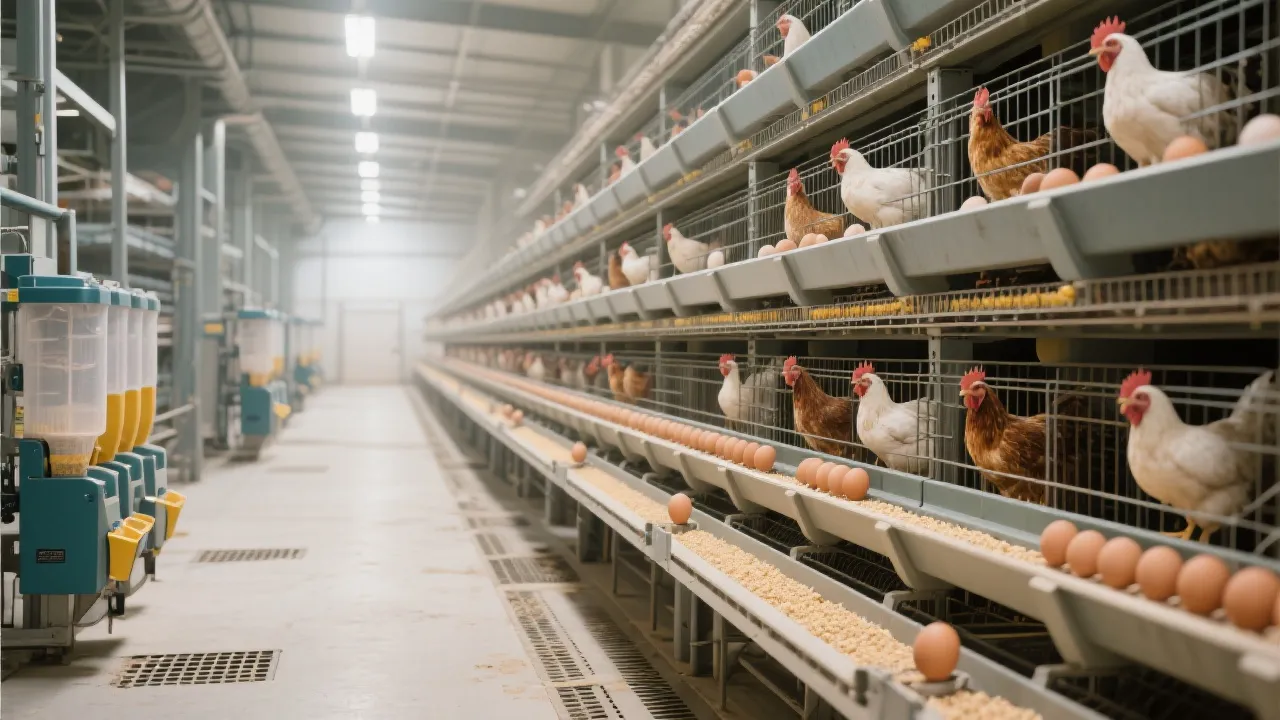
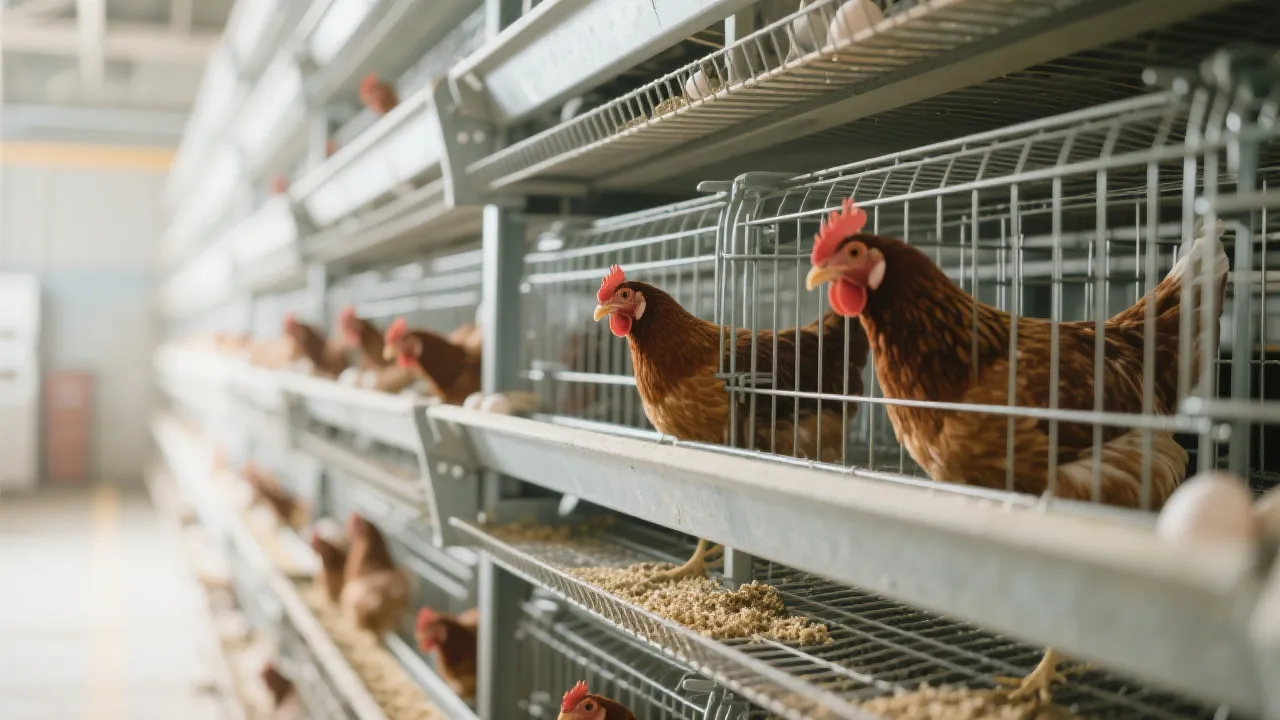
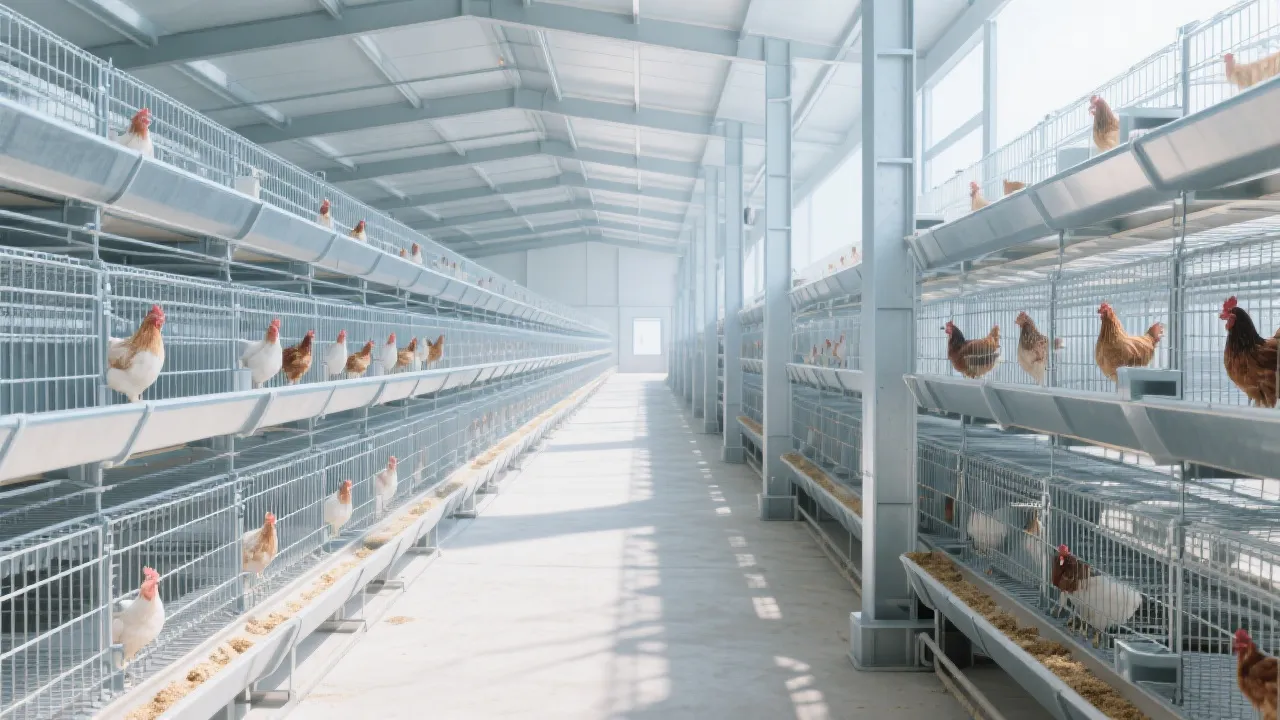
The structural design of layer cages must balance maximum space utilization and hen comfort to promote higher egg yield. Modern designs focus on the modular stacking of cages to enhance spatial efficiency, typically achieving up to 80% more hens per square meter than traditional floor systems. Key design features include:
- Ergonomic Dimensions: Cage width and height conforming to animal welfare standards—approximately 450 cm² per bird—to reduce stress and improve mobility.
- Ventilation Channels: Integrated ventilation gaps that enable consistent airflow, crucial for temperature regulation and ammonia control.
- Ease of Access: Design facilitating oversight and flock management, including removable panels and walkways.
A comparative field study in Henan province found that farms adopting optimized cage designs saw a 12% increase in egg production within the first six months versus conventional cages.
Material Selection: The Backbone of Durability and Maintenance
High-quality steel alloys serve as the industry standard for cage fabrication due to their superior strength and longevity. Selecting materials involves assessing corrosion resistance, load-bearing capacity, and impact tolerance:
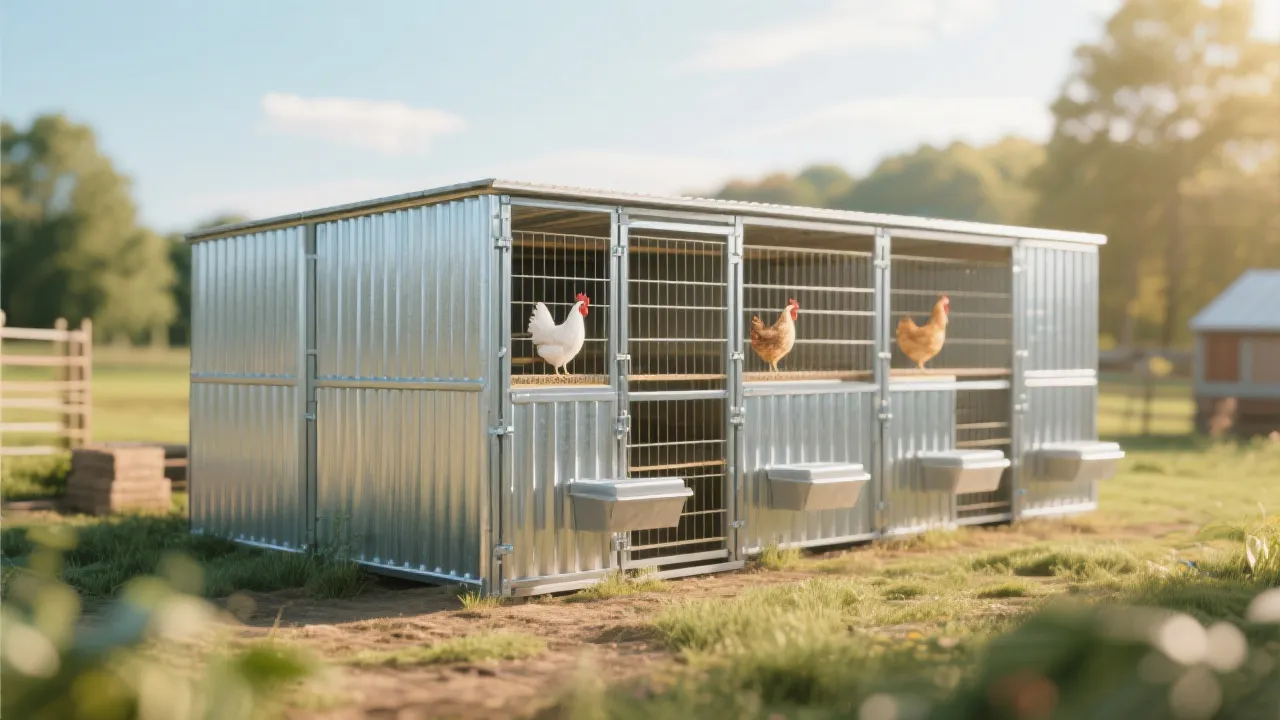
- Galvanized Steel with Zinc Coating: Offers robust corrosion resistance against moisture and manure acids, extending equipment life beyond 10 years under typical farm conditions.
- Powder-Coated Surfaces: Advanced powder coating ensures an even, durable finish that resists chipping and facilitates cleaning, reducing maintenance frequency by up to 30%.
- Stainless Steel Options: Though costlier, stainless steel cages provide exceptional hygiene and resistance for premium farms targeting high-value markets.
In Guangdong, a poultry integrator reported a 25% reduction in repair costs after upgrading cage material from mild steel to galvanized and powder-coated steel in a 5,000-hen facility.
Integrating Automation: Reducing Labor and Enhancing Efficiency
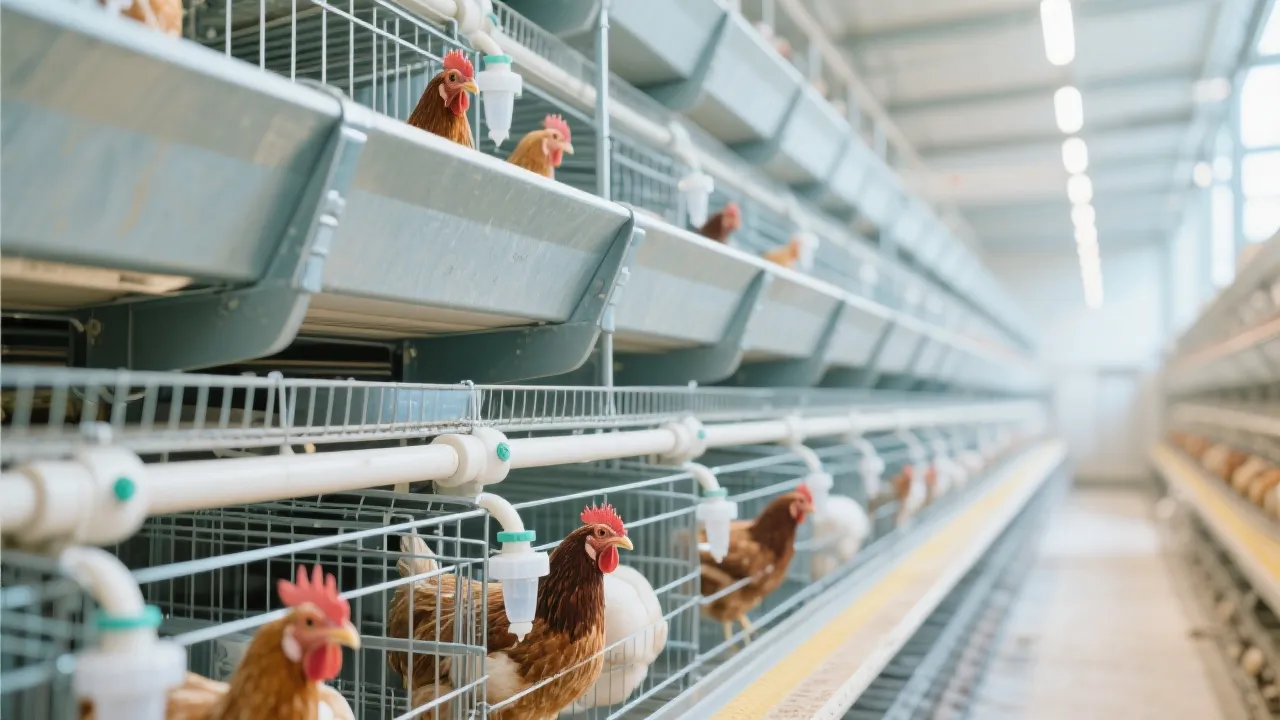
Automation in layer cage systems is pivotal for minimizing manual labor and improving operational precision. Leading equipment integrates:
- Automated Egg Collection: Continuous egg conveyance systems reduce breakage rates by up to 40% while streamlining daily harvest routines.
- Waste Management: Automated manure belts incorporated beneath cages facilitate regular feces removal, preventing pathogen build-up and improving barn air quality.
- Environmental Controls: Smart sensors for temperature, humidity, and airflow can be integrated to maintain ideal hen house conditions, directly correlating with improved egg quality.
Data from a pilot automation project in Shandong showed up to 35% labor cost savings and a significant decline in disease incidence over 12 months.
Technology Adoption and Market Trends
The poultry industry is embracing scientific advancements and regulatory shifts emphasizing animal welfare, biosecurity, and environmental sustainability. Within this context:
- Regulatory bodies in Europe and parts of Asia increasingly mandate cage designs aligning with welfare standards such as enriched cages or cage-free systems.
- Investment in durable, automation-ready cages is correlated with ROI timeframes typically between 2-4 years, due to increased production consistency and lower operational costs.
- Data-driven decision-making tools are gaining prevalence for precise monitoring of flock health and productivity.
Choosing the Right Cage Equipment Supplier
Beyond technical specifications, farm managers should evaluate suppliers on:
- Provision of comprehensive after-sales support including maintenance training and warranty terms.
- Capability for customization to meet specific farm layouts and capacity requirements.
- Compliance with international quality standards such as ISO 9001 or equivalent certifications.
An evaluation of multiple vendors showed facilities working with responsive suppliers had 20% less downtime due to equipment issues.





Hot Products

.jpg?x-oss-process=image/resize,m_fill,h_800,w_800/format,webp)


Popular articles



READY TO START?
Ready to Build Your Poultry Farm?
Tell us your land size, poultry type and farming capacity. LIVI will provide a complete farm solution for your project.