


How to Choose Efficient and Durable Chicken Cages for Large-Scale Poultry Farms: Structural Design and Space Optimization Explained
How Large-Scale Layer Farms Can Choose Efficient and Durable Cage Systems
For large-scale egg production facilities, choosing the right poultry cage system isn’t just about equipment—it’s a strategic decision that impacts efficiency, labor costs, animal welfare, and long-term profitability. According to industry data from the FAO (2023), farms using modern automated systems report up to 18% higher egg yields and reduce labor requirements by 30–40% compared to traditional setups.
Structural Innovation: The H-Type Design Advantage
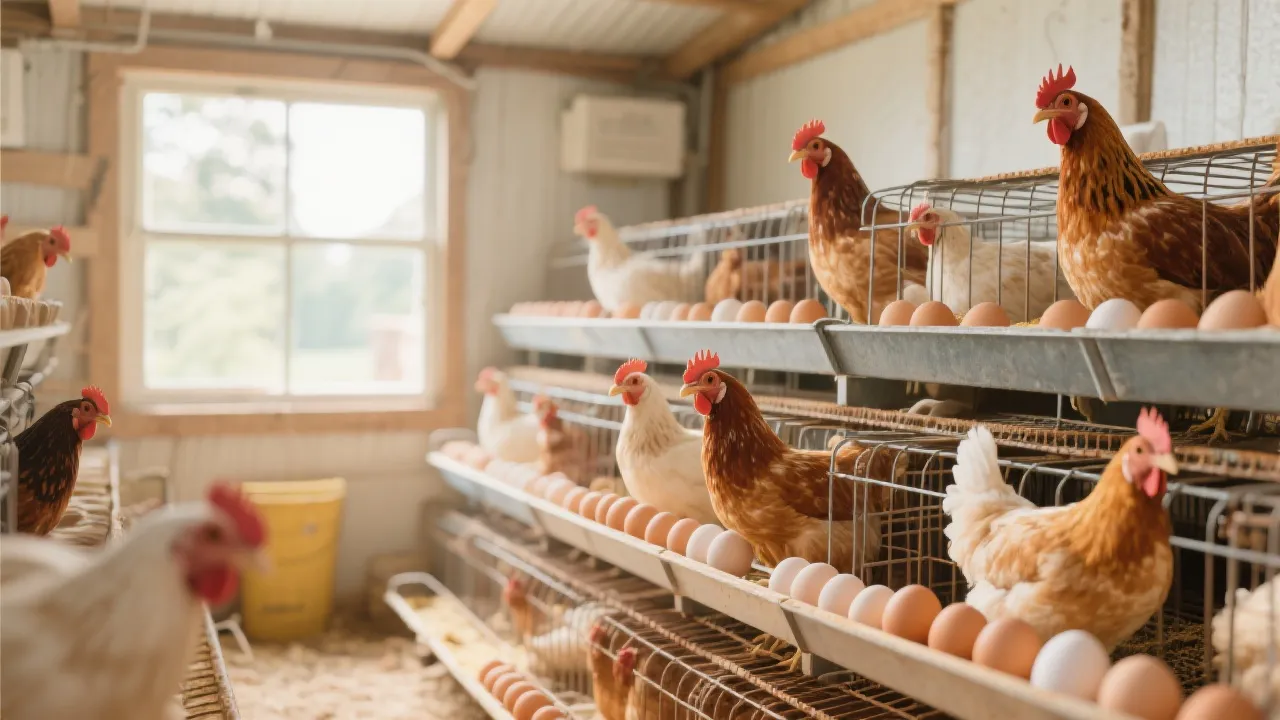
Traditional flat-frame cages often lead to wasted vertical space and difficult access for maintenance or egg collection. In contrast, our H-type design increases usable floor area by 15–20% while allowing easier cleaning and monitoring. A case study from a 50,000-hen farm in Thailand showed a 12% reduction in daily handling time after switching to this structure—directly improving staff productivity and reducing stress on birds.
Material Durability: Why Q235 Steel Matters
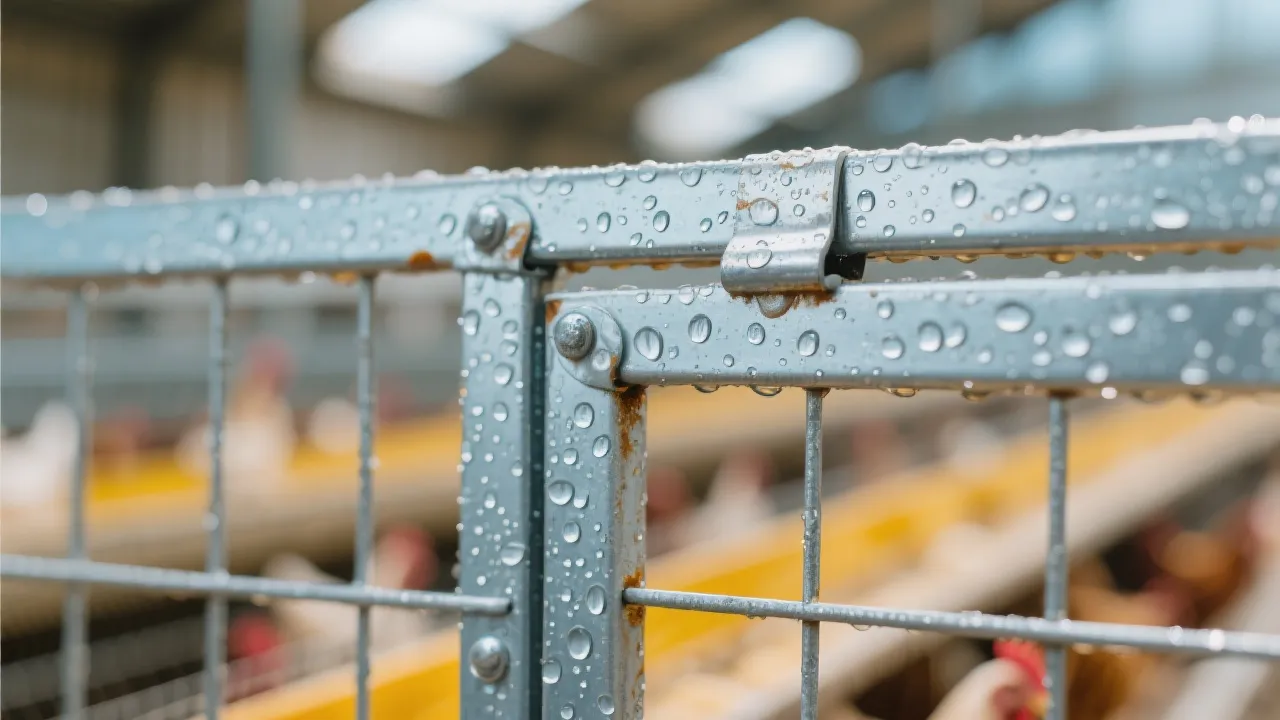
The choice of material is critical—not only for longevity but also for minimizing downtime due to rust or structural failure. High-grade Q235 steel, commonly used in European and North American agricultural machinery, offers superior corrosion resistance when properly galvanized. Compared to cheaper alternatives, these cages last over 8 years without major repairs, versus 4–5 years for standard carbon steel models. That means fewer replacements, lower total cost of ownership, and consistent performance across seasons.
Automation as a Game-Changer: Egg Collection & Waste Management
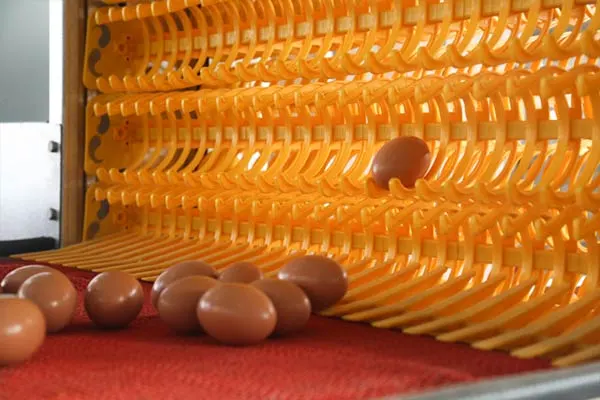
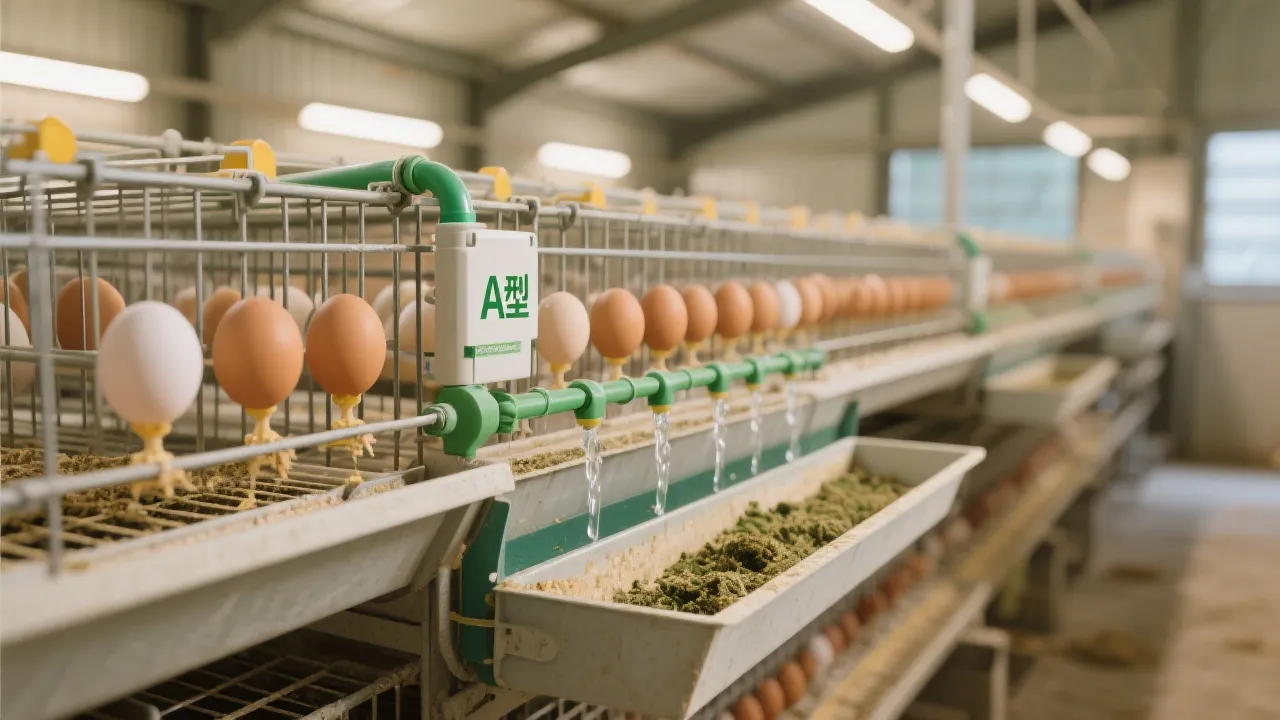
Manual egg gathering can cause delays and damage, especially during peak laying periods. Automated belt systems integrated into the cage design ensure eggs are collected within 1–2 hours post-laying, significantly reducing breakage rates—from an average of 3.5% to under 1.2%. Similarly, built-in manure removal systems cut down on ammonia buildup, improving air quality and bird health. One U.S.-based operation reported a 25% drop in respiratory issues after installing such systems.
Environmental Control: Ventilation Meets Efficiency
Proper ventilation isn’t optional—it’s essential for maintaining optimal temperatures and humidity levels inside the barn. Modern cages with integrated airflow channels help distribute fresh air evenly, reducing hotspots and preventing heat stress. Data from a Dutch farm indicates that controlled environments led to a 7% increase in daily egg output and improved feed conversion ratios—a key metric for ROI.
Real-world impact: When comparing two identical farms—one with traditional cages, one with upgraded H-type systems—the latter achieved 12% higher annual yield and saved $12,000 annually in labor and maintenance over three years.
As global demand for sustainable protein grows, smart investments in cage technology are no longer just competitive—they’re necessary. Whether you're expanding operations or optimizing existing ones, selecting a cage system that balances durability, automation, and environmental control will position your farm for long-term success.




Hot Products

.jpg?x-oss-process=image/resize,m_fill,h_800,w_800/format,webp)


Popular articles




READY TO START?
Ready to Build Your Poultry Farm?
Tell us your land size, poultry type and farming capacity. LIVI will provide a complete farm solution for your project.