


Efficient and Durable Chicken Cage Materials: Process Analysis and Impact on Equipment Lifespan in Large-Scale Farms

Why Material Matters: How Advanced Steel and Coating Technology Extend Egg Laying Cage Lifespan by Up to 50%
For large-scale poultry farms, the choice of egg-laying cage materials isn’t just about upfront cost—it’s a strategic decision that impacts operational efficiency, labor savings, and long-term ROI. In fact, studies show that farms using high-quality steel cages with proper surface treatments can reduce maintenance costs by up to 40% over a 15-year period compared to traditional options.
The Science Behind Durability: Q235 Steel + Zinc-Aluminum Coating
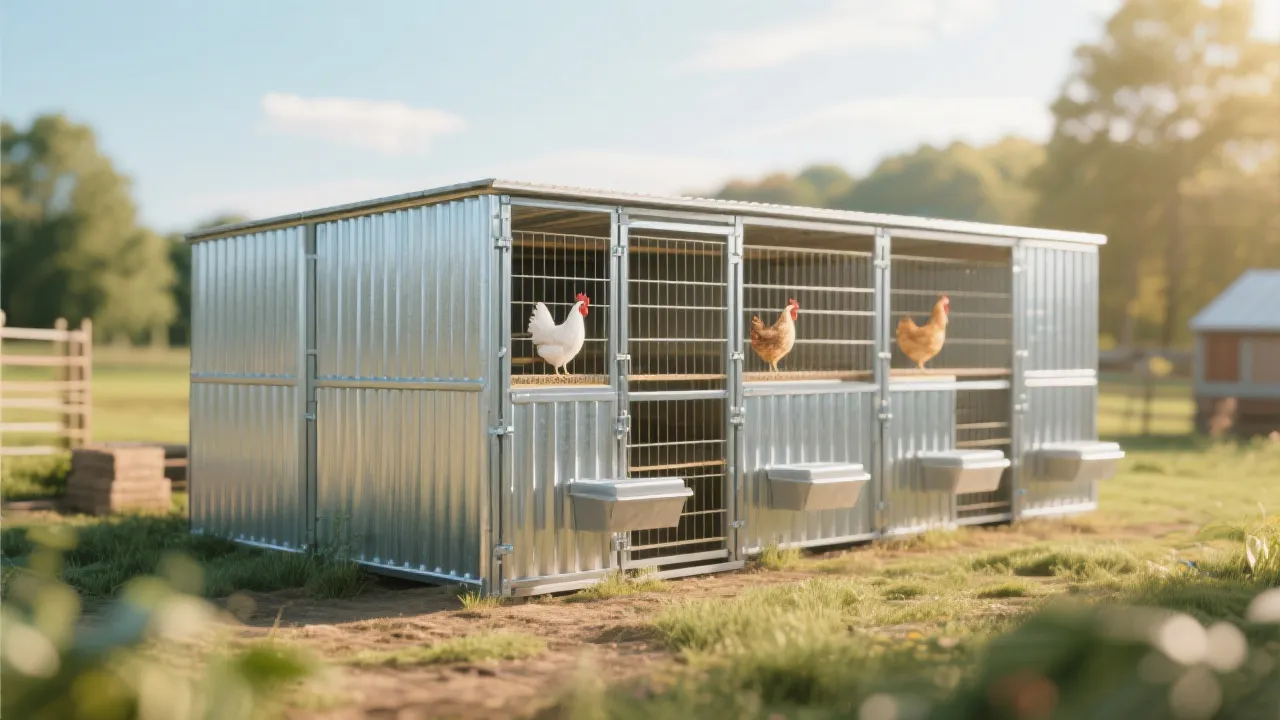
Modern egg laying cages like those from Zhengzhou Livi Machinery are built on international-grade Q235 carbon steel—a material known for its tensile strength (≥370 MPa) and consistent performance under heavy use. When combined with hot-dip galvanizing followed by an aluminum-zinc alloy coating (AZ50), the result is a corrosion-resistant barrier that lasts 15–20 years in humid or acidic environments—far exceeding the 5–8 year lifespan of untreated alternatives.
This extended life isn't just theoretical. A case study from a 20,000-hen farm in northern China showed zero structural failures after 12 years of continuous operation, even in regions where pH levels in manure regularly exceed 7.5. That translates to fewer replacements, lower downtime, and reduced environmental impact from waste disposal.
Smart Design Meets Automation: Efficiency Gains You Can Measure
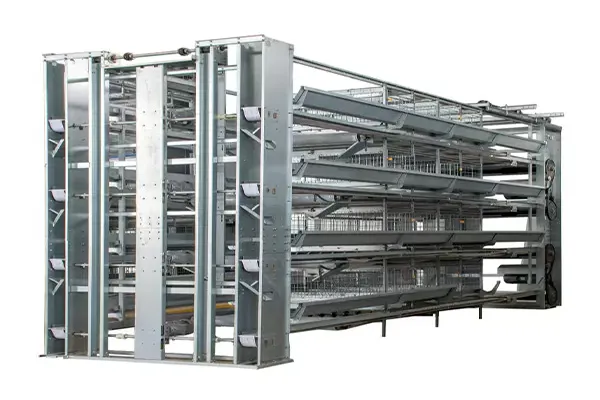
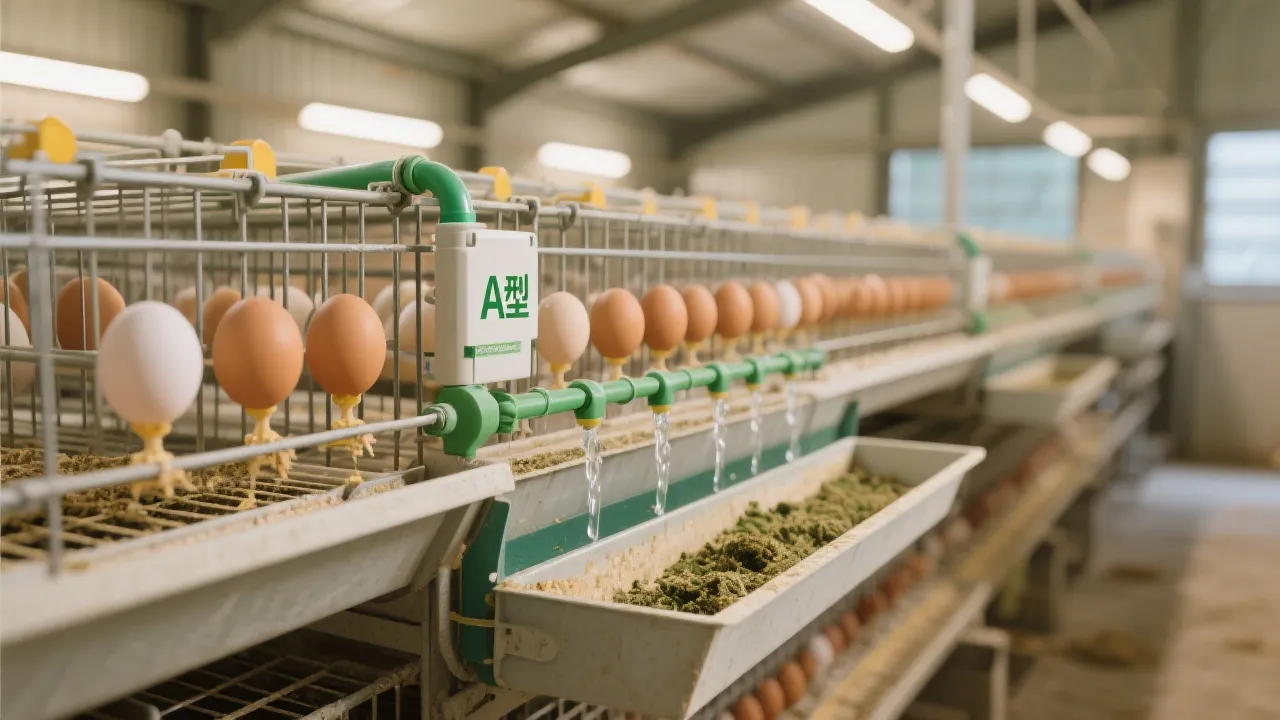
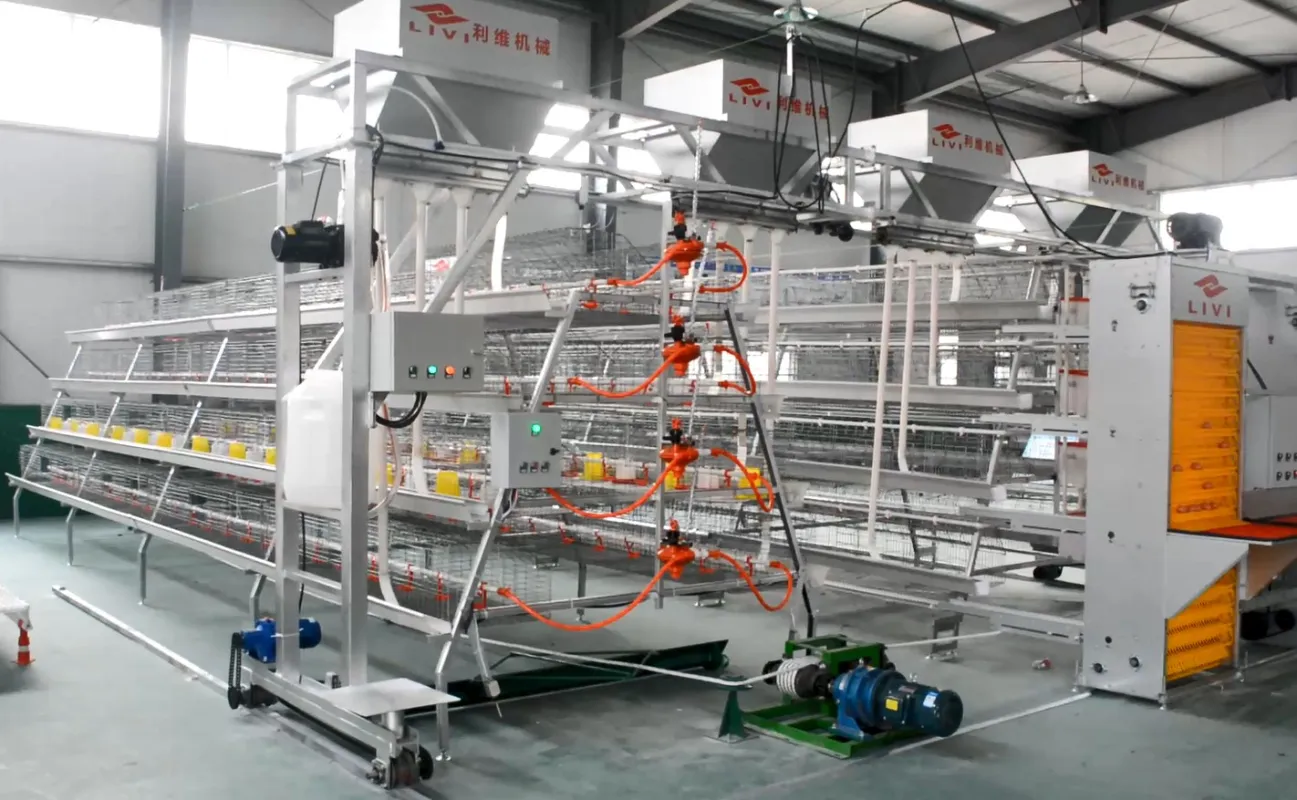
Beyond raw material, the H-shaped frame design improves space utilization by up to 12% while making cleaning more efficient—critical for biosecurity and animal welfare compliance. Paired with automated egg collection systems, these cages cut manual labor by 30–40%, freeing staff for higher-value tasks such as health monitoring and feed optimization.
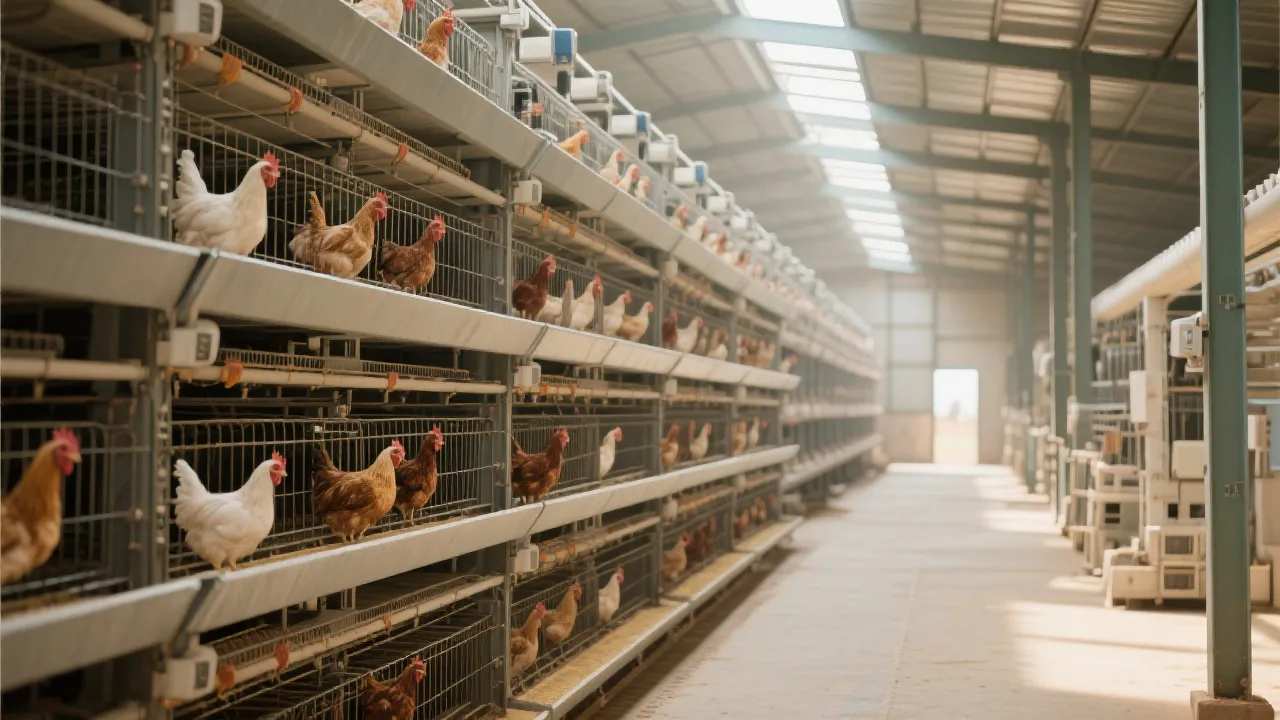
Additionally, integrated ventilation and temperature control modules help maintain optimal air quality inside coops—reducing ammonia buildup and preventing respiratory issues in hens. One Australian cooperative reported a 15% increase in egg production within six months of installing such systems, directly linking equipment quality to productivity gains.

Sustainability & Compliance: The Hidden Value of Smart Cage Systems
As global regulations tighten around animal welfare and environmental sustainability, forward-thinking farms are adopting cage systems that align with both EU and USDA standards. These advanced setups not only meet current requirements but also future-proof operations against upcoming policy shifts—especially in markets like the UAE, Canada, and Germany where traceability and emissions reporting are becoming mandatory.
In short, choosing durable, intelligent egg-laying cages isn’t just about avoiding rust—it’s about building a scalable, sustainable, and profitable operation that stands the test of time.
Ready to Upgrade Your Farm’s Infrastructure?
Explore how our H-type egg laying cages with advanced coatings and automation integration can boost your efficiency and extend equipment life—without compromising on quality or compliance.
Get Technical Specifications & Live Demo





Hot Products

.jpg?x-oss-process=image/resize,m_fill,h_800,w_800/format,webp)


Popular articles



READY TO START?
Ready to Build Your Poultry Farm?
Tell us your land size, poultry type and farming capacity. LIVI will provide a complete farm solution for your project.