


Customized Poultry Cages for 20,000 Layer Hens | Automated High-Efficiency Egg Production in Pakistan
How a Pakistani Poultry Farm Achieved High-Efficiency Egg Production with Customized layer cages for 20,000 Hens
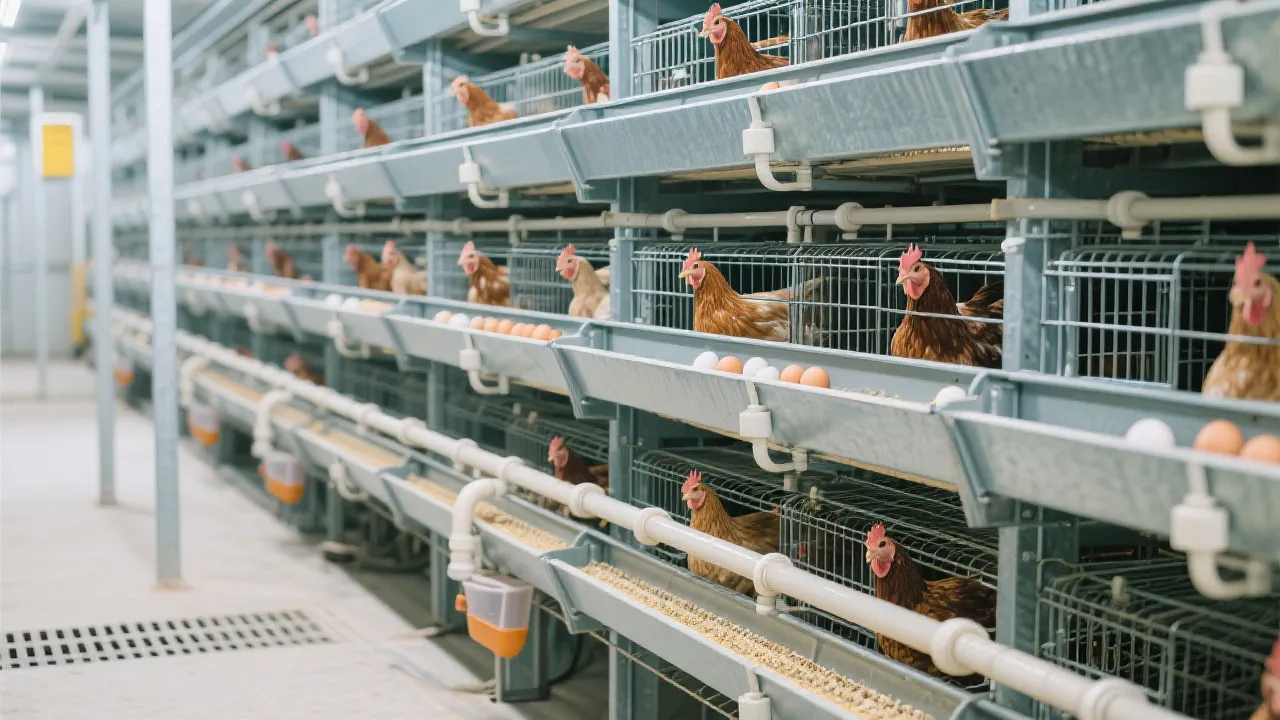
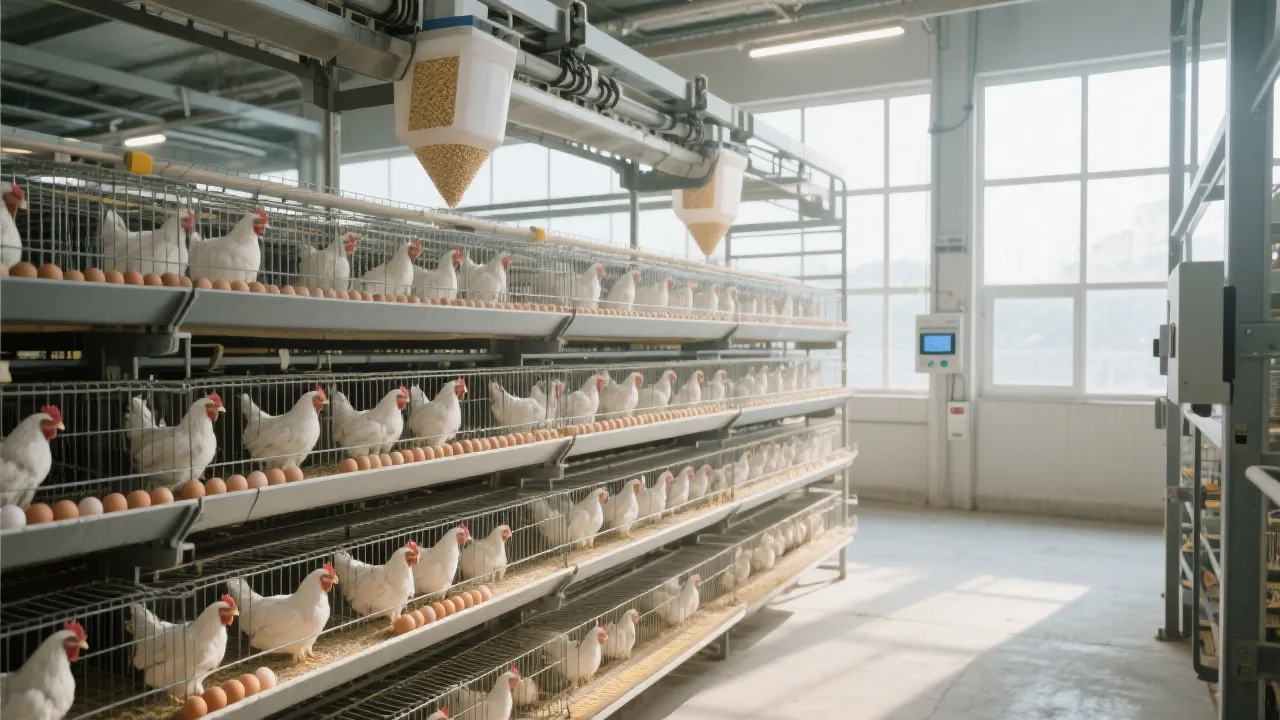
Amid ongoing challenges in Pakistan's poultry industry—where limited scale and rising operational costs hamper growth—one medium-sized farm dared to rethink its production system. By investing in a customized A-type layer battery cage designed to house 20,000 laying hens, this operation unlocked unprecedented capacity and operational efficiency. The secret lies not only in scaling numbers but also in leveraging automated feeding and manure removal combined with rugged, climate-adaptive materials.
Addressing Core Challenges in Poultry Production
Before adoption of the customized cages, the farm struggled with cramped space, amplified labor costs, and inconsistent egg yields—common pain points in mid-tier poultry operations across Pakistan. With ambient temperatures ranging from sweltering 50°C summers to near-freezing winters at -20°C, traditional cages frequently suffered from corrosion and structural fatigue, limiting longevity and performance. These constraints capped their annual output under 12,000 hens, restricting revenue potential.
Material Excellence & Climate Resilience
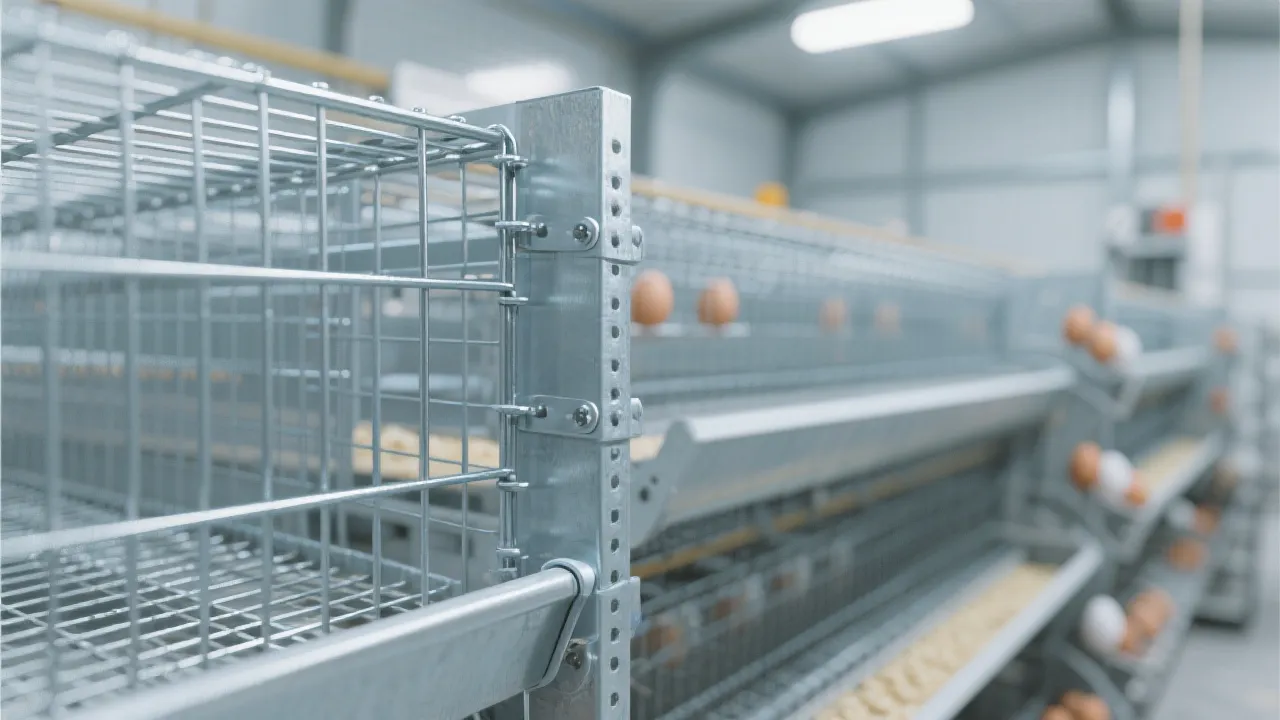
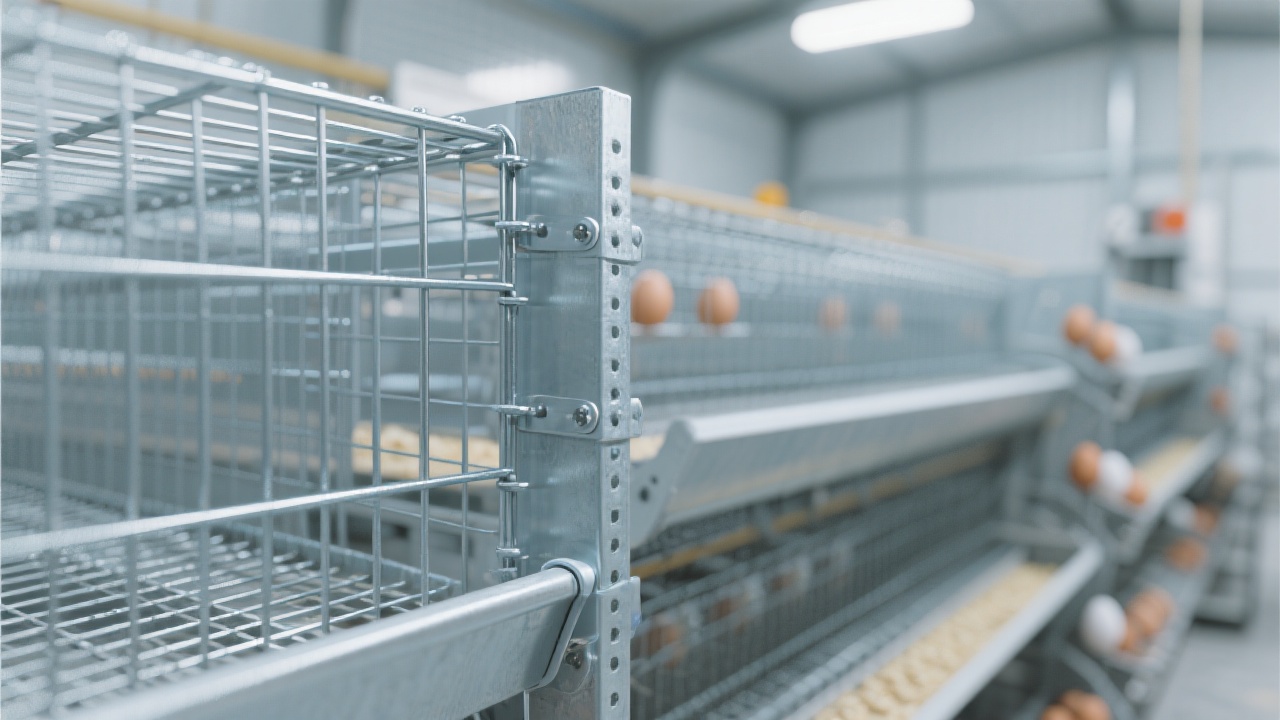
Crafted from Q235 hot-dip galvanized steel, the new cages excel in durability and corrosion resistance—critical for environments with drastic temperature swings. This choice ensures structural integrity and surface protection, virtually eliminating rust over a 10+ year expected lifespan. The steel’s flexibility accommodates minute expansions and contractions without compromising cage stability, allowing continuous operation in Pakistan’s extreme climates.
Custom Design Maximizes Space & Animal Welfare
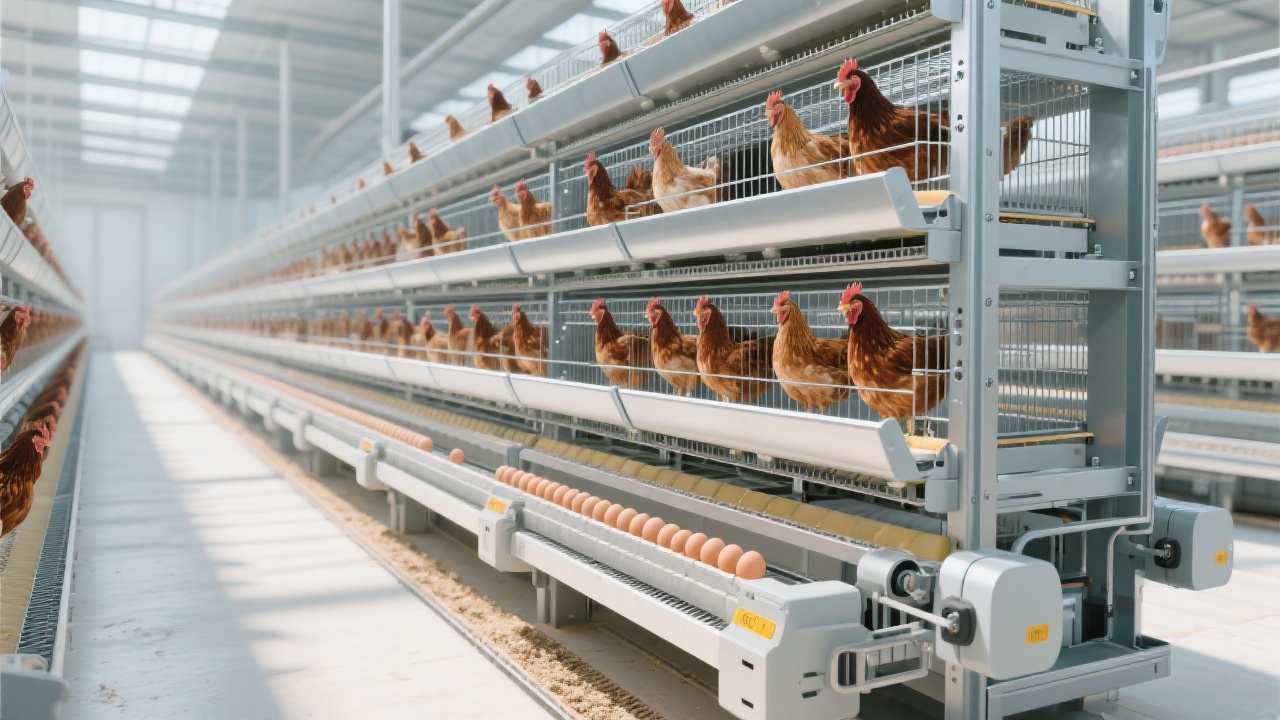
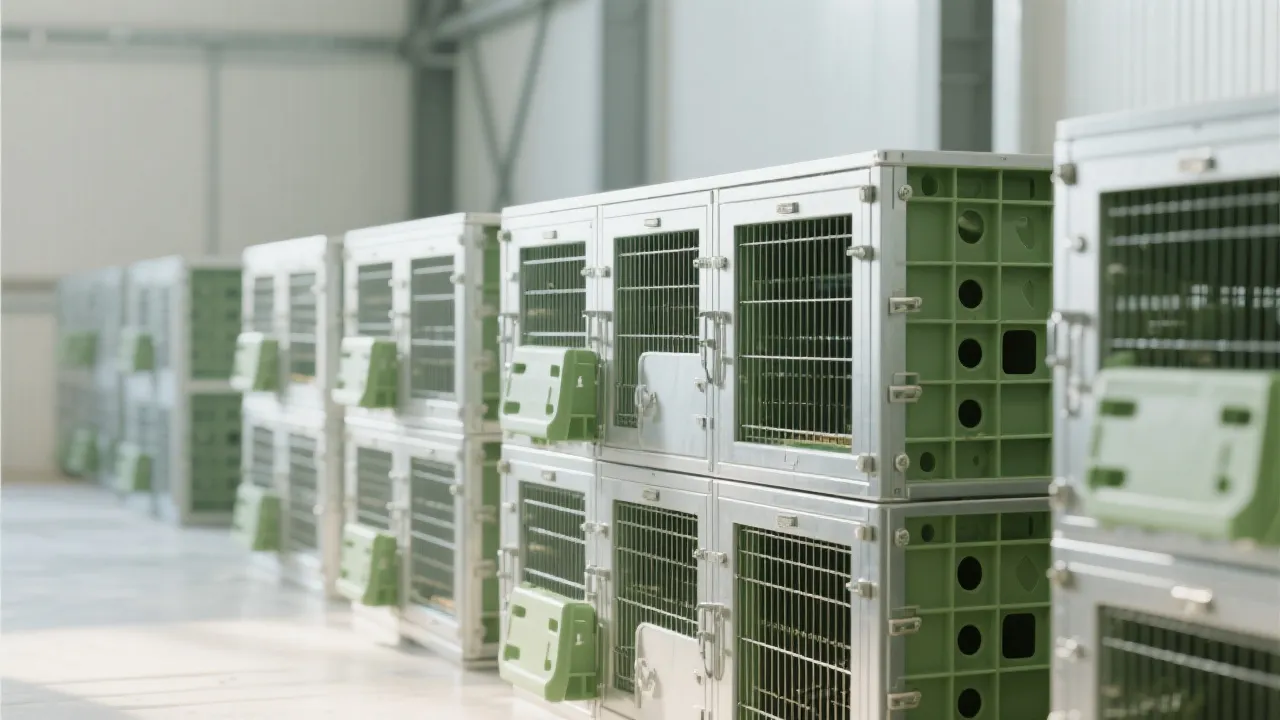
The customized A-type layout optimizes vertical layering, enabling the farm to significantly increase stocking density without compromising hen comfort or health. This flexibility in cage dimensions meets specific farm logistics and biosecurity standards. Integrating adjustable perches and nesting spaces tailored to hen behavior, the cages enhance well-being—a proven factor in sustaining egg production rates above 90% during peak seasons.
Automation: The Game-Changer for Labor & Output
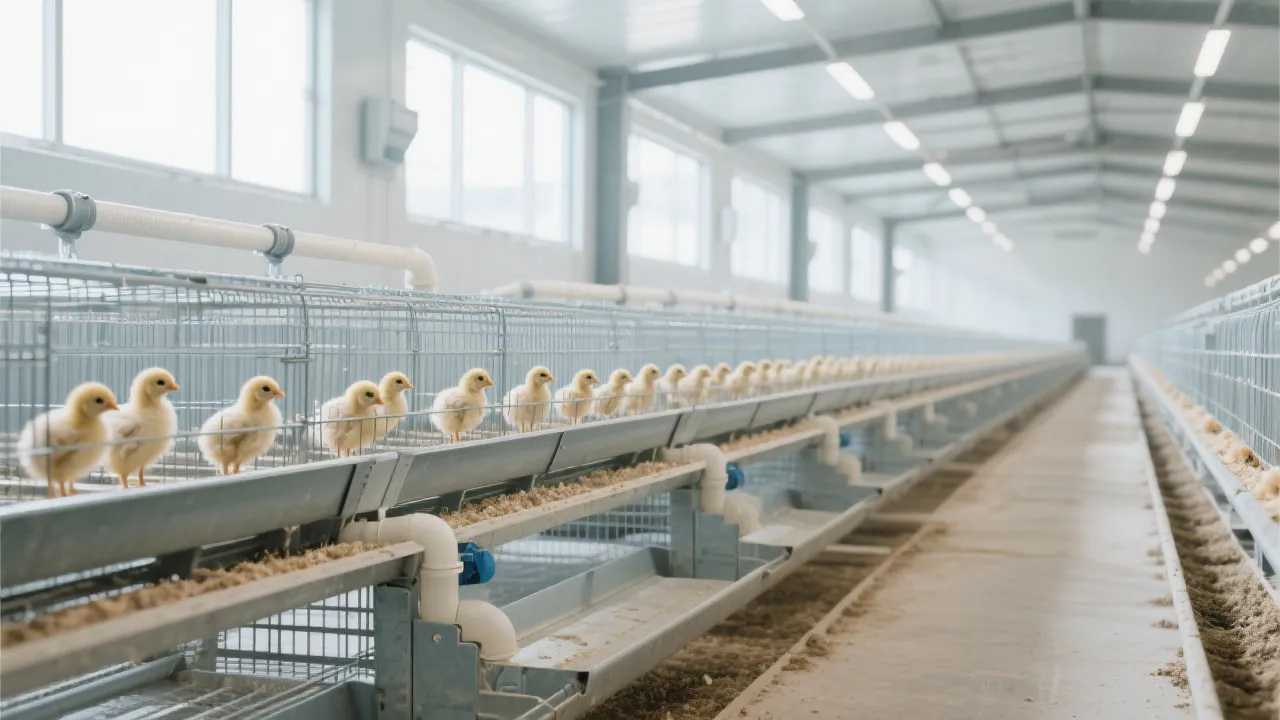
A cornerstone of the system is its automated feeding and manure removal mechanisms. Automated feeders accurately dispense nutrients in time-controlled cycles, eliminating human error and feed wastage, which previously accounted for up to 20% loss. Simultaneously, the conveyor-based manure cleaning reduces labor hours by 60%, prevents environmental contamination, and improves hen hygiene—directly impacting egg quality and quantity.
Quantifiable Gains & Competitive Edge
Within the first 6 months post-installation, the farm reported a remarkable 55% increase in hen capacity alongside a 25% improvement in average egg production rate, surging from 70% to over 90% during peak laying periods. Labor costs dropped by approximately 35%, contributing to a 40% reduction in overall operational expenses per egg produced.
“Implementing the customized cages transformed our entire operational model. Not only did we scale up to 20,000 hens seamlessly, but automation cut down daily manual tasks, allowing staff to focus on health monitoring and egg quality — outcomes we didn't expect so soon.” — Farm Manager, Lahore Poultry Co.
Replicable Lessons for Global Poultry Operators
This case underscores how mid-sized farms worldwide can embrace tailored technology solutions to overcome local growth barriers. Investing in durable, climate-adapted materials combined with automation for routine tasks can unlock fresh avenues for profitability and sustainability. For farms battling labor shortages or fluctuating yield rates, customized cages offer a pragmatic upgrade path.





Hot Products

.jpg?x-oss-process=image/resize,m_fill,h_800,w_800/format,webp)


Popular articles





READY TO START?
Ready to Build Your Poultry Farm?
Tell us your land size, poultry type and farming capacity. LIVI will provide a complete farm solution for your project.