


Impact of CE Certification on the Safety of Poultry Farming Equipment and Its Value in the International Market
The Impact of CE Certification on Poultry Farming Equipment Safety and Its International Market Significance
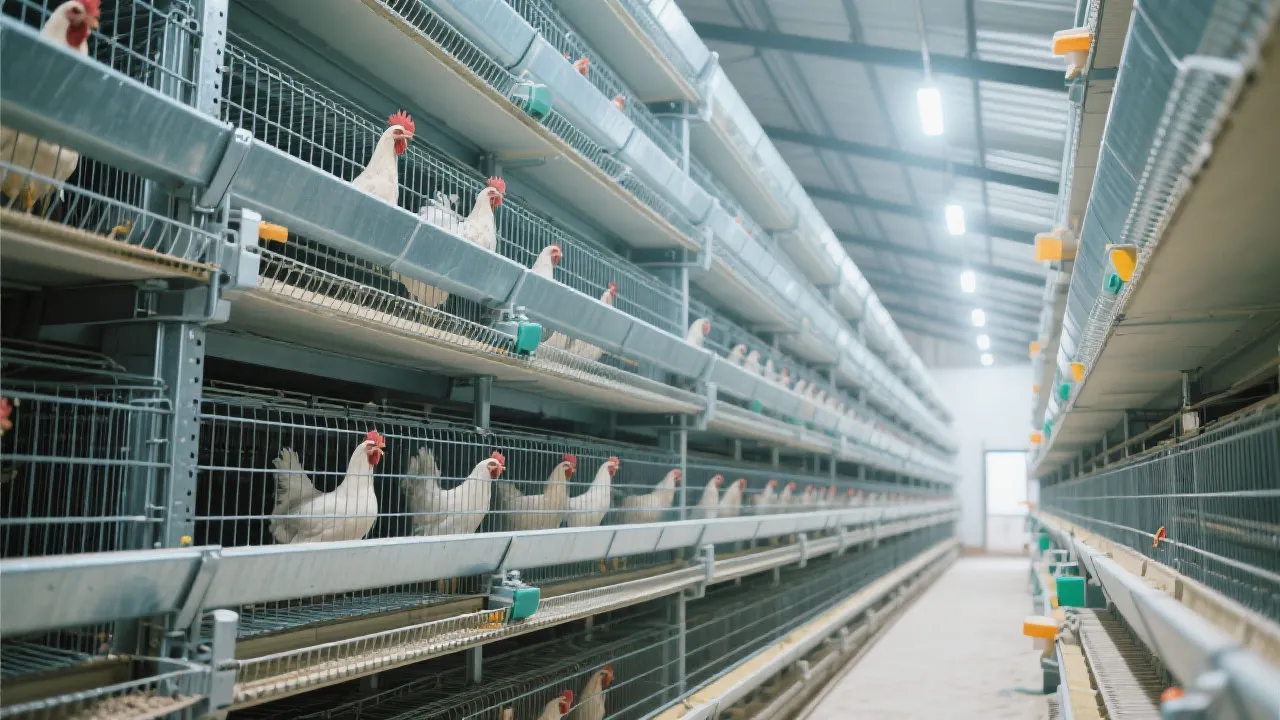
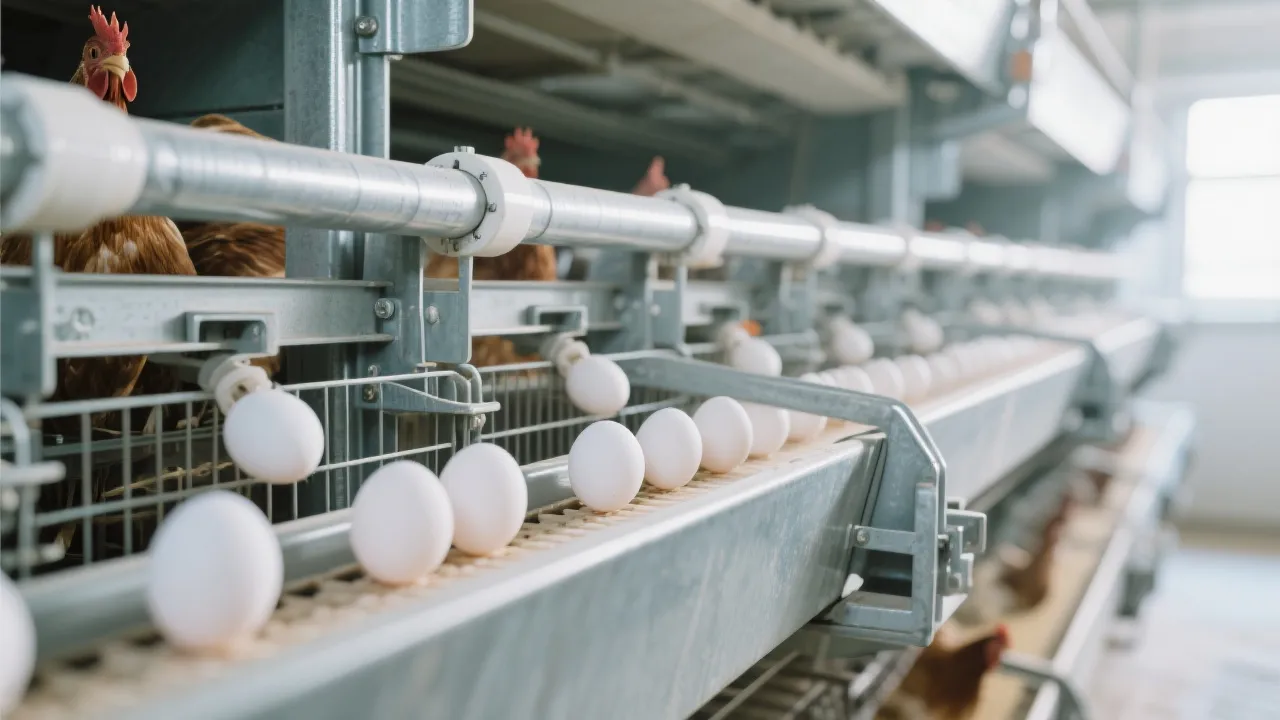
In today’s globalized poultry farming industry, compliance with international safety and environmental standards is not optional — it is a critical factor for business success and market access. One pivotal certification that enhances the safety and reliability of poultry farming equipment, particularly laying hen cages, is the CE marking. Coupled with rigorous quality management standards such as ISO 9001 and environmental benchmarks like ISO 14001, these certifications collectively ensure that equipment meets stringent international requirements, boosting operational efficiency, durability, and eco-friendliness.
Understanding ISO 9001 and ISO 14001 in Poultry Equipment Manufacturing
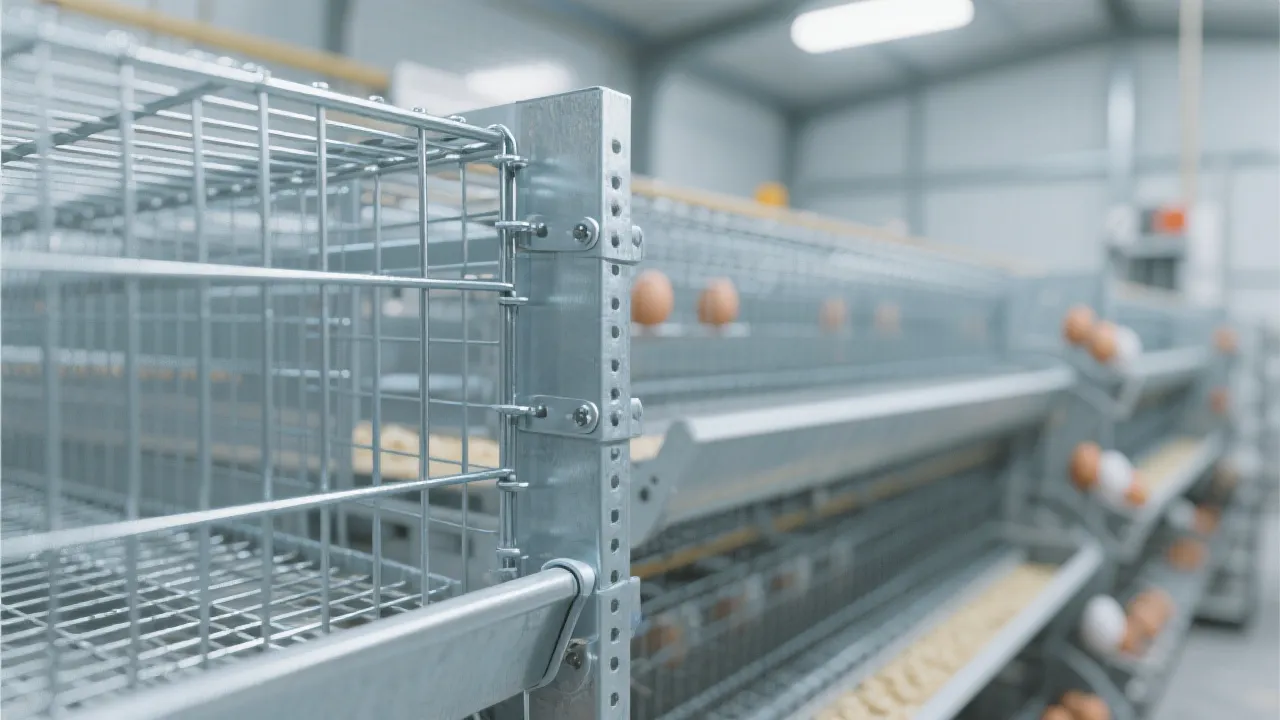
ISO 9001 focuses on quality management systems (QMS), ensuring consistent product quality and continual improvement. For laying hen cages, this translates into performance reliability by enforcing strict manufacturing protocols, from raw material selection to final assembly. For instance, durable stainless steel alloys certified under ISO 9001 reduce corrosion risks, extending the equipment’s lifespan by up to 30% compared to non-certified counterparts.
ISO 14001 requires companies to implement effective environmental management systems (EMS) that minimize the ecological footprint of manufacturing processes. Applying this standard, manufacturers optimize energy consumption and waste disposal, incorporate eco-friendly coatings, and reduce harmful emissions, directly addressing the rising demand for sustainable poultry farming solutions globally.
How CE Certification Elevates Safety and Market Access
The CE mark demonstrates compliance with the European Economic Area’s (EEA) health, safety, and environmental protection legislation. For poultry equipment, CE certification mandates:
- Rigorous safety testing including load capacity validation, structural integrity, and electrical safety if applicable;
- Traceability of materials to avoid hazardous substances;
- Detailed technical documentation confirming adherence to applicable EU directives, such as Machinery Directive 2006/42/EC;
- Regular factory and product audits by certified bodies ensuring ongoing compliance.
Achieving CE certification thus raises the entry barrier for substandard goods, protecting end-users and enhancing the manufacturer's brand credibility in demanding markets like the EU, North America, and parts of Asia.
Implementing Effective Quality and Environmental Management in Poultry Farms
For large-scale poultry operations, leveraging certified equipment involves instituting robust maintenance and environmental management protocols. Recommended strategies include:
- Regular Inspection Schedules: Conduct monthly structural assessments and bi-annual operational audits to detect and mitigate wear, ensuring safety and efficiency;
- Environmental Impact Checklists: Utilize EPA-aligned guidelines to manage waste, reduce water consumption, and improve ventilation systems, minimizing ecological footprint;
- Operator Training: Equip farm staff with thorough understanding of equipment handling, safety protocols, and sustainability measures, enhancing productivity and compliance;
- Data-driven Monitoring: Deploy IoT sensors and digital logs to track operational parameters and environmental conditions in real-time, facilitating proactive management.
Data Insight: Benefits of Certification on Operational KPIs
Studies indicate that poultry farms adopting CE-certified and ISO-compliant equipment experience:
- 15% reduction in equipment downtime due to improved durability;
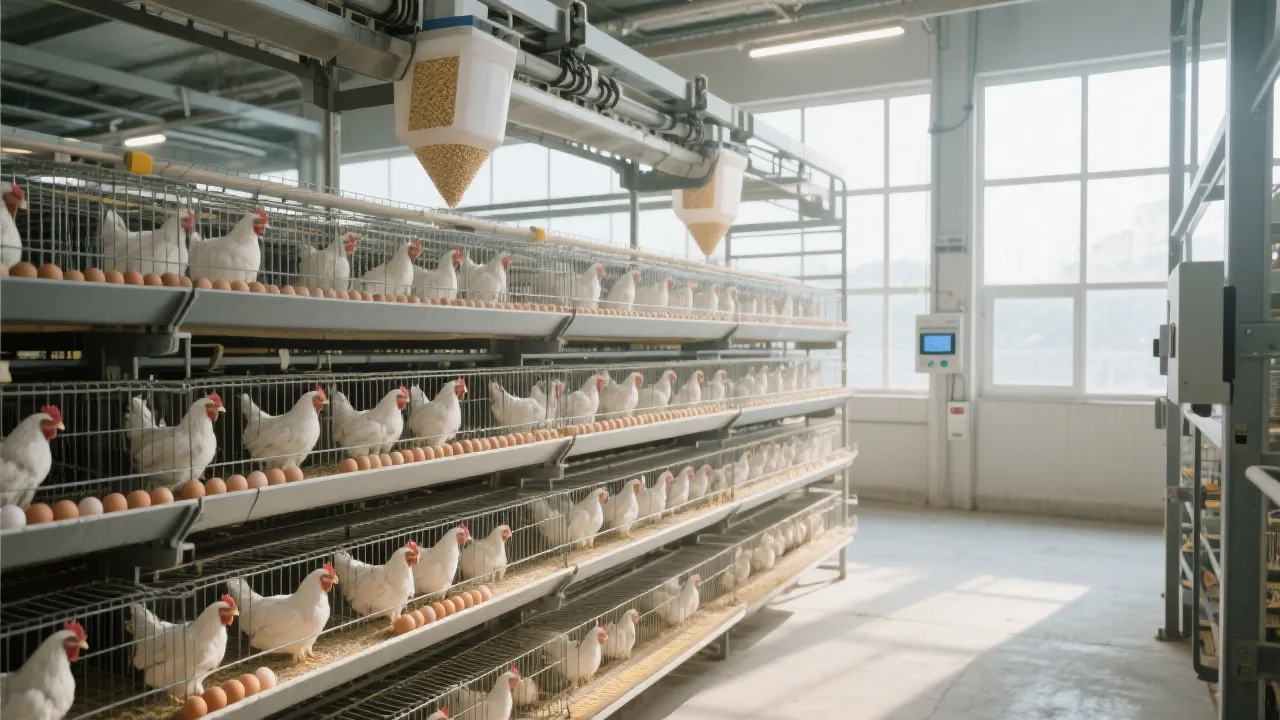
- 12% increase in egg production efficiency by optimizing cage ergonomics and ventilation;
- 20% lower environmental compliance violations, reducing potential fines and bolstering social license to operate;
- Enhanced market acceptance, which translates to a 10-18% sales uplift in export-driven segments.
Scientific Management: The Path to Enhanced Competitiveness
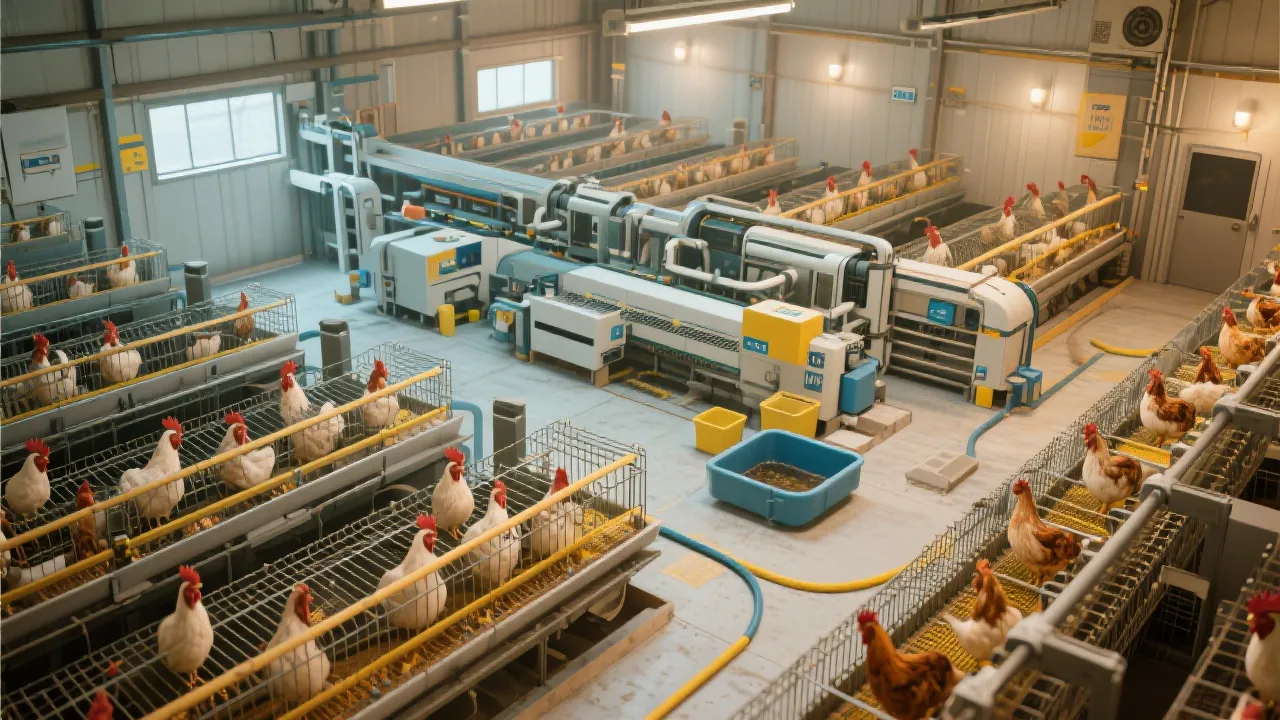
Integrating CE certification with ISO 9001 and 14001 systems offers a holistic framework that not only ensures safety and environmental compliance but also drives operational and financial performance in poultry farming. Companies like Zhengzhou Livi Machinery exemplify this approach, delivering internationally certified egg-laying cage systems designed to meet the evolving demands of global poultry producers.




Hot Products

.jpg?x-oss-process=image/resize,m_fill,h_800,w_800/format,webp)


Popular articles





READY TO START?
Ready to Build Your Poultry Farm?
Tell us your land size, poultry type and farming capacity. LIVI will provide a complete farm solution for your project.