


CE Certification Requirements and ISO Standards for Poultry Farming Equipment Safety and Export Competitiveness

CE Certification and Its Role in Enhancing Safety Standards of Poultry Farming Equipment for Global Markets
In the evolving landscape of poultry farming, particularly in large-scale egg-laying operations, adherence to international safety and environmental standards has become indispensable. This article explores the integral role of ISO 9001 (Quality Management Systems) and ISO 14001 (Environmental Management Systems) in the design, manufacturing, and operational management of layer cages. Special emphasis is placed on how CE certification governs safety requirements, thereby strengthening product eligibility and competitiveness in overseas markets.
Understanding the Impact of ISO Certifications on Layer Cage Manufacturing
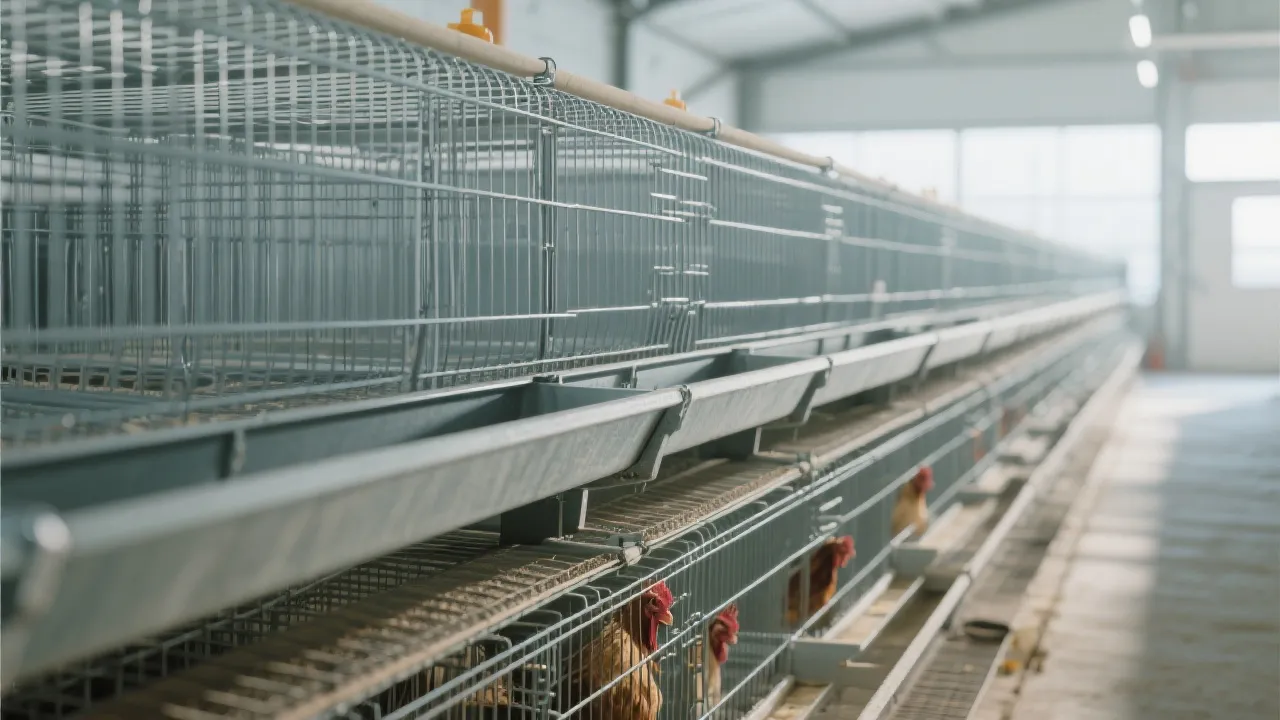
ISO 9001 and ISO 14001 certifications serve as foundational pillars for poultry equipment manufacturers targeting international markets. ISO 9001 ensures consistent product quality through stringent process control and continuous improvement, crucial for high-efficiency layer cages that must sustain heavy operational demands. Manufacturers implementing ISO 9001 have reported a 15-20% reduction in defect rates, enhancing equipment reliability and farmer satisfaction.
Meanwhile, ISO 14001 focuses on systematic environmental management. Given increasing global emphasis on sustainability, poultry equipment—especially those designed for large-scale operations—must minimize environmental impact. This includes optimized materials usage, waste reduction, and pollution control during manufacturing. Adopting ISO 14001 has been linked to up to a 25% decrease in manufacturing waste and better compliance with local environmental regulations.
CE Certification: Key Safety Norms Elevating Global Market Access
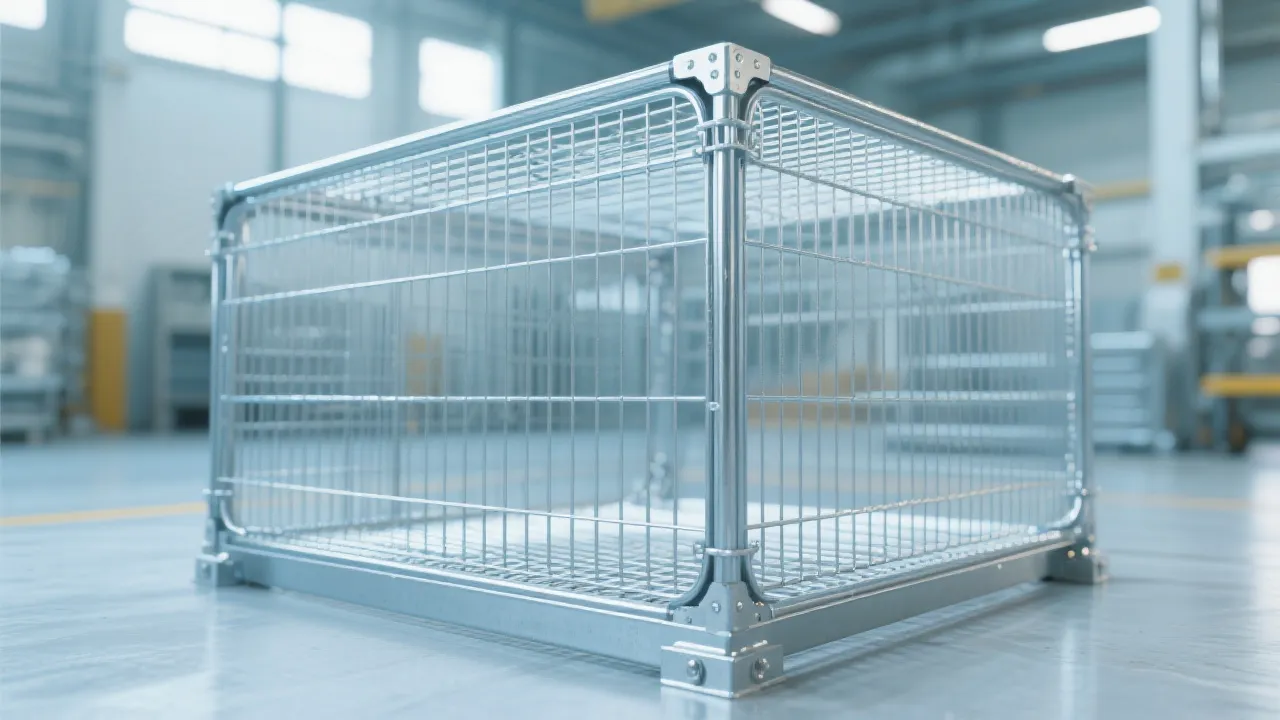
CE marking represents conformity with European Union safety, health, and environmental protection standards. For poultry farming equipment, CE certification verifies that layer cages meet rigorous safety criteria, including structural stability, material safety, and user protection against mechanical hazards. Compliance with CE requirements is essential not only within the EU but also in markets that recognize or mandate these standards for imported goods.
The CE mark enhances manufacturer credibility and is often a prerequisite from distributors and partners in Asia, the Middle East, and Africa. Global exporters who integrate CE certification into their product lifecycle commonly see a 30% increase in lead conversion rates in overseas inquiries, reflecting buyer confidence in certified products.

Implementing Standardized Processes for Long-Term Operational Success
Beyond initial certification, poultry farms must adopt standardized inspection protocols and maintenance schedules to sustain equipment performance and safety. Establishing a comprehensive layer cage inspection checklist is a best practice to identify wear, corrosion, and mechanical faults early—critical for preventing downtime and maximizing flock productivity.
An example operational checklist includes verification of cage structural integrity, assessment of surface coatings for environmental resistance, and evaluation of ventilation pathways ensuring animal welfare. Integrating environmental operation checklists aligned with ISO 14001 practices further supports regulatory compliance and sustainability goals.

Environmental Benefits of Certified Poultry Equipment
Certified poultry equipment incorporating environmental standards contributes substantially to reducing the ecological footprint of farming operations. For example, certified layer cages designed with eco-friendly materials and coated to extend lifecycle reduce resource consumption needed for replacement or repairs by approximately 18-22%.
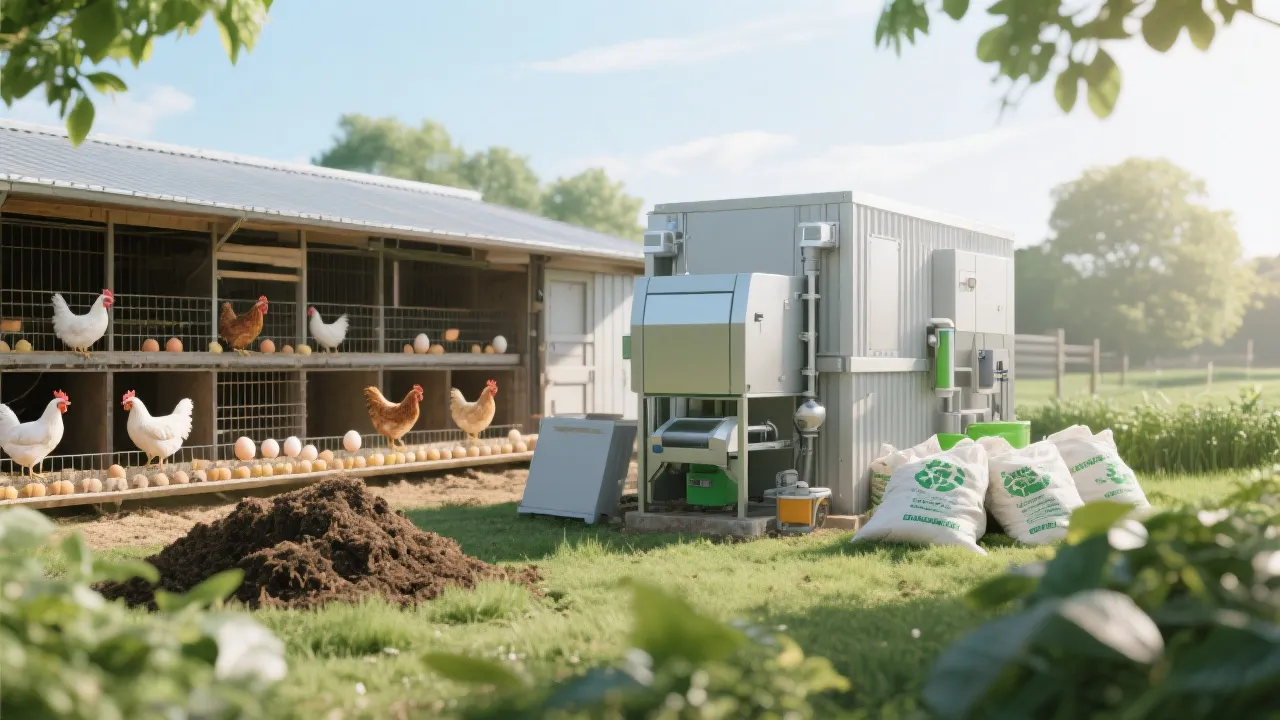
Moreover, efficient design minimizing ammonia buildup and optimizing manure collection can lower emissions, meeting stricter national and international environmental mandates. Combining these features with ISO 14001-aligned operational protocols safeguards both the environment and the economic viability of large-scale farms.

Take the Next Step Toward Certified Quality and Sustainability
Discover how internationally certified poultry farming equipment can elevate your operational standards and unlock new export opportunities. Access detailed guidance and certified solutions tailored for large-scale egg production.
Explore CE-Certified Layer Cages & ISO-Compliant Solutions


Hot Products

.jpg?x-oss-process=image/resize,m_fill,h_800,w_800/format,webp)


Popular articles





READY TO START?
Ready to Build Your Poultry Farm?
Tell us your land size, poultry type and farming capacity. LIVI will provide a complete farm solution for your project.