


CE Certification for Poultry Cages Exporting to EU: Key Electrical Safety & Mechanical Protection Standards Explained

Why CE Certification Is Non-Negotiable for Exporting Poultry Cages to the EU
For poultry farm operators and equipment suppliers targeting European markets, understanding CE certification isn’t just a compliance task—it’s a strategic investment in long-term profitability and brand trust.
In 2023, a major exporter from Southeast Asia faced a €45,000 customs penalty after their egg-laying cage systems were rejected at Rotterdam port due to missing CE documentation. The delay cost them two production cycles—and lost contracts with three EU-based integrators. This isn't an isolated case. Without proper certification, even technically sound products risk being flagged during inspections or rejected by end-users who prioritize safety, sustainability, and operational efficiency.
Three Pillars of Compliance: ISO9001, ISO14001, and CE Standards
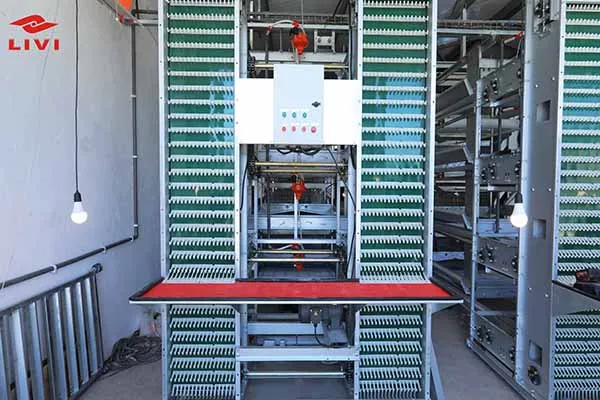
CE certification ensures your product meets EU directives on electrical safety (EN 60204-1) and mechanical protection (EN ISO 12100). But it’s more than a checkbox—it reflects how well your manufacturing process integrates quality and environmental responsibility:
- ISO9001: Ensures consistent production control—reducing defects by up to 35% compared to non-certified lines.
- ISO14001: Promotes eco-friendly materials like hot-dip galvanized steel with a minimum coating thickness of 85μm—extending lifespan by 5–7 years versus untreated alternatives.
- CE Marking: Validates that all moving parts are guarded, noise levels stay below 65 dB(A), and emergency stops function within 0.5 seconds.
| Feature | Certified Equipment | Non-Certified Equipment |
|---|---|---|
| Average Lifespan (years) | 8–10 | 4–6 |
| Noise Level (dB(A)) | ≤65 | ≥75 |
| Annual Maintenance Cost | €150/unit | €350/unit |
These metrics aren’t theoretical—they’re based on field data collected from farms across Germany, France, and the Netherlands. Farms using certified cages report fewer employee injuries, lower downtime, and higher feed conversion ratios thanks to stable working conditions and reduced stress on birds.
When you choose a supplier that prioritizes science over shortcuts, you're not just buying equipment—you're building a sustainable system that aligns with global best practices in animal welfare, worker safety, and energy efficiency.
Ready to Ensure Your Cage System Meets International Standards?
Download our free International Poultry Cage Compliance Checklist PDF—a practical tool used by EU importers to evaluate supplier readiness before purchase decisions.
Get the Free Compliance Checklist Now



Hot Products

.jpg?x-oss-process=image/resize,m_fill,h_800,w_800/format,webp)


Popular articles




READY TO START?
Ready to Build Your Poultry Farm?
Tell us your land size, poultry type and farming capacity. LIVI will provide a complete farm solution for your project.