


CE Certification Implementation in Laying Hen Cages: How Electrical Safety and Mechanical Protection Standards Affect EU Market Access

Compliance Challenges and Pain Points of Layer Cage Equipment in the International Market
In the international market, layer cage equipment faces numerous compliance challenges and pain points. For instance, different countries and regions have distinct regulatory requirements for animal welfare, environmental protection, and product safety. In the European Union, strict standards are in place for electrical safety and mechanical protection of layer cage equipment. Failure to meet these standards can lead to significant obstacles in market access, including product recalls, fines, and damage to the brand image. According to a report from the International Poultry Equipment Association, nearly 30% of layer cage equipment exports faced compliance issues in the past five years, resulting in substantial economic losses for manufacturers.

Core Technical Requirements of ISO9001, ISO14001, and CE Certification
ISO9001 Quality Management
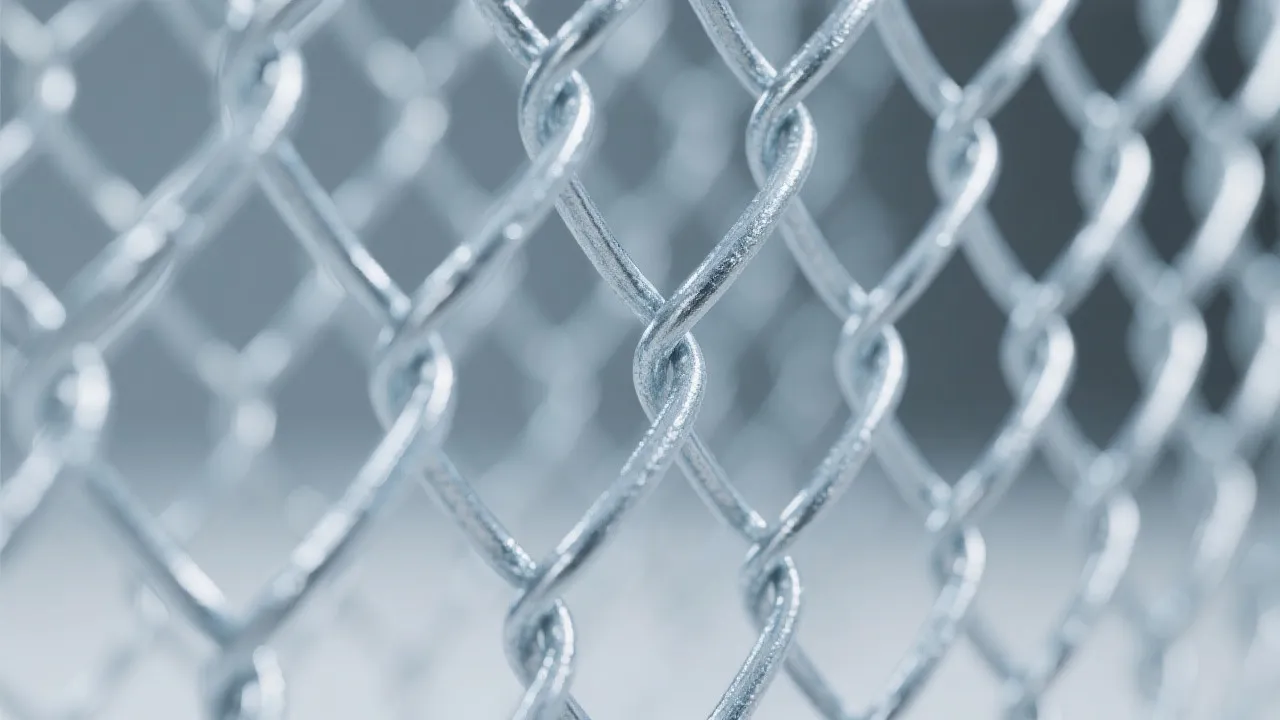
ISO9001 focuses on quality management systems. For layer cage equipment, it requires manufacturers to establish a comprehensive quality control process from raw material procurement to product delivery. This includes strict inspection of raw materials, such as ensuring the hot - dip galvanized layer thickness of the cage structure meets the standard of at least 80 microns, which can significantly enhance the corrosion resistance and service life of the equipment. A study by a well - known industry research firm shows that layer cage equipment with ISO9001 certification has a 20% longer service life on average compared to non - certified products.
ISO14001 Environmental Management
ISO14001 emphasizes environmental management. Manufacturers need to ensure that the production process of layer cage equipment minimizes environmental impact, such as reducing waste generation and energy consumption. For example, optimizing the design of the cage to reduce the use of materials while maintaining its structural strength. Certified products are estimated to reduce energy consumption by about 15% during the production process, which is in line with the global trend of sustainable development.
CE Certification
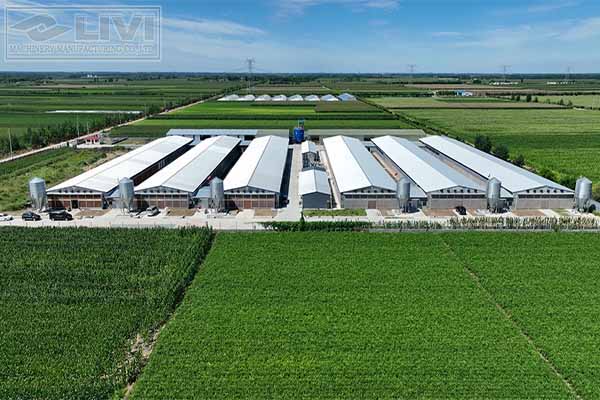
CE certification is crucial for accessing the European market. It mainly focuses on electrical safety and mechanical protection. Electrical safety indicators require that the equipment meets strict insulation and grounding requirements to prevent electric shock hazards. In terms of mechanical protection, the cage structure should be designed to prevent injuries to both chickens and operators. According to European Union regulations, layer cage equipment without CE certification is prohibited from being sold in the EU market.
Certification Implementation Practice
To implement these certifications, manufacturers need to follow specific technical requirements. For example, in terms of noise standards, the operation noise of layer cage equipment should be controlled below 60 decibels to ensure a comfortable living environment for chickens. In terms of electrical safety, the leakage current should be less than 5 milliamperes. By meeting these specific parameters, manufacturers can ensure that their products comply with international standards and gain access to high - end markets such as the European Union.
Comparison between Certified and Non - Certified Equipment
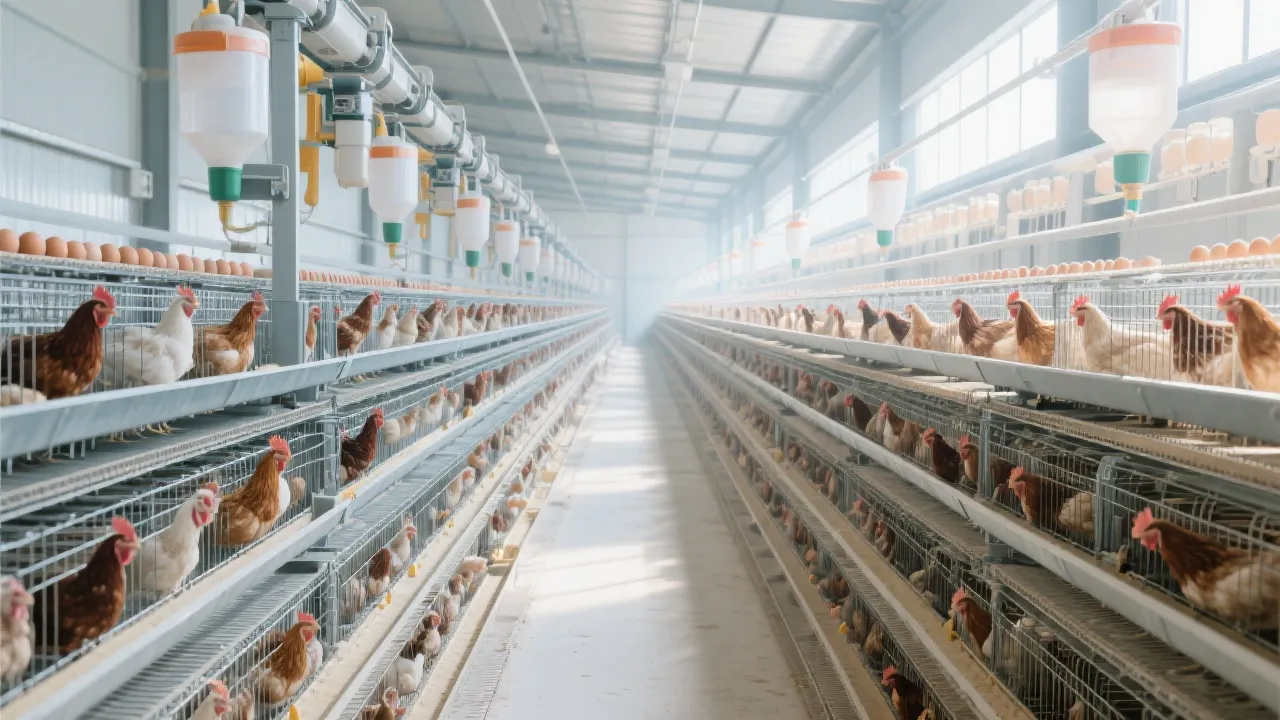
Certified layer cage equipment has significant advantages over non - certified equipment. In terms of service life, certified equipment can last up to 10 - 15 years, while non - certified equipment may only last 5 - 8 years. Maintenance requirements are also lower for certified equipment, reducing the overall cost of ownership. Moreover, non - certified equipment poses higher risks to employee safety, as it may not meet the necessary mechanical protection and electrical safety standards.

The Decisive Role of Technical Compliance
Technical compliance plays a decisive role in market access and operating costs. In the European Union, non - compliant products are subject to high tariffs and strict import controls. On the other hand, compliant products can enjoy preferential trade policies, which can significantly reduce operating costs. According to a market research report, compliant layer cage equipment can save up to 25% of import costs in the EU market.
Avoiding Compliance Risks and Scientific Equipment Selection
Farm managers and procurement decision - makers can avoid compliance risks by thoroughly understanding international standards and choosing certified equipment. They should also pay attention to the reputation and after - sales service of the manufacturer. By making scientific equipment selections, they can build an efficient and sustainable standardized layer farming system.
Don't miss out on the opportunity to ensure your layer cage equipment meets international standards. Download the International Layer Equipment Compliance Self - Check List to enhance your understanding of compliance requirements and make informed decisions.





Hot Products

.jpg?x-oss-process=image/resize,m_fill,h_800,w_800/format,webp)


Popular articles


READY TO START?
Ready to Build Your Poultry Farm?
Tell us your land size, poultry type and farming capacity. LIVI will provide a complete farm solution for your project.