


Build an Efficient and Environment-Friendly Farm: Comprehensive Guide to Maintenance Cycles and Fault Prevention of Mechanical Manure Cleaning Equipment
In - depth Analysis of the Pain Points in Livestock and Poultry Manure Management
The management of livestock and poultry manure has long been a thorny issue in the farming industry. High levels of ammonia in the farm environment can cause respiratory problems for the chickens, reducing their immunity and increasing the risk of diseases. Moreover, the presence of excessive manure heightens the probability of epidemic outbreaks. From an environmental perspective, farms are under increasing pressure to meet strict environmental protection regulations. For example, in some European countries, farms with more than 5000 egg - laying hens are required to have a comprehensive manure management system to prevent water and soil pollution.
Comparison of the Principles of Manure Cleaning Equipment
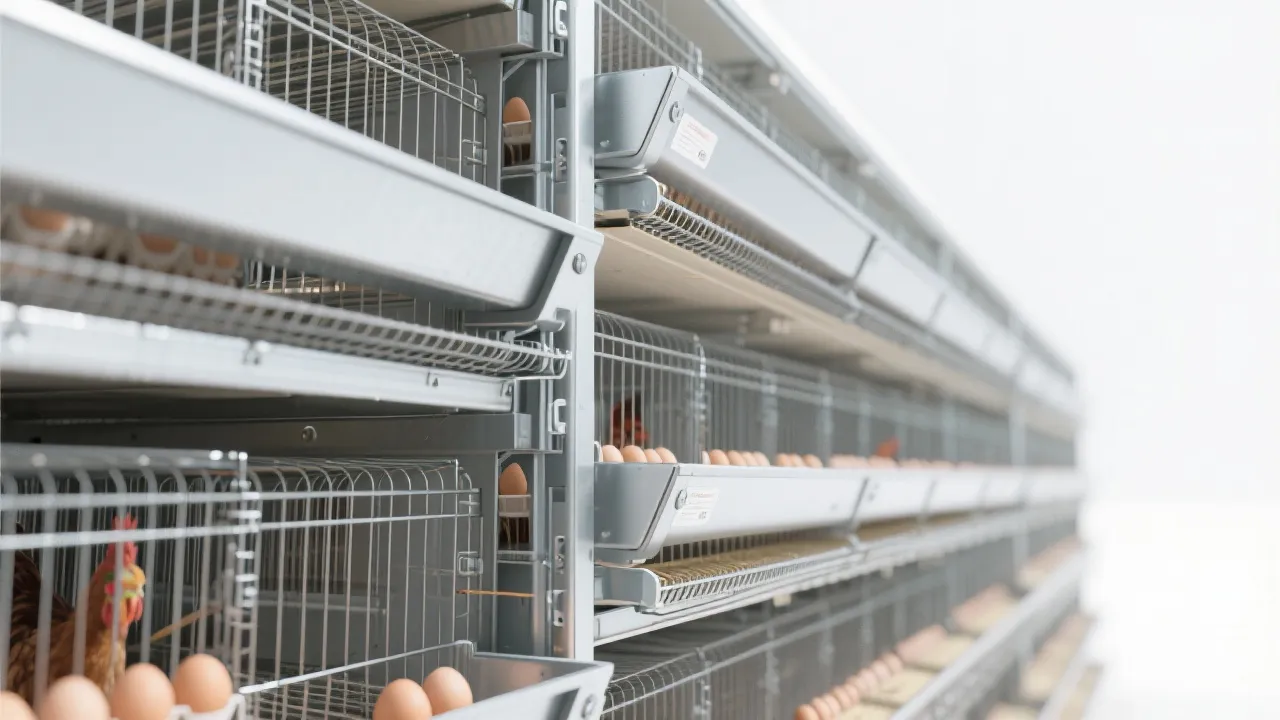
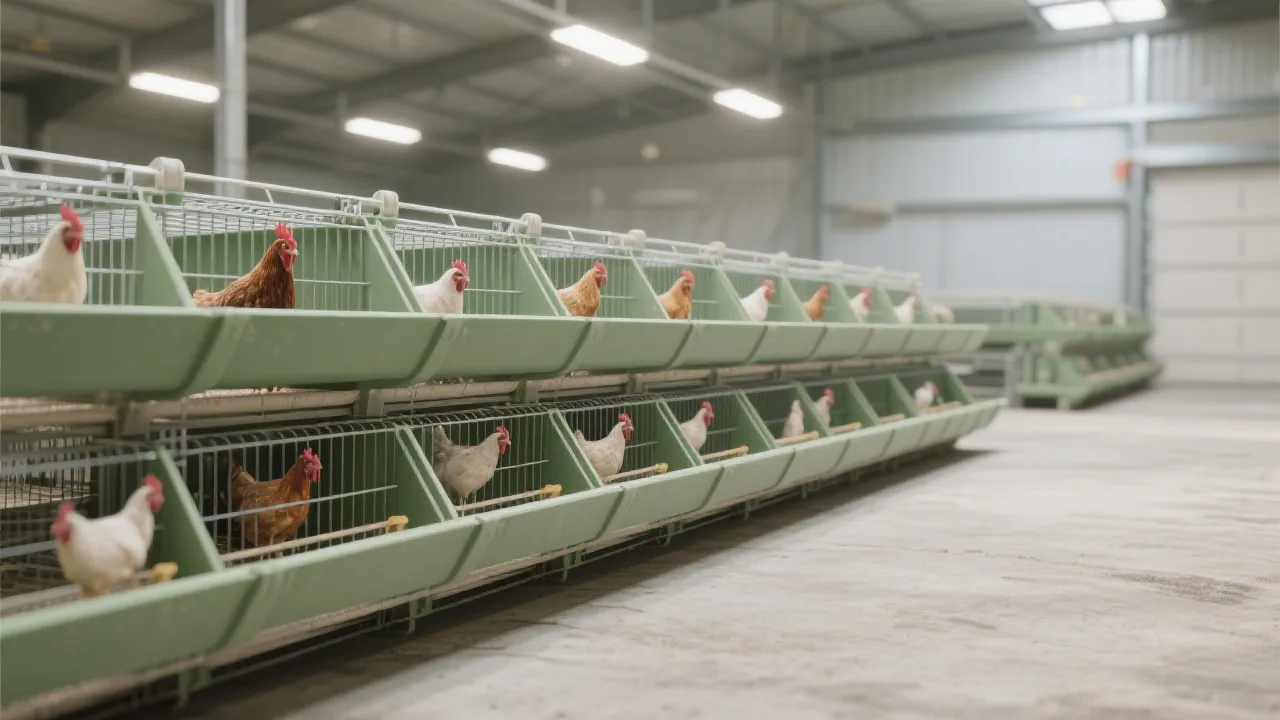
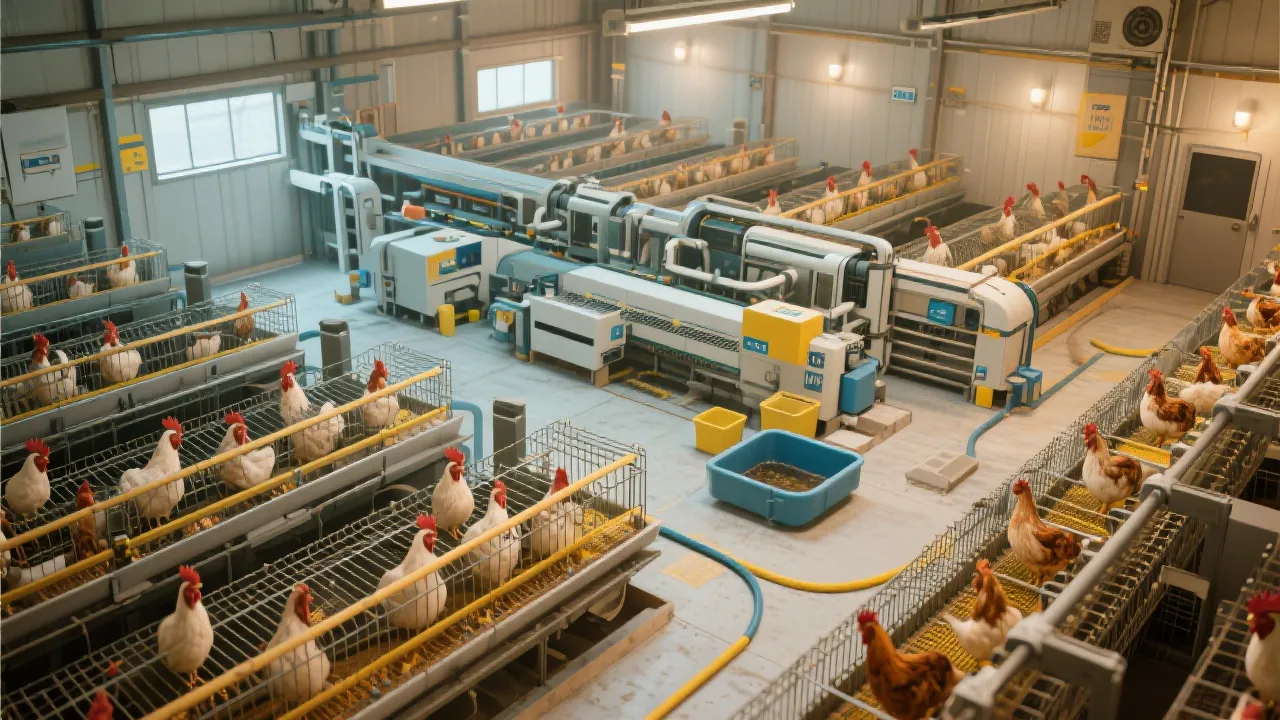
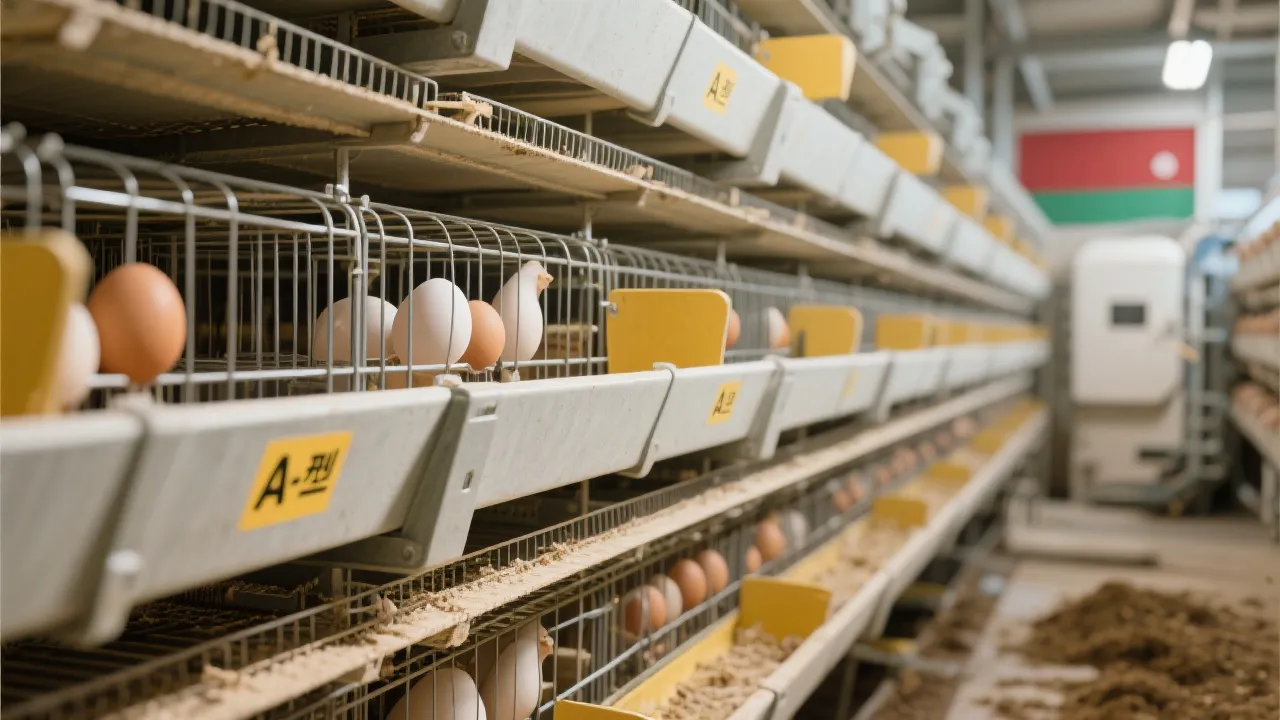
There are mainly two types of manure cleaning equipment: scraper - type and screw - conveyor type. The scraper - type equipment is suitable for large - scale egg farms. It can quickly scrape the manure from the floor of the chicken coop, with an efficiency of up to 90% in a single operation. The screw - conveyor type, on the other hand, is more suitable for smaller farms. It can transport manure through a screw mechanism, which is more precise in manure handling. When it comes to H - type egg cages, the scraper - type equipment shows better compatibility. It can clean the manure under the cages more thoroughly, reducing the contact time between chickens and manure.
Practical Energy - Consumption Control Programs
Energy consumption is a significant cost in operating manure cleaning equipment. To address this, several energy - saving strategies can be adopted. Intelligent start - stop systems can be installed, which can automatically turn on the equipment when the manure reaches a certain level and turn it off after the cleaning is completed. This can save up to 30% of energy consumption. Parameter optimization is also crucial. By adjusting the speed and frequency of the equipment, energy can be used more efficiently. Selecting low - power motors can further reduce energy consumption. For example, a high - efficiency low - power motor can reduce energy consumption by 20% compared to a traditional motor.
Guide to Establishing Maintenance Cycles
Regular maintenance is essential for the long - term operation of manure cleaning equipment. A maintenance cycle should be established based on the usage frequency and working environment of the equipment. A weekly inspection should include checking the tightness of belts, the lubrication of bearings, and the integrity of the conveyor. Common faults such as blockages and motor failures should be anticipated. For example, if the equipment makes abnormal noises, it may indicate a blockage. In case of a fault, an emergency response process should be in place to minimize the impact on the farm operation.
Linkage Mechanism between Ventilation and Manure Cleaning
Ventilation and manure cleaning are closely related. By coordinating the two, the air quality in the chicken coop can be significantly improved. When the manure cleaning equipment is operating, the ventilation system can be adjusted to expel the foul air. This can reduce the ammonia concentration in the coop by up to 40%, creating a healthier environment for the egg - laying hens, which in turn can increase egg production by about 5%.
Practical Implementation of Manure Resource Utilization
According to the ISO14001 standard, manure can be recycled. Composting is a common method. Manure can be composted into organic fertilizer, which can be sold to local farmers. Another option is biogas power generation. By fermenting manure, biogas can be produced, which can be used to generate electricity for the farm. This not only reduces environmental pollution but also creates additional economic benefits.
Sharing of Real - World Industry Cases
There are many successful cases in the industry. A large - scale egg farm in the United States installed a scraper - type manure cleaning system and an intelligent energy - saving control system. After implementation, they reduced energy consumption by 35%, improved egg production by 8%, and achieved significant environmental benefits. These cases provide valuable references for farms of different scales.
For more efficient manure cleaning solutions, please consult the technical support team of Zhengzhou Livi Machinery. Learn More Now




Hot Products

.jpg?x-oss-process=image/resize,m_fill,h_800,w_800/format,webp)


Popular articles



READY TO START?
Ready to Build Your Poultry Farm?
Tell us your land size, poultry type and farming capacity. LIVI will provide a complete farm solution for your project.