


Choosing Poultry Farming Equipment for Scalable Farms in Africa and Asia
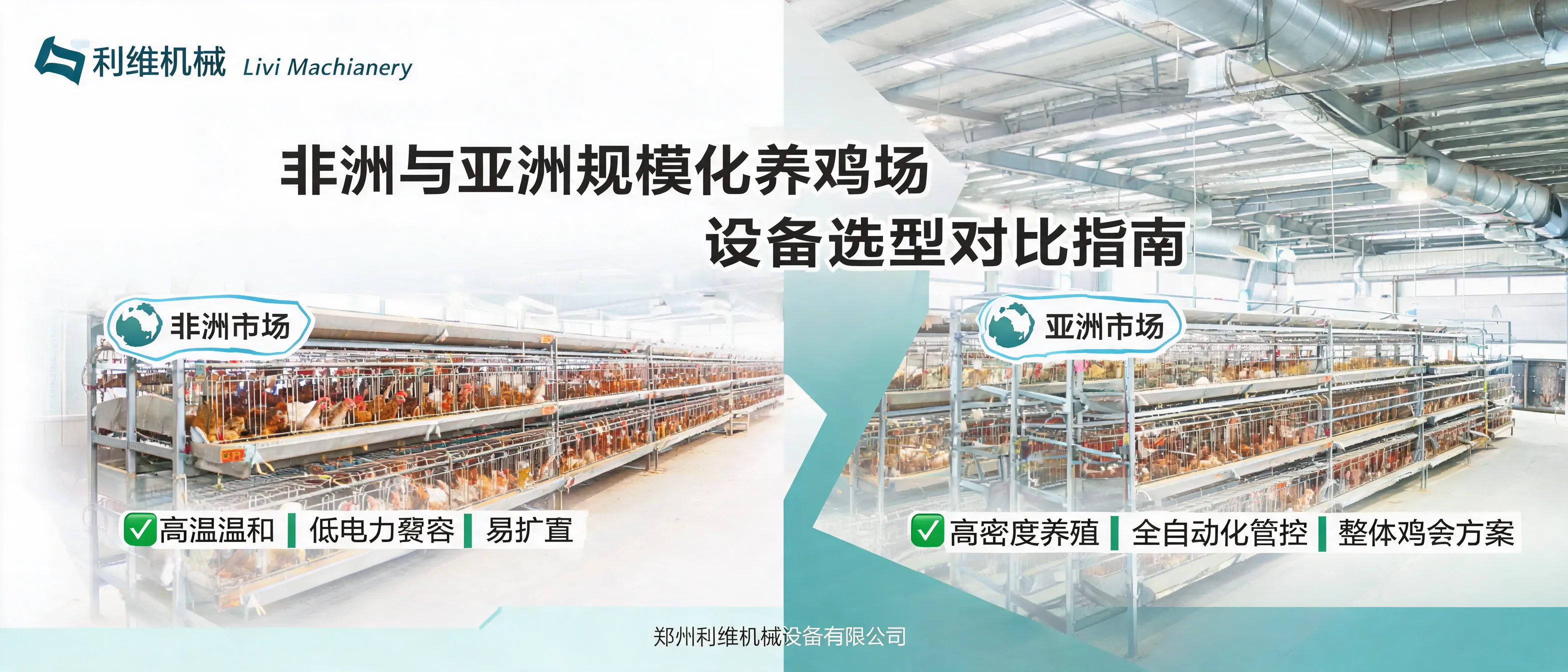
Scalable poultry projects in Africa and Asia often succeed or struggle based on one decision made early: choosing poultry farming equipment that matches the site’s automation level, climate conditions, power reliability, and expansion plan.
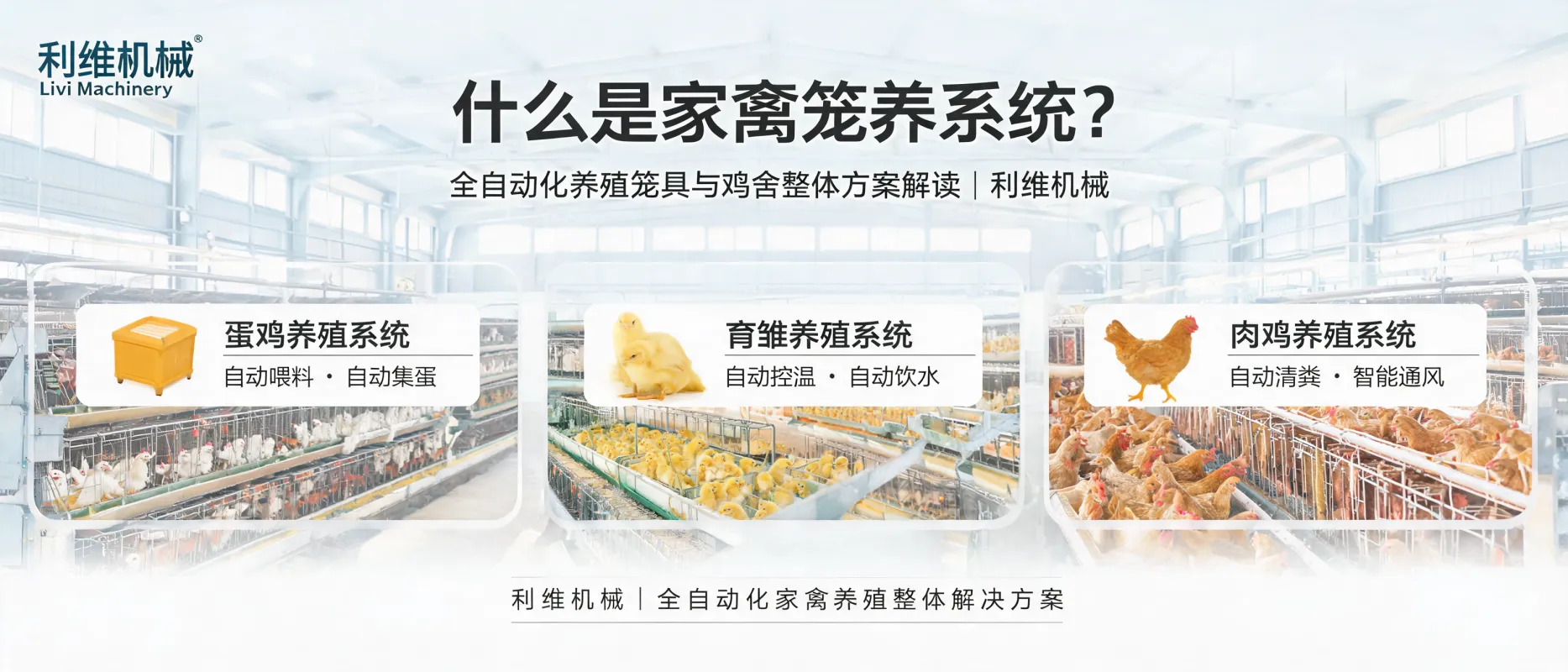
Livi Machinery (Zhengzhou Livi Machinery Manufacturing Co., Ltd.) supplies fully automated cage systems and integrated poultry house solutions for layer, broiler, and brooding/growing projects—covering planning, equipment configuration, installation guidance, and training so new builds and upgrades can be implemented with clearer standards.
What this page helps you do
- Compare equipment choices by automation level
- Check climate fit for hot/humid or variable regions
- Evaluate power/electricity conditions before committing
- Plan for expansion readiness (upgrade and scaling paths)
How to shortlist poultry farming equipment for scalable farms
Comparison framework: what “best equipment” means in Africa & Asia
There is no single “best” poultry farming equipment for every farm. The right choice is the one that fits your operating conditions and can be standardized across sheds. Use the comparison below to align equipment decisions with on-the-ground reality.
Equipment choices by automation level
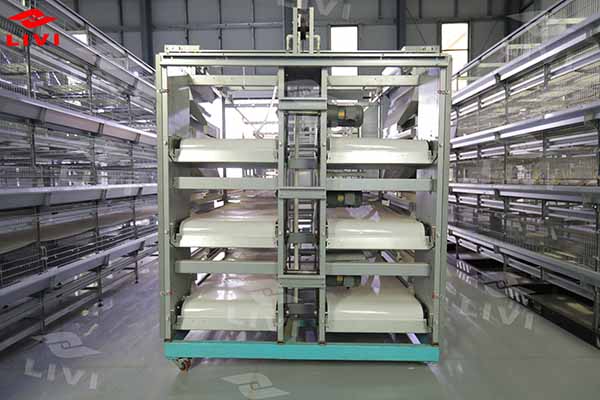
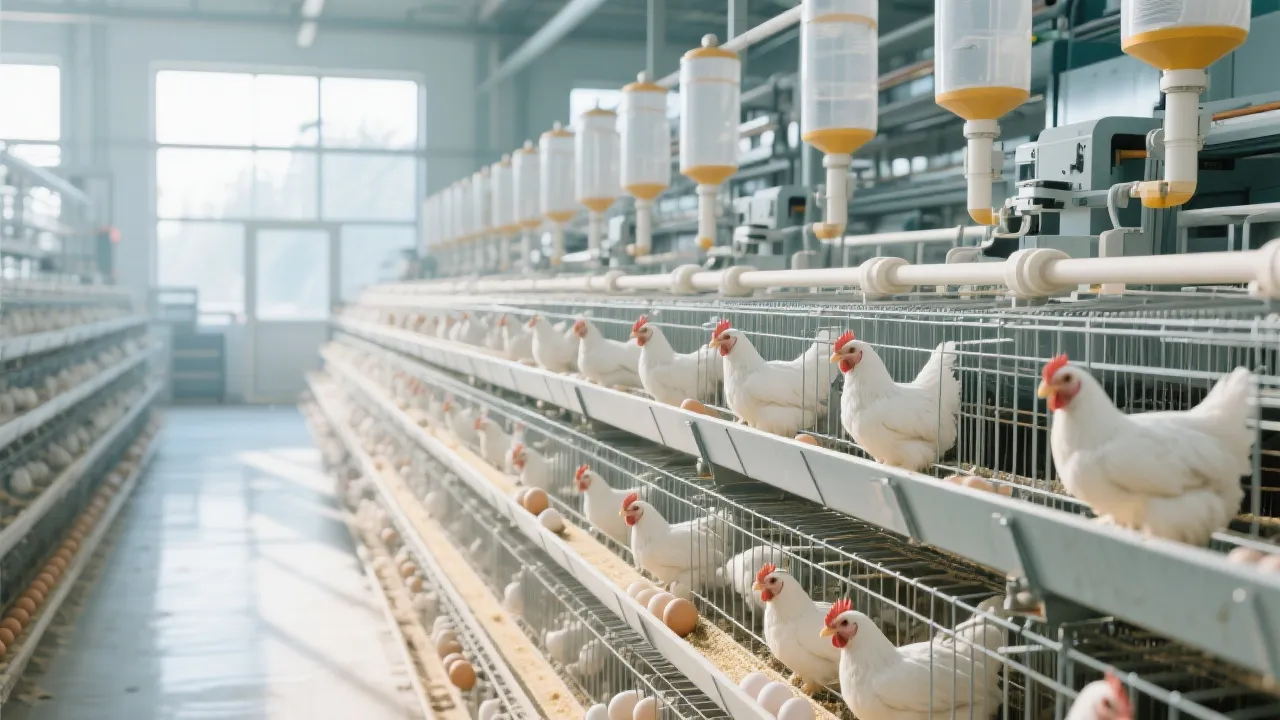
For procurement and project planning, it’s practical to categorize poultry farming equipment into automation tiers. Livi Machinery’s solution scope covers the integrated set: cage systems plus feeding, drinking, manure removal, egg collection (layers), and environmental control.
Standardized base (start scalable)
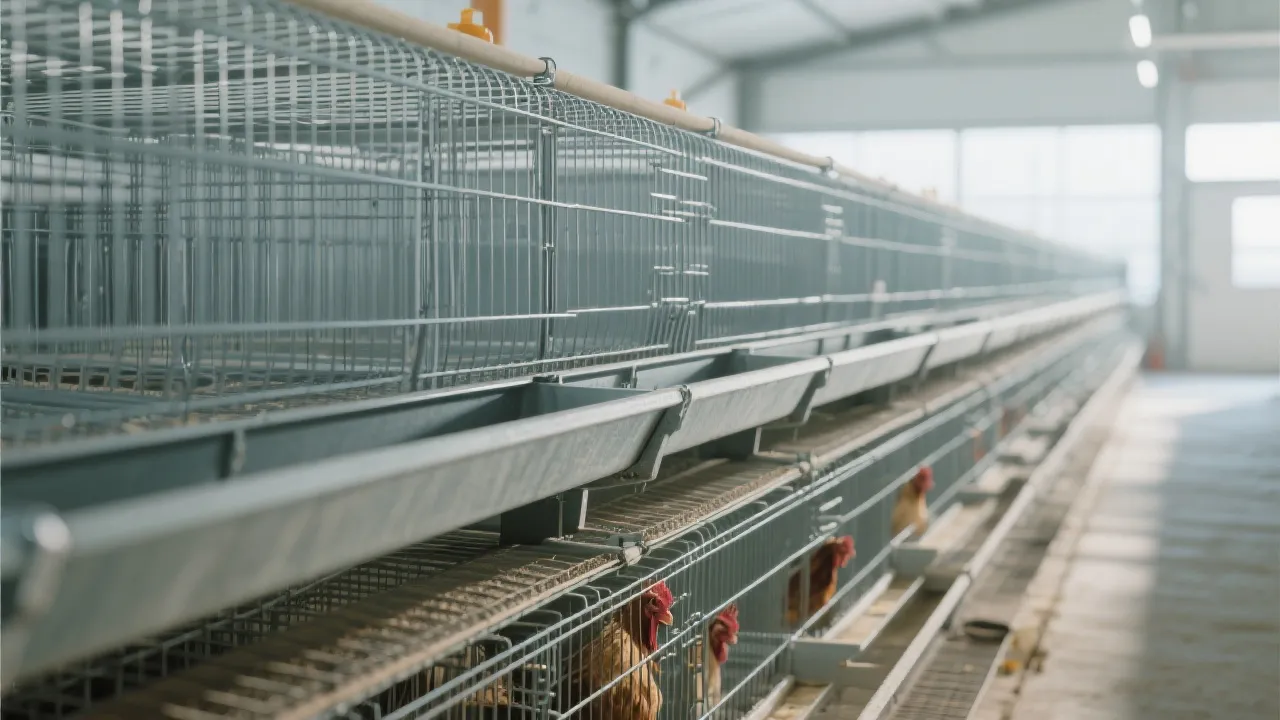
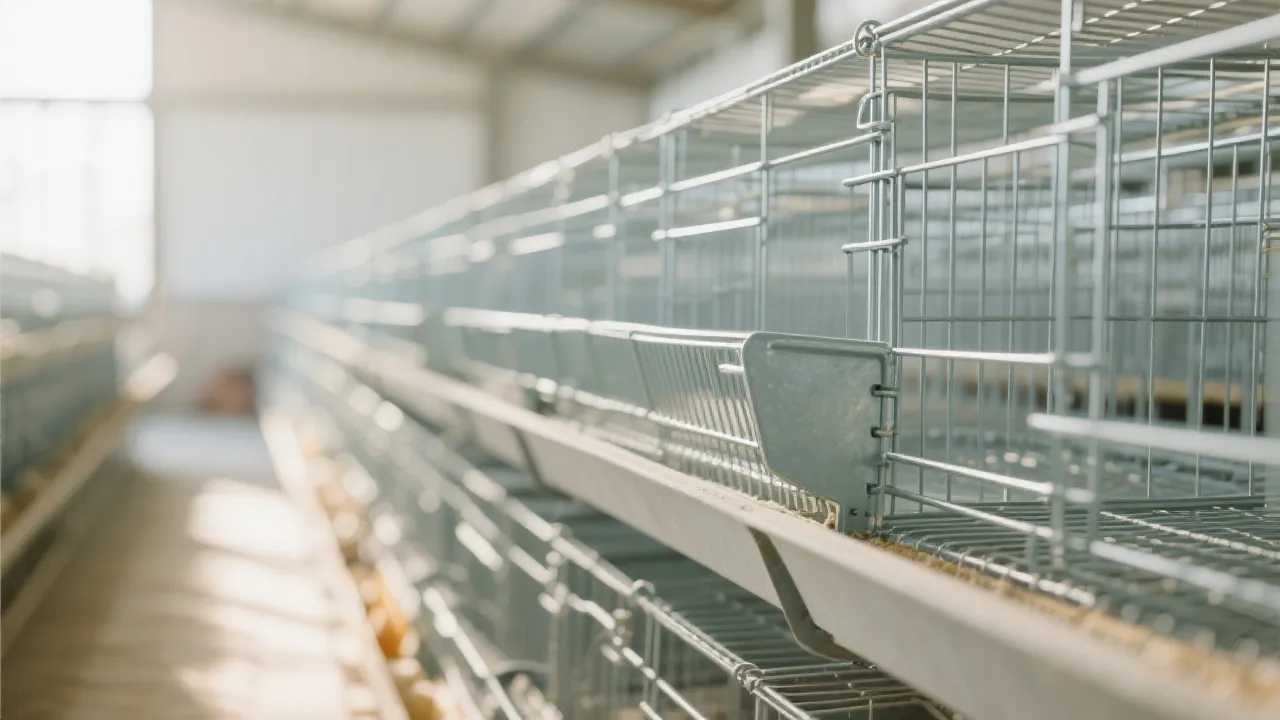
- Cage system matched to house layout
- Reliable drinking and feeding arrangement
- Manure handling planned from day one
Best when you need a clear operating routine and plan to add automation in phases.
High automation (labor efficiency focus)
- Automatic feeding for consistent delivery
- Automatic manure removal for hygiene and workload control
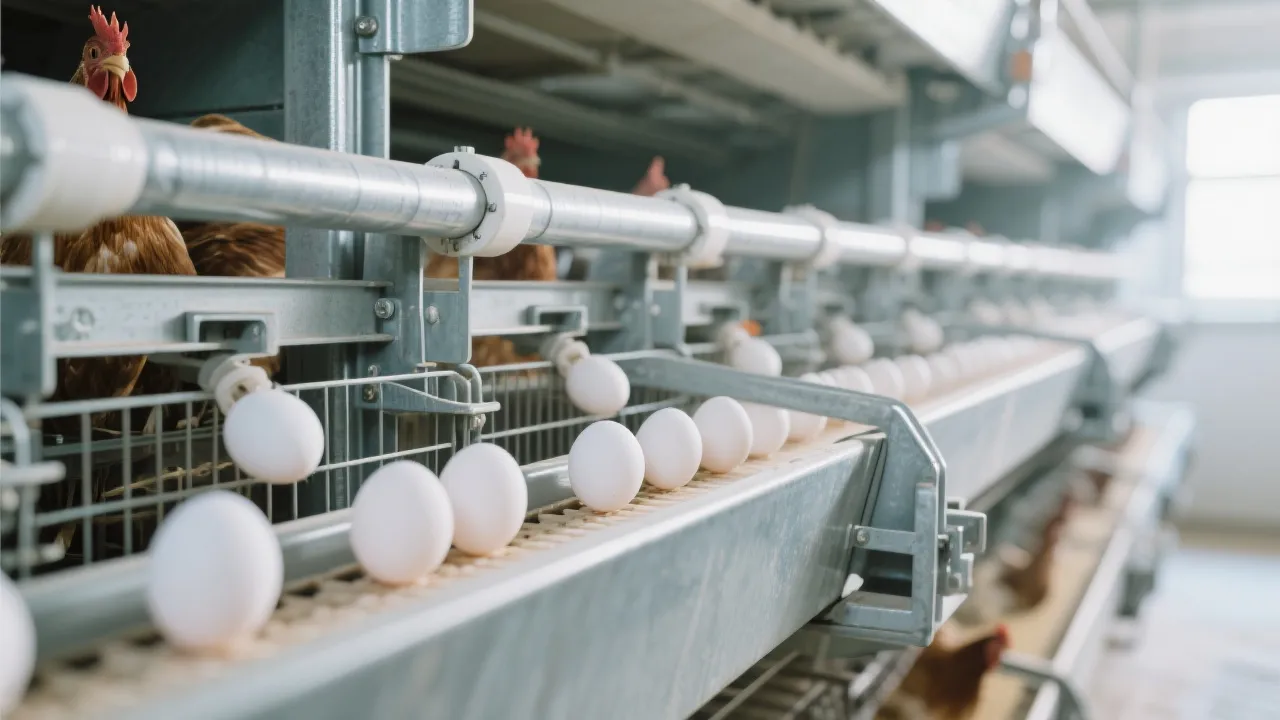
- Automatic egg collection for large layer farms
Best for larger farms that prioritize standardization and reduced repetitive labor.
Integrated house control (stability focus)
- Ventilation and cooling coordination
- Temperature/humidity sensing and practical control logic
- Lighting and day-age management compatibility
Best when climate variation and air quality management are key operational risks.
Climate adaptation: design decisions that affect equipment selection
In many African and Asian regions, heat and humidity can drive equipment requirements as much as farm size. A cage system may be technically suitable, but the poultry house layout and environmental control determine whether day-to-day management stays consistent.
- Ventilation pathway: plan airflow and service corridors so equipment installation and maintenance remain practical.
- Cooling strategy: coordinate fans, inlets, and cooling components based on local temperature patterns.
- Humidity & hygiene: manure removal rhythm and water system stability support a drier, cleaner house environment.
Power conditions: avoid under- or over-specifying automation
Power reliability varies widely across regions. The practical approach is to match the automation package to your electricity conditions so daily operations remain controllable.
You can prioritize higher automation integration across feeding, manure removal, egg collection (layers), and environmental control for consistent routines.
Focus on a scalable baseline that can operate predictably, then phase in automation modules as site utilities and backup planning mature.
Ask for a configuration that supports staged upgrades and clear maintenance access—this reduces rework during expansion.
Expansion readiness: plan your farm like a system, not a single shed
Scalable farms are built around repeatable standards—house layout logic, equipment compatibility, and an upgrade path. Livi Machinery supports integrated planning so the project can move from “equipment purchase” to “farm operation” with fewer mismatches.
New builds
- House planning aligned with cage type and service corridors
- Unified equipment list for standardized procurement
- Commissioning support and operation training
Upgrade projects
- Automation add-ons: feeding, drinking, manure removal
- Environment control additions based on local climate
- Installation guidance to reduce rework and downtime
Multi-house scaling
- Replicable layout and equipment standard
- Phased implementation with consistent interfaces
- Easier spare parts planning and staff training
What Livi Machinery provides within an integrated poultry farm solution
As a manufacturing-based solution provider, Livi Machinery delivers fully automated cage systems and integrated poultry house solutions for layers, broilers, brooding/growing, and floor rearing projects. The scope typically includes system configuration and practical implementation support—from planning to installation and training.
- Cage systems (layer / broiler / brooding & growing)
- Automatic feeding and drinking systems
- Automatic manure removal
- Automatic egg collection (layer projects)
- Poultry house environmental control equipment
- Poultry house layout planning and configuration guidance
- Installation guidance and commissioning coordination
- Operator training and maintenance guidance
- Project documents such as layouts and equipment lists when needed
- Poultry farm investors planning scalable new builds
- EPC/contractors needing a standardizable equipment package
- Distributors shortlisting scalable poultry farm solutions
Selecting poultry farming equipment for Africa and Asia works best when you evaluate the farm as an integrated system: automation + climate adaptation + power conditions + expansion readiness. Livi Machinery supports this system-first approach so your setup is easier to standardize and operate across growth stages.



Hot Products

.jpg?x-oss-process=image/resize,m_fill,h_800,w_800/format,webp)


Popular articles

READY TO START?
Ready to Build Your Poultry Farm?
Tell us your land size, poultry type and farming capacity. LIVI will provide a complete farm solution for your project.