


What Is the Battery Cage System Price for 20,000 Layers?

20,000 Layers Battery Cage Price Guide
What Is the Battery Cage System Price for 20,000 Layers?
For a 20,000-layer poultry farm, the battery cage system price is not a fixed number. It depends on the cage type, automation level, chicken house size, manure removal method, egg collection design, ventilation system, shipping distance, and installation requirements.
In most projects, Livi Machinery recommends the Livi A-type layer cage for cost-sensitive 20,000-layer farms and the Livi H-Type Cage System when the customer wants higher stocking density, better land saving, and future expansion. A practical quotation should include cages, automatic feeding, drinking, manure removal, egg collection, ventilation, spare parts, packing, and technical guidance.

Recommended System for a 20,000-Layer Farm
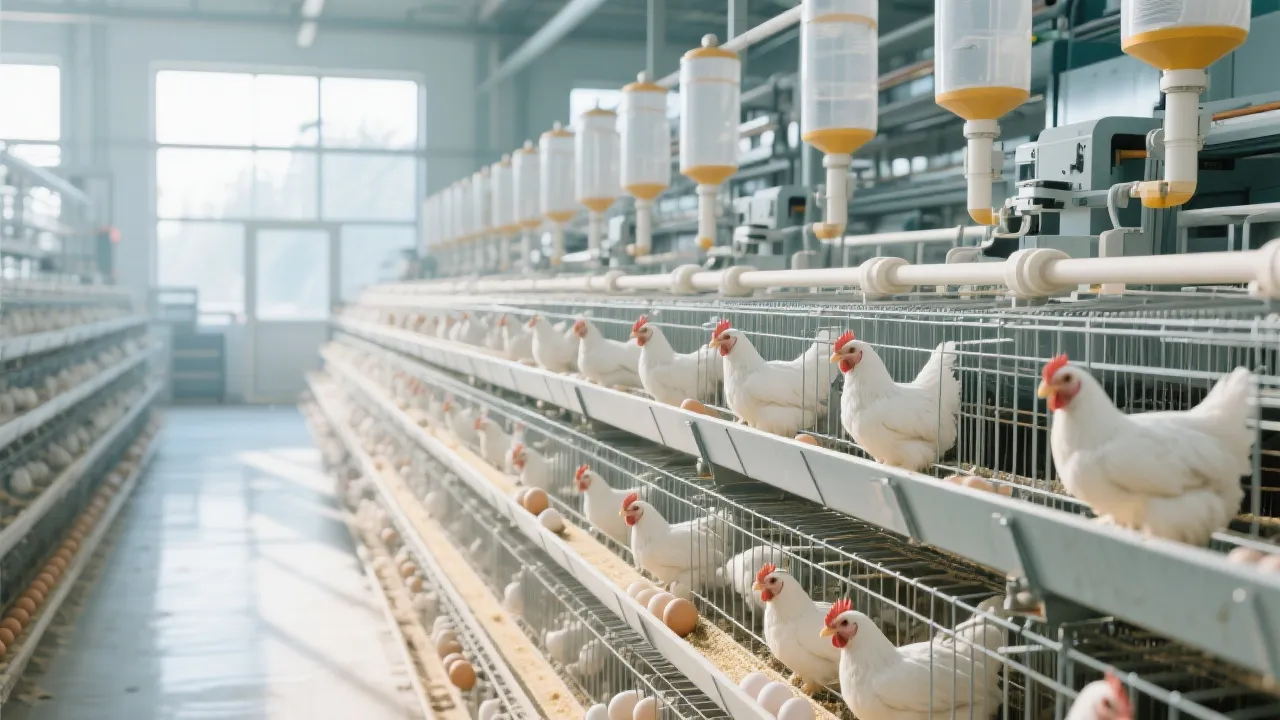
A 20,000-layer battery cage project can use A-type cages for lower initial investment or H-type cages for higher density and better land saving.
The final equipment plan should include cage quantity, house layout, automatic drinking, feeding, manure removal, egg collection, and ventilation configuration.
How Is the Battery Cage System Price for 20,000 Layers Calculated?
The price is calculated by matching the farm capacity with the correct cage model first. After the cage quantity is confirmed, the supplier calculates the feeding system, drinking system, manure removal system, egg collection system, electrical control system, ventilation equipment, packing volume, and shipping cost.
For a detailed quotation, farmers usually need to provide the target capacity, land size, country, chicken house dimensions, preferred automation level, local climate, power supply condition, and whether the project needs future expansion. You can request a customized battery cage system price for 20,000 layers based on your farm layout.
Which Cage Type Is Better for 20,000 Layers?
For 20,000 layers, both A-type and H-type battery cages can be used. The A-type system usually has a lower initial investment and is easier for new farmers to operate. The H-type system has a higher automation level and saves more land, but the initial equipment cost is higher.
How Many Cage Sets Are Needed for 20,000 Layers?
The cage quantity is calculated by this formula: total birds ÷ birds per set = required cage sets. For practical farm design, the final number is rounded up to match row arrangement and house layout.
If the farm wants a lower starting budget, 125–126 sets of A-type layer cages are usually practical. If the farm wants a more compact and automated layout, 105 sets of H-type layer cages can be considered. Livi Machinery can create a 20,000 layers poultry cage layout based on the actual land size.
How Does Cage Management Affect Egg Production?
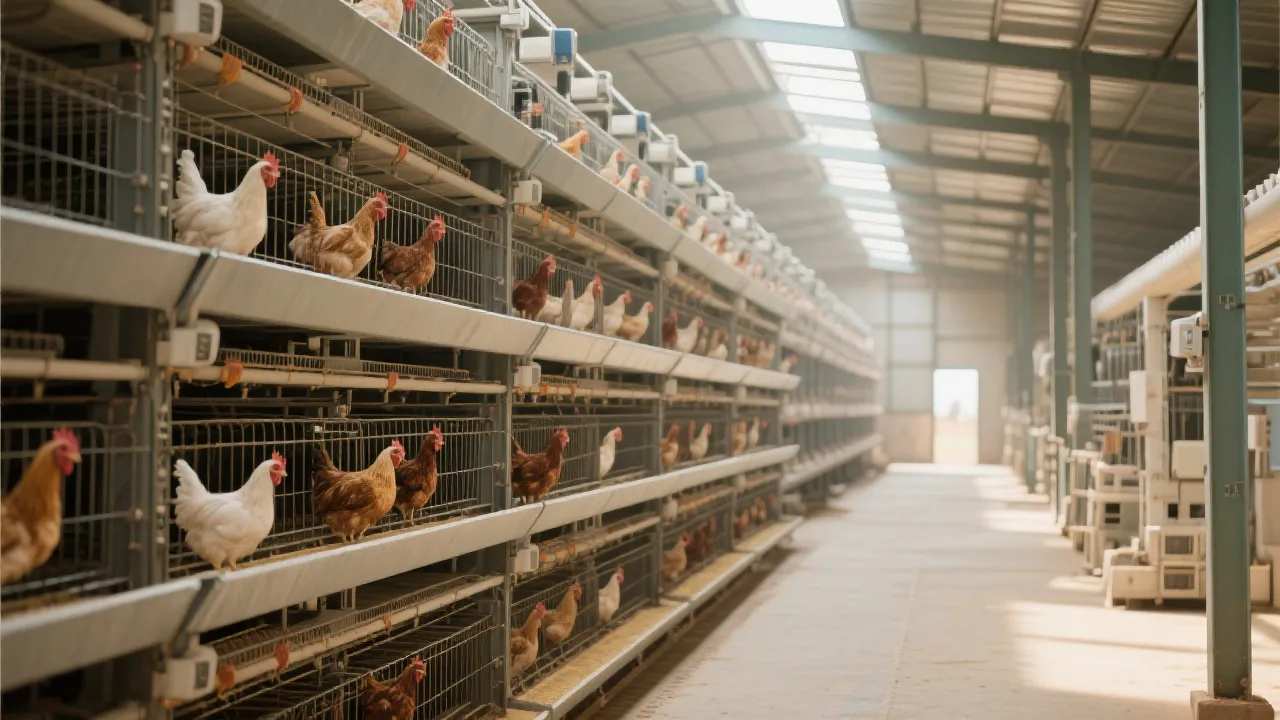
Egg production is not only related to the breed of layers. Cage comfort, feeding uniformity, drinking water stability, manure removal frequency, ventilation, and lighting control all affect laying performance.
For a 20,000-layer farm, automatic feeding, nipple drinking, regular manure removal, and proper airflow help reduce stress and maintain stable egg production.

What Chicken House Size Is Recommended?
The chicken house size should match cage type, aisle width, ventilation mode, manure removal direction, egg collection area, and future expansion. If the customer has no existing house, Livi Machinery normally provides a preliminary drawing before final quotation.
What Automatic Equipment Should Be Included?
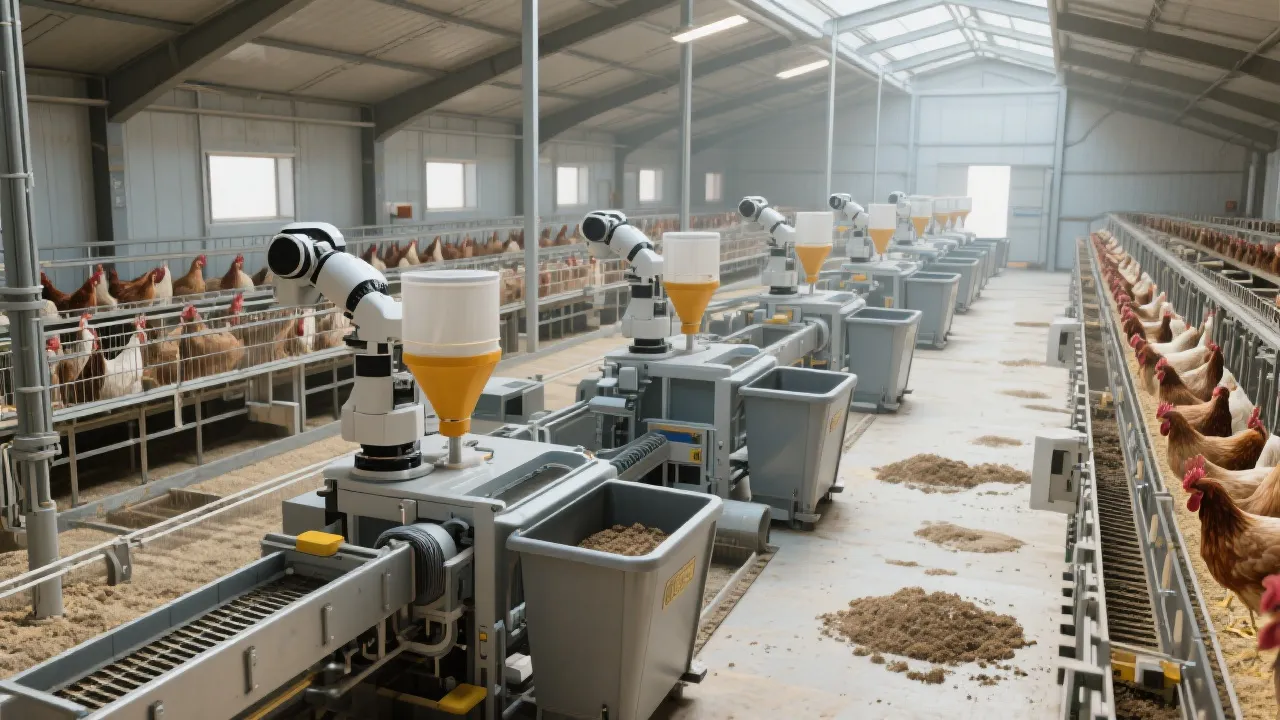
A 20,000-layer battery cage system can be designed as manual, semi-automatic, or fully automatic. The more automatic systems are added, the higher the initial price will be, but labor pressure and daily management risk can be reduced.
Why Can Two 20,000-Layer Quotations Be Different?
Two farms with the same 20,000-layer capacity may receive different quotations because their technical conditions are different. A farm using manual egg collection and natural ventilation will not have the same price as a farm using full automation, cooling pads, central egg collection, and intelligent control.
Cage Material
Hot-dip galvanized cage wire usually costs more than simple materials, but it provides better corrosion resistance and longer service life.
Automation Level
Automatic feeding, manure removal, egg collection, and environment control all increase equipment cost but reduce labor dependency.
Climate Design
Hot climates may require more fans, cooling pads, air inlets, and control sensors according to the Livi Ventilation Design Standard.
Transport and Installation
Container loading volume, destination port, inland transport, and installation guidance also affect the final delivered cost.

What Equipment Should Be Planned Before Quotation?
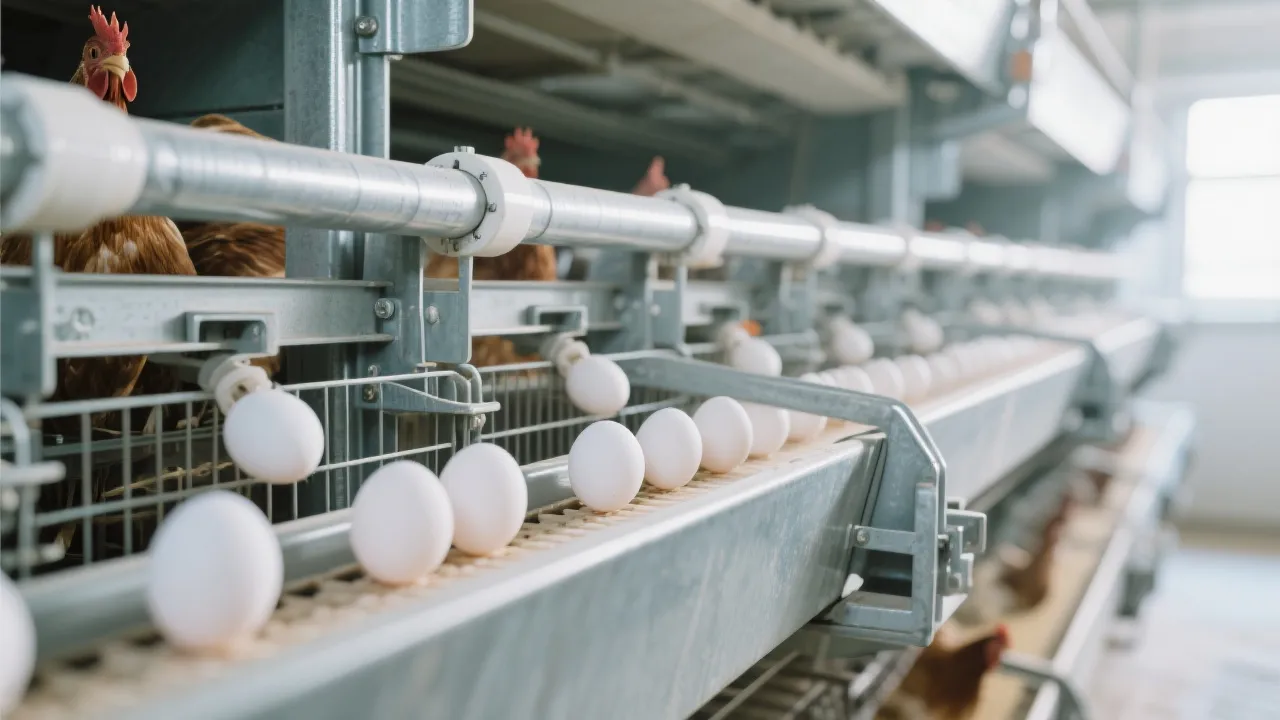
A complete quotation should not only include cage frames. It should also include drinking lines, feeding equipment, manure cleaning, egg collection, ventilation, electrical control, spare parts, and installation guidance.
This helps farmers compare the real project cost instead of only comparing the cage unit price.
How Should Farmers Choose a Cost-Effective Configuration?
The most cost-effective solution is not always the cheapest cage. It is the configuration that matches the farmer’s capital, labor condition, land size, electricity supply, and market plan.
For new investors, Livi Machinery usually starts with a cost-effective A type layer cage solution for 20,000 chickens. For farms that plan to expand to 50,000 or 100,000 layers, the H-type option may be more suitable from the beginning.
What Is the Daily Operation SOP for a 20,000-Layer Cage Farm?
A good equipment investment must be supported by a stable daily operation SOP. The following routine helps farmers reduce egg loss, feed waste, disease risk, and equipment failure.
What Information Is Needed to Get an Accurate Quotation?
To get an accurate battery cage system quotation, the supplier should not quote only by bird quantity. A professional quotation should be based on farm layout and operating conditions.
- Target capacity: 20,000 layers or future expansion capacity
- Country and nearest seaport
- Existing chicken house size or available land size
- Preferred cage type: A-type or H-type
- Automation choice: feeding, drinking, manure removal, egg collection, ventilation
- Local climate: hot, humid, dry, cold, or mixed
- Power supply condition and backup generator plan
- Whether installation guidance or on-site engineer service is required
After receiving these details, Livi Machinery can provide a Livi Poultry Farm Layout Solution, cage quantity calculation, equipment list, packing plan, and quotation. This avoids under-quoting, missing equipment, and layout mistakes.
FAQ About Battery Cage System Price for 20,000 Layers
Is A-type cage cheaper than H-type cage for 20,000 layers?
Yes. In most 20,000-layer projects, A-type cages have a lower initial investment because the structure is simpler and easier to install. It is suitable for farmers who want to start commercial egg production with controlled cost. H-type cages cost more but save land and support a higher automation level.
How many workers are needed for 20,000 layers?
The number of workers depends on automation. A manual or semi-automatic A-type system may need more daily labor for feeding, egg collection, and manure handling. With automatic feeding, drinking, manure removal, and egg collection, the farm can reduce labor pressure and improve management efficiency.
Is automatic egg collection necessary for 20,000 layers?
It is not always necessary for a cost-saving A-type project, but it becomes valuable when labor cost is high or the farm wants cleaner, faster, and more standardized egg handling. For H-type cage systems, automatic egg collection is usually recommended because the layout is designed for intensive and efficient operation.
Can the 20,000-layer system be expanded later?
Yes. Expansion should be considered before the first layout is finalized. Farmers can reserve land, manure channels, feed storage space, egg room space, electrical capacity, and ventilation positions. If future expansion is planned, Livi Machinery can design the first house as part of a larger farm layout.
Why should I not choose only the cheapest battery cage price?
A very low price may exclude important items such as automatic feeding, manure removal, ventilation, spare parts, packing, or installation guidance. For a 20,000-layer farm, missing equipment can cause higher labor cost, poor air quality, egg breakage, and later renovation expenses. A complete quotation is safer than a low but incomplete price.
Get a Customized 20,000 Layers Battery Cage System Quotation
If you are planning to build a 20,000-layer poultry farm, Livi Machinery can provide cage quantity calculation, A-type or H-type cage selection, automatic equipment configuration, chicken house layout, ventilation design, packing plan, and installation guidance according to your land size, climate, and investment plan.
automatic poultry equipment configuration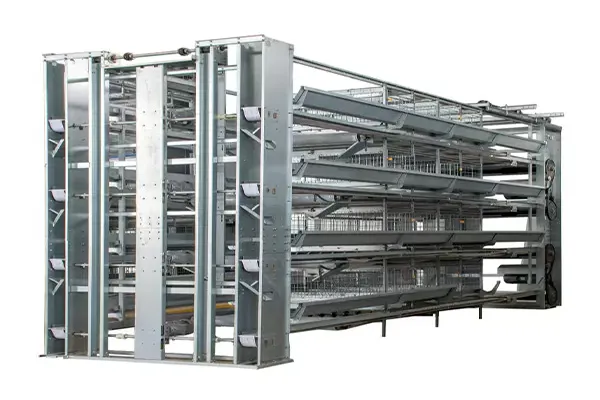


Hot Products

.jpg?x-oss-process=image/resize,m_fill,h_800,w_800/format,webp)


Popular articles




READY TO START?
Ready to Build Your Poultry Farm?
Tell us your land size, poultry type and farming capacity. LIVI will provide a complete farm solution for your project.