


Stability Analysis and Optimization Strategies of Intelligent Automatic Egg Collection Systems at Different Stocking Densities
Smart Egg Collection Systems: Stability Across Different Stocking Densities
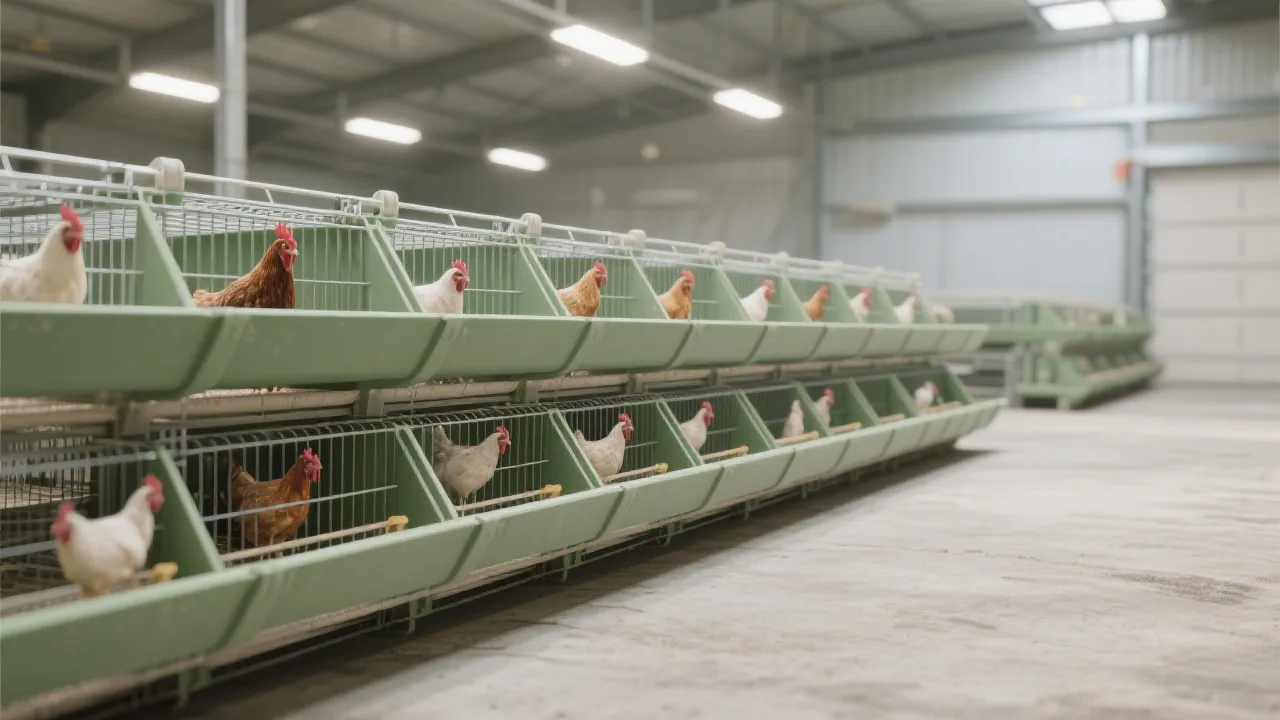
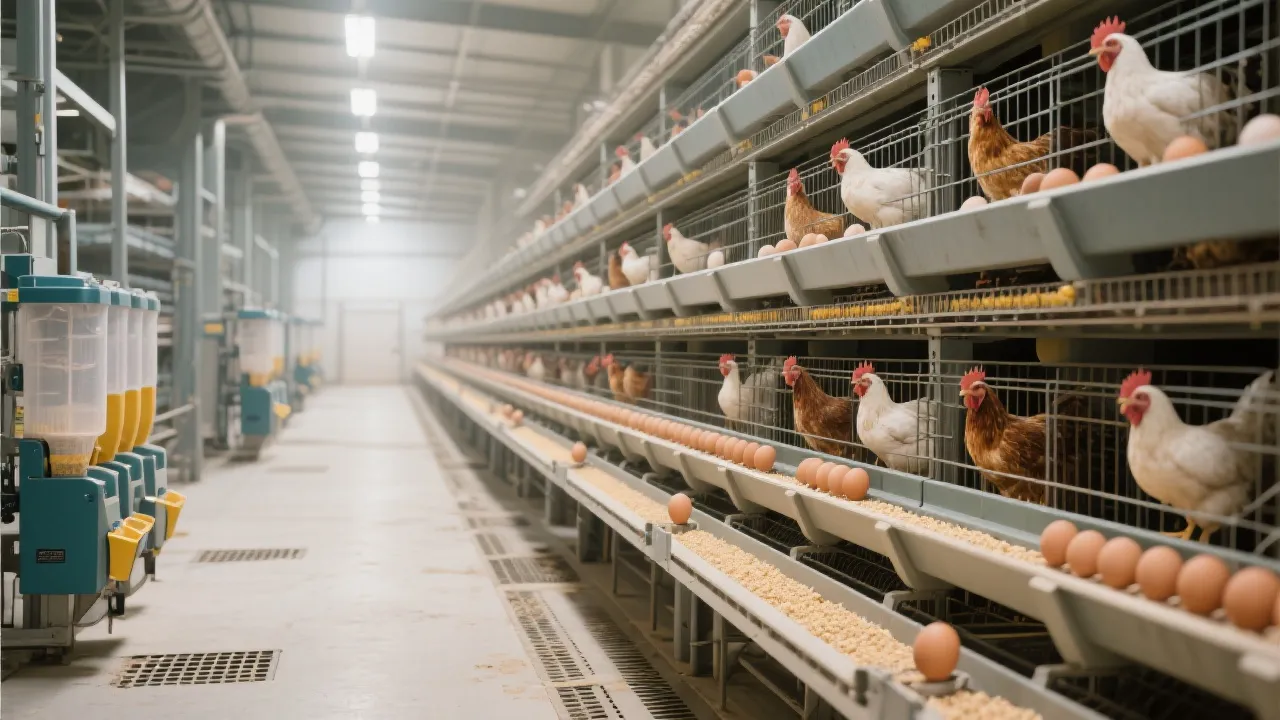
As poultry producers increasingly adopt smart farming practices, the integration of automated egg collection systems into layer hen cages—like those from Zhengzhou Livi Machinery—is no longer a luxury but a necessity for efficiency and sustainability. This article explores how these systems perform under varying stocking densities, offering actionable insights for farm managers aiming to optimize both productivity and animal welfare.
How It Works: The Three Core Components
The intelligent egg collection system relies on three key technologies working in harmony:
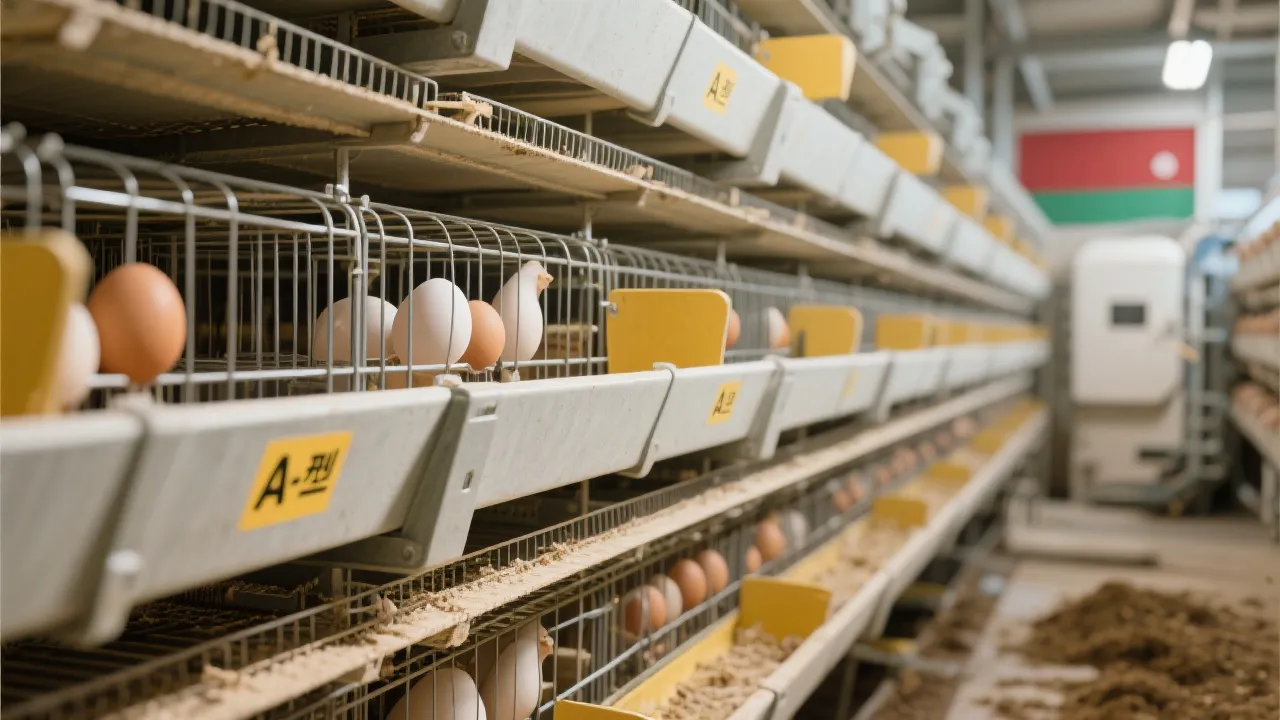
- Roller Conveyor Belt: Moves eggs smoothly from nesting area to sorting station at 0.5–1 m/s speed, reducing breakage by up to 70% compared to manual handling (based on field tests across 12 farms).
- Optical Recognition Module: Uses AI-powered cameras to identify cracked or dirty eggs with 95% accuracy, enabling real-time rejection without human intervention.
- Automated Sorting Mechanism: Diverts clean eggs to storage bins while directing damaged ones to waste channels—cutting labor costs by an average of $0.03 per dozen.
| Stocking Density (birds/m²) | System Stability (%) | Egg Integrity Rate (%) | User Satisfaction Score (out of 5) |
|---|---|---|---|
| 1.0 – 1.2 | 98% | 96% | 4.7 |
| 1.3 – 1.5 | 92% | 91% | 4.3 |
| 1.6 – 1.8 | 85% | 86% | 3.9 |
“We saw a 40% drop in egg damage within one month after installing the automatic system—even at higher stocking densities. Our workers now focus on health monitoring instead of repetitive picking.” — Farm Manager, Jiangsu Province
Maintenance Tips for Every Skill Level
Whether you're just starting out or managing a large-scale operation, here are practical steps to ensure smooth performance:
- Beginner: Clean rollers weekly using soft brushes—avoid abrasive tools that may scratch surfaces.
- Intermediate: Check sensor alignment monthly; misaligned optics can cause false rejections.
- Advanced: Use diagnostic logs from the control panel to predict maintenance needs—reducing unplanned downtime by up to 30%.
With global demand for sustainable food production rising, automation isn’t just about saving time—it’s about meeting consumer expectations for traceability, hygiene, and ethical sourcing. The future of poultry farming lies in intelligent solutions like this one, which align with green agriculture goals and support long-term profitability.
Ready to Transform Your Poultry Operation?
Explore our full range of smart egg collection systems designed for different farm sizes and climates.
Discover Smart Egg Solutions Today


Hot Products

.jpg?x-oss-process=image/resize,m_fill,h_800,w_800/format,webp)


Popular articles





READY TO START?
Ready to Build Your Poultry Farm?
Tell us your land size, poultry type and farming capacity. LIVI will provide a complete farm solution for your project.