


Technical Breakdown and Application Guide of Automatic Egg Collection System: In - depth Explanation of Roller Conveyor Belt and Induction Recognition Device
Technical Breakdown and Application Guide of the Automatic Egg Collection System: A Detailed Explanation of Roller Conveyor Belts and Inductive Recognition Devices
In the modern poultry farming industry, automation has become a key factor in improving efficiency and reducing costs. Zhengzhou Livi Machinery's high - efficiency H - type layer chicken cages are equipped with an advanced automatic egg collection system. This article will delve into the core technologies of this system, with a focus on the working principles and applications of roller conveyor belts and inductive recognition devices.
The Synergy of Roller Conveyor Belts and Inductive Recognition Devices
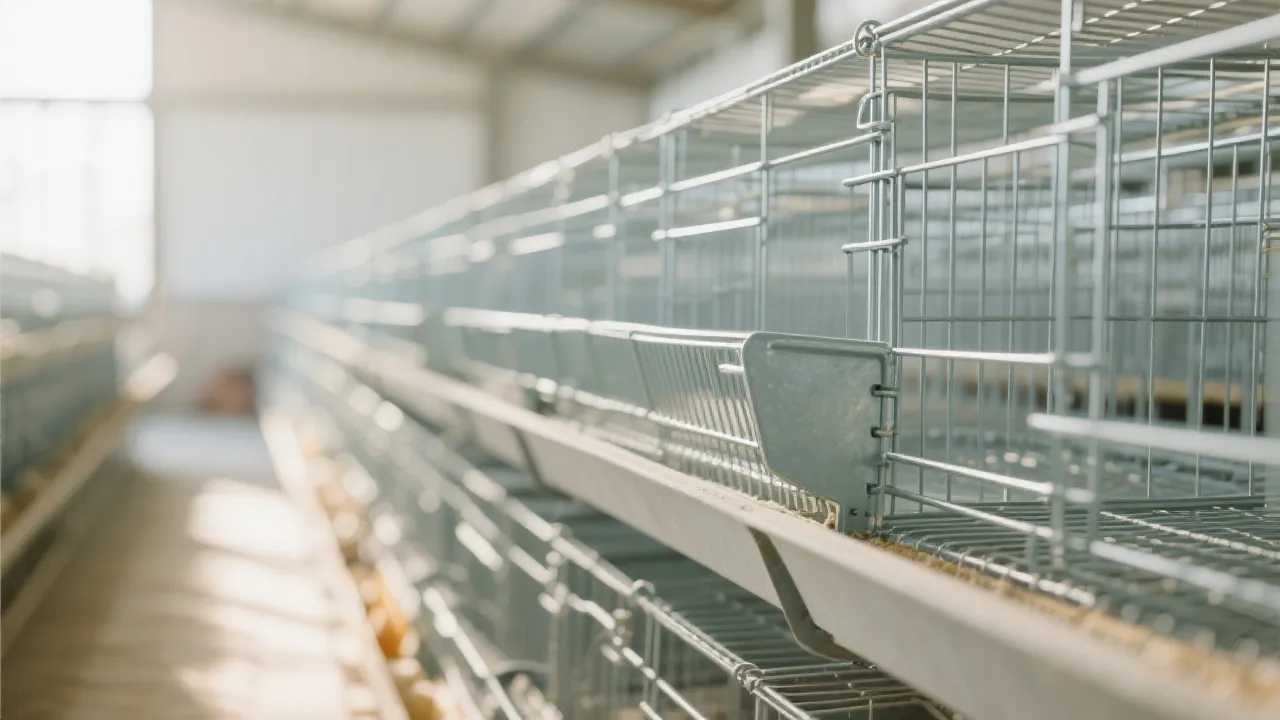
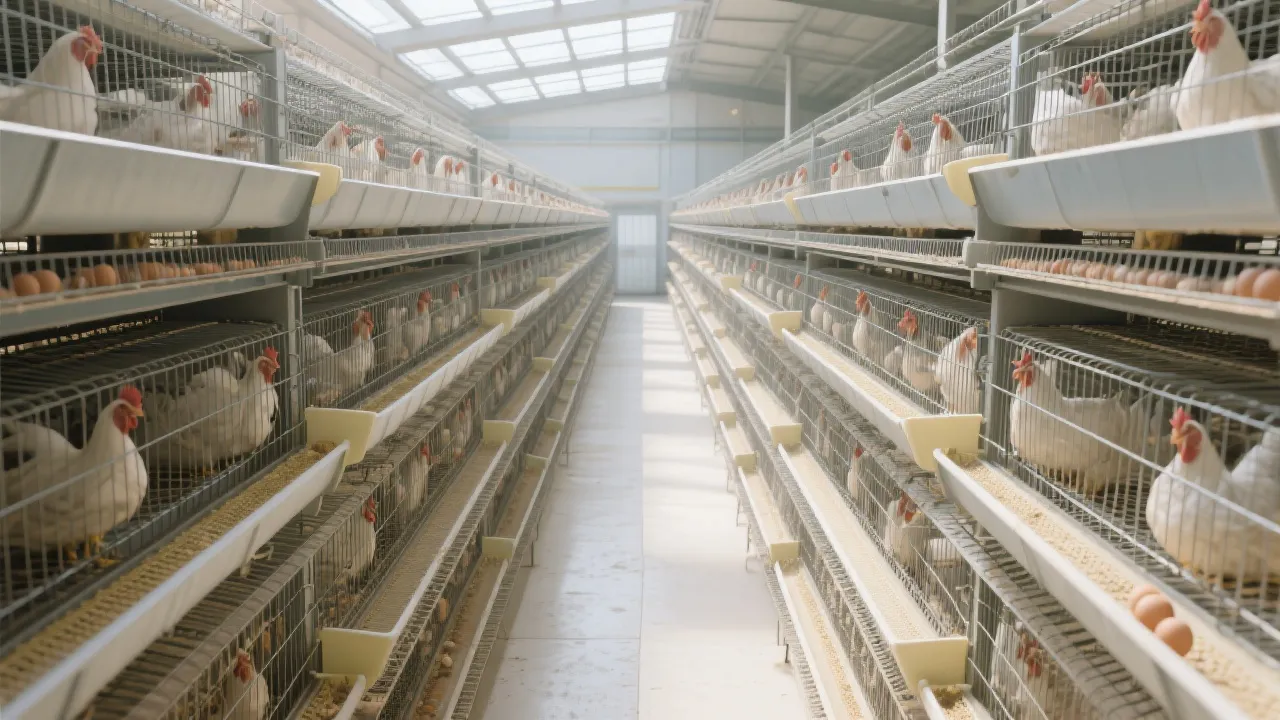
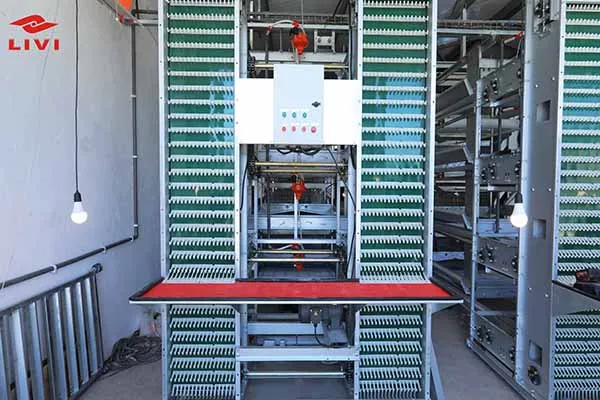
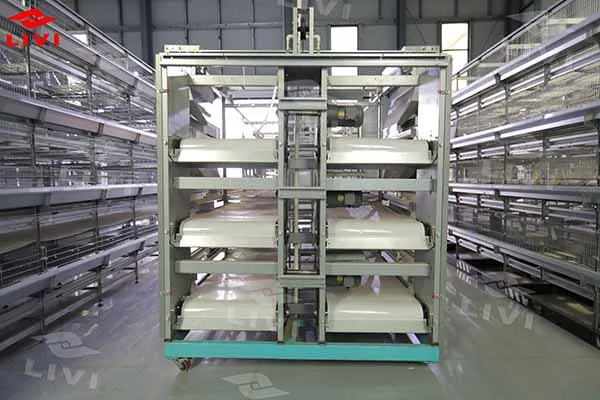
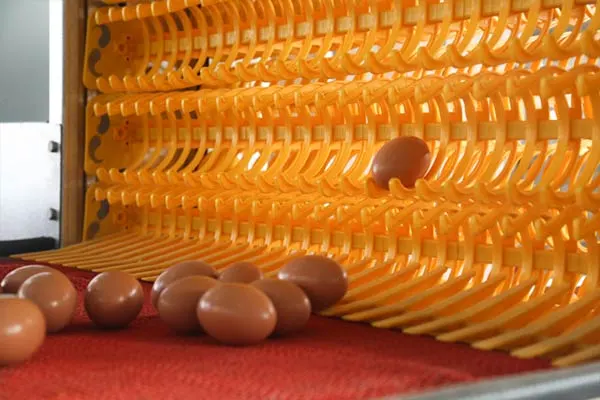
The roller conveyor belt is the backbone of the automatic egg collection system. It is designed to gently transport eggs from the chicken cages to the collection point. The smooth surface of the rollers ensures that eggs are not damaged during transportation. The speed of the conveyor belt can be adjusted according to the production rate of the chicken flock, which generally ranges from 0.5 to 2 meters per minute. This flexibility allows for optimal egg collection in different farming scenarios.
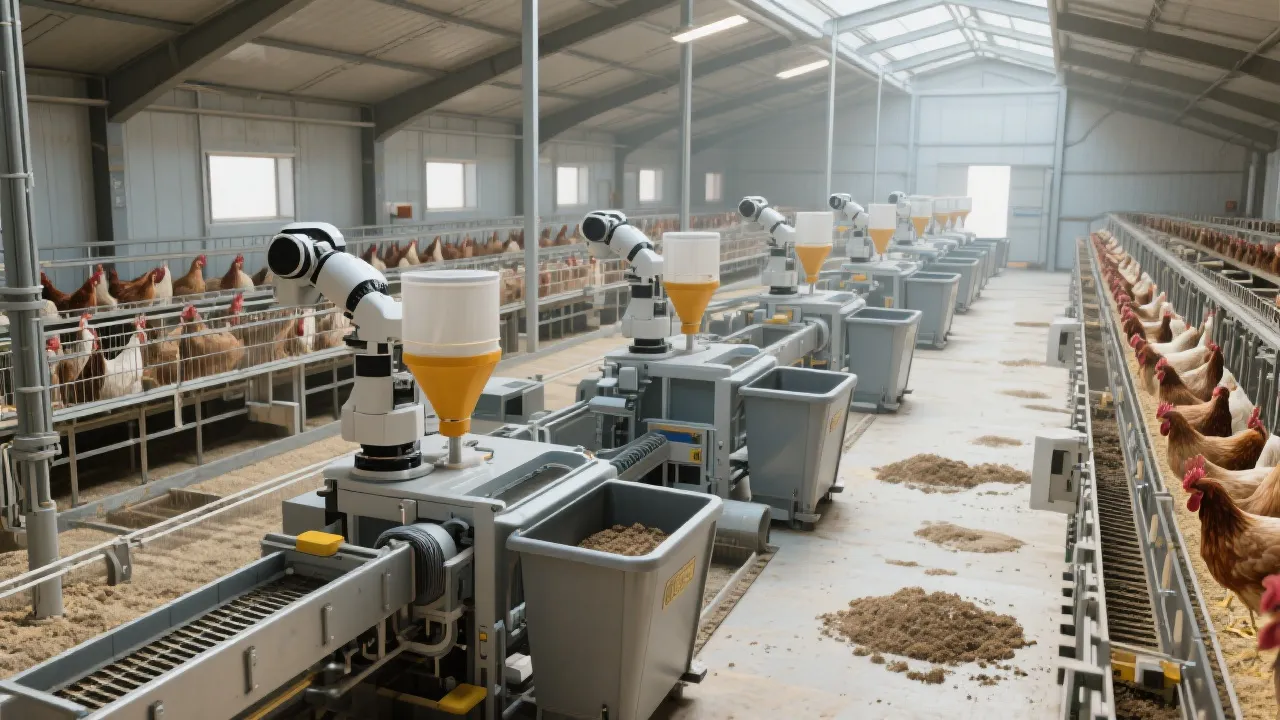
The inductive recognition device works in tandem with the roller conveyor belt. It uses advanced sensors to detect the presence, size, and quality of eggs. For example, it can identify cracked eggs and divert them to a separate collection area. The accuracy of this device in detecting cracked eggs can reach up to 95%, which greatly improves the integrity rate of the collected eggs.
Advantages for Different Levels of Farmers
For novice farmers, the automatic egg collection system significantly reduces the learning curve. They can quickly achieve efficient egg collection without extensive training. By automating the egg - collection process, labor costs can be reduced by up to 30%. This is a substantial saving, especially for small - scale farms.
Experienced farmers can also benefit from this system. It allows them to scale up their operations more easily. With the system in place, they can manage larger chicken flocks with the same amount of labor. Moreover, the system helps maintain the health of the chicken flock. By reducing the frequency of human contact, the risk of disease transmission is minimized.
System Stability under Different Stocking Densities
The automatic egg collection system has been tested under various stocking densities. At low stocking densities (less than 6 hens per square meter), the system operates smoothly with an egg integrity rate of over 98%. As the stocking density increases to medium (6 - 8 hens per square meter) and high (over 8 hens per square meter) levels, the system still maintains high performance. However, at high densities, the conveyor belt speed may need to be slightly adjusted to ensure all eggs are collected in a timely manner.
Industry Prospects and Policy Alignment
In the era of smart farming and green agriculture, the automatic egg collection system aligns perfectly with industry trends. Many countries are promoting policies that encourage the use of intelligent and sustainable farming technologies. This system not only improves production efficiency but also reduces the environmental impact of poultry farming. For example, by reducing labor requirements, it lowers energy consumption associated with human - operated egg collection.
Practical Tips and Troubleshooting
Regular maintenance of the roller conveyor belt and inductive recognition device is crucial. The conveyor belt should be cleaned at least once a week to prevent the accumulation of dirt and debris. The sensors of the inductive recognition device should be calibrated monthly to ensure accurate detection. If the system encounters problems such as a jammed conveyor belt or inaccurate egg detection, the user can refer to the detailed troubleshooting guide provided by the manufacturer.
Are you ready to take your poultry farming to the next level? Discover more intelligent farming solutions and get a customized solution consultation today!





Hot Products

.jpg?x-oss-process=image/resize,m_fill,h_800,w_800/format,webp)


Popular articles






READY TO START?
Ready to Build Your Poultry Farm?
Tell us your land size, poultry type and farming capacity. LIVI will provide a complete farm solution for your project.