


Analysis of the Advantages of Automatic Egg Collection Systems: How to Reduce Labor Costs and Improve Egg Production Efficiency?
The Advantages of Automatic Egg Collection Systems: Reducing Labor Costs and Boosting Egg Production Efficiency
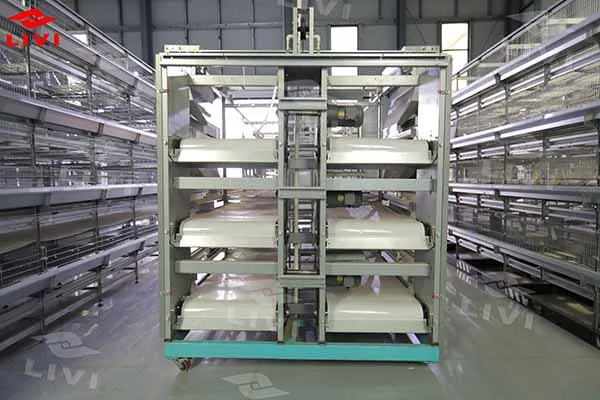
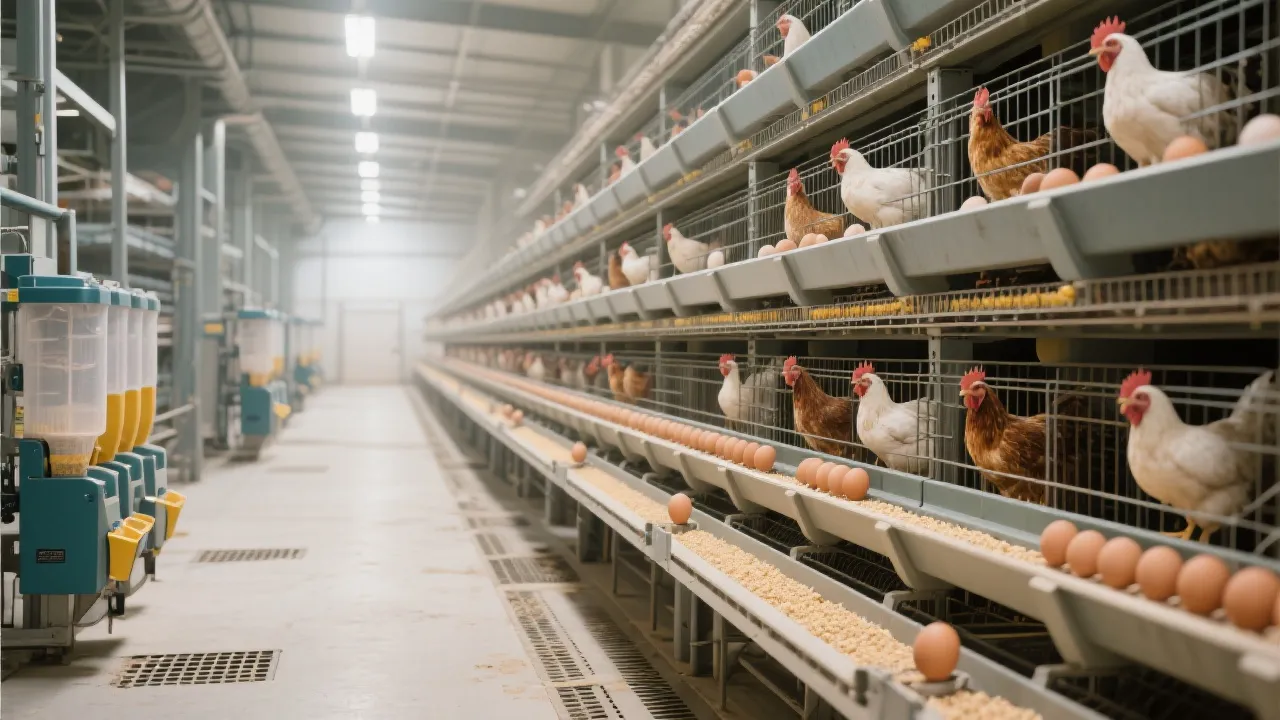
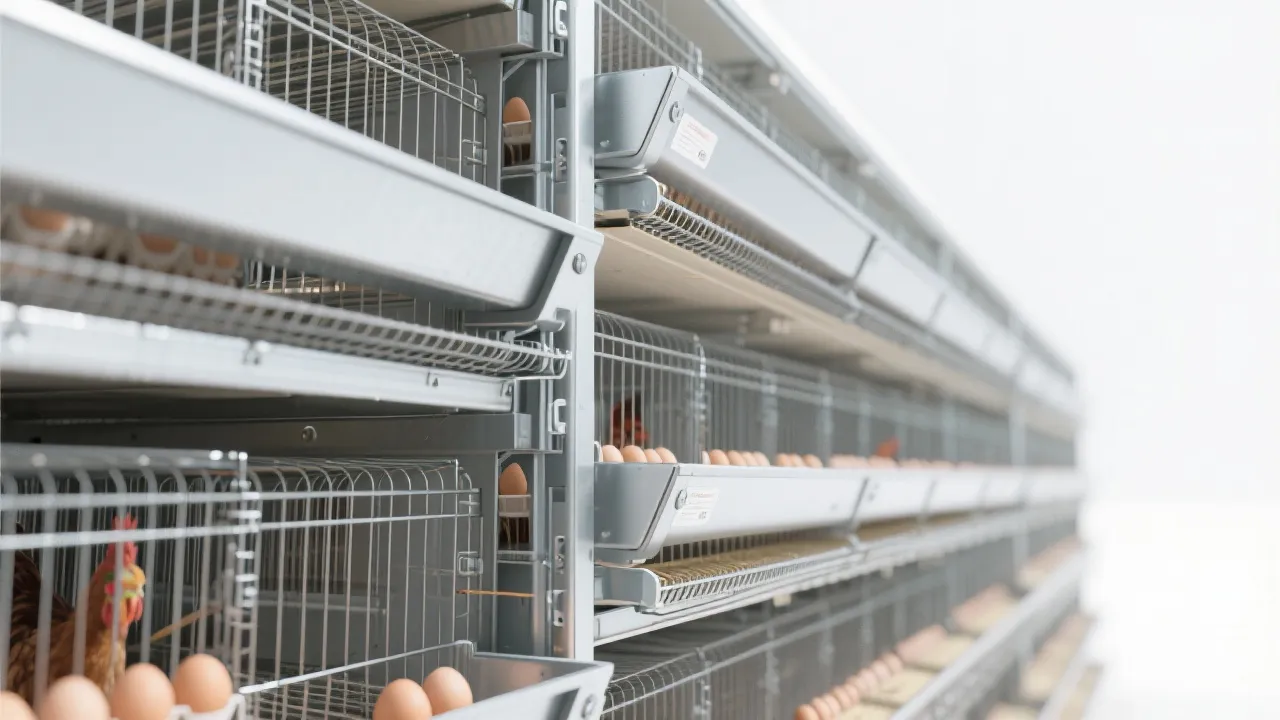
In modern egg - laying chicken farming, the automatic egg collection system has emerged as a game - changer. This article delves deep into the high - efficiency H - type layer chicken cages equipped with an automatic egg collection system provided by Zhengzhou Livi Machinery. It focuses on how this system leverages roller conveyors, induction recognition devices, and sorting modules to achieve full - process automation of egg collection, thereby enhancing egg production efficiency and significantly reducing labor costs.
Addressing Farming Pain Points
Traditional egg collection methods are labor - intensive and prone to errors. Manual collection not only requires a large workforce but also has a relatively low efficiency. According to industry data, in a medium - sized chicken farm with about 10,000 chickens, manual egg collection can cost up to $5,000 per month in labor. The automatic egg collection system effectively solves these problems. It can operate 24/7, reducing the need for manual labor and minimizing the risk of human - induced damage to eggs.
Technical Principles and Core Components
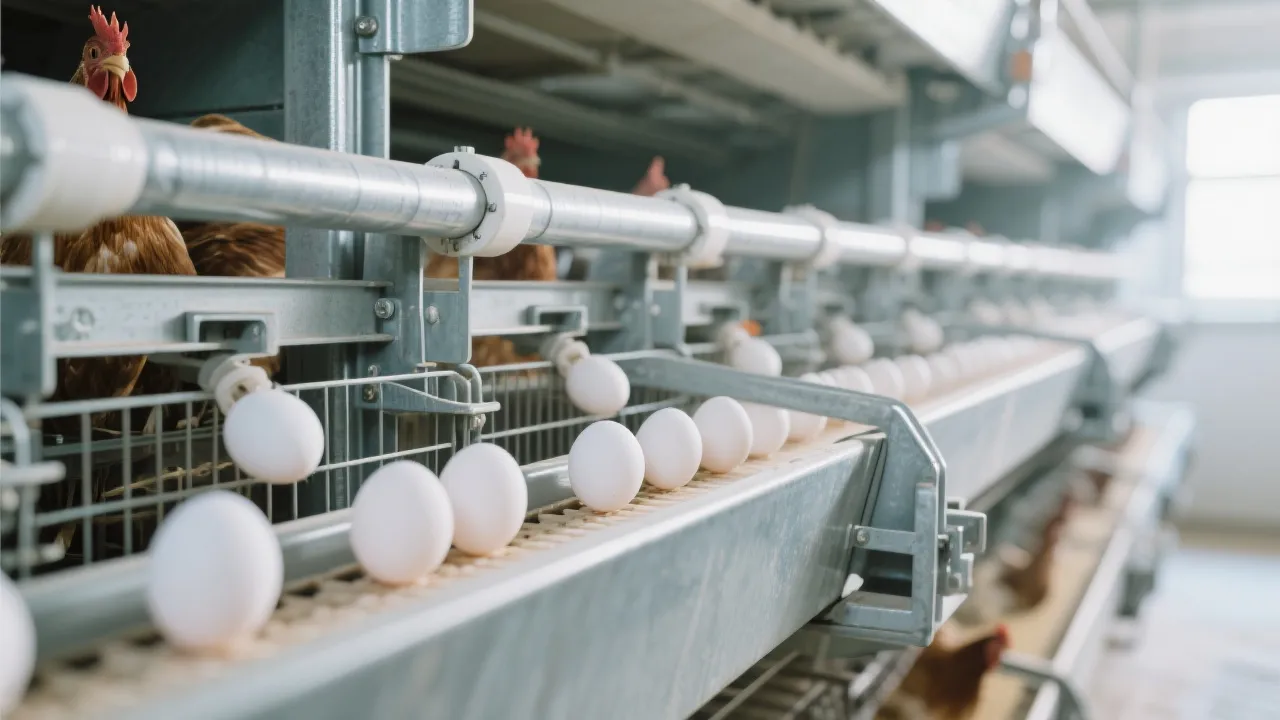
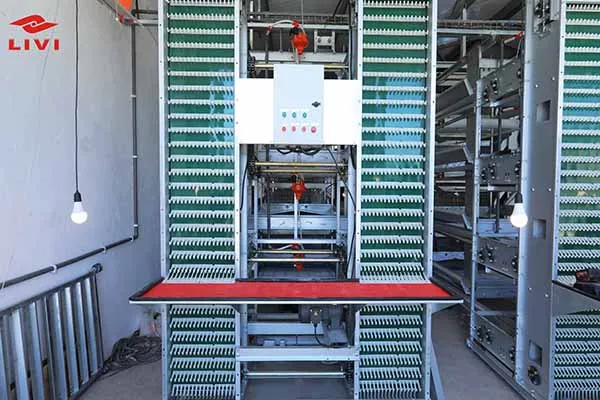
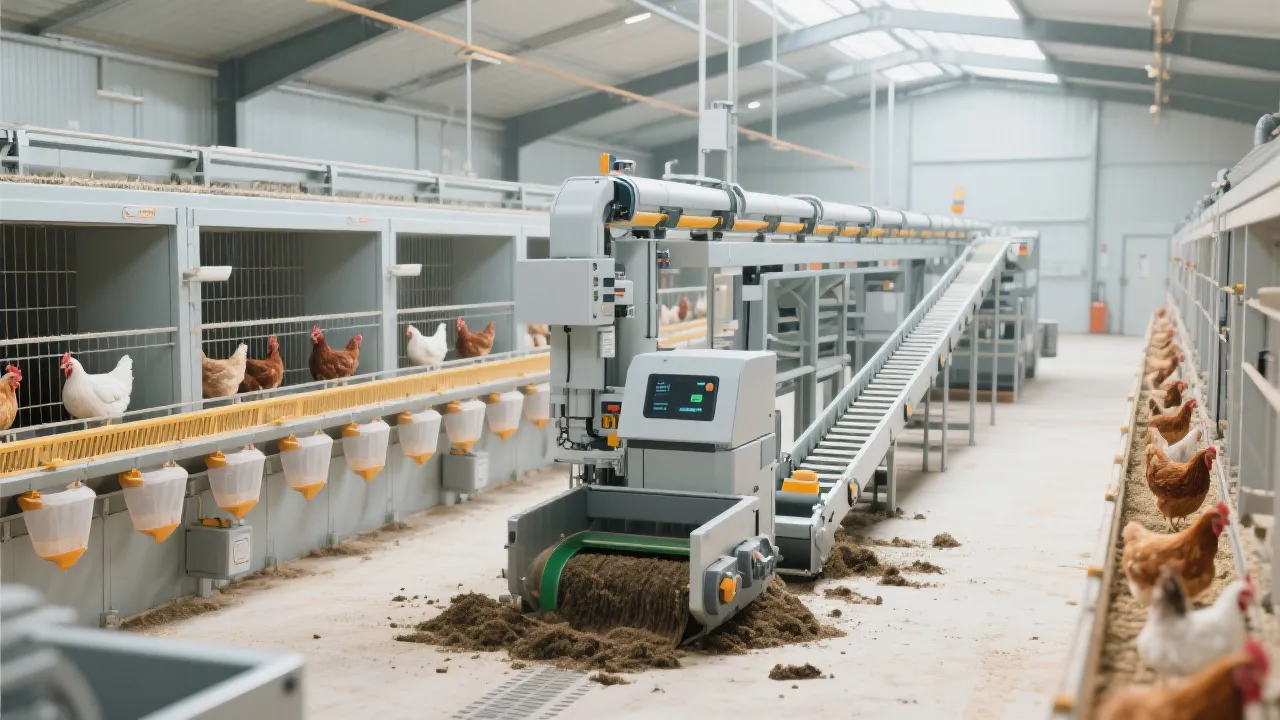
The core of the automatic egg collection system lies in its well - designed components. The roller conveyor is responsible for transporting eggs from the chicken cages to the collection point. The induction recognition device can accurately identify the size and quality of eggs, and the sorting module separates eggs according to different criteria. For example, eggs with cracks can be quickly sorted out, ensuring the quality of the collected eggs. This system is designed in strict accordance with international standards such as ISO9001, ISO14001, and CE, guaranteeing its reliability and safety.
Seamless Integration with H - type Chicken Cages
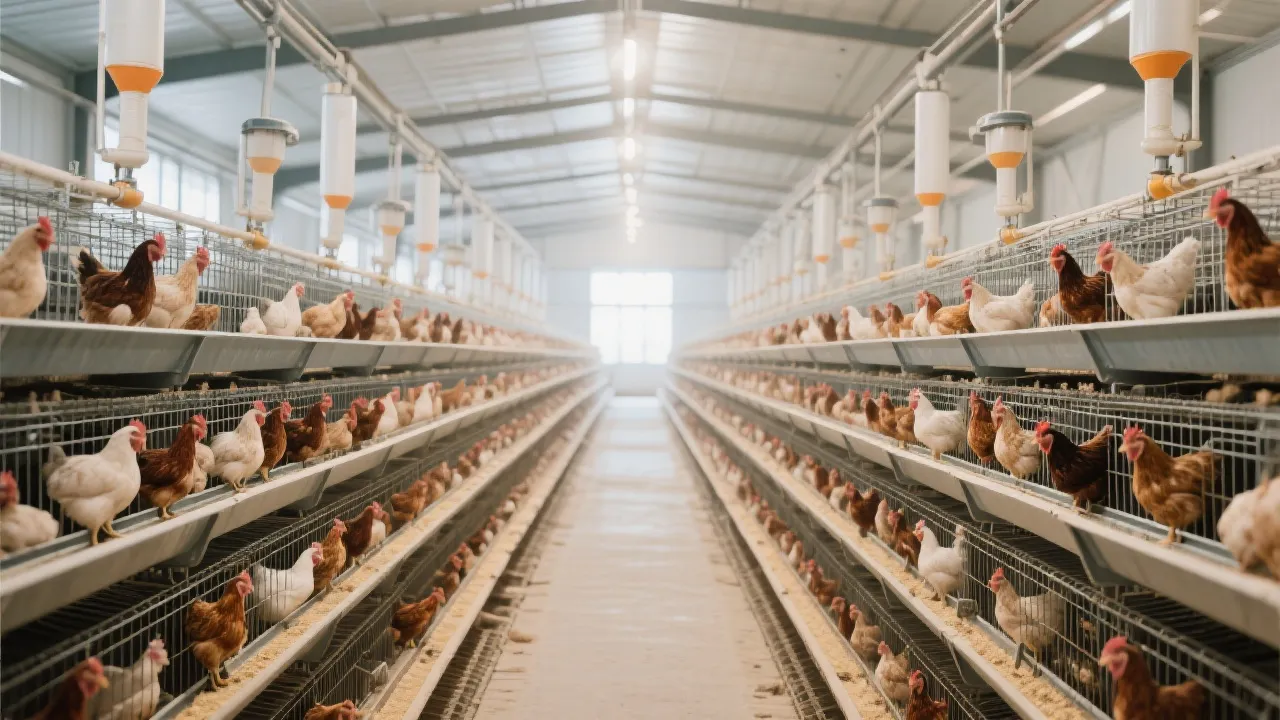
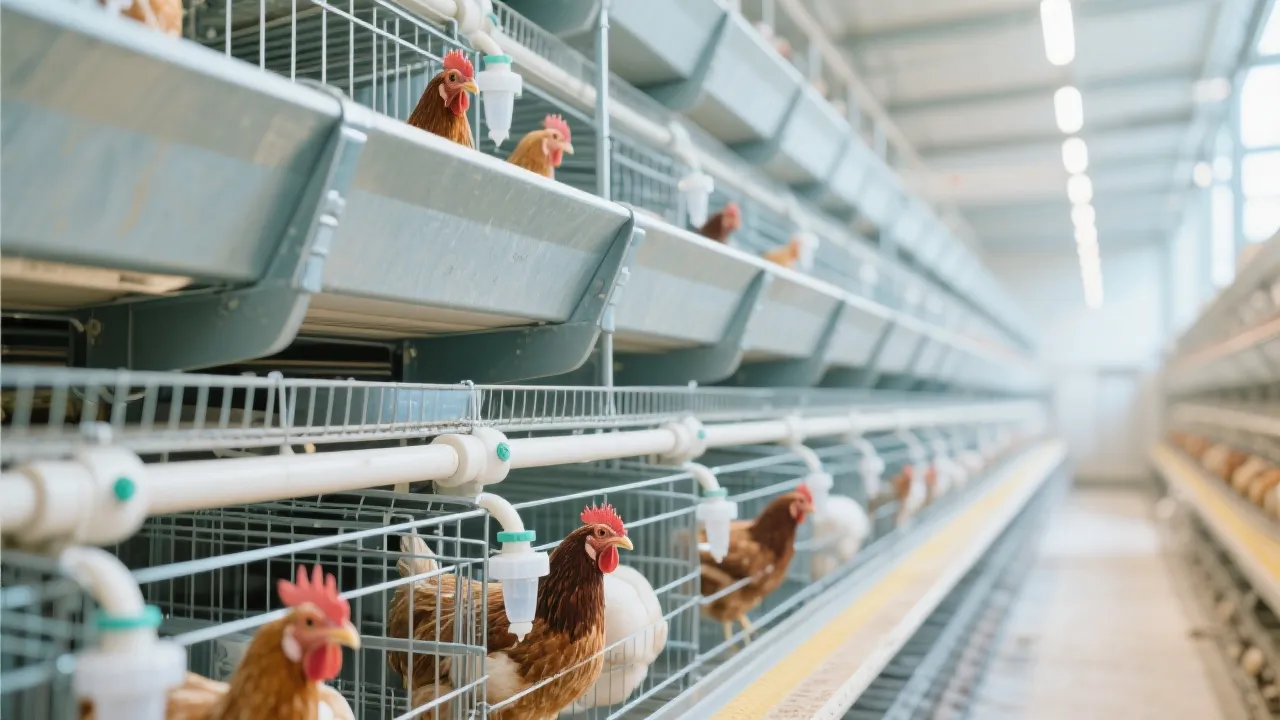
The automatic egg collection system is seamlessly integrated with the H - type layer chicken cages. The design of the cages allows eggs to roll smoothly onto the conveyor belt, minimizing the impact on eggs during the collection process. In actual operation, this combination can increase the egg collection efficiency by up to 30% compared to traditional methods. Moreover, it can maintain stable operation in different breeding densities, ensuring the health and comfort of the chickens.
Impact of Breeding Density
Different breeding densities have an impact on the performance of the system and the health of the chicken flock. In high - density breeding environments, the automatic egg collection system can still maintain high - efficiency operation. However, it is necessary to ensure proper ventilation and space for the chickens. Studies have shown that when the breeding density is within a reasonable range (e.g., 8 - 10 chickens per square meter), the system can achieve the best performance, and the egg production rate can be increased by about 15%.
Industry Trends and Forward - looking Insights
With the development of the industry and the implementation of relevant policies, intelligent farming is becoming an inevitable trend. The automatic egg collection system is an important part of green and intelligent farming. It not only meets the requirements of environmental protection but also improves the overall management level of the farm. For example, some countries are promoting the use of intelligent farming equipment to reduce the environmental impact of the farming industry.
Tailored Content for Different User Groups
This article provides tailored content for different user groups, including beginners, intermediate users, and advanced users. For beginners, it offers basic operation suggestions, such as how to start the system and perform simple maintenance. Intermediate users can learn about more in - depth operation skills, such as adjusting the sorting parameters. Advanced users can get insights into system optimization and troubleshooting. We also provide an interactive FAQ module at the end of the article to answer common questions from users.
Economic Benefits
By using the automatic egg collection system, farms can achieve significant economic benefits. In addition to reducing labor costs, it can also improve egg quality and increase egg production. A case study of a large - scale chicken farm shows that after using the system, the annual profit increased by about $200,000 due to cost reduction and increased production.
If you are a farming professional looking to reduce costs, increase efficiency, and improve management levels, don't miss out on the opportunity to embrace this intelligent farming solution. Learn more about intelligent farming solutions and get a customized consultation today!





Popular articles



READY TO START?
Ready to Build Your Poultry Farm?
Tell us your land size, poultry type and farming capacity. LIVI will provide a complete farm solution for your project.