


Automated Manure Removal & H-Type Layer Hen Cages Boost Efficiency in Large-Scale Egg Farms

Revolutionizing Large-Scale Layer Hen Farms with Automated Manure Cleaning Technology
In the era of precision agriculture, large-scale layer hen farms are increasingly adopting automated manure cleaning systems to enhance environmental management and operational efficiency. This article examines the innovative features of Zhengzhou Livi Machinery’s high-efficiency H-shaped layer hen cages, focusing on spatial optimization, automated egg collection, and intelligent manure removal technologies. By integrating these advancements, farms can significantly reduce labor costs, improve animal welfare, and elevate production yields.
Automated Manure Cleaning: Transforming Sanitation Management in Large Farms
Traditional manure handling in expansive poultry operations is labor-intensive and often suboptimal for maintaining hygiene. Automated manure cleaning systems streamline this process by continuously removing waste, thereby mitigating ammonia emissions and reducing pathogenic risks. Industry data reveals that farms utilizing automated manure cleaning report up to 25% improvement in air quality and a 30% reduction in disease incidence rates among hens.
Industry Insight: According to the Global Poultry Health Report 2023, automated waste management systems contribute directly to a 10-15% increase in overall farm productivity by optimizing hygienic conditions and reducing downtime caused by health issues.
Optimizing Space with the H-Shaped Layer Hen Cage
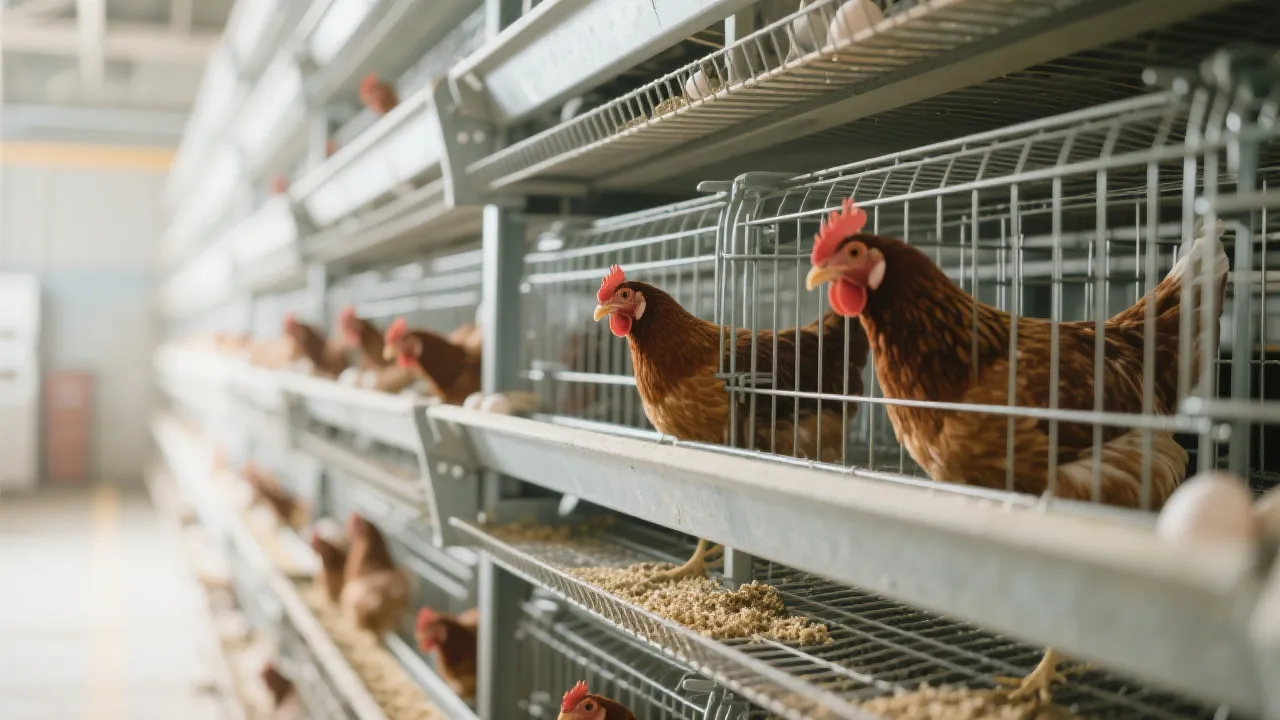
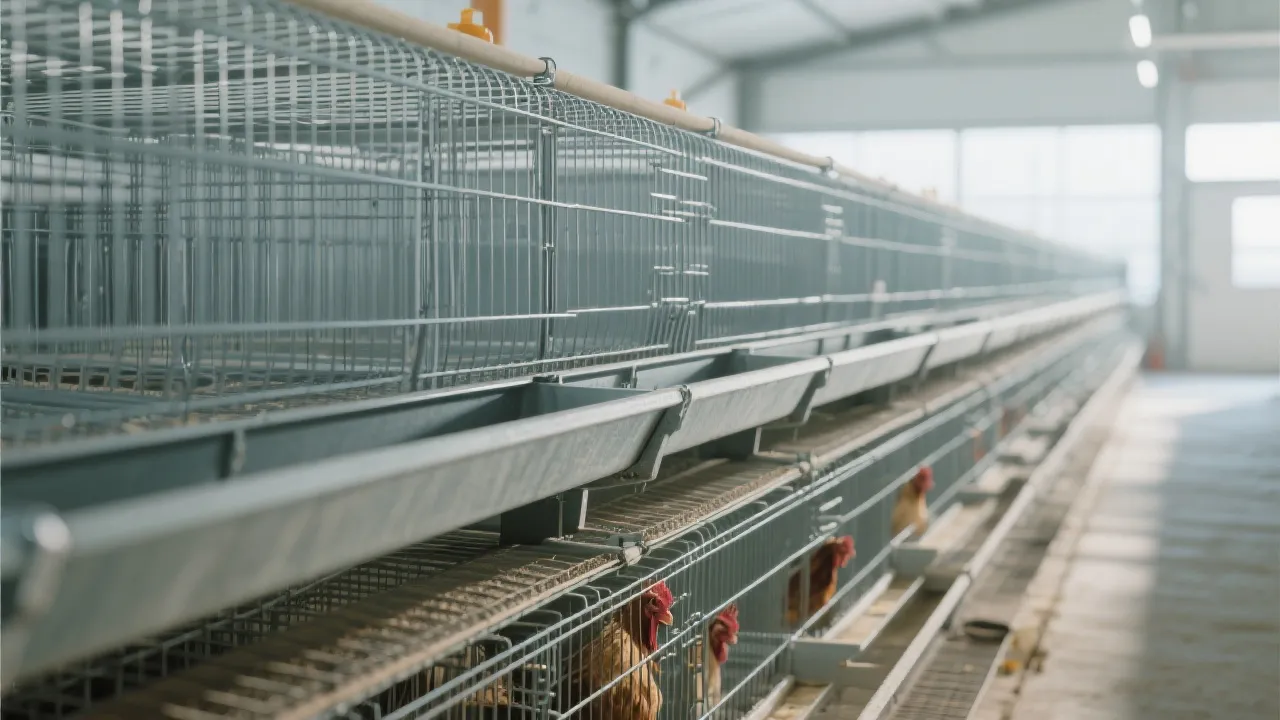
The H-shaped cage design offers a strategic balance between maximizing stocking density and ensuring bird welfare. By adopting a vertical multi-tier structure, farms can increase space utilization by approximately 35% compared to conventional cages, without compromising ventilation and light distribution. This balance is critical to maintaining egg production quality and reducing stress-induced behaviors.
| Parameter | Conventional Cage | H-Shaped Cage |
|---|---|---|
| Stocking Density (birds/m²) | 8-10 | 11-13 |
| Space Utilization Efficiency | 65% | 90% |
| Average Egg Production Rate | 85% | 92% |
Automation in Egg Collection: Streamlining Labor and Boosting Output
Automated egg collection systems integrated within the H-shaped cage design reduce manual handling and minimize damage rates. Farms deploying this technology typically observe a 20-25% reduction in labor costs and a 5-8% increase in daily egg collection efficiency. The system ensures timely collection, preserving egg quality and reducing losses.
Ventilation and Temperature Control: Essential for Hen Health
Proper ventilation combined with temperature control is vital for stress reduction and disease prevention in dense poultry housing. The H-shaped cages integrate seamlessly with ventilation modules, ensuring optimal airflow and maintaining ambient temperatures within the hens’ comfort zone (20°C to 24°C). Such microclimate management has been correlated with a 12% improvement in feed conversion ratios and a 15% reduction in mortality rates.
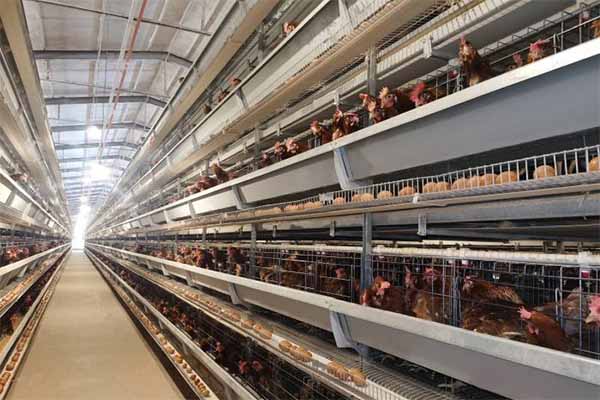
Case Study: Before and After Transformation of a 10,000-Bird Farm
A leading poultry farm in Henan Province upgraded to Zhengzhou Livi Machinery’s H-type layer cages with automated cleaning systems. Post-implementation data over 12 months highlights:
- Manure-related labor reduced by 40%
- Egg production increased from 82% to 90% hatchability
- Ammonia levels within housing dropped by 30%
- Overall operational costs lowered by 18%
Interactive FAQ:
Q: What maintenance requirements does the automated manure cleaning system entail?
A: Routine inspection is recommended every 3-6 months, with easy replacement parts designed for minimal downtime. Most systems come with remote monitoring capability to ensure continuous performance.
Industry Outlook: The Future Lies in Intelligent Poultry Farming
Industry trends underscore a decisive shift toward fully integrated smart farming solutions combining IoT-enabled sensors, data analytics, and AI-driven decision support. Manufacturers like Zhengzhou Livi Machinery are leading by enhancing cage designs with modular automation features to meet rising environmental and productivity standards. Analysts forecast a global CAGR of 7.4% for automated poultry equipment through 2030.





Hot Products

.jpg?x-oss-process=image/resize,m_fill,h_800,w_800/format,webp)


Popular articles




READY TO START?
Ready to Build Your Poultry Farm?
Tell us your land size, poultry type and farming capacity. LIVI will provide a complete farm solution for your project.