


How to Optimize Chicken Farm Efficiency with Automated Manure Removal and Egg Collection Systems
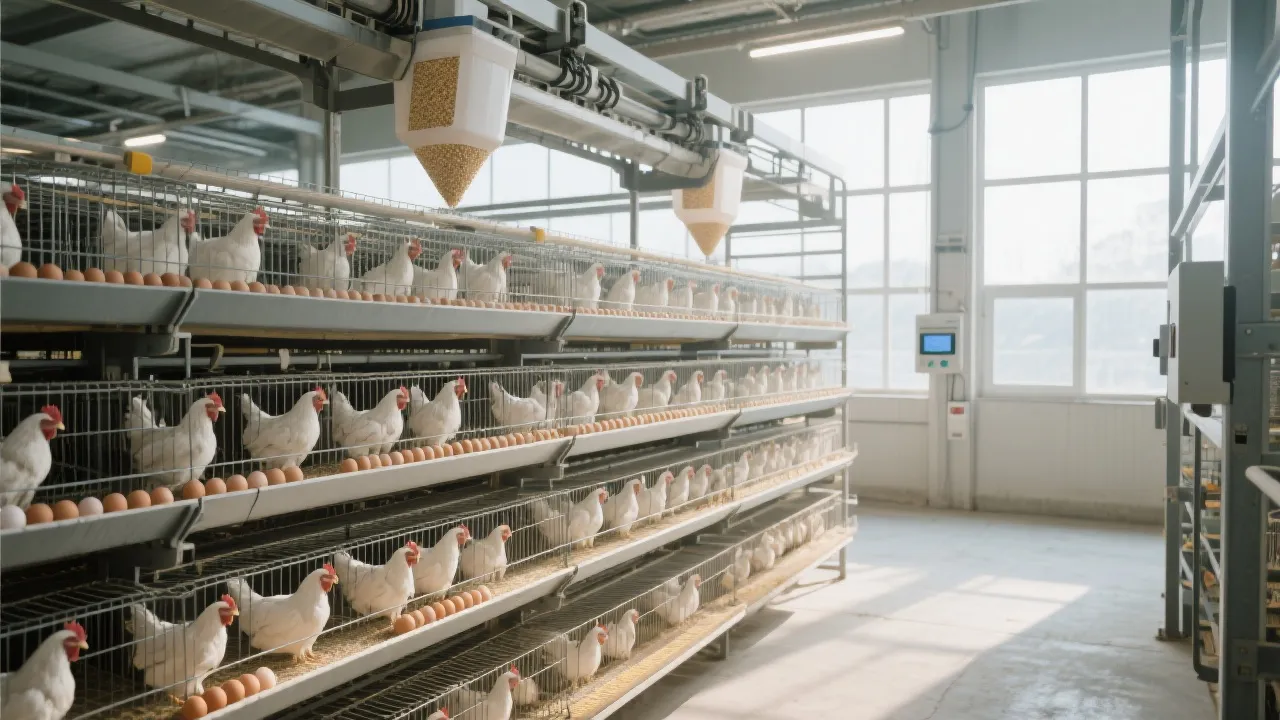
How to Optimize Chicken Farm Environment for Higher Egg Production
Did you know that a 3°C rise in temperature during summer can reduce egg production by up to 12%? That’s not just theory—it’s what we’ve seen on farms across Southeast Asia and North America where ventilation systems were overlooked.
The Hidden Link Between Airflow and Productivity
In commercial layer farms, air exchange rate matters more than most realize. Studies show that maintaining an airflow speed of 0.5–1.0 m/s helps prevent heat stress, which is critical when temperatures exceed 27°C. Poorly managed humidity (above 70%) increases ammonia levels, directly affecting respiratory health and egg quality.
One poultry farm in Thailand reported a 15% increase in daily egg output after installing a smart ventilation system with automatic fans and humidity sensors. Their average laying rate jumped from 84% to 97% over six months—proof that environmental control isn’t optional anymore.
Why Material Choice Matters as Much as Technology
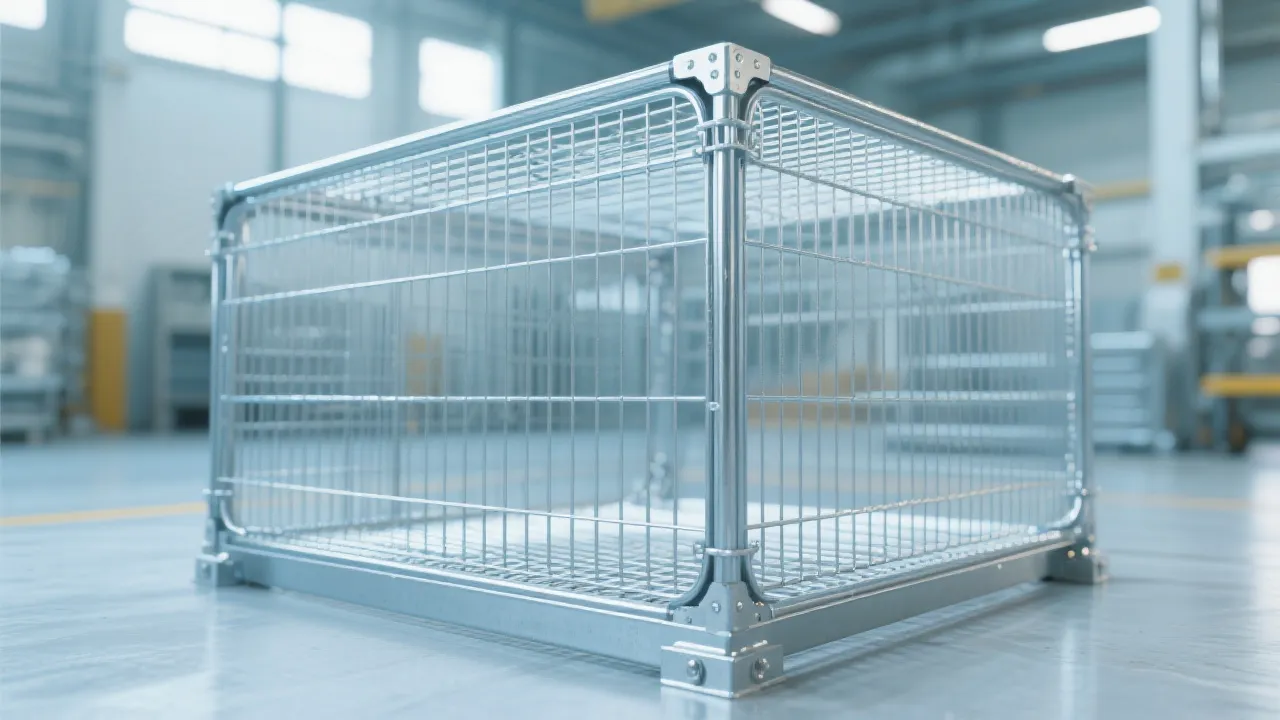
When it comes to cage durability, Q235 carbon steel has become the industry standard—not because it's cheap, but because it offers excellent corrosion resistance when properly galvanized. A well-maintained cage lasts 8–10 years under normal conditions, reducing replacement costs by up to 40% compared to lower-grade alternatives.
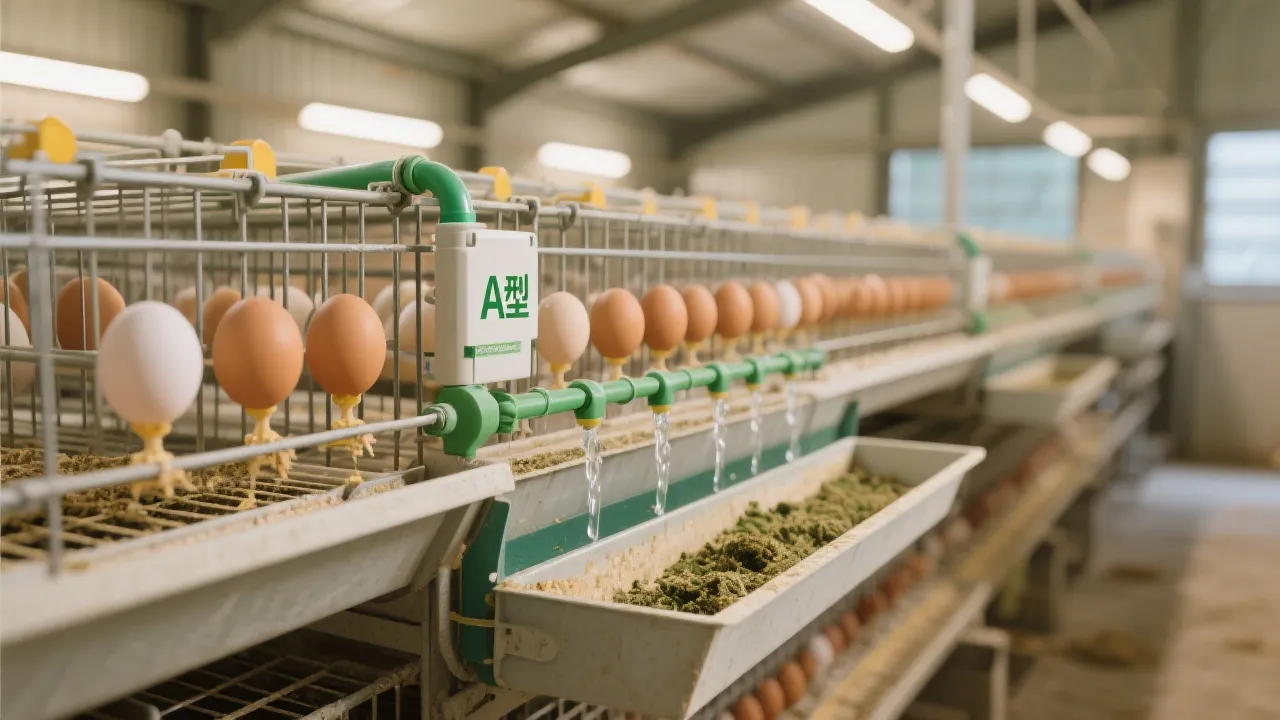
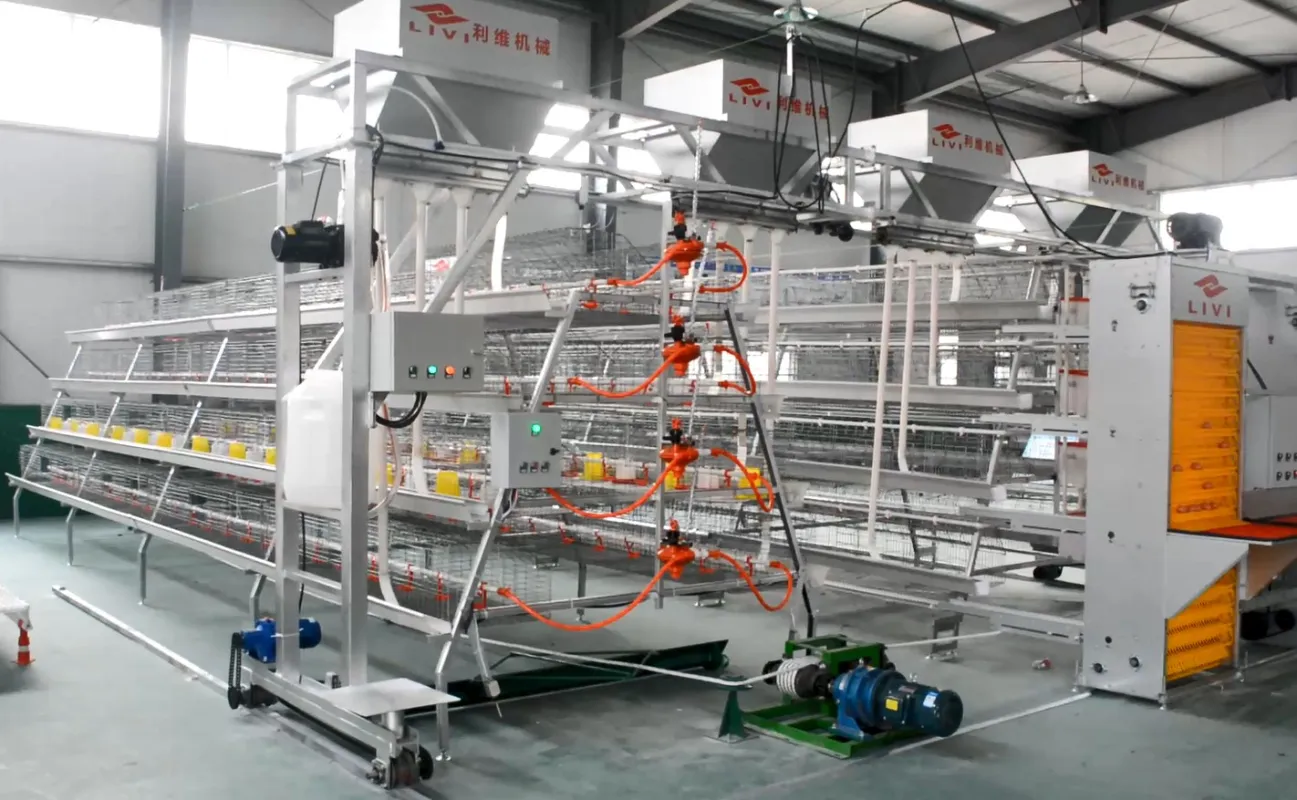
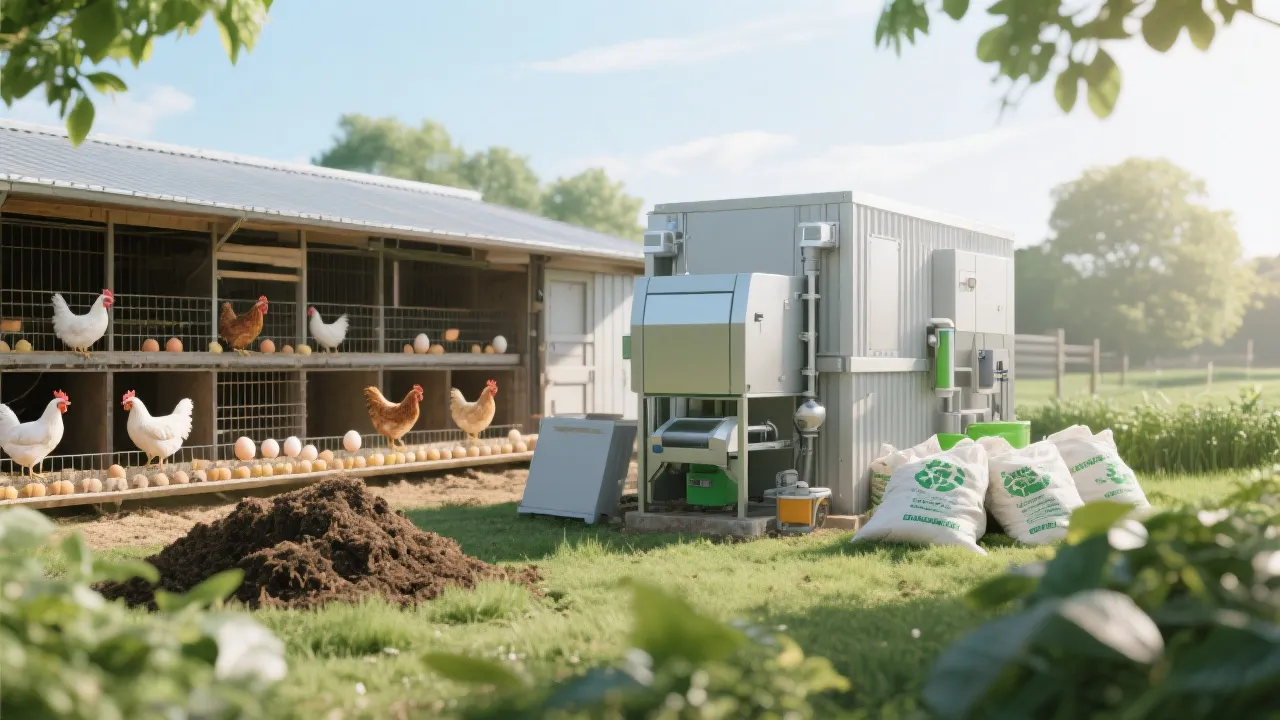
And here’s the key insight: combining durable materials with automation creates synergy. Automated manure removal systems reduce labor by 60%, while integrated egg collection lines minimize breakage rates—from 5% down to less than 1%—in optimized setups.
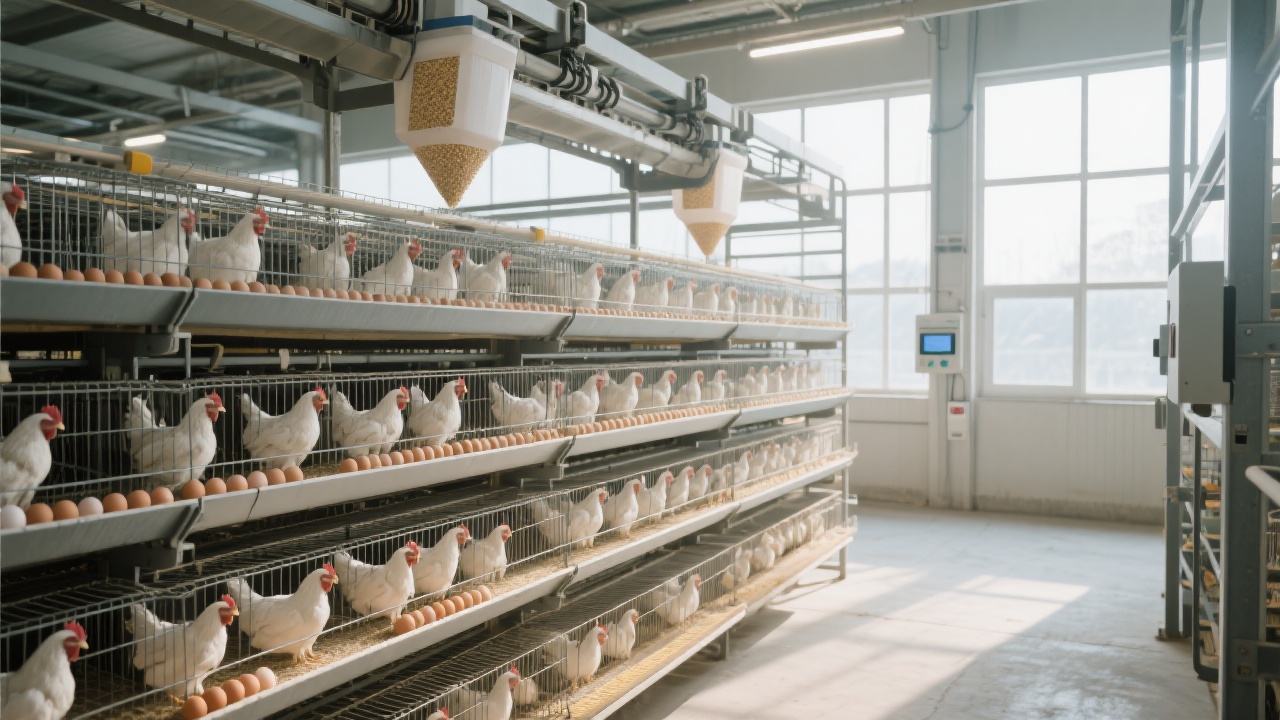
Real-Time Monitoring = Smarter Decisions
Today’s smart barns don’t just react—they predict. With IoT-enabled temperature and CO₂ monitors, farmers can detect early signs of stress before they impact productivity. One U.S. breeder using real-time data dashboards saw a 20% drop in mortality within three months.
Pro tip: Use our free Environmental Health Checklist (downloadable PDF) to audit your current setup monthly. It includes 12 essential metrics—from air velocity to lighting intensity—that experts say are often missed until problems arise.
From Theory to Action: Start Small, Scale Fast
You don’t need to overhaul your entire operation overnight. Begin with one section—a single shed or row of cages—and test how automation improves both efficiency and bird welfare. Track changes in feed conversion ratio, egg weight consistency, and labor hours. Then scale based on measurable results.
Remember: The best farms aren’t built in a day—they’re refined over time, one decision at a time.
Ready to Build a Smarter Chicken Farm?
Get instant access to our Smart Poultry Environment Whitepaper, packed with case studies, technical specs, and step-by-step implementation guides tailored for global farmers like you.
Download the Free Whitepaper Now




Hot Products

.jpg?x-oss-process=image/resize,m_fill,h_800,w_800/format,webp)


Popular articles





READY TO START?
Ready to Build Your Poultry Farm?
Tell us your land size, poultry type and farming capacity. LIVI will provide a complete farm solution for your project.