


Comprehensive Guide to Automated Laying Hen Cage System Installation and Key Technical Challenges
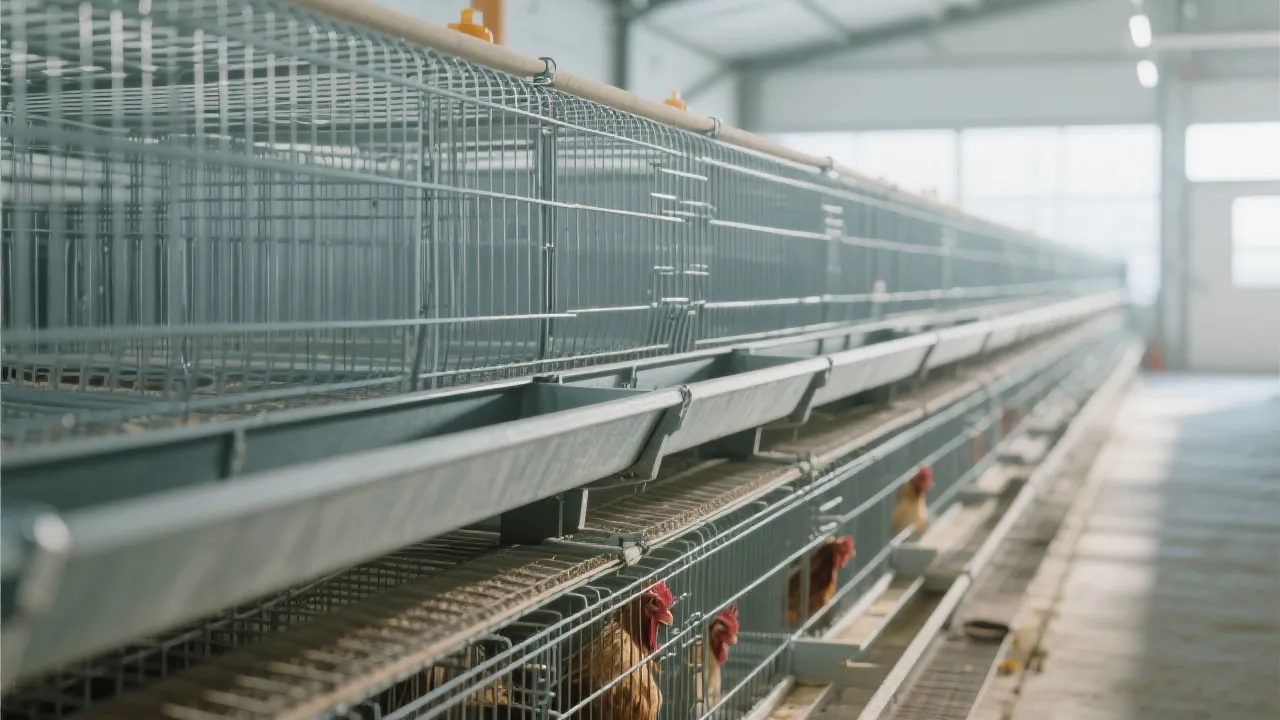
Comprehensive Guide to Installing Automated Layer Chicken Cage Systems: Key Techniques and Troubleshooting
Embarking on automating your layer chicken cages? This detailed guide walks you through every critical step of installing and fine-tuning an automated system—from precise rail alignment and motor calibration to sensor verification. Leveraging first-hand field experience, we decode common hurdles like tension adjustment and sensor misplacement, equipping you to achieve a smooth transition from manual to fully automated poultry farming.
1. Preparing for Installation: Foundations of Success
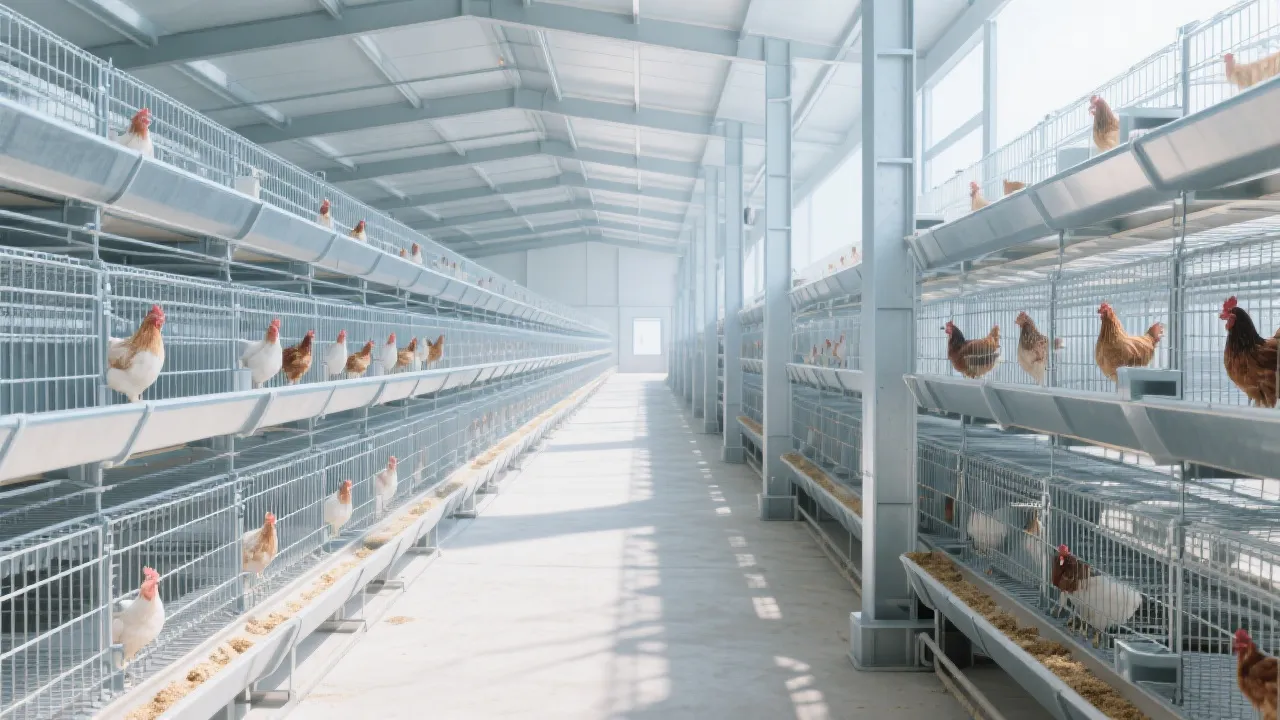
Effective automation begins well before the physical installation. Start with a thorough site assessment, considering spatial layout and electrical infrastructure. Opt for durable framework materials, such as international Q235 steel combined with hot-dip galvanizing, which ensures long-term corrosion resistance and structural integrity under humid conditions inside poultry houses.
Next, equip your installation team with calibration tools and a clear checklist to avoid overlooking preparation tasks like wiring conduit channels or checking sensor compatibility. This foundation reduces downtime during subsequent stages.
2. Rail and Track Positioning: Precision is Paramount
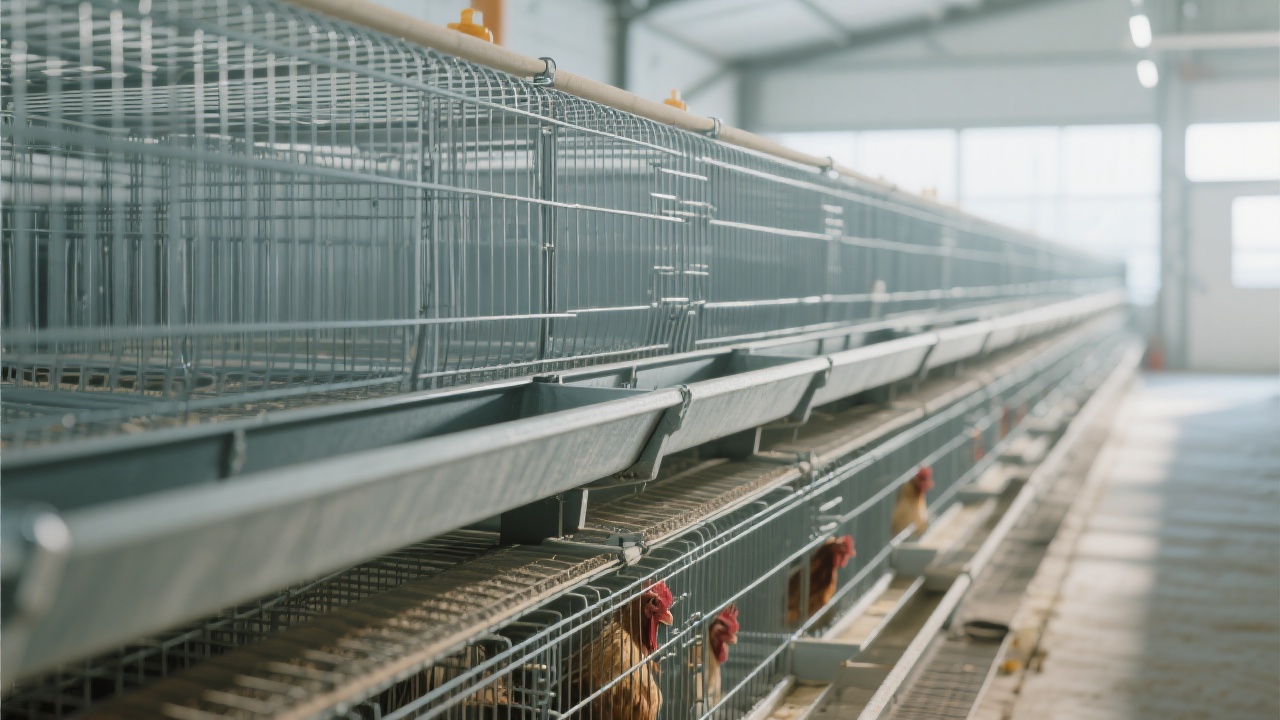
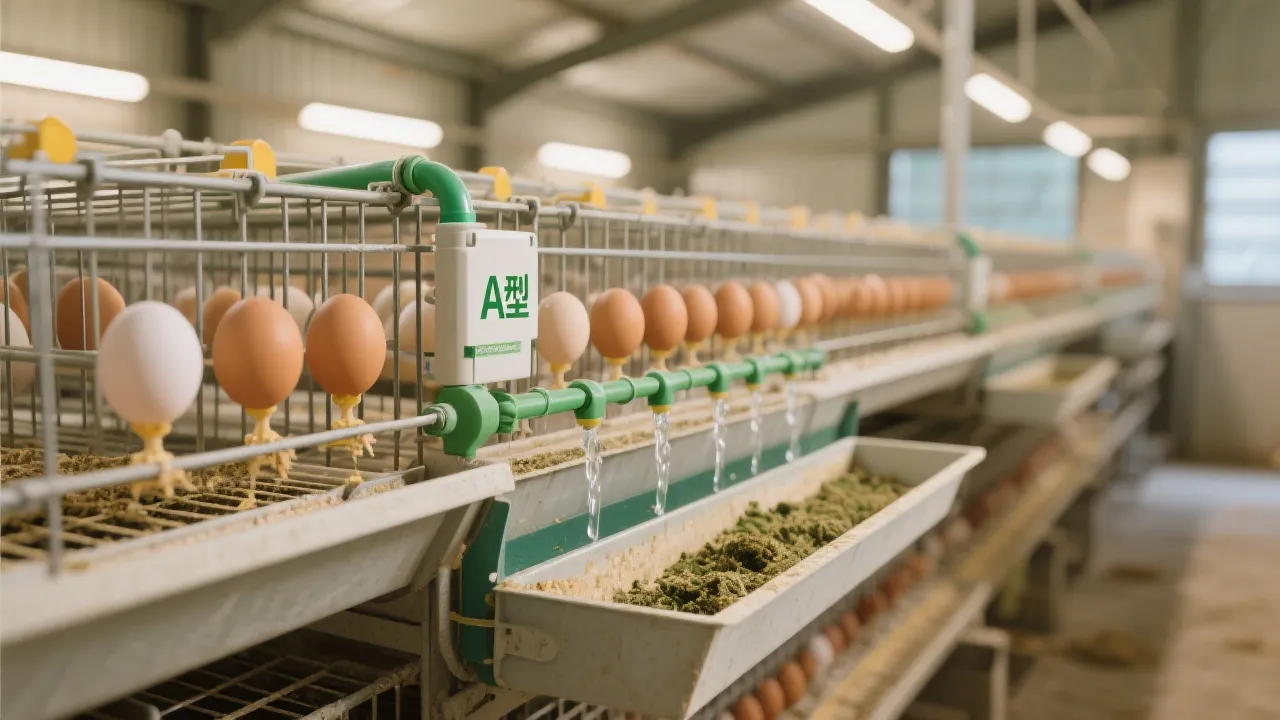
Proper rail placement directly impacts cage movement and automation efficiency. Use laser alignment tools or precision levels to ensure rails run perfectly parallel without warping. Attention to tensioning mechanical components at this phase is crucial — over-tightening may cause premature wear, while slack rails can induce system failure.
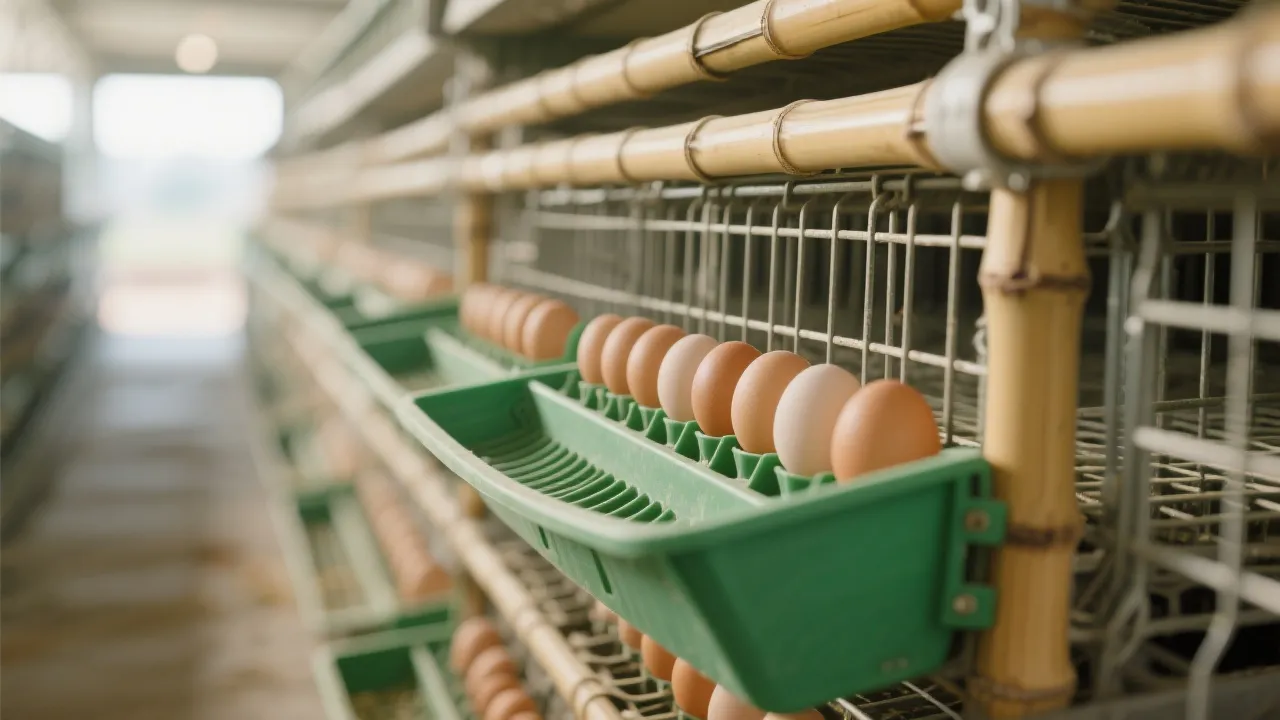
Remember, even a slight deviation of just a few millimeters can lead to egg jamming or conveyor misalignment, affecting productivity.
3. Motor Calibration and Sensor Installation: Synchronizing Automation
Once rails are secured, focus on calibrating the motors driving the cage movement and conveyors. Fine-tuning motor speed and torque prevents stalling or abrupt stops that disrupt egg collection and cleaning operations. Use a multimeter and oscilloscope to verify electrical parameters during the motor's startup and operational cycles.
Install sensors with meticulous care, placing them according to manufacturer specifications but also considering practical operational conditions. For example, sensors that detect egg position must avoid false triggers caused by dust or movement vibrations. You may need to slightly adjust sensor distances or angles after initial tests.
4. Calibration Challenges: Overcoming Common Difficulties
In practice, workers often face difficulties such as uneven belt tension, inaccurate sensor positioning, or electrical interference. Here are key troubleshooting tips:
- Egg Jamming: Check for cage deformation or rail misalignment; adjust rail spacing if necessary.
- Dung Belt Misalignment: Regularly verify tension in the belt system and adjust rollers to maintain centralized running.
- Sensor Misfires: Clean sensor lenses and adjust positions to reduce dust accumulation effects.
5. Linking Subsystems: Smooth Integration and Testing
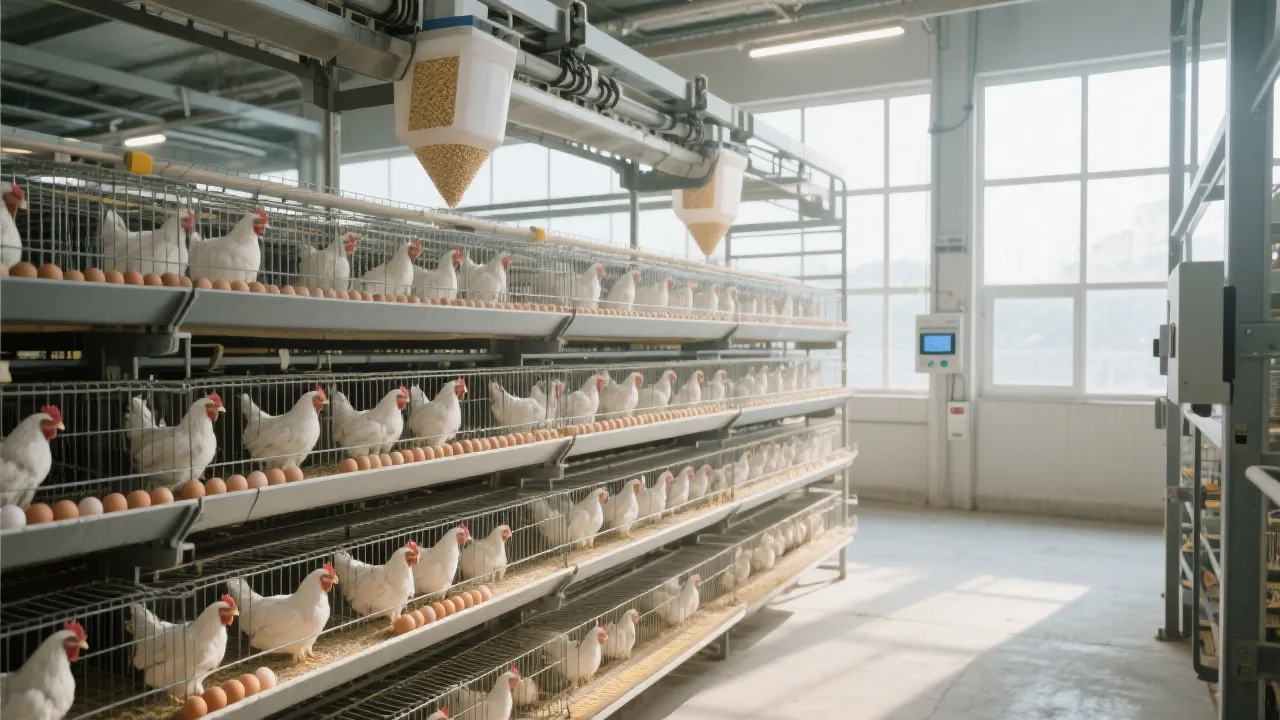
The final phase involves connecting all components—rails, cages, motors, sensors, and control units—into one cohesive system. Conduct staged tests for each operation module before a full system run. Pay special attention to response times between sensor signals and motor actions, ensuring minimal latency.
Deploy a 7-day phased commissioning schedule:
- Day 1-2: Site preparation and rail installation
- Day 3-4: Motor setup and basic movement tests
- Day 5: Sensor installation and initial calibration
- Day 6: Integrated system dry runs and adjustments
- Day 7: Full system testing and staff training
Self-Check List: Ensure You're Ready for Automation Success
- ✔ Have you confirmed rail alignment within ±2mm tolerance?
- ✔ Are motor parameters validated against manufacturer specs?
- ✔ Have sensors been tested for correct trigger range under field conditions?
- ✔ Is the dung removal belt running centrally without drift?
- ✔ Has the entire system passed dry runs without faults for 48 hours?
- ✔ Is your team trained on basic troubleshooting and emergency stop procedures?
By following these steps and leveraging robust materials—including using Q235 steel with hot-dip galvanizing for enhanced durability—you can confidently streamline your layer chicken farming operations, reduce manual labor, and maximize productivity.





Hot Products

.jpg?x-oss-process=image/resize,m_fill,h_800,w_800/format,webp)


Popular articles




READY TO START?
Ready to Build Your Poultry Farm?
Tell us your land size, poultry type and farming capacity. LIVI will provide a complete farm solution for your project.