


Practical Experience: Automated Laying Hen Cage Equipment for Efficiency & Cost Reduction
Addressing Pain Points in Traditional Layer Cage Systems
In the realm of large - scale egg production, traditional layer cages have long been plagued by a series of issues. Space waste is a significant problem; cages are often designed in a way that does not fully utilize the available area, leading to under - utilization of the farm space. High labor dependency is another headache. Workers have to manually collect eggs, clean manure, and perform other routine tasks, which not only consumes a large amount of labor hours but also increases the risk of human - error. Moreover, frequent maintenance is required due to the wear and tear of the cages, adding to the overall operational cost.
The Structural Advantages of H - Type Layer Cages
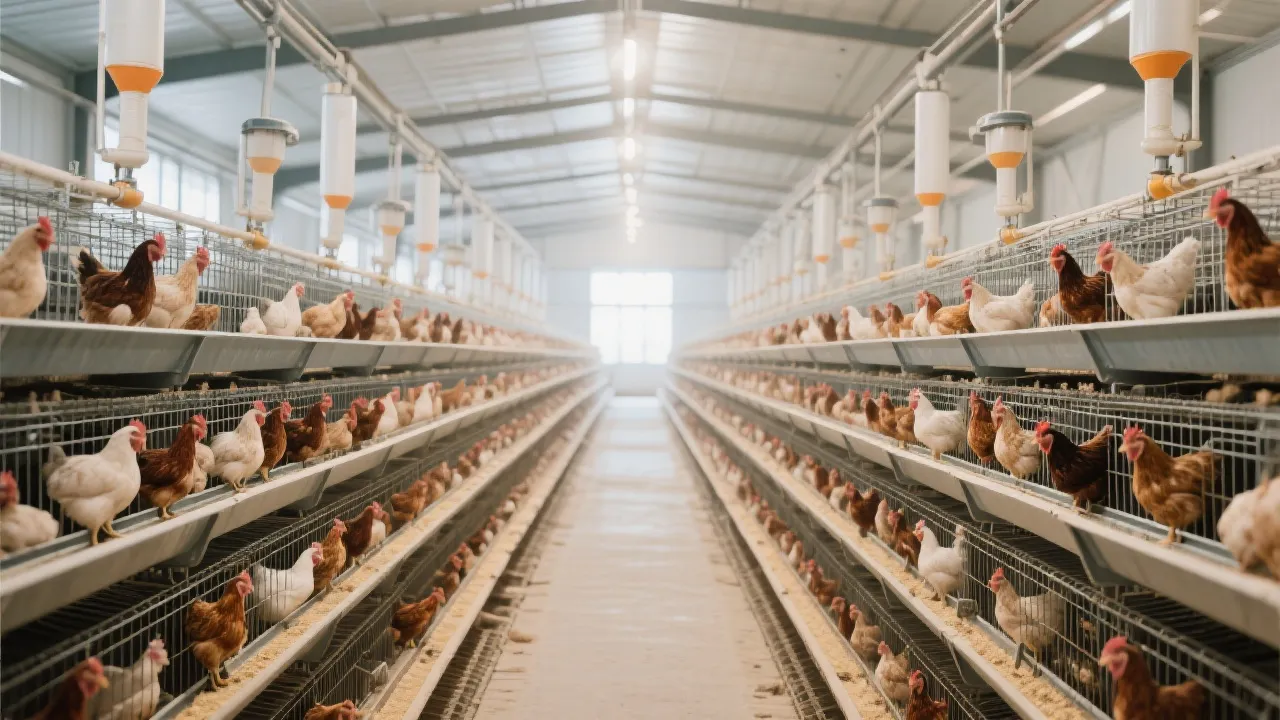
The H - type structure of the new generation layer cages is a game - changer. It is specifically designed to optimize space utilization. By arranging the cages in an H - shaped configuration, the available vertical and horizontal space is maximized, allowing more hens to be housed in the same area. This not only increases the stocking density but also improves the convenience of operation. Workers can easily access each cage for feeding, checking hens' health, and other tasks, reducing the time and effort required for daily operations.
Superior Material and Craftsmanship
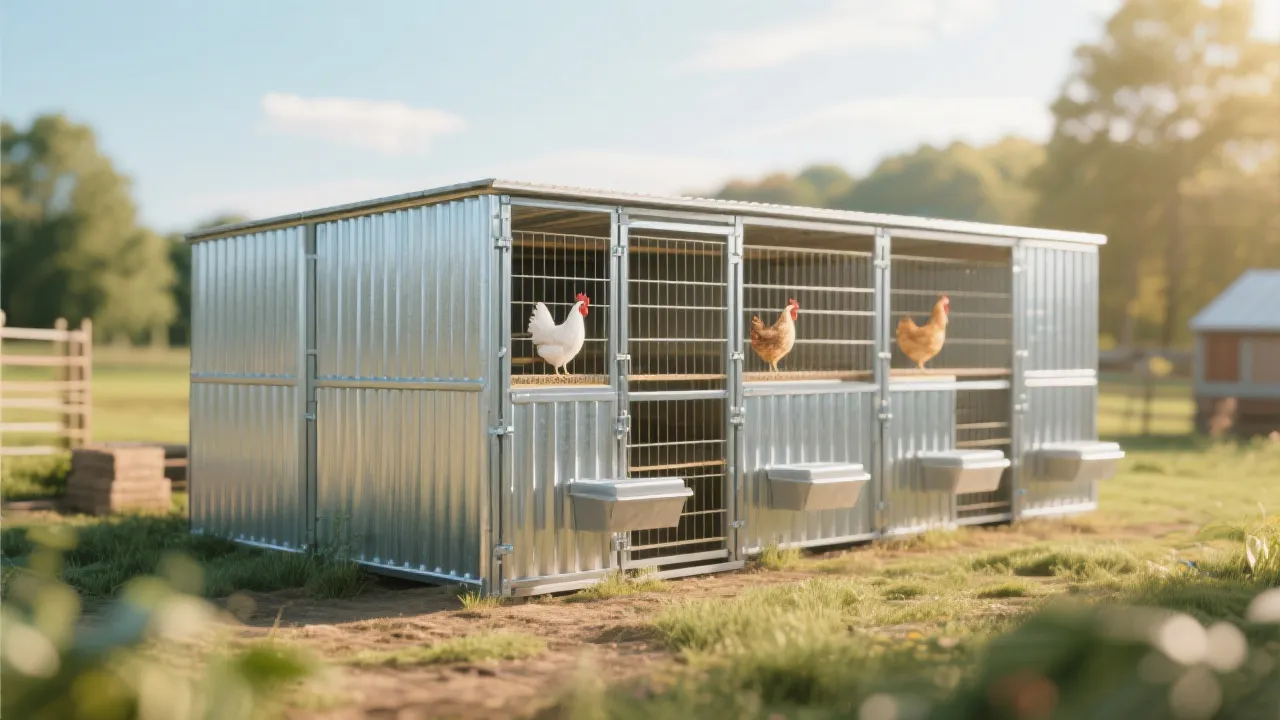
The use of Q235 steel, combined with hot - dip galvanizing and an aluminum - zinc alloy coating, significantly extends the service life of the egg layer cages. This advanced material and coating technology can protect the cages from corrosion, rust, and other forms of damage. In fact, these cages can last for 15 - 20 years, which is a great advantage compared to traditional cages that may need to be replaced every 5 - 10 years. This long - term durability reduces the need for frequent replacements, saving a substantial amount of money for the farm in the long run.
The Practical Value of Automation Features
Automation is one of the most significant features of the new egg layer cages. The automatic egg collection system can collect eggs efficiently, reducing the time and labor required for this task. For example, in a medium - sized farm with 10,000 hens, the traditional manual egg - collection process may take 8 - 10 workers a full day to complete. With the automatic egg collection system, only 2 - 3 workers are needed for a few hours, saving approximately 60 - 80 man - hours per day. The automatic manure cleaning system also plays a crucial role. It can clean the manure regularly, keeping the cages clean and reducing the risk of diseases. This not only saves labor but also improves the overall environment of the farm.
Environmental Control Capabilities
Proper environmental control is essential for egg production. The ventilation and temperature control systems of these new cages have a direct impact on the laying rate and the health of the hens. Good ventilation can remove harmful gases such as ammonia and carbon dioxide from the cages, providing a fresh and clean environment for the hens. This can reduce the incidence of respiratory diseases and improve the overall health of the flock. Temperature control is also crucial. Maintaining an appropriate temperature range can ensure that the hens are comfortable, which in turn can increase the laying rate. Studies have shown that a well - ventilated and temperature - controlled environment can increase the laying rate by 10% - 15%.
Industry Trend Recommendations
In today's world, environmental protection policies and animal welfare standards are becoming more and more important. When choosing egg layer cages, farms should consider these factors. The new generation of cages, with their advanced design, materials, and automation features, are more in line with these trends. They can help farms reduce their environmental impact and improve animal welfare, which is not only beneficial for the long - term development of the farm but also meets the requirements of the market. Let your farm be more intelligent and worry - free. By making a scientific decision based on the information provided in this article, you can build an efficient and sustainable modern chicken farm. Learn more about how to select the right egg layer cage equipment and transform your farm today!




Hot Products

.jpg?x-oss-process=image/resize,m_fill,h_800,w_800/format,webp)


Popular articles





READY TO START?
Ready to Build Your Poultry Farm?
Tell us your land size, poultry type and farming capacity. LIVI will provide a complete farm solution for your project.