


Application Tutorial of Automated Layer Cage Systems in Large - Scale Farms: Cut Labor Costs Effectively

Application Tutorial of Automated Layer Cage Systems in Large-Scale Chicken Farms: An Effective Way to Reduce Labor Costs
In the highly competitive landscape of large-scale egg production, the selection of efficient and durable automated layer cage equipment has become a crucial decision for farm managers. This article delves into three key dimensions: structural design, material technology, and automated systems, to guide farm managers in making informed choices that maximize operational efficiency and sustainability.
Structural Design: Enhancing Space Utilization and Operational Convenience
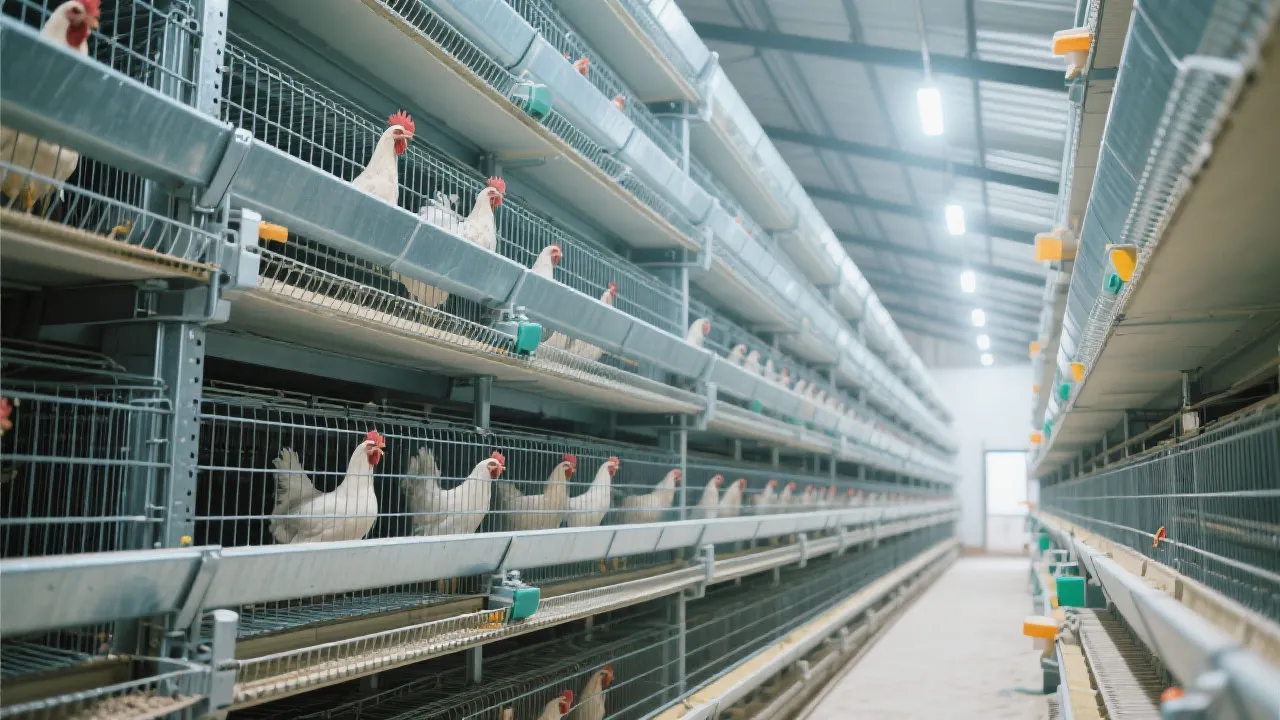
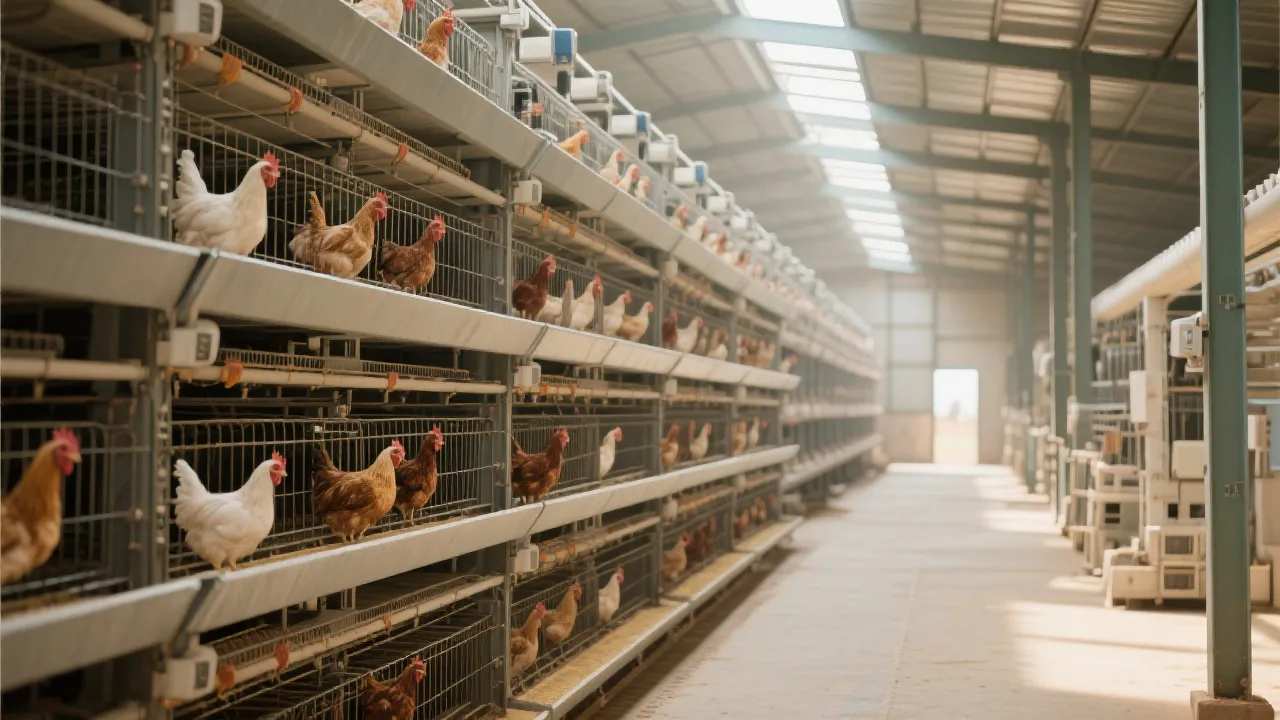
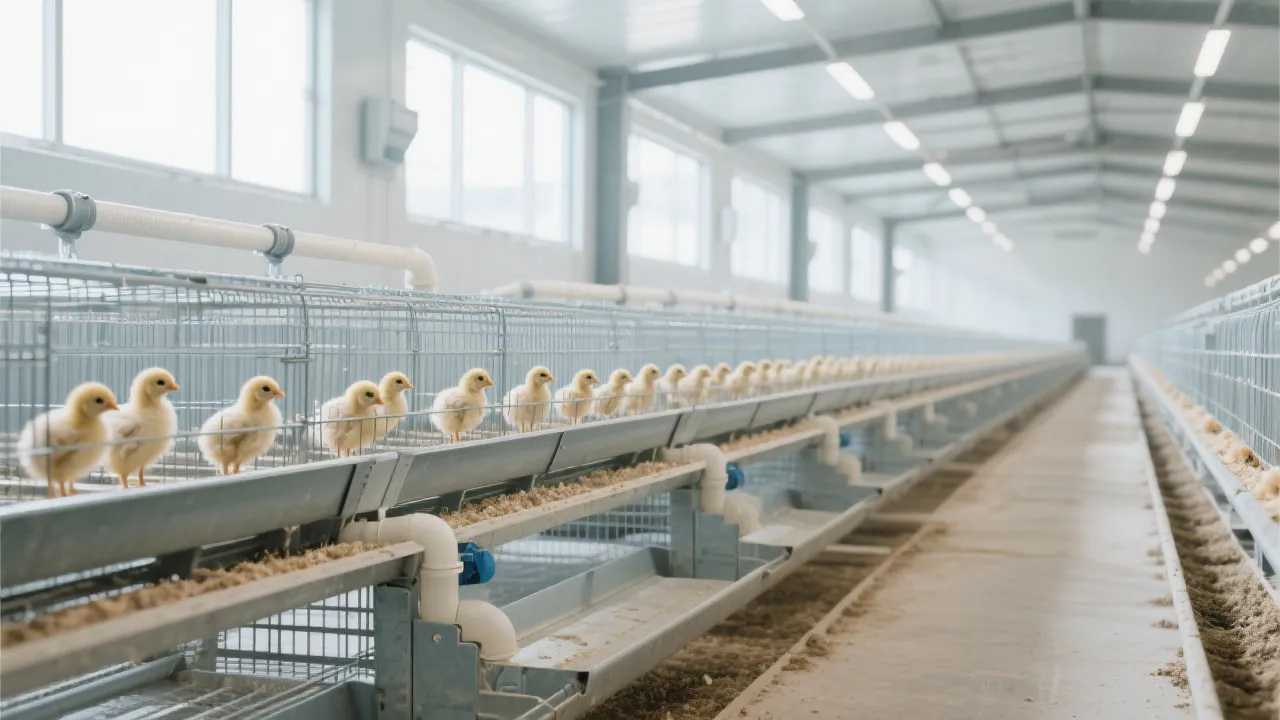
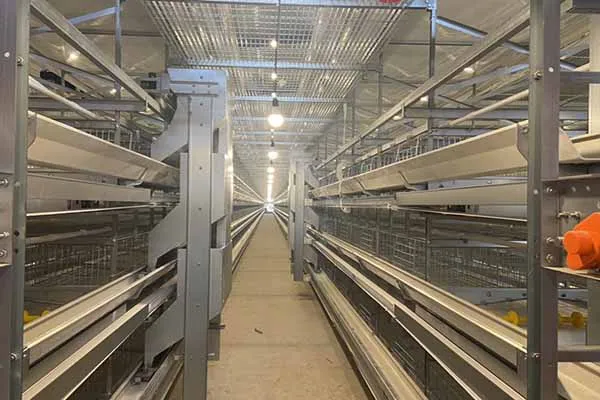
A well-designed layer cage can significantly improve space utilization and ease of operation. For instance, the advanced H-type layer cage features a multi-tiered structure that optimizes vertical space, allowing more hens to be housed in a limited area. According to industry data, farms using H-type cages can increase the stocking density by up to 20% compared to traditional cage designs. This not only reduces the overall footprint of the farm but also streamlines management processes.
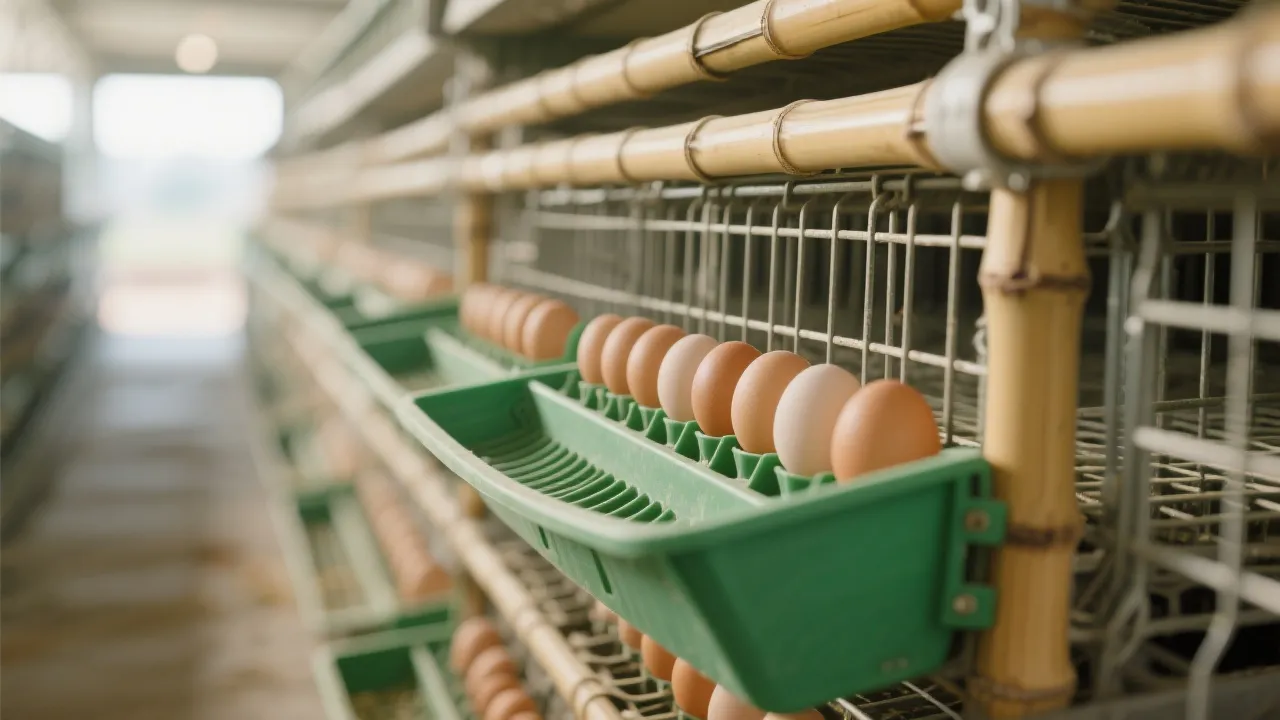
Moreover, the design of the cage should facilitate easy access for feeding, watering, and egg collection. Sloped floors and strategically placed access doors ensure that workers can perform their tasks quickly and efficiently, minimizing the time and effort required for daily operations. Real-world case studies have shown that farms adopting such well-designed cages have reported a 15% reduction in labor hours spent on routine tasks.
Material Technology: Ensuring Longevity and Reducing Maintenance Costs
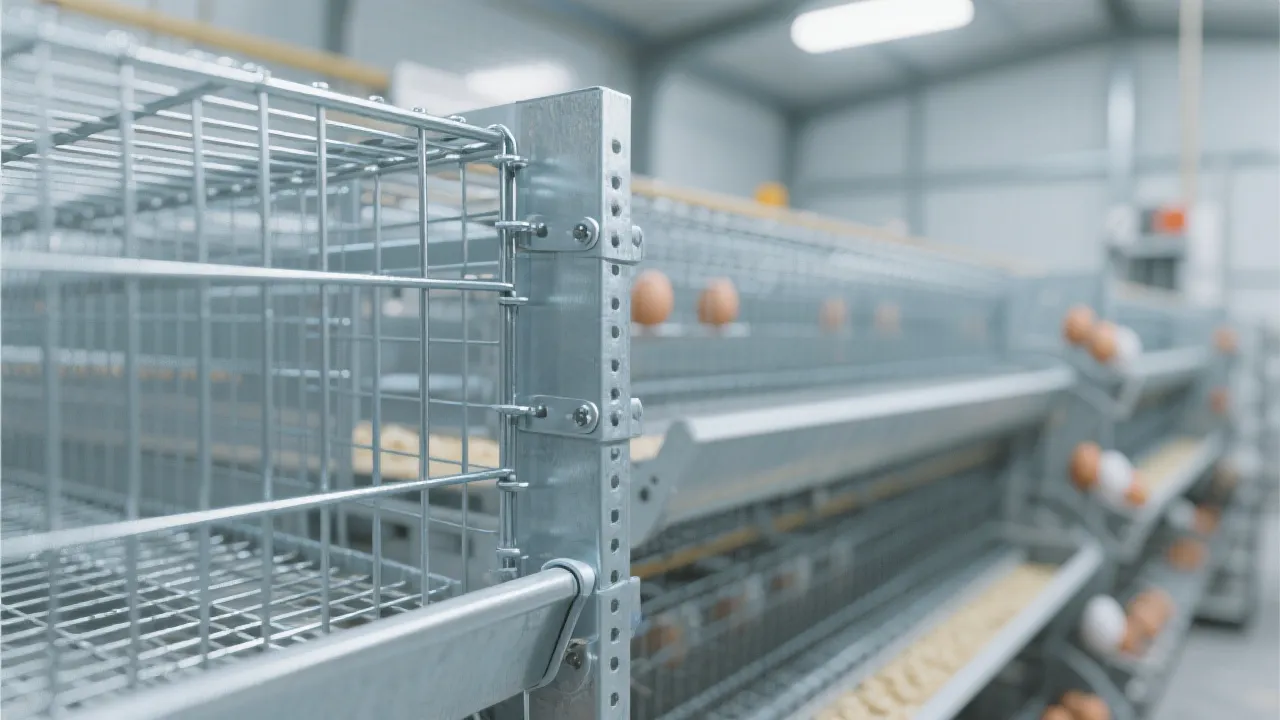
The choice of materials and surface treatment technologies plays a vital role in determining the durability and maintenance requirements of layer cages. High-quality galvanized steel or stainless steel is commonly used due to its resistance to corrosion and wear. These materials can withstand the harsh environment of a chicken farm, including exposure to moisture, manure, and cleaning agents, extending the lifespan of the cages by up to 5 years compared to lower-quality alternatives.
In addition, advanced surface treatment techniques, such as powder coating, provide an extra layer of protection against rust and scratches. This not only enhances the aesthetic appeal of the cages but also reduces the need for frequent maintenance and replacement, resulting in significant cost savings over the long term. For example, a large-scale farm in the United States reported a 30% reduction in maintenance costs after switching to cages with powder-coated surfaces.
Automated Systems: Reducing Labor Demand and Improving Egg Production Efficiency
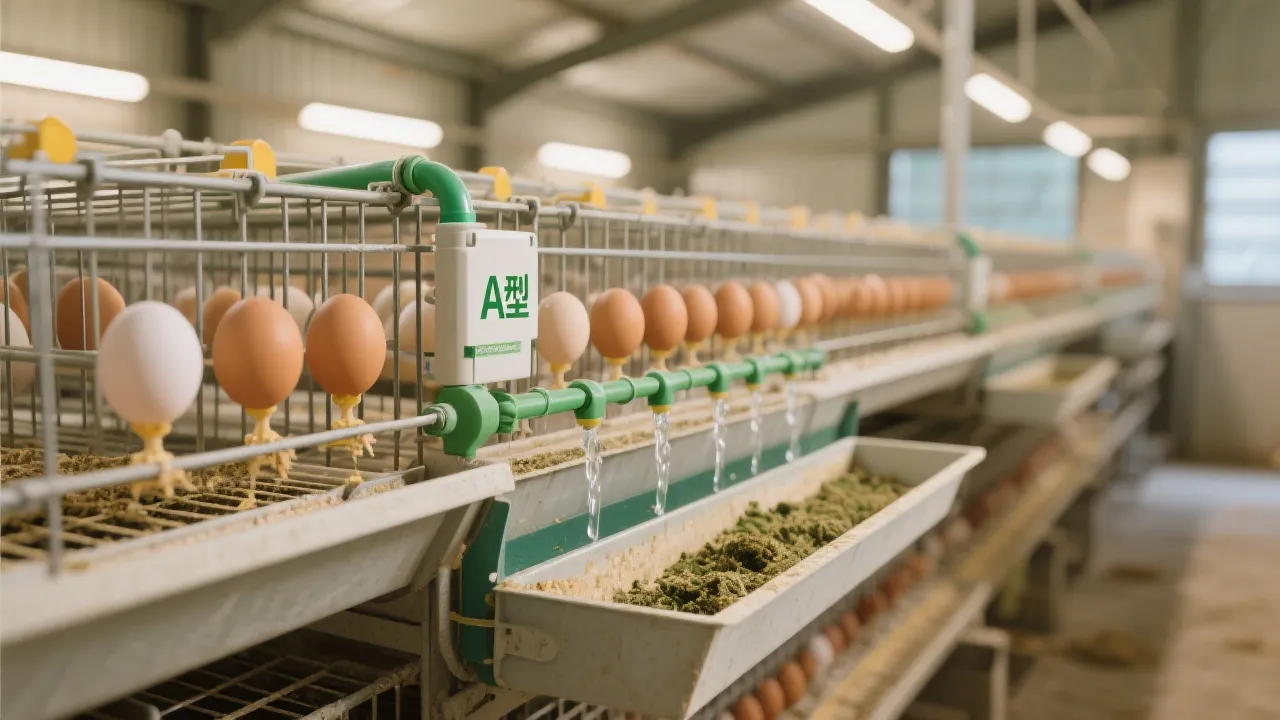
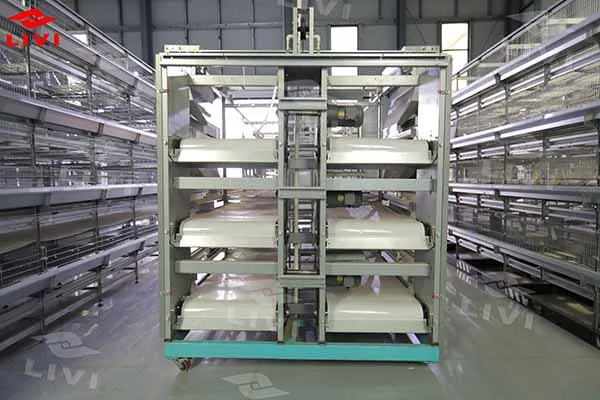
Automation is revolutionizing the egg production industry by reducing labor demand and improving overall efficiency. Automated egg collection systems use conveyor belts or robotic arms to gently collect eggs from the cages and transport them to a central location for sorting and packaging. This eliminates the need for manual egg collection, which is not only time-consuming but also prone to human error. Studies have shown that automated egg collection systems can increase egg collection efficiency by up to 40%, reducing the risk of egg breakage and contamination.
Similarly, automated manure cleaning systems use scrapers or flushing mechanisms to remove manure from the cages at regular intervals. This helps maintain a clean and hygienic environment for the hens, reducing the risk of diseases and improving their overall health and productivity. By automating the manure cleaning process, farms can reduce labor requirements by up to 50%, allowing workers to focus on more value-added tasks.
Case Studies: Demonstrating the Impact of Technological Upgrades
To illustrate the benefits of adopting advanced layer cage technologies, let's look at two real-world case studies. Farm A, a traditional egg farm, was facing challenges with high labor costs and low egg production efficiency. After upgrading to an automated H-type layer cage system, the farm was able to increase its egg production by 25% while reducing labor costs by 30%. The improved ventilation and temperature control systems also led to a significant reduction in hen mortality rates, further improving the farm's profitability.
Farm B, on the other hand, was struggling with cage corrosion and frequent maintenance issues. By switching to high-quality stainless steel cages with powder-coated surfaces, the farm was able to extend the lifespan of its cages from 5 to 10 years, reducing the need for frequent replacements. The automated egg collection and manure cleaning systems also helped the farm improve its operational efficiency, resulting in a 20% increase in overall productivity.
Environmental Considerations: Meeting Industry Standards and Promoting Sustainability
In addition to improving operational efficiency, modern layer cage systems also need to meet environmental standards and promote sustainability. Ventilation and temperature control systems play a crucial role in maintaining a comfortable and healthy environment for the hens while minimizing energy consumption. For example, some advanced cage systems use energy-efficient fans and heat exchangers to regulate temperature and humidity, reducing energy costs by up to 30% compared to traditional systems.
Furthermore, the proper management of manure is essential for reducing environmental pollution. Many automated manure cleaning systems are designed to collect and process manure in an environmentally friendly manner, such as converting it into biogas or fertilizer. This not only reduces the environmental impact of the farm but also creates additional revenue streams.
Are you ready to take your large-scale egg production to the next level? Discover how our advanced automated layer cage systems can help you reduce labor costs, improve efficiency, and ensure the health and well-being of your hens. Click here to learn more.




Hot Products

.jpg?x-oss-process=image/resize,m_fill,h_800,w_800/format,webp)


Popular articles




READY TO START?
Ready to Build Your Poultry Farm?
Tell us your land size, poultry type and farming capacity. LIVI will provide a complete farm solution for your project.