


How Automated Equipment and Environmental Control Systems Boost Hen Health and Egg Quality
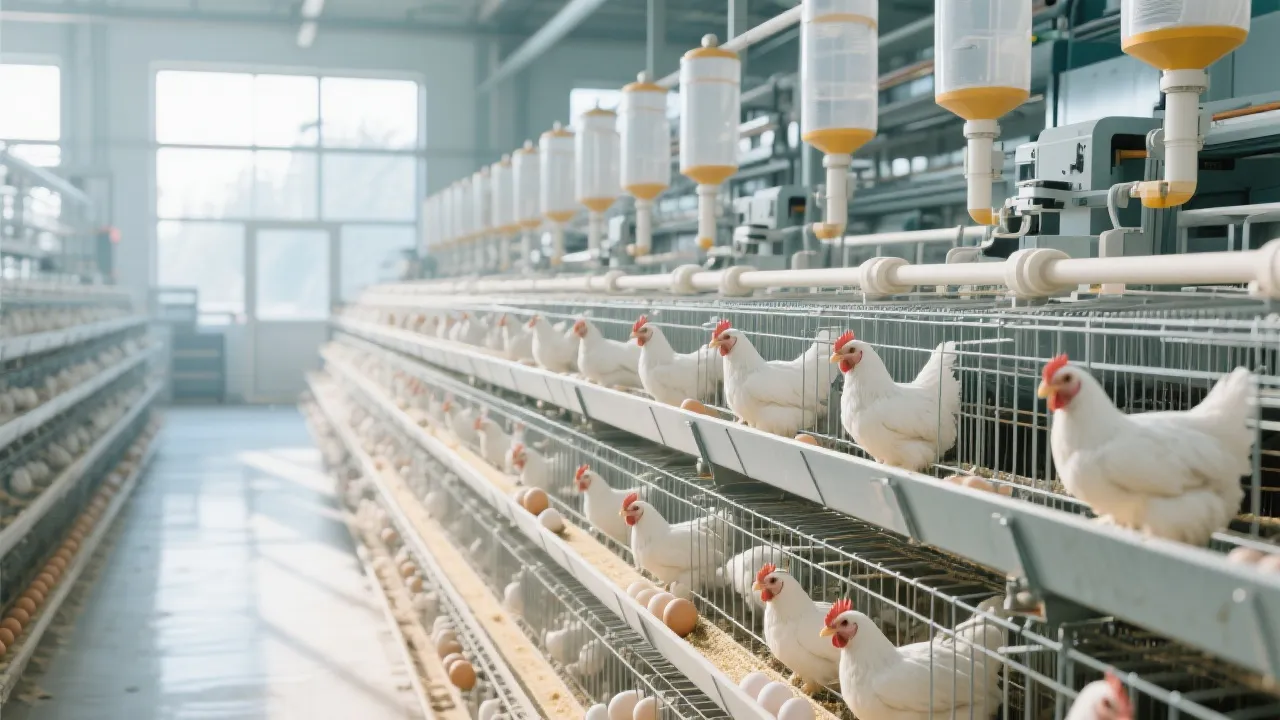
Environment as Productivity: How Smart Systems Boost Egg Quality and Chicken Health
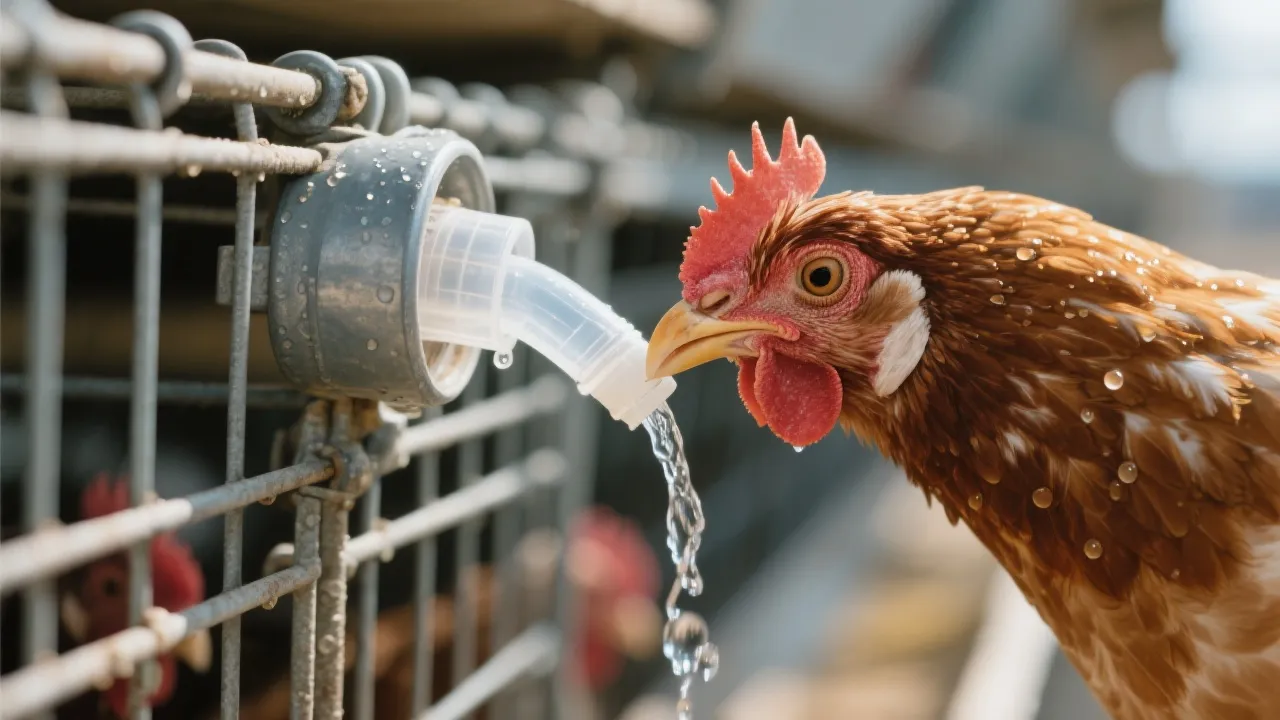
In modern poultry farming, the environment isn’t just a backdrop—it’s a direct driver of productivity. A single temperature fluctuation can reduce egg output by up to 15%, according to data from the FAO Livestock Environmental Assessment. But when ventilation, thermal control, durable materials, and automation work together, farms see measurable gains in health, efficiency, and export-ready egg quality.
Ventilation That Works with Nature, Not Against It
Many farms still rely on manual airflow adjustments—leading to hot spots and stagnant air. In one case study from a 20,000-hen farm in Thailand, switching to a computer-controlled ventilation system reduced mortality by 7% over six months while increasing daily feed intake by 12%. The key? Continuous CO₂ monitoring and automatic fan scheduling based on real-time humidity levels.
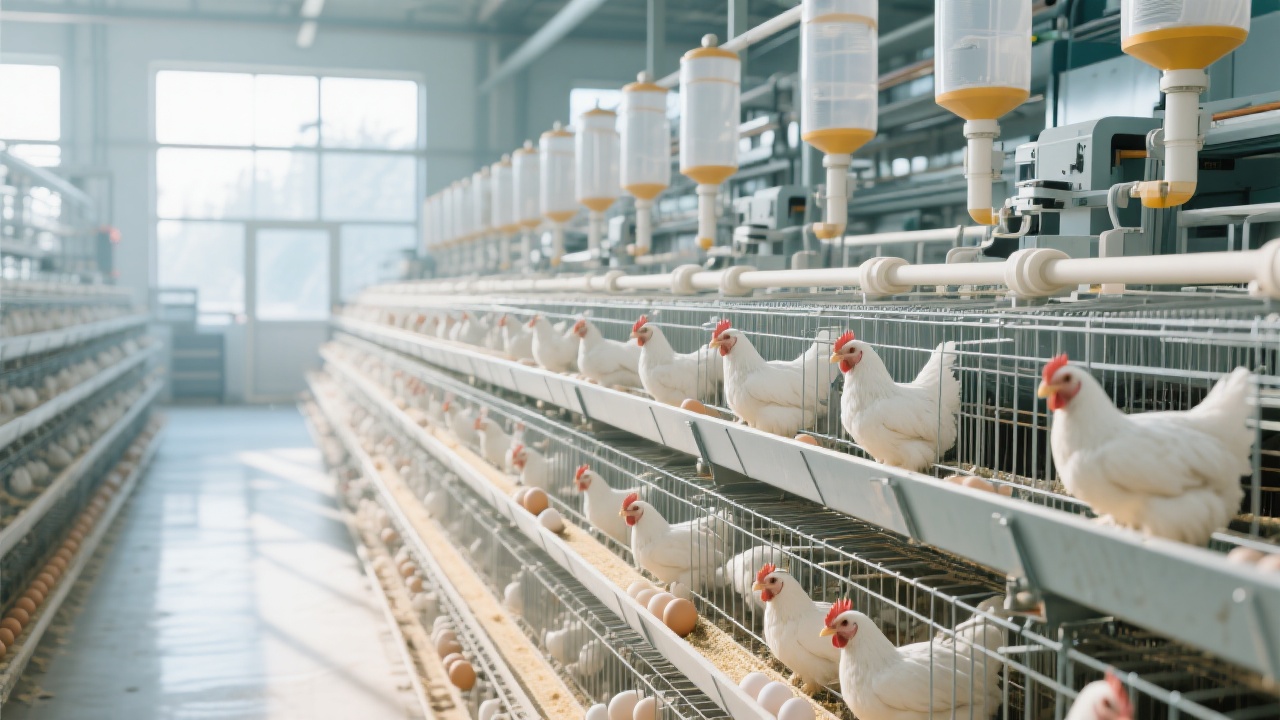
Temperature Control: More Than Just Comfort
Research shows that hens perform best at 18–22°C. Below 15°C, energy is diverted from egg production to thermoregulation—a loss that can cost up to $0.03 per bird per day. Farms using smart thermostats integrated with climate sensors reported a 9% increase in consistent laying cycles across seasons. This isn't just about comfort—it's about optimizing biological performance.
Durable Cage Materials Matter for Long-Term ROI
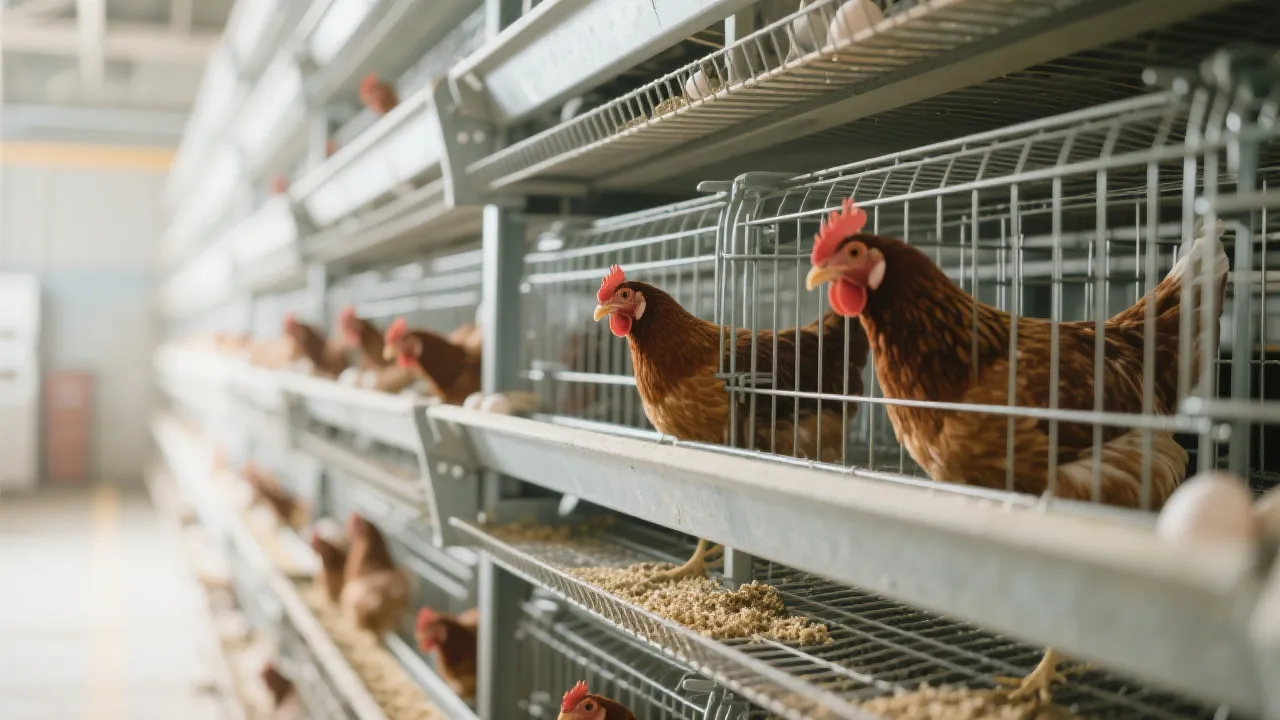
Q235 steel cages outperform galvanized alternatives in high-moisture environments. One Chilean farm saw a 40% reduction in maintenance costs after replacing old cages with corrosion-resistant models. Why? Because rust-free surfaces mean fewer injuries, less stress-induced molting, and cleaner eggs—critical for international buyers who demand hygiene standards like those set by EU and GCC food regulators.
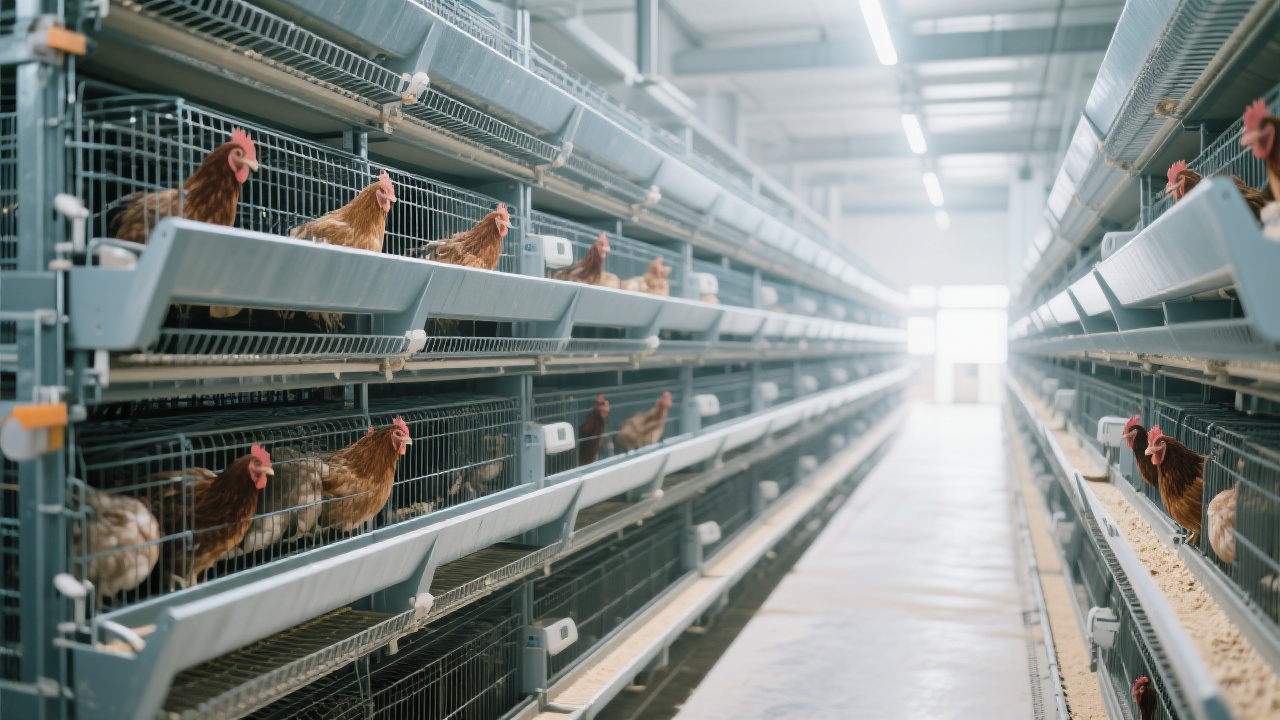
Automation Isn’t Optional—It’s a Competitive Edge
Manual cleaning and collection are not only labor-intensive but also inconsistent. Automated manure removal systems cut labor costs by 30–40%, while automatic egg collection reduces breakage by up to 22%. These aren’t hypothetical benefits—they’re backed by field tests conducted in Brazil, Indonesia, and Vietnam where farms adopted full-cycle automation within the last two years.
What makes these systems truly powerful is their integration. When temperature sensors trigger fans, which then activate water misters, and the whole process syncs with egg collection timing—it creates a feedback loop that improves both animal welfare and product consistency.
Still unsure where to start? Ask yourself: What’s your chicken house’s biggest hidden ventilation blind spot? Is it near the entrance? Over the feed lines? Share your answer below—we’ll feature top responses in our next technical guide.
Ready to Upgrade Your Farm’s Environment Strategy?
Discover how leading exporters use intelligent environmental control to meet global standards and boost profits—without compromising animal welfare.
Download Our Free Technical Whitepaper: “Smart Climate Control for Export-Quality Eggs”




Hot Products

.jpg?x-oss-process=image/resize,m_fill,h_800,w_800/format,webp)


Popular articles







READY TO START?
Ready to Build Your Poultry Farm?
Tell us your land size, poultry type and farming capacity. LIVI will provide a complete farm solution for your project.