


Automated Egg Collection System Saves 70% Labor | Smart Poultry Farming Guide

Why Automated Egg Collection Systems Are Reducing Labor Costs by Up to 70%
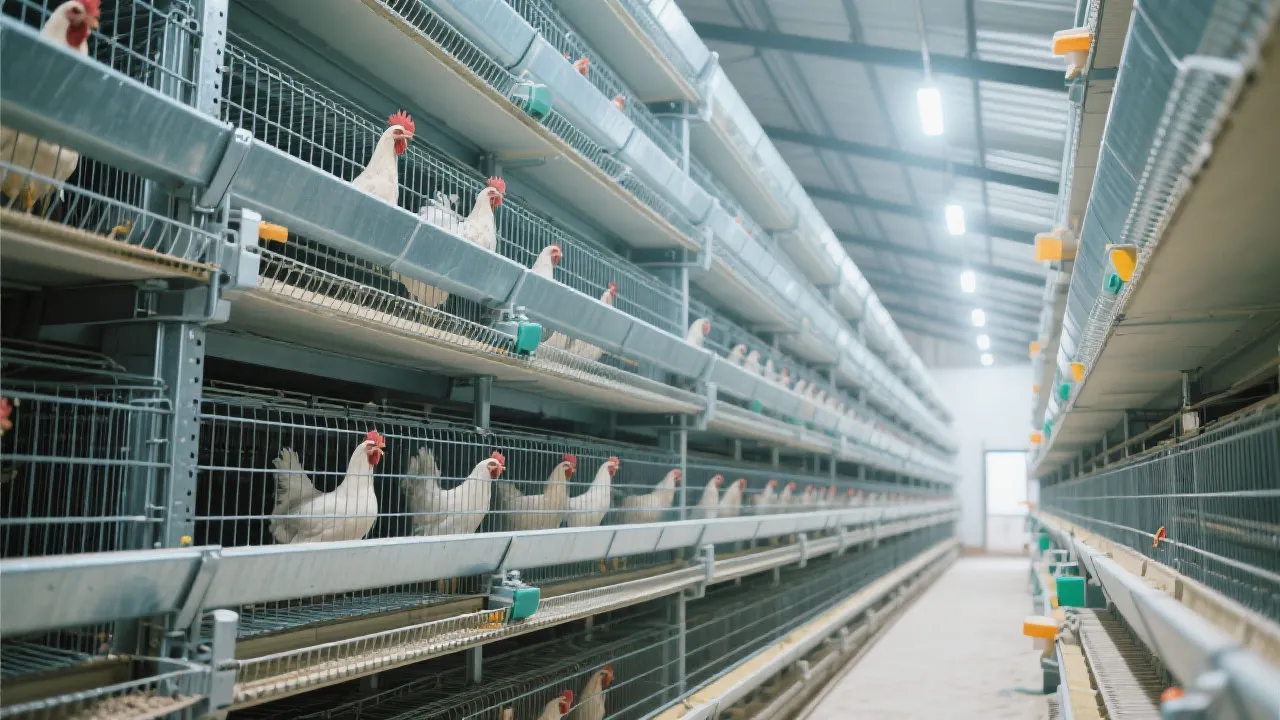
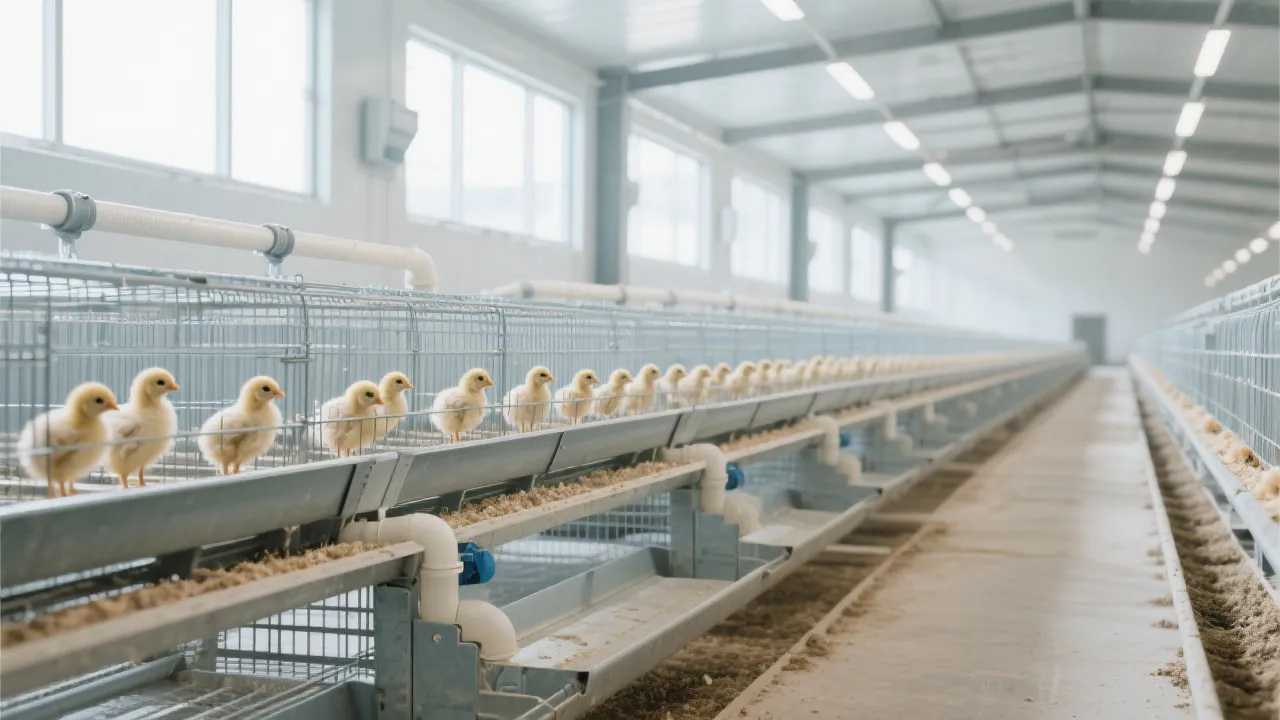
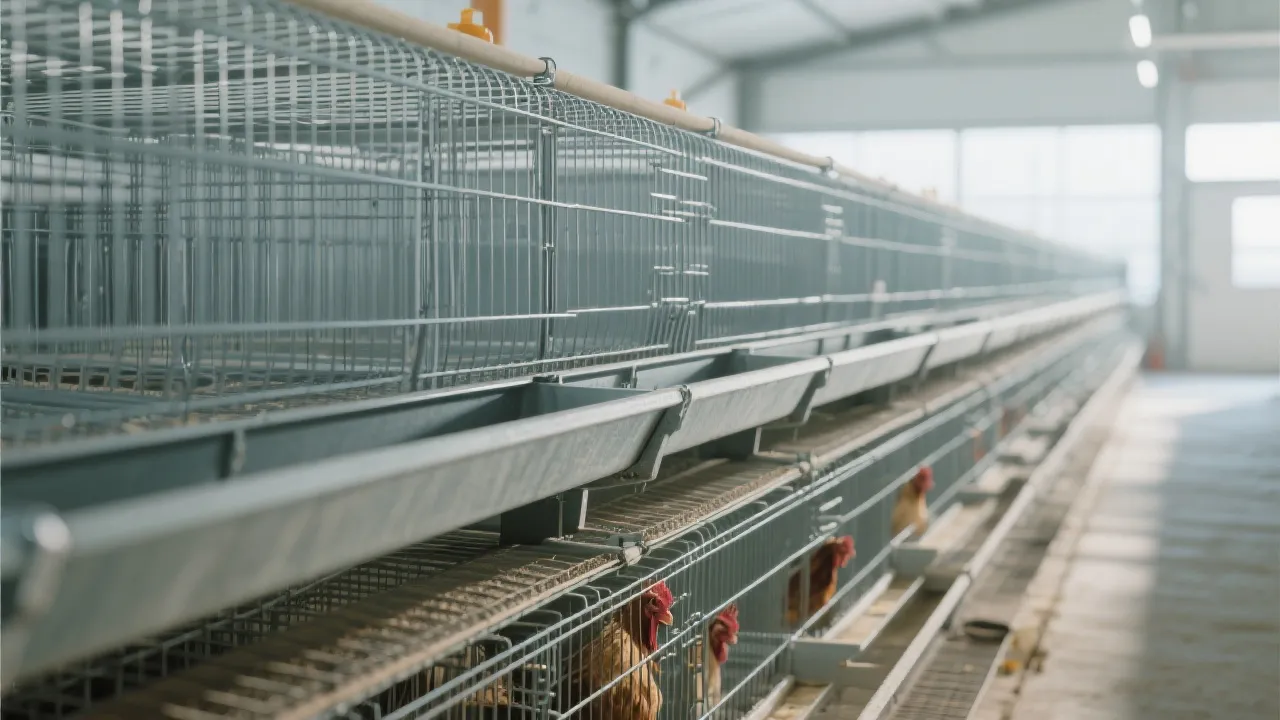
For poultry farmers managing medium- to large-scale operations, manual egg collection remains one of the most time-consuming and labor-intensive tasks on the farm. In many cases, it accounts for 40–60% of daily labor hours—especially in high-density housing systems like H-type layer cages. But what if you could reduce that workload by 70% while improving egg quality and flock welfare?
The Pain Points of Manual Egg Gathering
Traditional methods involve walking through rows of cages multiple times a day to collect eggs manually. This leads to:
- Increased risk of cracked or dirty eggs due to handling delays
- Higher stress levels for birds from frequent human presence
- Unpredictable labor costs, especially during peak seasons
- Difficulty scaling operations without hiring more staff
How It Works: Core Components Explained Simply
| Component | Function |
|---|---|
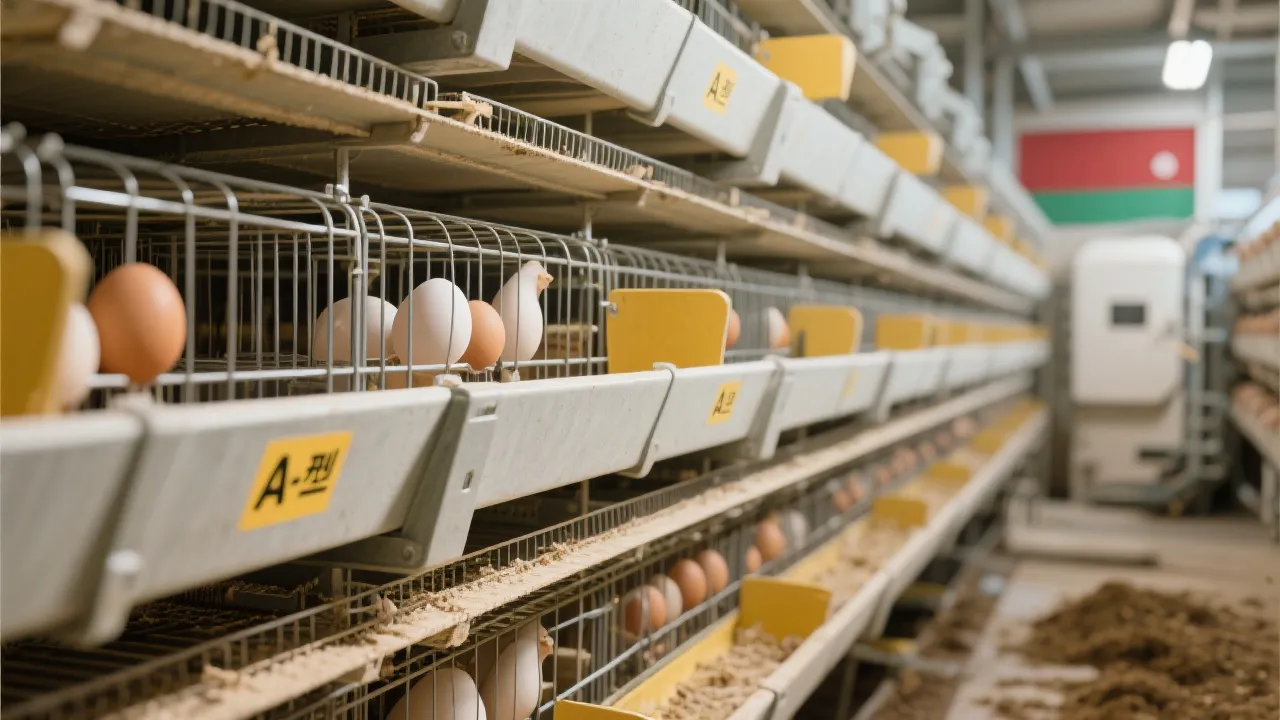
| Roller Conveyor Belt | Gently moves eggs from nest area to central collection point at 0.5–1 m/s speed. |
| Sensor Recognition Module | Uses infrared sensors to detect egg position and size—prevents double-counting or missed eggs. |
| Smart Sorting Unit | Diverts broken or soiled eggs automatically—maintaining clean output and reducing waste. |
These modules work together seamlessly in real-time, allowing farms with 10,000–50,000 hens to maintain consistent throughput—even under varying stocking densities (from 12–18 birds per square meter).
Real-World Performance Across Farm Sizes
A study conducted across 15 commercial farms in Southeast Asia showed that after installing automated systems:
- 72% reduction in daily labor input (from 4.5 hours to just 1.2 hours per shift)
- 98% egg integrity rate vs. 85% in manual setups
- Improved bird behavior metrics such as reduced vocalization and feather pecking
Even at higher stocking densities (up to 18 birds/m²), the system maintained stable performance—thanks to low-friction rollers and adaptive sensor calibration.
Maintenance Tips That Prevent Downtime
To keep your system running smoothly:
- Weekly cleaning of rollers using soft brushes (no harsh chemicals)
- Monthly inspection of sensor alignment—especially after cage adjustments
- Quarterly lubrication of moving parts to prevent wear
Most common issues—like misaligned sensors or belt slippage—are resolved within 30 minutes when checked regularly.
Key Insight: Automation isn’t just about saving labor—it’s about creating a more predictable, scalable, and humane farming environment.
With global trends shifting toward smart agriculture—supported by government incentives in countries like China, India, and Brazil—the transition to automated egg collection is no longer optional. It’s a strategic move for future-proofing your operation.



Hot Products

.jpg?x-oss-process=image/resize,m_fill,h_800,w_800/format,webp)


Popular articles




READY TO START?
Ready to Build Your Poultry Farm?
Tell us your land size, poultry type and farming capacity. LIVI will provide a complete farm solution for your project.