


Unveiling the Design Principles of Automated Egg Collection Systems: Key Technologies for Boosting Laying Hen Farming Efficiency

Core Components of the Automated Egg Collection System
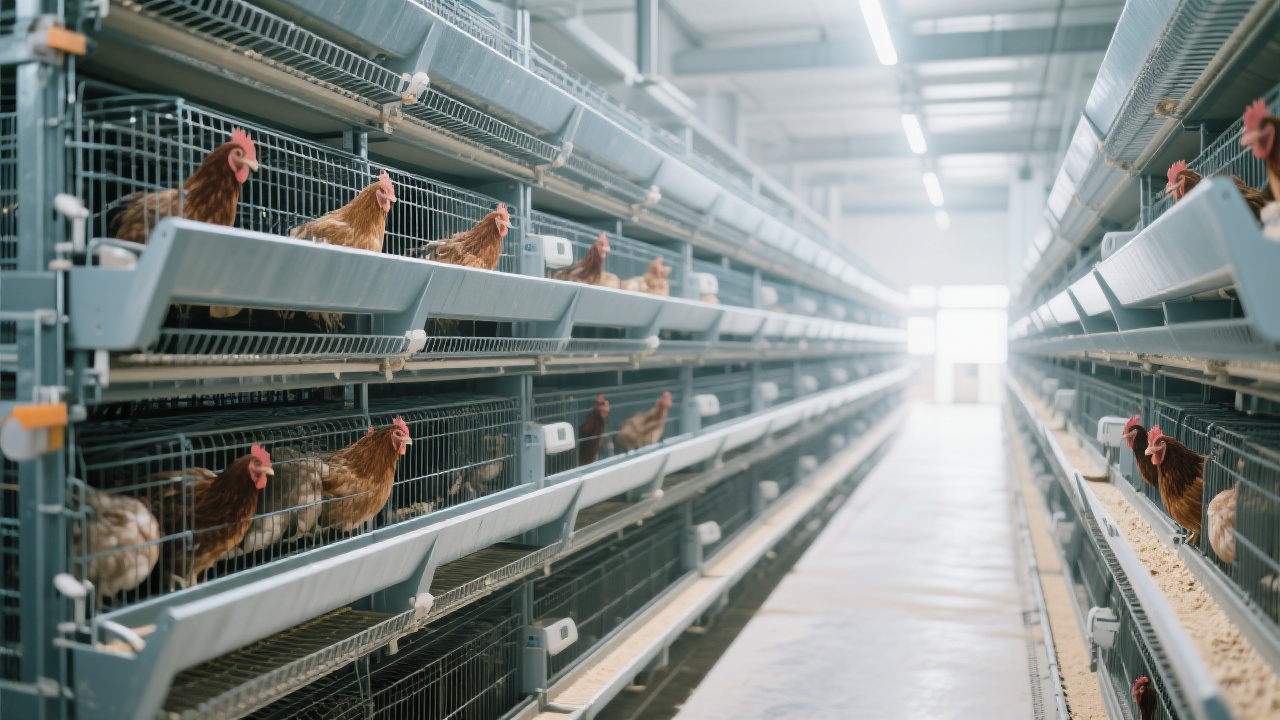
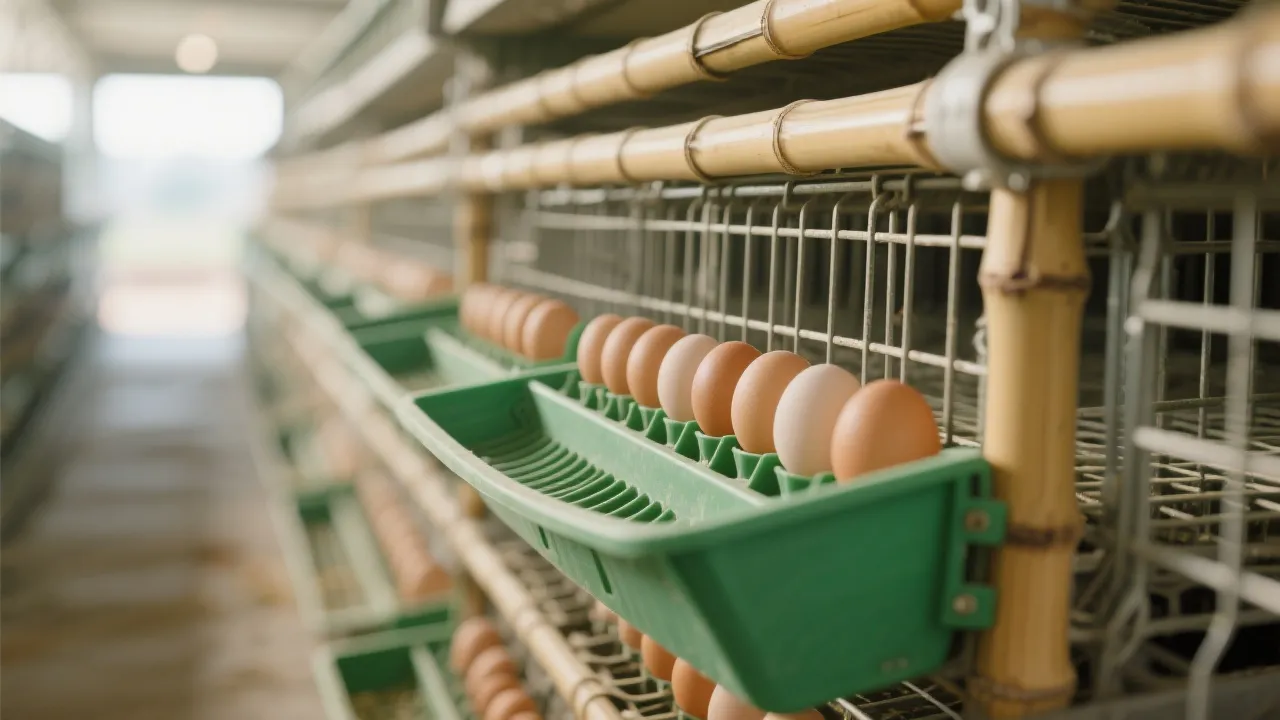
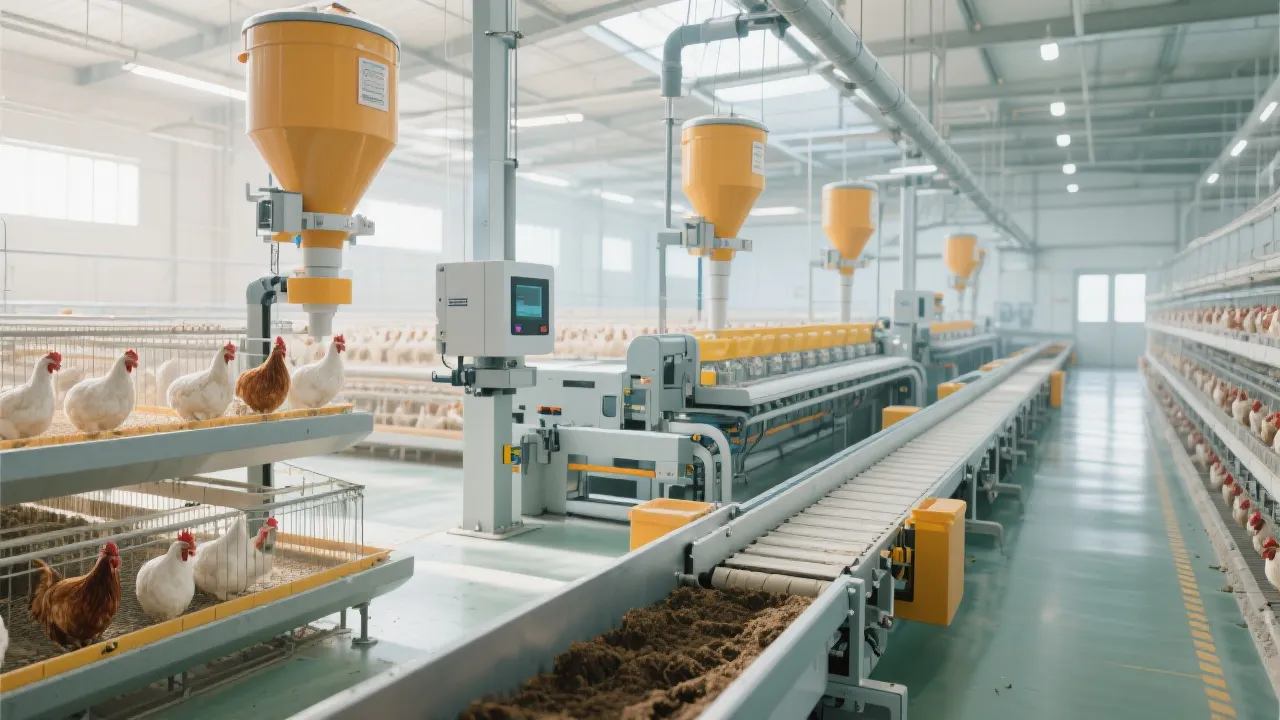
The automated egg collection system for H-type layer chicken cages is a revolutionary solution in the poultry industry. Its core components include a roller-type collection belt, an induction recognition module, and an intelligent sorting system. The roller-type collection belt is the first step in the process. As the hens lay eggs, the eggs roll onto the collection belt, which gently transports them to the next stage. The induction recognition module then comes into play, using advanced sensors to detect the size, shape, and quality of each egg. This information is crucial for the subsequent intelligent sorting system.
The intelligent sorting system uses the data from the induction recognition module to sort the eggs into different categories, such as large, medium, and small, or according to their quality. This ensures that only high-quality eggs are selected for further processing, while the lower-quality ones can be used for other purposes. The combination of these three components creates a seamless and efficient egg collection process.

Data-Driven Effect Verification
To understand the effectiveness of the automated egg collection system, it's essential to compare it with manual egg collection. In terms of egg production efficiency, the automated system can significantly increase the daily egg collection volume. On average, the daily egg collection volume can be increased by 30%. This is mainly due to the continuous and efficient operation of the system, which can collect eggs in a timely manner without being affected by human factors.
When it comes to egg breakage rate, the automated system shows a remarkable advantage. The breakage rate can be reduced by 50% compared to manual collection. This is because the system uses gentle handling methods and advanced sensors to avoid unnecessary collisions and damage to the eggs. In addition, the labor input is also greatly reduced. The automated system can reduce the labor cost by 60%, which is a significant saving for egg farms.
| Indicator | Manual Collection | Automated Collection |
|---|---|---|
| Daily Egg Collection Volume | Base value | +30% |
| Egg Breakage Rate | Base value | -50% |
| Labor Input | Base value | -60% |
Typical Implementation Issues and Countermeasures
Although the automated egg collection system offers many benefits, there are still some typical implementation issues that need to be addressed. One of the common problems is egg jams. This can occur when the eggs are not properly aligned on the collection belt or when there is a blockage in the sorting system. To solve this problem, the system is equipped with sensors that can detect egg jams in real-time. Once an egg jam is detected, the system will automatically stop and alert the operator, who can then take appropriate measures to clear the jam.
Another issue is incomplete cleaning. Over time, the collection belt and other components of the system may accumulate dirt and debris, which can affect the performance of the system. To ensure thorough cleaning, the system is designed with easy-to-clean components. Regular cleaning schedules can also be set up to maintain the cleanliness of the system.
Industry Trend Insights
The egg farming industry is undergoing a significant transformation towards智能化. Large-scale egg farms are increasingly adopting automated and intelligent technologies to improve efficiency and reduce costs. The future development direction of the industry will focus on more advanced sensor technologies, artificial intelligence, and big data analytics. These technologies will enable egg farms to make more informed decisions, optimize production processes, and improve the overall quality of egg production.
As the demand for high-quality eggs continues to grow, the intelligent transformation of egg farms will become an inevitable trend. By adopting the latest technologies, egg farms can not only meet the market demand but also improve their competitiveness in the global market.
实战案例分享
Let's take a look at a real-world case. A large egg farm with a scale of ten thousand hens decided to upgrade its egg collection system to an automated one. Before the upgrade, the farm relied on manual egg collection, which was time-consuming and labor-intensive. The daily egg collection volume was limited, and the egg breakage rate was relatively high.
After the upgrade, the farm saw significant improvements in its operations. The daily egg collection volume increased by 30%, the egg breakage rate decreased by 50%, and the labor cost was reduced by 60%. The farm was able to produce more high-quality eggs with less labor, which led to a significant increase in profits. This case demonstrates the effectiveness of the automated egg collection system and provides a valuable reference for other egg farms.

"The automated egg collection system has revolutionized our egg production process. It has not only improved our efficiency but also reduced our costs. We are very satisfied with the results." - A farm owner
Are you ready to upgrade your egg farm to a more efficient and intelligent one? Don't miss this opportunity to embrace the future of egg production. 立即咨询Livi Machinery自动化采蛋方案,获取专属养殖场升级建议






Hot Products

.jpg?x-oss-process=image/resize,m_fill,h_800,w_800/format,webp)


Popular articles






READY TO START?
Ready to Build Your Poultry Farm?
Tell us your land size, poultry type and farming capacity. LIVI will provide a complete farm solution for your project.