


Automated Egg Collection Systems for Poultry: Lower Labor Costs & Enhanced Efficiency
How Automated Egg Collection Systems Reduce Labor Costs in Large-Scale Poultry Farming
In modern egg production, labor efficiency and operational cost control are pivotal for profitability. Zhengzhou Livi Machinery’s high-efficiency H-type layer battery cage integration with an automated egg collection system illustrates a transformative approach. This article delves into the technical principles, operational efficacy, and real-world data-backed comparisons between traditional manual egg collection and automated systems, empowering poultry farm managers to make data-driven decisions.
Understanding the Automated Egg Collection Technology
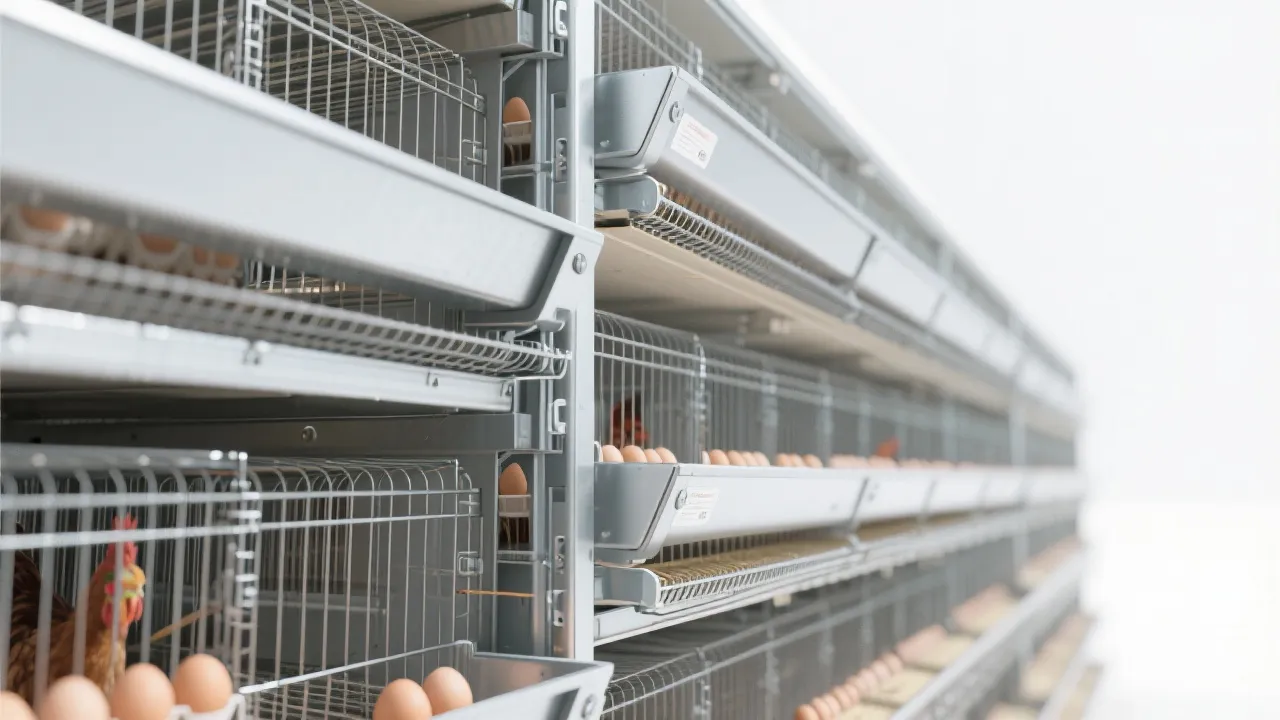
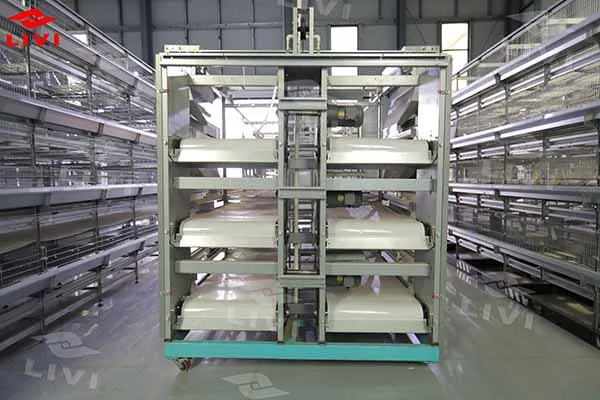
The automated egg collection system works by continuously collecting eggs via gentle conveyor belts integrated beneath the H-type layer cages. Eggs roll smoothly without damage, bypassing manual handling risks that cause breakage or contamination. The system’s design incorporates vibration reduction, anti-slip belt materials, and synchronized cage belt motions to optimize egg flow and safety.
Key technical features include:
- Synchronized motor-driven conveyors with adjustable speed control
- Egg-saving soft belts made from polyurethane enhancing durability and cushioning
- Modular design enabling easy maintenance and scalability
- Compliance with international standards for animal welfare and food safety
Comparative Analysis: Manual vs. Automated Egg Collection
To quantify labor cost savings, a study was conducted on two comparable poultry farms, each housing approximately 20,000 layers. One farm continued with manual egg collection, while the other adopted Zhengzhou Livi’s automated egg collection system installed on their H-type cages.
| Parameter | Manual Collection | Automated Collection |
|---|---|---|
| Average Labor Hours per Day | 12 hours | 3 hours (maintenance & monitoring) |
| Labor Cost Reduction | - | 75% reduction |
| Egg Breakage Rate | 1.8% | 0.4% |
| Daily Egg Collection Capacity | ~18,000 eggs | ~20,000 eggs (real-time) |
Data source: Field study conducted over a 3-month period in two comparable layer poultry farms, 2023.
Step-by-Step Operational Guide & Maintenance Insights
Implementing an automated egg collection system requires adherence to operational protocols and routine maintenance for maximal uptime:
- System Startup: Inspect conveyor belts and motor components for wear or misalignment before operation.
- Egg Flow Monitoring: Utilize built-in sensors to ensure continuous egg flow; alert systems notify in case of blockages.
- Daily Cleaning: Clean belts gently with non-corrosive agents to maintain hygienic conditions, preventing contamination.
- Monthly Routine Checks: Lubricate motors and check belt tension; replace worn parts proactively to avoid downtime.
Proper training of personnel on monitoring the system’s components and prompt troubleshooting significantly reduces unexpected disruptions and enhances system longevity.
Strategic Impact on Poultry Farm Economics
Transitioning to automated egg collection directly correlates with labor cost savings and efficiency gains. The 75% reduction in labor hours can reallocate workforce resources to higher-value tasks such as flock health management and feed optimization.
Moreover, a significant drop from 1.8% to 0.4% in egg breakage translates into higher saleable output and improved product quality, crucial for maintaining buyer trust.
These operational improvements also meet international animal welfare and food safety standards, opening avenues for export-oriented markets and premium pricing strategies.
Key Technical Parameters for Correct System Selection
When selecting automated egg collection equipment, consider:
- Conveyor belt width tailored to cage design to minimize egg damage
- Motor power corresponding to the number of cages and operation frequency
- Integration compatibility with existing automated feeding and ventilation systems
- Compliance certification with ISO 9001 and relevant poultry welfare protocols
Consistent technological updates and manufacturer support also play an essential role in sustained operational excellence.


Hot Products

.jpg?x-oss-process=image/resize,m_fill,h_800,w_800/format,webp)


Popular articles





READY TO START?
Ready to Build Your Poultry Farm?
Tell us your land size, poultry type and farming capacity. LIVI will provide a complete farm solution for your project.