


Application of Scientific Airflow Organization in H-type Laying Hen Cage Ventilation System and Its Impact on Laying Performance

The Application of Scientific Airflow Organization in the Ventilation System of H-type Laying Hen Cages and Its Impact on Laying Performance
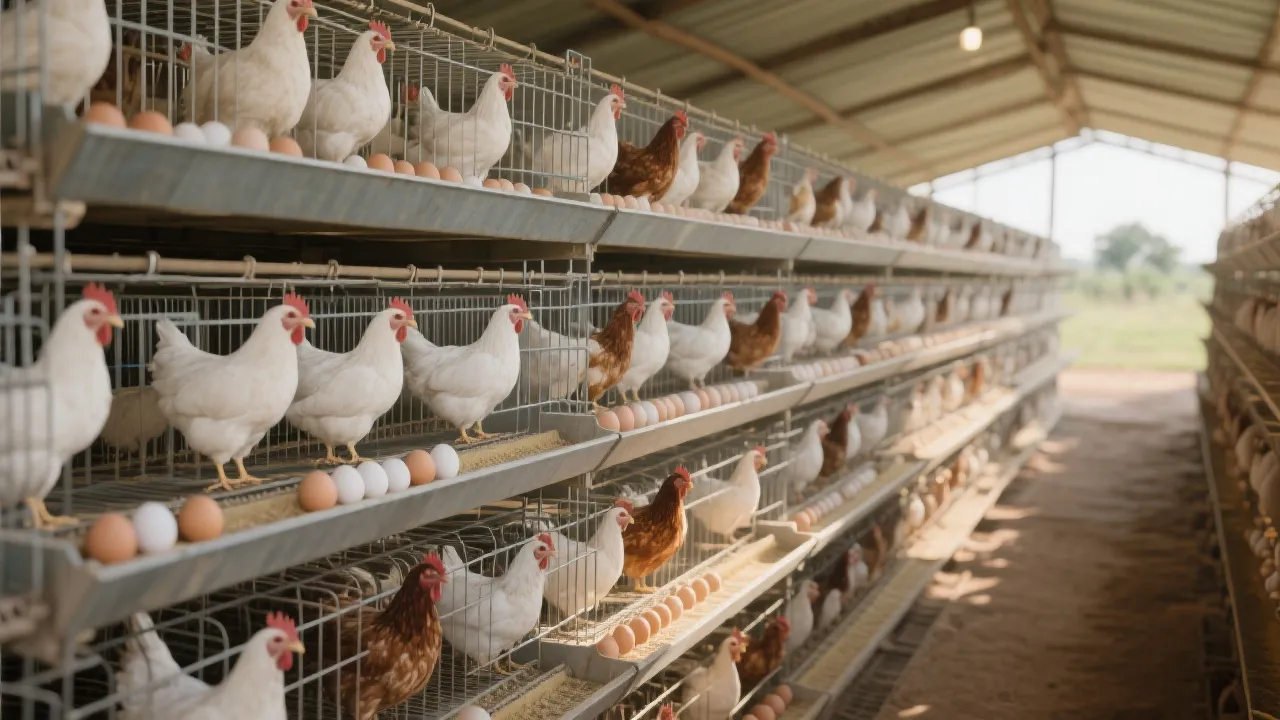
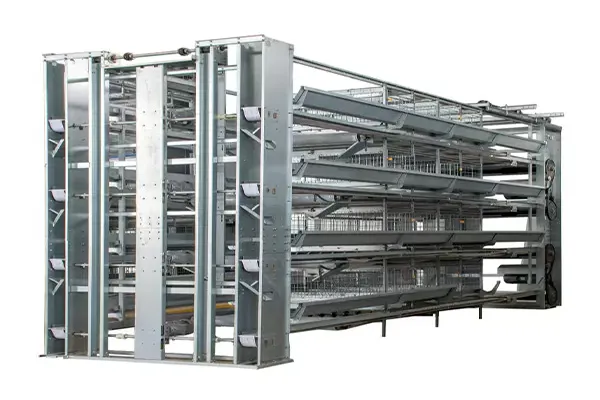
This article focuses on the ventilation system of the high - efficiency H - type layer hen cages launched by Zhengzhou Livi Machinery Co., Ltd. Through scientific airflow organization (side - wall air intake + top exhaust), a constant temperature and humidity environment is achieved, effectively preventing the impact of heat stress on the egg - laying rate of laying hens. In the egg - laying industry, maintaining a stable environment in the hen house is crucial for the health of the hens and the quality of the eggs.
Let's first understand the impact of heat stress on laying hens. According to industry data, when the temperature in the hen house exceeds 30°C, the egg - laying rate of laying hens can drop by about 10 - 15%. For example, a large - scale egg farm in the southern United States once faced a significant decline in egg production during the hot summer months. The high temperature led to heat stress among the hens, resulting in a decrease in feed intake, increased water consumption, and a sharp drop in egg - laying rate. This shows that effective ventilation and temperature control are essential for maintaining high egg - laying rates.
The Role of Scientific Airflow Organization
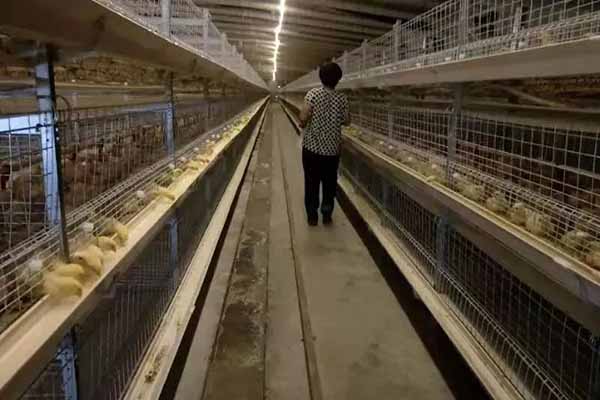
The innovative design of the H - type hen cages plays a key role in the ventilation system. The side - wall air intake and top exhaust method ensure that fresh air can evenly enter the hen house and expel the stale air. This scientific airflow organization can maintain a stable temperature and humidity environment. When the air enters from the side - wall, it can be pre - cooled or pre - heated according to the outside temperature, and then evenly distributed in the hen house. The top exhaust can quickly remove the hot and humid air generated by the hens, preventing the accumulation of heat and moisture.
Research has shown that in hen houses with scientific airflow organization, the temperature difference can be controlled within ±2°C, and the relative humidity can be maintained at about 60 - 70%. This stable environment can significantly reduce the occurrence of heat stress, thereby increasing the egg - laying rate by about 8 - 12% compared to traditional hen houses.
The Anti - corrosion Performance of Aluminum - zinc Alloy Coating
In addition to ventilation, the durability of the hen cages is also an important factor affecting the long - term operation of the farm. The H - type hen cages are coated with an aluminum - zinc alloy coating, which has excellent anti - corrosion performance. In a long - term corrosion test, it was found that the aluminum - zinc alloy coating can resist corrosion for more than 15 years in a normal hen - house environment. This is because the aluminum - zinc alloy coating forms a dense protective film on the surface of the cage, preventing moisture and corrosive substances from contacting the metal, thus extending the service life of the cage.
For example, a hen farm in Australia used traditional uncoated cages at first. Due to the high humidity in the hen house, the cages began to corrode after only 3 - 4 years. The corroded cages not only affected the safety of the hens but also needed to be replaced frequently, increasing the cost of the farm. After switching to the H - type hen cages with aluminum - zinc alloy coating, the farm no longer had to worry about the corrosion problem, which improved the stability of the production.

Environmental Monitoring and Maintenance
To ensure the normal operation of the ventilation system and the overall environment of the hen house, regular environmental monitoring is necessary. Simple and practical environmental monitoring methods include using temperature and humidity sensors. These sensors can be placed at different positions in the hen house to monitor the temperature and humidity in real - time. For daily maintenance, it is recommended to clean the air intake and exhaust vents at least once a week to ensure smooth airflow. The fan blades should also be checked regularly to ensure their normal operation.
For example, a small - scale hen farm in China installed temperature and humidity sensors in the hen house. By monitoring the data, the farmer could adjust the ventilation system in time according to the changes in temperature and humidity. This simple operation helped the farm maintain a stable environment and improved the egg - laying rate. At the same time, regular maintenance of the ventilation system ensured the long - term stable operation of the equipment.
Conclusion and CTA
In conclusion, the scientific airflow organization in the H - type hen cage ventilation system, combined with the anti - corrosion performance of the aluminum - zinc alloy coating, can effectively improve the egg - laying performance of hens and the stability of the farm operation. By providing practical environmental monitoring and maintenance methods, it helps farmers better manage the hen house environment and improve economic benefits.
To learn more about efficient ventilation solutions, welcome to visit the technical column on our official website or make an appointment for expert consultation. Our professional team is ready to provide you with in - depth technical support and guidance to help your egg - laying farm achieve efficient operation and sustainable development.



Hot Products

.jpg?x-oss-process=image/resize,m_fill,h_800,w_800/format,webp)


Popular articles




READY TO START?
Ready to Build Your Poultry Farm?
Tell us your land size, poultry type and farming capacity. LIVI will provide a complete farm solution for your project.