


Application of Environmental Technologies in Laying Hen Farming Equipment: Green and Sustainable Development
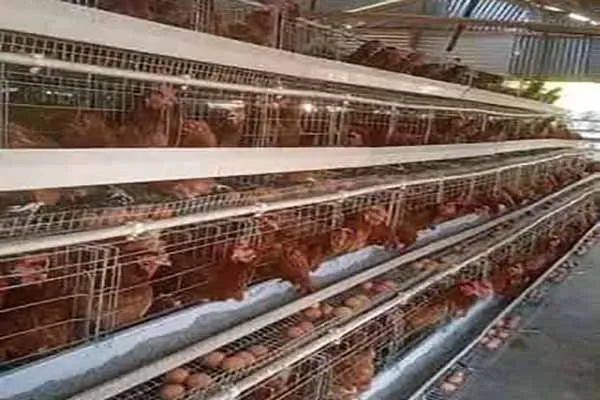
ISO 9001 and ISO 14001 in Layer Cage Design and Operation
ISO 9001, the international standard for quality management systems, sets out the criteria for a quality management system. It helps organizations ensure that they meet the needs of customers and other stakeholders while meeting statutory and regulatory requirements related to the product. In the context of layer cage design, ISO 9001 requires strict control over every stage of the production process. For example, in material selection, only high - quality international steel should be used. Statistics show that cages made from high - grade steel can have a service life that is 30% longer than those made from ordinary steel.
ISO 14001, on the other hand, focuses on environmental management. It requires organizations to identify and control their environmental impact and continuously improve their environmental performance. In layer cage design, this means using eco - friendly materials and processes. For instance, advanced surface treatment processes can reduce the release of harmful substances during the use of the cages, contributing to a more sustainable and green farming environment.

Ensuring Equipment Quality and Longevity
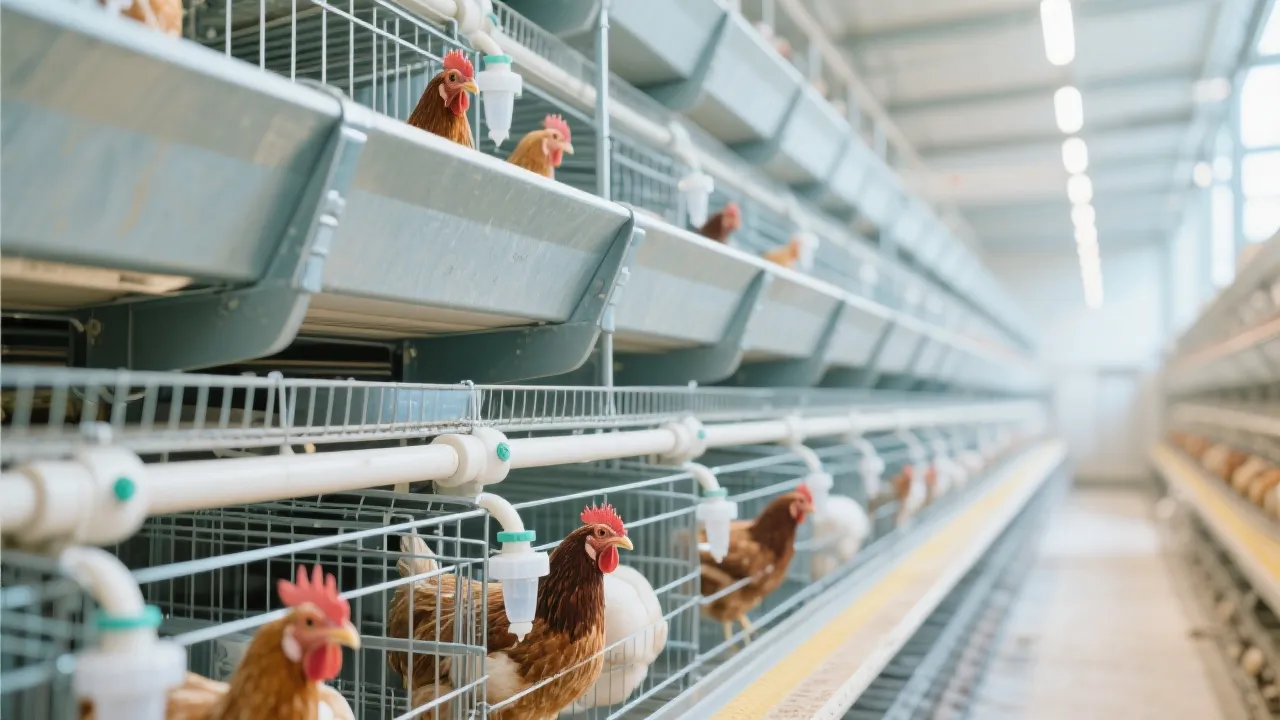
To ensure the quality and longevity of layer cages, material selection is crucial. As mentioned earlier, high - quality steel provides a solid foundation. Additionally, the manufacturing process should be strictly controlled. Advanced welding techniques can ensure the structural integrity of the cages, reducing the risk of breakage. Regular maintenance is also essential. A well - maintained layer cage can operate efficiently for up to 15 years, compared to an average of 10 years for those without proper maintenance.
A standardized maintenance process should include regular inspections, cleaning, and replacement of worn - out parts. A standardized inspection system can detect potential problems early, preventing major breakdowns and reducing downtime in the farm.
The Role of CE Certification in International Market Access
CE certification is a mandatory conformity mark for many products sold within the European Economic Area (EEA). It indicates that the product meets the essential health and safety requirements set out in European Union directives. For layer cages, CE certification is a guarantee of product safety and compliance with international standards.
In the international market, CE - certified layer cages are more likely to gain the trust of customers. According to market research, farms are 40% more likely to choose CE - certified equipment, as it reduces the risk of legal issues and ensures the safety of the poultry and workers.

Practical Tools for Standardized Management
In a real - world farm setting, standardized management tools are essential. A standardized inspection system can be established, where cages are inspected at regular intervals. An environmental protection operation and maintenance checklist can also be used to ensure that all environmental requirements are met during the operation of the cages.
These tools not only help farms improve their operational efficiency but also ensure that they are compliant with international standards. By implementing these tools, farms can enhance their brand competitiveness and market recognition.
Conclusion and CTA
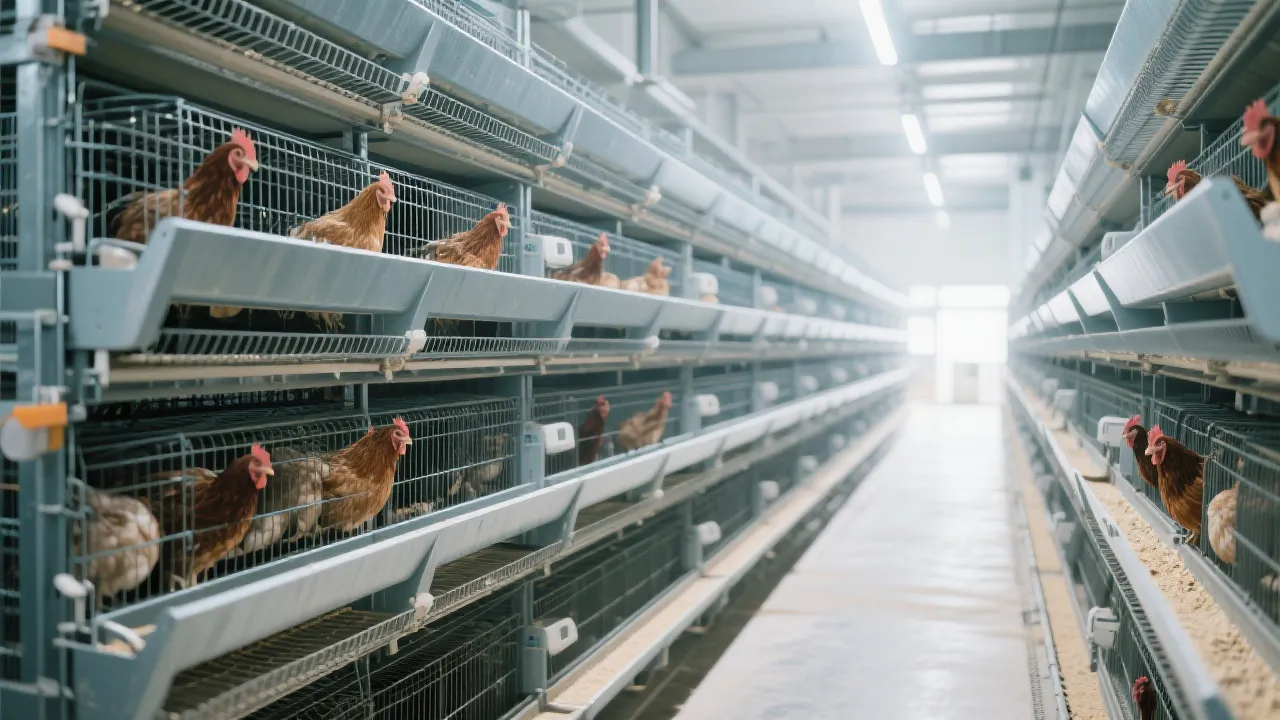
In conclusion, the application of ISO 9001, ISO 14001, and CE certification in layer cage design and operation is of great significance. It ensures the quality, safety, and environmental friendliness of the cages, which in turn helps farms achieve sustainable development. Are you ready to upgrade your poultry farm with high - standard layer cages? Click here to learn more about our compliant and high - performance layer cages.




Hot Products

.jpg?x-oss-process=image/resize,m_fill,h_800,w_800/format,webp)


Popular articles






READY TO START?
Ready to Build Your Poultry Farm?
Tell us your land size, poultry type and farming capacity. LIVI will provide a complete farm solution for your project.