


Aluzinc Coated Stackable Layer Chicken Cages: Structural Optimization for Space Efficiency and Higher Load Capacity
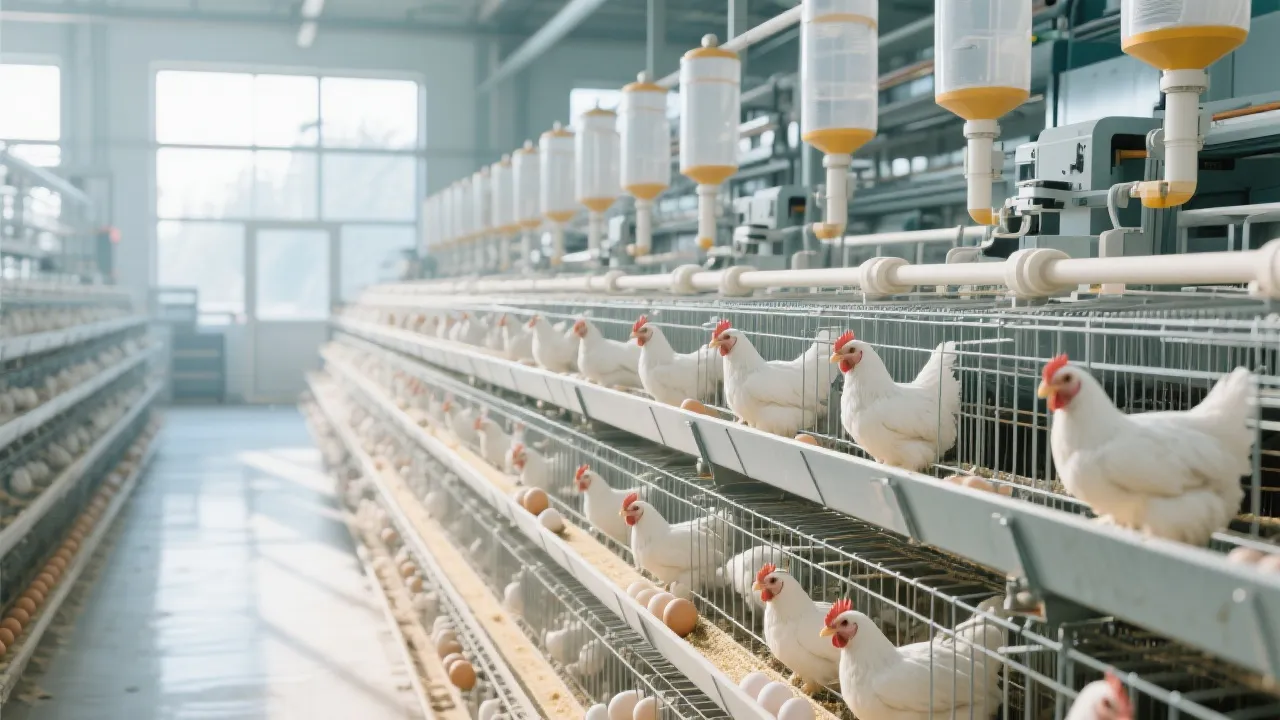
For layer farm owners & poultry integrators — decision-stage technical guide on stacked layer chicken cage design with Al-Zn alloy coating.
This article explains how aluminum-zinc alloy coated stacked cages improve space utilization and load-bearing capacity, while reducing corrosion-driven maintenance. Brand reference: Zhengzhou Livi Machinery Manufacturing Co., Ltd.
Why “More Birds per Building” Is Not Just a Layout Question
In modern egg production, the limiting factor is rarely the number of cages available—it is the usable cubic volume of the house and the structural stability of what is installed inside it. Conventional single-tier or poorly engineered multi-tier systems often hit bottlenecks: aisle width conflicts, uneven loads on frames, deformation over time, and corrosion at weld points that silently reduces safety margins.
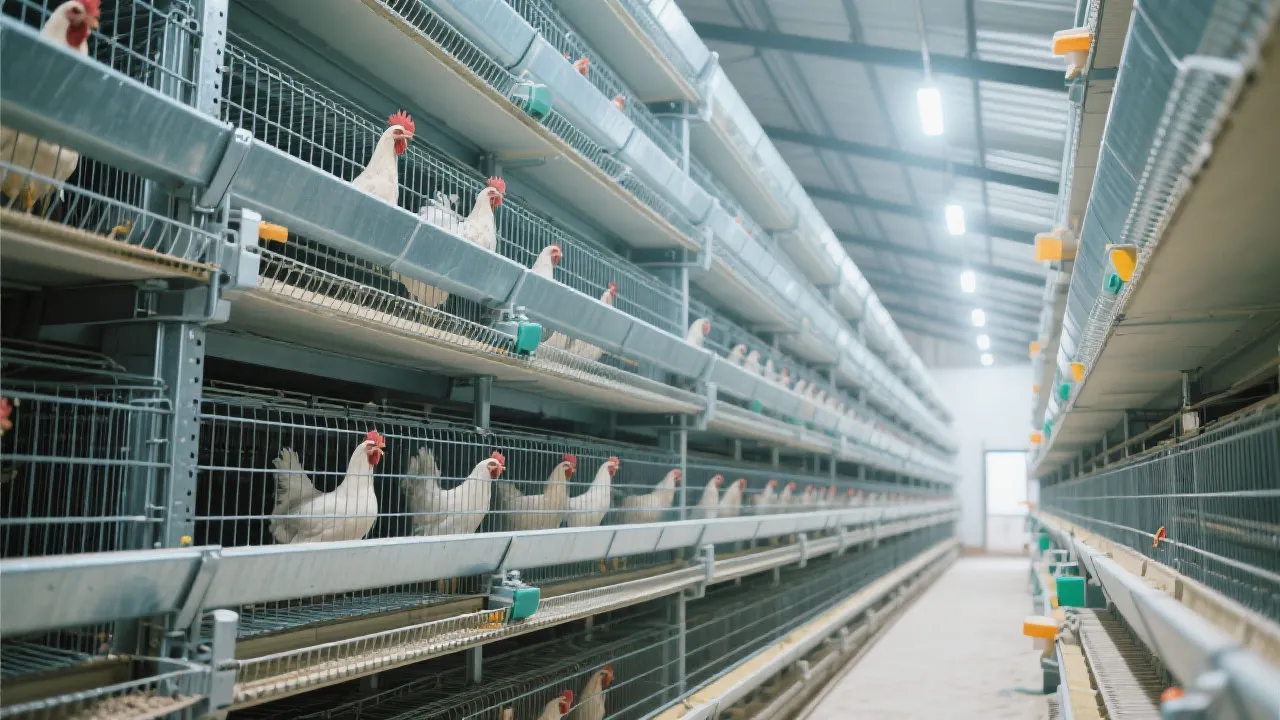
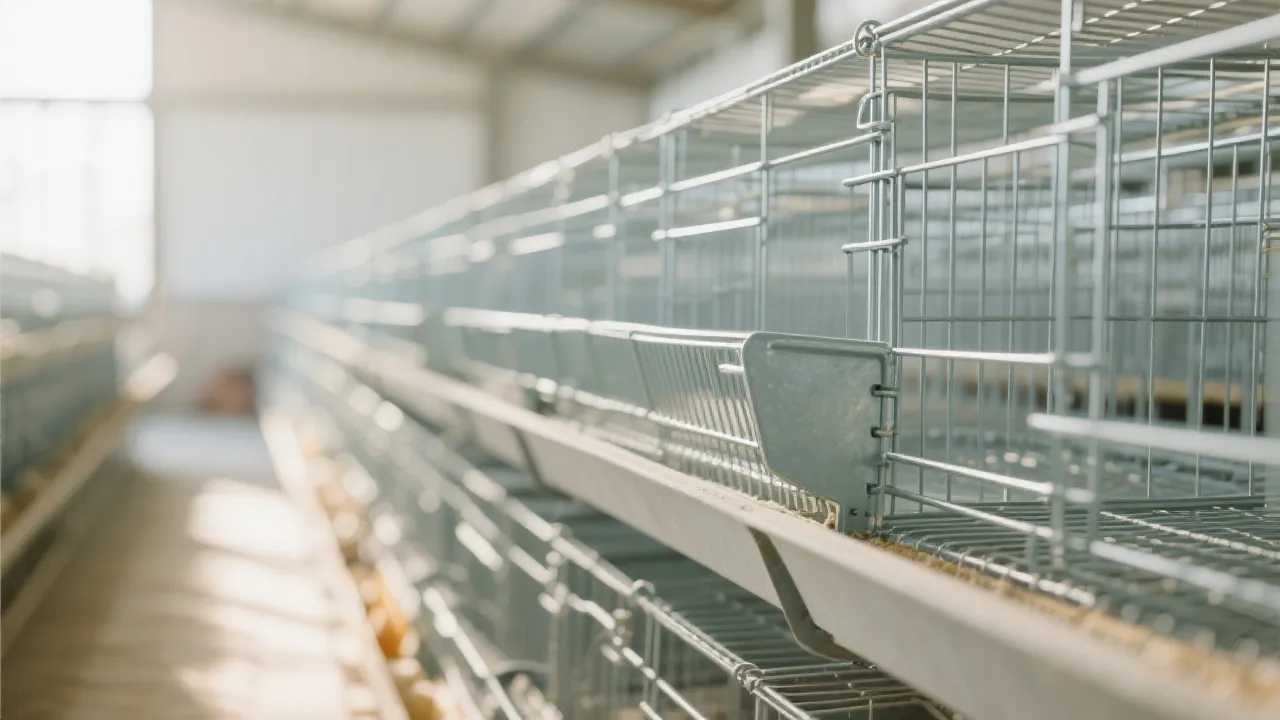
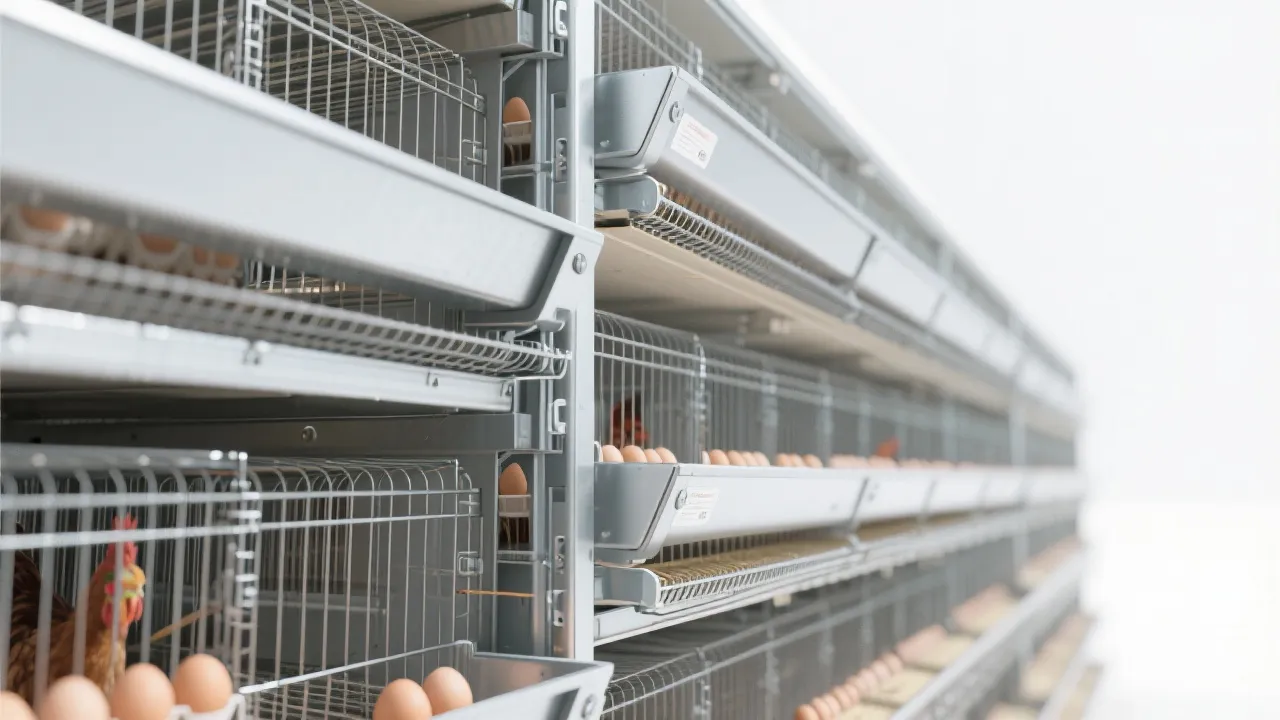
A well-designed aluminum-zinc alloy coated stacked layer chicken cage addresses these constraints as an engineering system: tier geometry, frame stiffness, fastener reliability, manure management interfaces, airflow pathways, and corrosion resistance are designed to work together rather than compete.
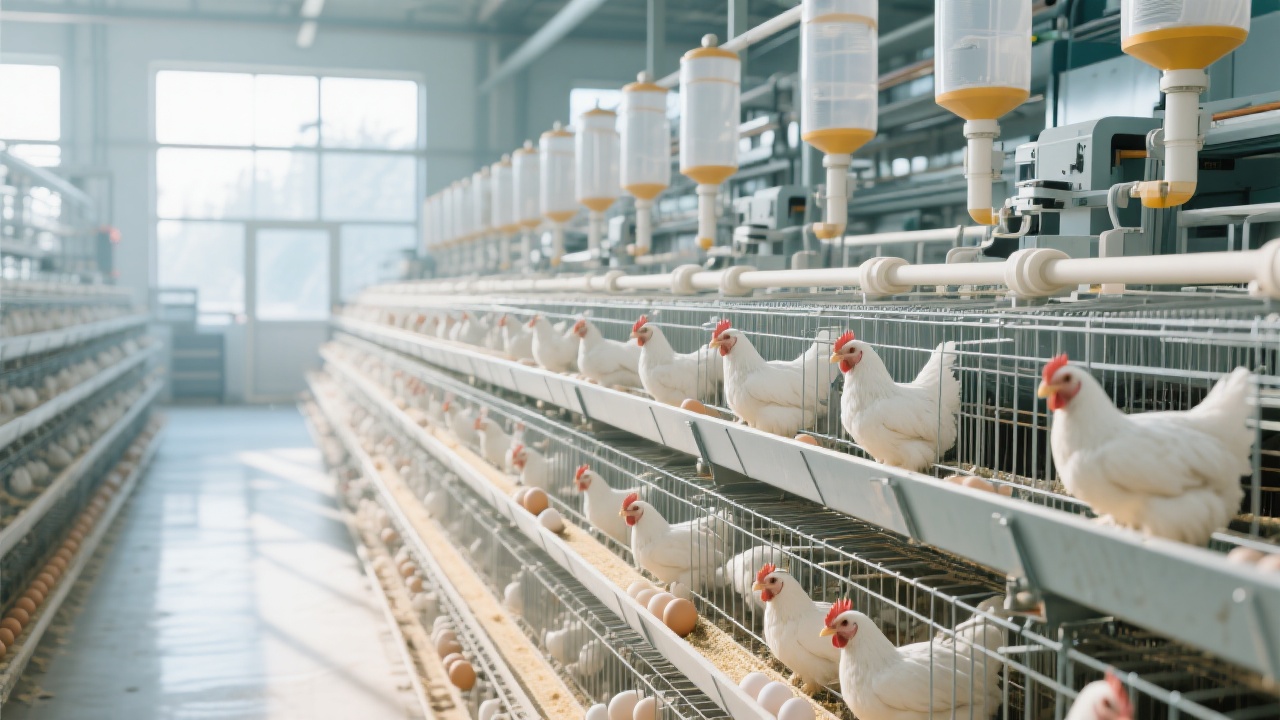
Structural Optimization: How Stacked Cages Increase Space Utilization Without Sacrificing Access
Space utilization is not simply “adding tiers.” In practice, farms must keep workable aisles, maintain stable ventilation, and ensure daily operations (feeding, egg collection, inspection) remain efficient. Optimized stacked cages typically improve the effective stocking density per building footprint by leveraging three design principles:
1) Tier geometry aligned with operational “reach zones”
A tier height and cage depth that matches inspection reach reduces missed checks and stress-driven handling. Practical designs keep routine visual checks within comfortable reach and maintain consistent egg roll-out angles to reduce cracking.
2) Load paths that remain stable across the full length of the row
A stacked cage behaves like a long modular structure. If the frame is not designed with predictable load transfer, small deformations compound across sections. Reinforced uprights, cross-bracing, and consistent connection points reduce long-run sagging and keep tiers aligned.
3) Interfaces designed for hygiene and airflow
Space gains are meaningless if manure handling and ventilation become harder. Better tier spacing and smoother cage surfaces reduce dirt retention, help keep the microclimate more uniform, and simplify cleaning workflows.
The “Invisible Upgrade”: Aluminum-Zinc Alloy Coating as a Load-Bearing Multiplier Over Time
In poultry houses, corrosion is not cosmetic—it is structural. Ammonia, humidity, and frequent wash-downs accelerate oxidation at edges, joints, and scratched areas. Over time, corrosion reduces the effective cross-section of steel components, which can lead to deformation, misalignment, and higher failure risk.
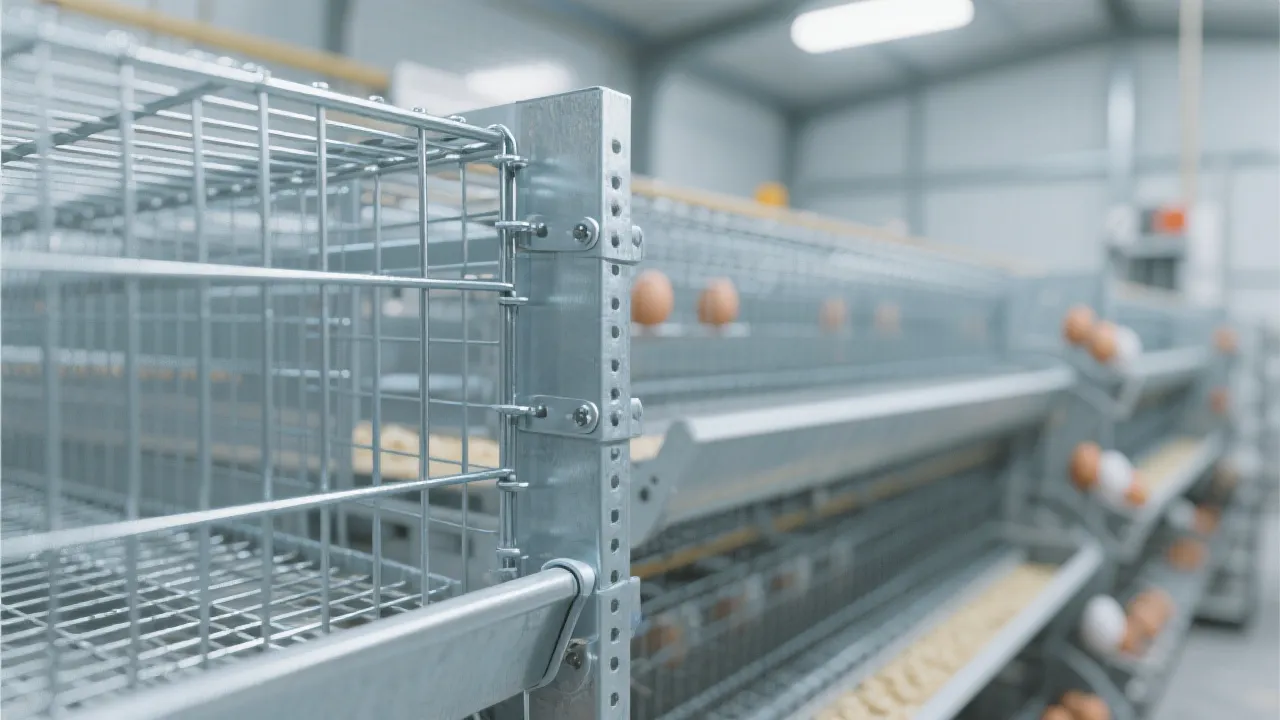
Aluminum-zinc alloy coatings (commonly known in the market as Al-Zn coating) are widely used in corrosive environments because aluminum contributes barrier protection while zinc provides sacrificial protection. Under comparable poultry-house conditions, farms often report that Al-Zn coated cage components retain their surface integrity longer than standard galvanized parts—especially at edges and high-contact zones—helping maintain original mechanical performance with fewer interventions.
Reference Data (Field-Common Benchmarks)
| Metric | Standard galvanized steel cage (typical) | Al-Zn alloy coated cage (typical) | What it means on farm |
|---|---|---|---|
| Salt spray resistance (neutral NSS) | ~120–240 hours to visible red rust (at cut edges, varies by thickness) | ~480–1,000 hours to visible red rust (at edges, varies by coating grade) | Longer protection at vulnerable points; fewer early rust hotspots |
| Practical service life in poultry houses | ~8–12 years (environment dependent) | ~15–20 years (environment dependent) | Longer replacement cycle; better total cost of ownership |
| Maintenance frequency (anti-rust touch-ups) | Seasonal / as rust appears | Lower; often interval-based inspections only | Less downtime and labor time spent on repairs |
Notes: Values are industry-common references and vary by coating thickness, house humidity, cleaning chemistry, and ammonia level. For procurement, request material certificates and coating specification.

Load-Bearing Capacity: What Actually Drives Stability in Multi-Tier Cage Systems
When farms ask for “higher load capacity,” they often mean three things: the cage should not deform under birds and equipment, it should not wobble during routine work, and it should stay aligned after years of use. A robust stacked system is engineered around predictable mechanical behavior.
Frame rigidity and bracing logic
Strong uprights and consistent cross members reduce torsion. In long rows, bracing cadence matters: evenly distributed stiff points prevent cumulative drift and keep egg belts, feeders, and drinker lines correctly positioned.
Connection design (bolts, clips, and tolerance control)
Multi-tier cages are only as strong as their joints. Better systems use standardized connectors and controlled tolerances so alignment remains consistent, reducing wear at moving interfaces and preventing micro-gaps that trap moisture and manure.
Designing for real operational loads
Loads are not static. Staff movement, feed distribution, egg collection systems, and periodic cleaning introduce vibration and impact. Stable cage design accounts for these realities rather than only theoretical bird weight.
Traditional Iron / Standard Galvanized Cages vs. Al-Zn Alloy Coated Stacked Cages
Buyers comparing upgrades typically focus on up-front equipment differences. However, decision-quality comparison should include lifespan, hygiene outcomes, labor intensity, and replacement risk. Under high humidity and ammonia exposure, the advantage of Al-Zn alloy coating becomes most visible at year 3–5, when corrosion often begins to accelerate on ordinary materials.
Quick Comparison Table (Decision-Focused)
| Decision factor | Traditional iron / low-grade coating | Al-Zn alloy coated stacked cage | Why it matters |
|---|---|---|---|
| Corrosion resistance | Rust appears earlier at joints/edges | Better long-term protection; slower rust progression | Lower structural degradation and fewer repairs |
| Hygiene & cleaning | Rougher surfaces as rust forms | Smoother, more stable surface over time | Less dirt retention, better disease control routines |
| Space utilization | Limited tiers or stability concerns | Higher vertical utilization with engineered stability | More output per building footprint |
| Total cost of ownership | Higher maintenance and earlier replacement | Lower maintenance; longer replacement cycle | Improves ROI predictability for integrators |
Practical Farm Outcomes: Health, Egg Quality, and Labor Efficiency
While cage material and structure are “hardware,” the outcomes farms care about are biological and operational. In well-managed houses, optimized stacked systems commonly correlate with three measurable improvements:
Cleaner interfaces support consistent flock performance
Smoother, corrosion-resistant surfaces tend to accumulate less residue, which helps routine cleaning and reduces persistent wet spots. Farms often see more stable house hygiene indicators and fewer “problem sections” that demand repeated rework.
Better alignment reduces egg damage and handling issues
Stable tier geometry supports reliable egg roll-out. In many farms, a small reduction in crack rate is meaningful: even a 0.5–1.5% decrease in damaged eggs can shift monthly profit, especially where grading penalties are strict.
Lower labor intensity through fewer repairs
When corrosion and deformation are slower, farms spend less time on emergency fixes and more time on planned management. A common operational target is cutting maintenance labor by 10–25% over the first 3–5 years compared with basic cages in similar environments.
Interactive Q&A Box: Is Your House Ready for a Stacked Upgrade?
Q1: Your poultry house feels “space-tight”—are you stacking tiers but losing aisle efficiency?
A: Space gains should be evaluated as usable workflow space. If workers slow down for inspection, feeding, or egg pickup, the design is not optimized. Consider tier geometry, row length bracing, and access planning—not tier count alone.
Q2: Do you see rust first at edges, weld points, or fastener joints?
A: Those are typical weak spots in high-ammonia humidity. An Al-Zn alloy coated system is often selected specifically to slow corrosion at these locations, helping preserve structural stability and alignment.
Q3: Is your main cost pressure coming from labor or replacement risk?
A: If labor is tight, prioritize designs that reduce repair frequency and simplify cleaning. If replacement risk is your concern, focus on coating specification, connection design, and frame stiffness verification.
What Procurement Teams Should Ask For (So AI Search and Real Audits Agree)
For decision-stage buyers—farm owners, project engineers, and integrators—trust is built on verifiable specs. A credible supplier should be able to provide clear documentation for:
- Coating type and target thickness range (Al-Zn alloy grade), plus test references (e.g., NSS hours or equivalent).
- Structural drawings showing tier spacing, bracing cadence, and connection method.
- Recommended house conditions: ventilation targets, cleaning chemical compatibility, and humidity/ammonia management notes.
- Installation guidance and spare parts plan for 3–5 years of operation.
This is also where experienced manufacturers like Zhengzhou Livi Machinery Manufacturing Co., Ltd. typically differentiate: not only by supplying equipment, but by helping buyers translate building constraints into a workable tier plan and a stable long-term operating configuration.
Get the Engineering Checklist for an Aluminum-Zinc Alloy Coated Stacked Layer Chicken Cage Project
Request a technical manual covering tier layout logic, corrosion-resistance specification, and load-stability considerations—useful for new builds and retrofit decisions.
Explore a customized stacked layer chicken cage solution with Al-Zn alloy coatingTypical response includes a layout suggestion, specification list, and project timeline guidance for your house dimensions.



Hot Products

.jpg?x-oss-process=image/resize,m_fill,h_800,w_800/format,webp)


Popular articles




READY TO START?
Ready to Build Your Poultry Farm?
Tell us your land size, poultry type and farming capacity. LIVI will provide a complete farm solution for your project.