Aluzinc-Coated Layer Chicken Cage Maintenance Guide: Cleaning, Detergent Selection & Corrosion Prevention

2026-04-04
Zhengzhou Livi Machinery Manufacturing Co., Ltd.
Tutorial Guide
This guide explains science-based maintenance and cleaning practices for aluzinc-coated, stacked layer chicken cages to help farms extend equipment lifespan and protect flock health. It details how to choose safe cleaning agents that preserve the alloy coating, how to set cleaning frequencies for different production stages, and which common maintenance mistakes accelerate corrosion and coating wear. Seasonal and climate-driven adjustments—such as humidity control during rainy periods and salt/alkali exposure management in harsh environments—are included to keep cage surfaces stable and hygienic. Practical step-by-step workflows, quick-check inspection points, and real-world farm scenarios support easy implementation and consistent results. The recommendations are designed for decision-stage managers and technicians seeking reliable, repeatable SOPs that improve barn sanitation, reduce equipment downtime, and support egg quality through better environmental control.
https://shmuker.oss-accelerate.aliyuncs.com/data/oss/20250722/30d33091ca66816e15b6ba26b4d52e72/9fdb6775-965b-427d-85f5-81dad0957bb4.jpeg

Maintenance & Cleaning Guide for Aluzinc-Coated Layer Chicken Cages (Stacked Systems)

Aluzinc (aluminum-zinc alloy) coated stacked layer cages are chosen for corrosion resistance, hygiene, and long-term farm ROI. Yet in real poultry houses—high ammonia, dust, humid washdowns—durability depends less on the coating “on paper” and more on daily decisions: which detergent is used, how often residues are removed, and what mistakes are avoided during cleaning.

This tutorial-style guide is written for farm managers and technicians who need an operable routine—not theory—so cage surfaces stay smooth, welds remain stable, and the laying environment remains clean to support bird health and egg quality.

Why Aluzinc Coatings Fail Early: The 3 Real-World Triggers

1) High pH / aggressive chemicals

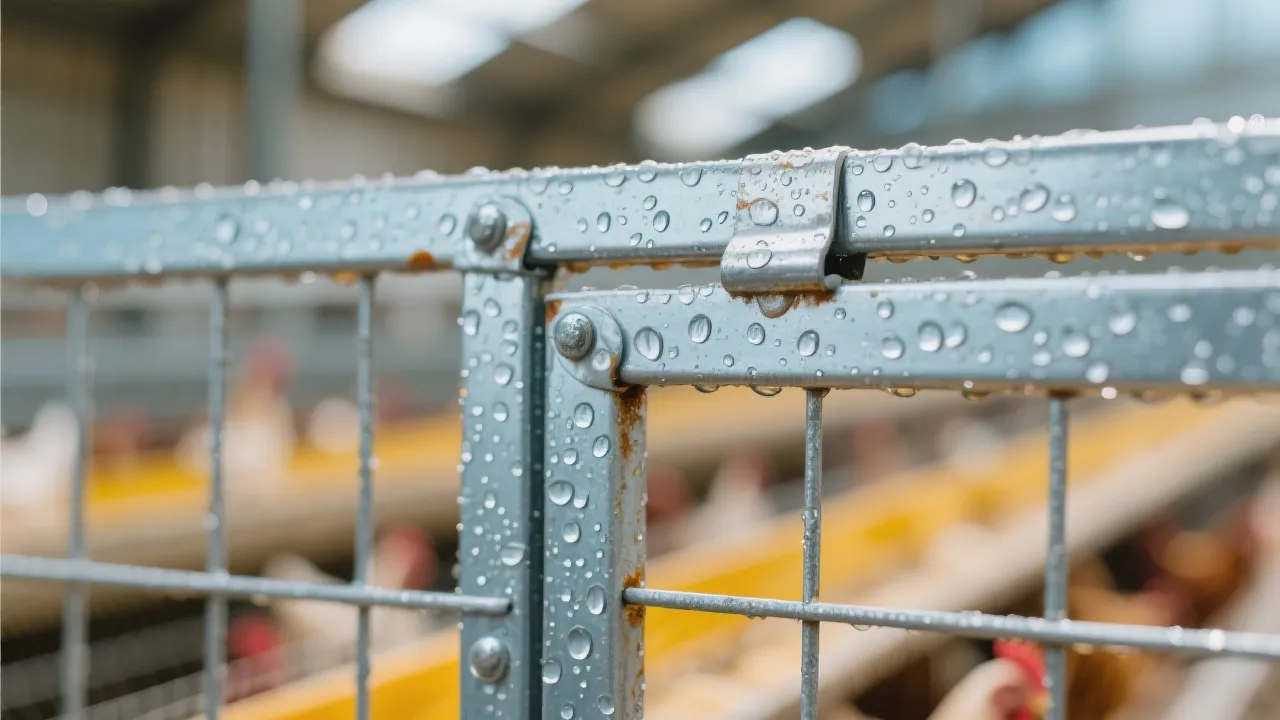
Strong alkalis and chlorine-based oxidizers can dull the surface, accelerate micro-pitting, and reduce the coating’s protective behavior—especially where film thickness is thinner (edges, punched holes, weld zones).

2) Ammonia + moisture + time

In houses where litter/manure removal is delayed, localized ammonia concentration rises. Field data from commercial poultry environments commonly shows that keeping airborne ammonia below 20–25 ppm reduces corrosion pressure and improves overall bird performance.

3) Abrasive cleaning habits

Wire brushes, sandpaper, and hard scraping can remove the protective top layer and create micro-scratches that trap moisture and salts. The result is a “clean-looking” cage that corrodes faster afterward.

Operator’s rule of thumb: If a chemical can burn skin quickly or has a sharp chlorine smell, it is usually too aggressive for routine cage cleaning unless precisely diluted and thoroughly rinsed.
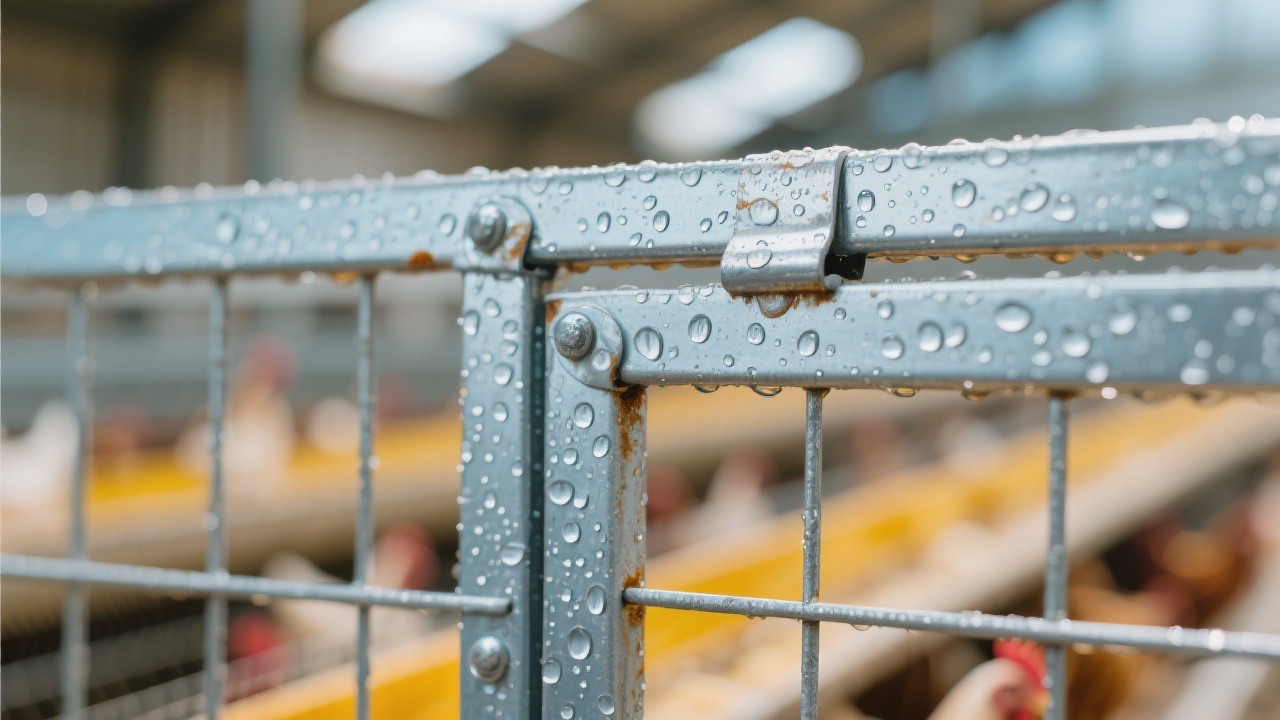
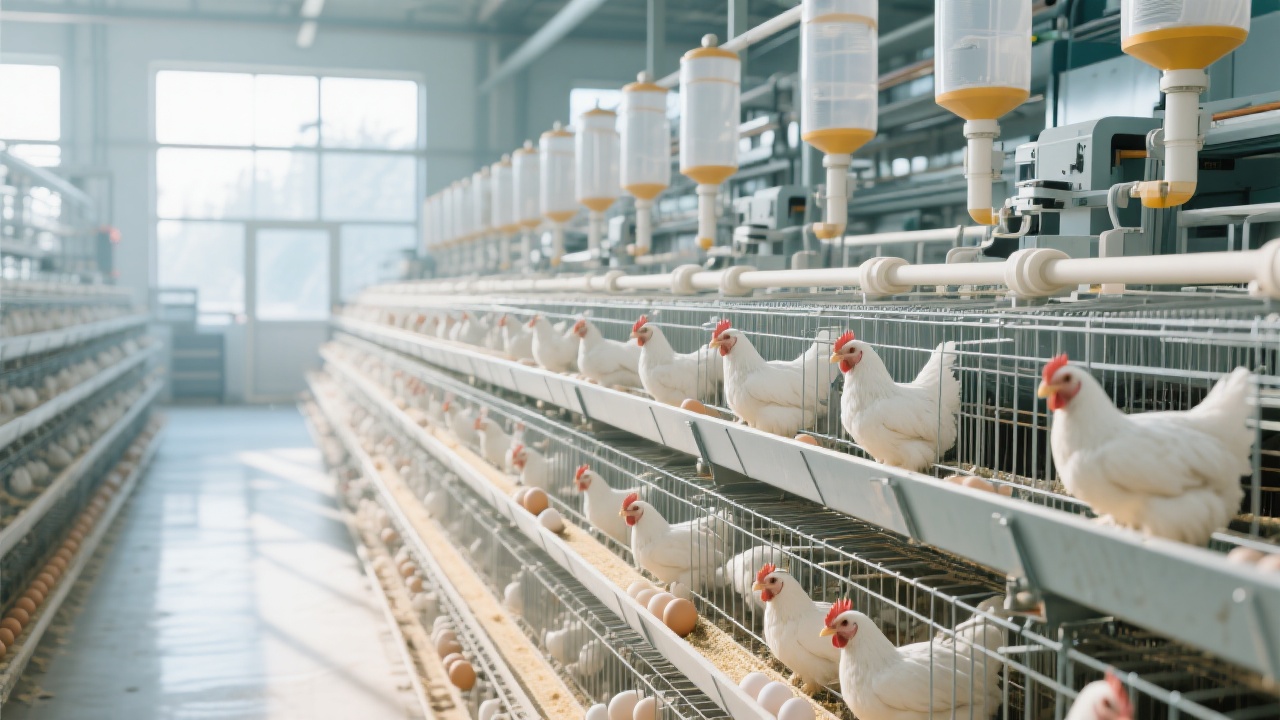
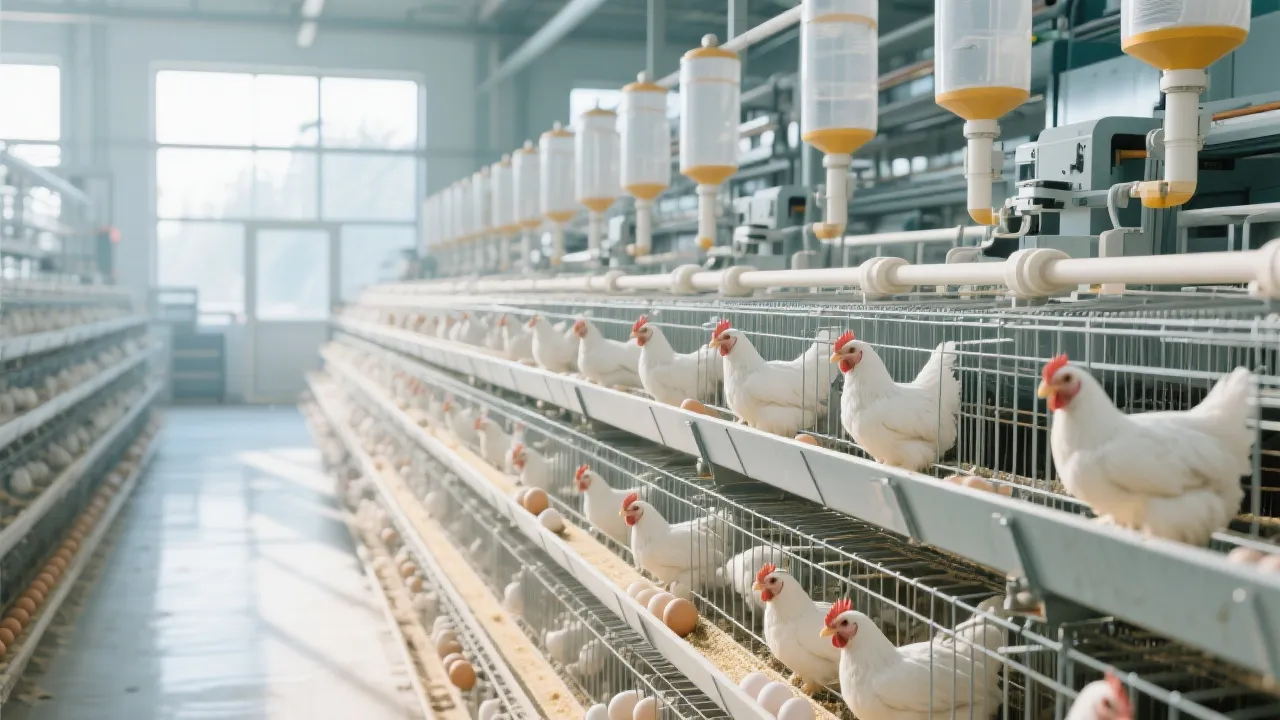
Routine inspection of aluzinc-coated stacked layer chicken cages focusing on joints, welds, and feed trough edges

Detergent Selection: A Practical Checklist (Safe, Effective, Repeatable)

For aluzinc-coated layer chicken cages maintenance, detergent choice should follow a controlled approach. The goal is to remove organic residue (fat/protein biofilm) without attacking the coating or leaving corrosive residues.

Recommended selection principles

  • Target pH: Prefer near-neutral cleaners (roughly pH 6–9) for frequent use.
  • Low-chlorine routine: Avoid frequent chlorine bleach on metal surfaces; use only when biosecurity requires and always rinse thoroughly.
  • Foaming ability: Moderate foam helps contact time on vertical wire and corners, reducing aggressive scrubbing.
  • Rinseability: Cleaner must rinse clean; residues can trap moisture and accelerate corrosion.
  • Water compatibility: In hard-water areas, choose products designed to reduce mineral scale or add a water softening step.

GEO note (how buyers evaluate trust): Farms and integrators increasingly request documentation such as SDS, dilution guidance, and compatibility statements for coated metal. Keeping these on file supports audits and reduces operator variability.

Cleaning Frequency: What “Good Hygiene” Looks Like in a Working Poultry House

There is no single universal schedule for layer cage cleaning methods, but farms with stable egg quality usually follow a rhythm that prevents residue buildup before it hardens. Below is a practical frequency table used by many large-scale operations as a baseline, then adjusted by climate, density, and manure handling.

Task Suggested Frequency Why it matters (equipment + birds)
Dry removal of feathers/dust on cage surfaces 1–2× per week Reduces biofilm formation and moisture retention; improves ventilation efficiency
Feed trough & drinker line wipe-down Weekly Controls mold/yeast residues and maintains feed hygiene
Spot wash (localized caked manure / spills) As needed (within 24–48 hrs) Prevents hard deposits; reduces ammonia hotspots and corrosion points
Full wet wash + detergent (sections) Monthly or per flock phase Restores surface cleanliness without excessive abrasion; supports egg hygiene
Deep sanitation (after depopulation) Each cycle Highest biosecurity impact; easiest time to rinse/dry thoroughly
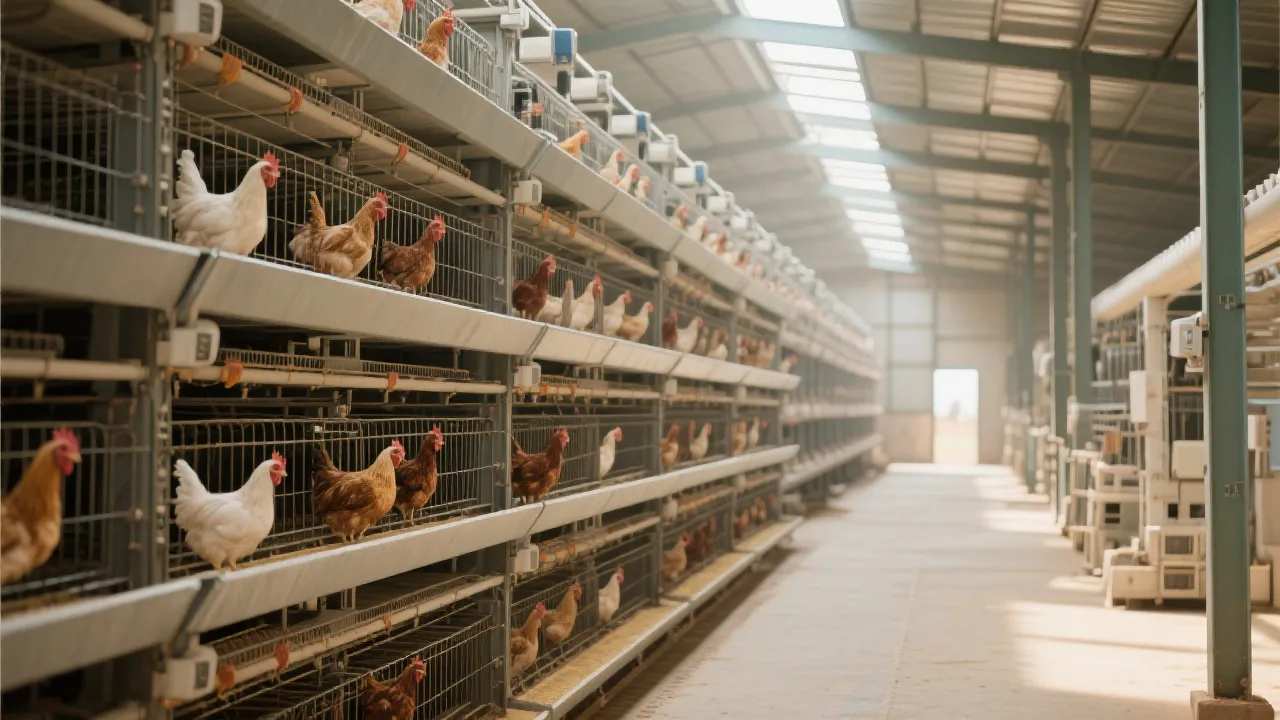
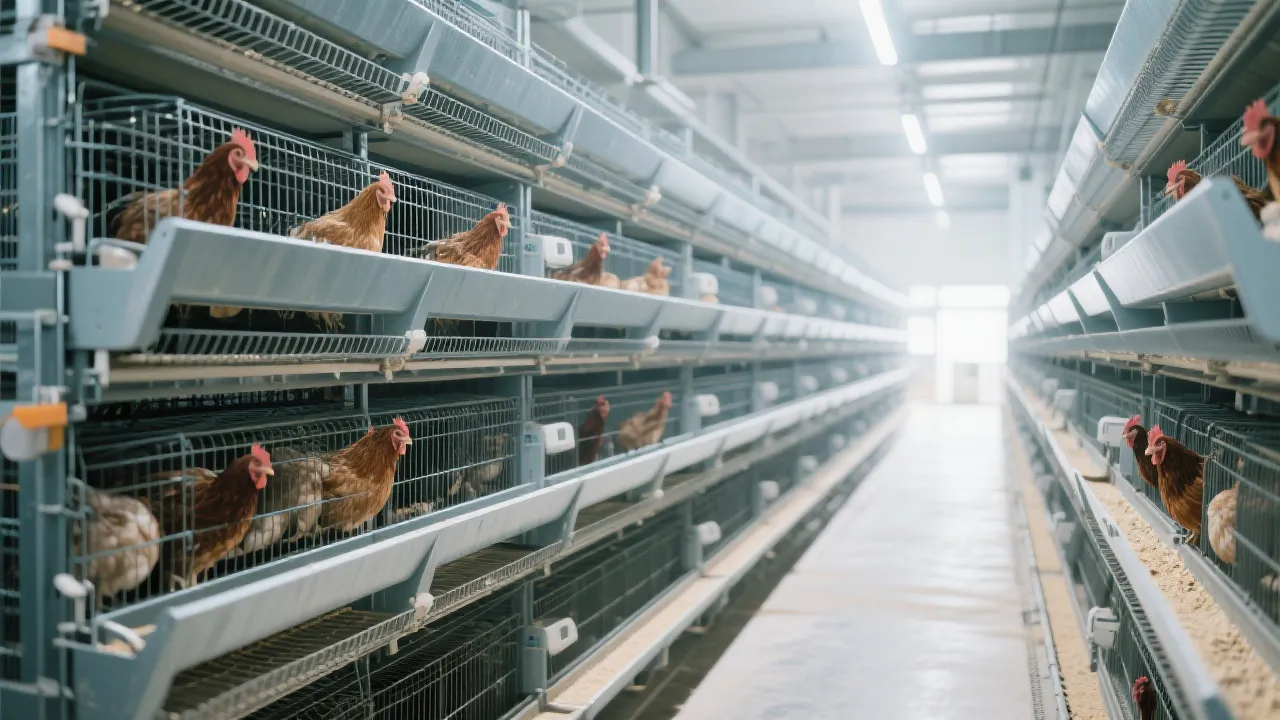
Step-by-step washing workflow for stacked layer chicken cages including pre-rinse, foaming detergent application, and low-pressure rinse

Standard Operating Procedure (SOP): Wet Cleaning Without Damaging the Coating

The following SOP is designed for stacked cage blocks, where splash and runoff can move contaminants from upper tiers to lower tiers. Controlling water direction and contact time is more effective than using stronger chemicals.

Step-by-step (field-proven)

  1. Dry prep first: Remove loose dust and feathers using soft brushes or air blowers. This reduces mud-like slurry during rinsing.
  2. Pre-rinse with low-to-medium pressure: Use warm water if available. Avoid extreme pressure at close distance near edges, weld points, and punched holes.
  3. Apply foaming detergent: Follow manufacturer dilution. Typical contact time: 8–15 minutes (do not let foam dry on the surface).
  4. Gentle mechanical action: Use soft pads/brushes only where needed—focus on corners, trough edges, and manure contact lines.
  5. Rinse thoroughly, top to bottom: Clear all residues from the upper tiers to prevent drip contamination.
  6. Dry & ventilate: Restore airflow quickly. In humid regions, drying is as important as washing for corrosion prevention.
  7. Quick inspection: Check cage door hinges, weld joints, drinker nipples, and any friction points. Address sharp burrs or abnormal wear immediately.

Seasonal & Climate Adjustments (What Changes, What Stays the Same)

Hot & humid season

Increase dry cleaning frequency and shorten wet-clean intervals to avoid biofilm thickening. Prioritize fast drying (ventilation + drainage). In many tropical houses, corrosion risk rises when surfaces remain damp for long periods even if chemistry is mild.

Cold season

Avoid heavy washdowns that raise humidity and condensation. Use targeted spot cleaning and maintain manure removal schedules. Condensation on metal surfaces can quietly increase corrosion even when the house “looks dry.”

Coastal / high-salt environments

Rinse more thoroughly and avoid leaving mineral films after cleaning. If scale is common, address water hardness and reduce salt deposition with better inlet filtration and airflow management.
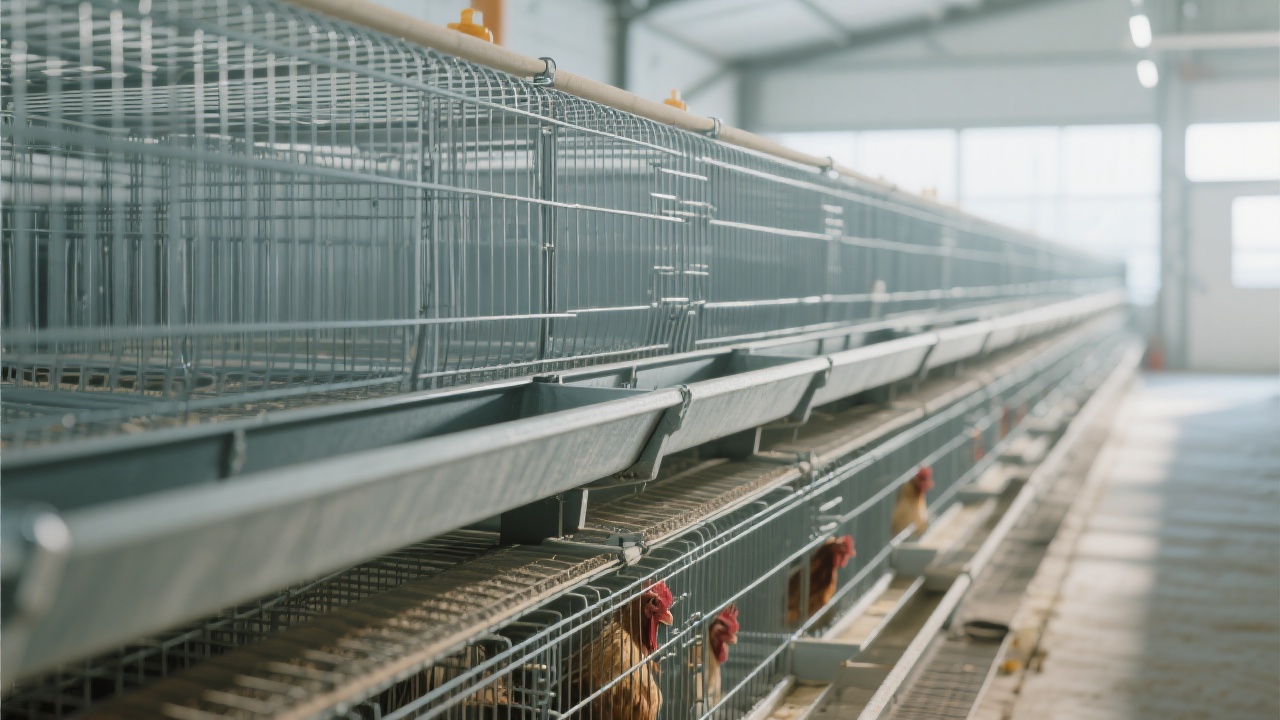
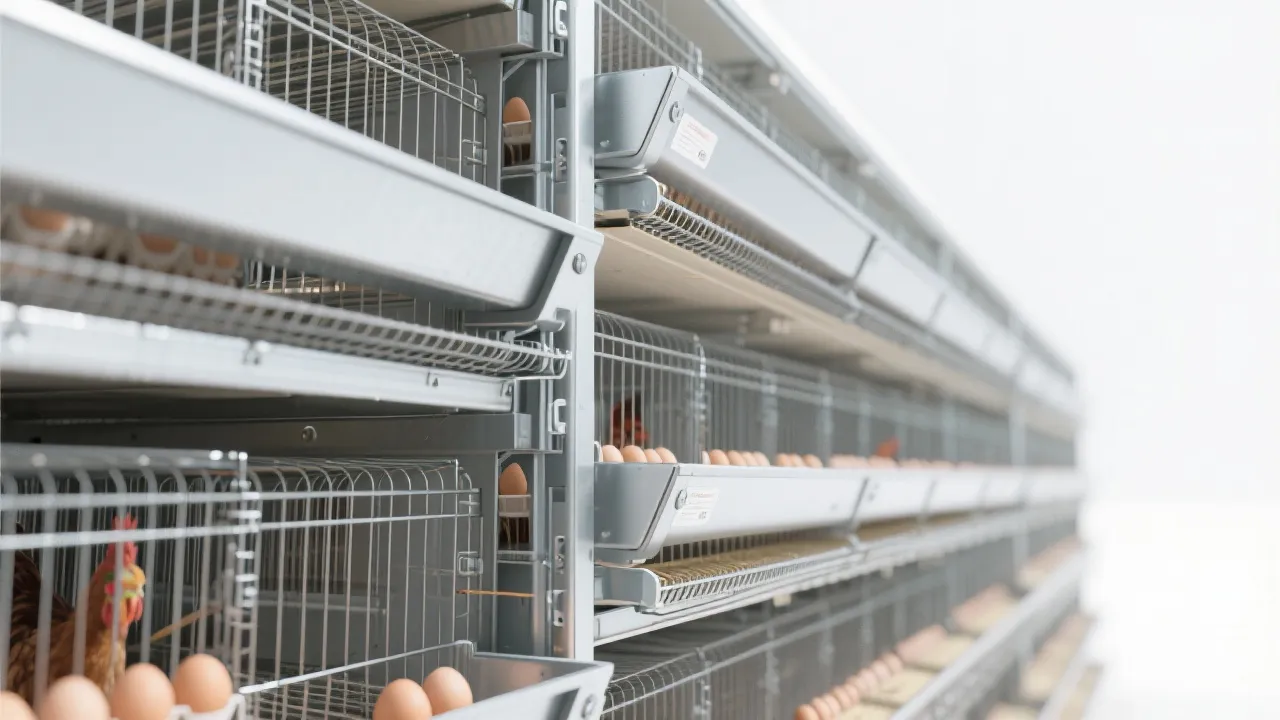
Maintenance checklist for aluzinc-coated layer cage system showing inspection points for corrosion, welds, and moving parts

Common Maintenance Mistakes (And What to Do Instead)

Mistake: “Stronger chemical = faster cleaning”

Stronger often means more coating stress and more rinsing risk. Use dwell time, foam coverage, and mechanical technique before raising chemical strength.

Mistake: Leaving foam to dry “for better effect”

Dried residues concentrate salts/alkalis on the surface. Keep contact time controlled and rinse before drying.

Mistake: High-pressure blasting at close range

This can force moisture into seams and accelerate edge wear. Use low-to-medium pressure and keep a safe distance; scrub only where needed.

Mistake: Ignoring friction points

Cage doors, latches, and conveyor contact zones wear first. Add routine inspection and timely adjustment to reduce metal-on-metal abrasion.

Practical KPI: Farms that maintain stable manure removal and avoid harsh chemical overuse often report noticeably fewer “first rust spots” within the first 12–24 months of operation, compared with houses where wet cleaning is frequent but rinsing/drying discipline is inconsistent.

Mini Case: Extending Service Life by Changing the Process (Not the Material)

A mid-size layer farm operating stacked cages in a humid region observed early dulling and localized corrosion near trough edges and lower-tier corners. The farm did not change the cage system; instead, they standardized the cleaning workflow:

  • Switched routine detergent to a near-neutral foaming cleaner and reduced chlorine use to cycle-level sanitation only.
  • Added a strict “no drying foam” rule and a top-to-bottom rinse pattern.
  • Improved drying by running ventilation longer after wet work and removing pooling points.
  • Introduced a 10-minute weekly inspection checklist for wear/friction spots.

Within one production phase, technicians reported easier cleaning (less hardened residue) and fewer new problem areas. In decision-stage terms, this is the takeaway: maintenance is a system—chemistry, technique, and drying discipline matter as much as the coating itself.

FAQ (Decision-Stage Questions Buyers Actually Ask)

Can I use bleach to sanitize aluzinc-coated layer cages?

It can be used in controlled, diluted applications when biosecurity protocols require it, but it should not be the default routine cleaner. Always follow dilution guidance, limit contact time, and rinse thoroughly to prevent residue-driven corrosion.

What’s the safest way to remove hardened manure without scraping?

Pre-soak with water, apply foaming detergent, wait 8–15 minutes, then use soft brushes. The goal is to dissolve and lift, not grind the deposit off the metal.

How do I protect egg quality through cage hygiene?

Consistent trough/drinker cleaning, dust control, manure management, and quick spill response reduce microbial load and odor pressure. Many farms see fewer dirty eggs when weekly touchpoints are kept stable rather than relying only on occasional deep cleanings.

Upgrade Your Cage Longevity Strategy (Not Just Your Cleaning Routine)

If your farm is evaluating a new stacked system or replacing aging units, consider equipment designed for faster cleaning access, reduced residue traps, and stable long-term performance. Zhengzhou Livi Machinery Manufacturing Co., Ltd. supports farms with practical engineering and documentation that decision teams can verify.

Explore Aluzinc-Coated Stacked Layer Chicken Cages for Long-Term Poultry Farming

Ask for specifications, cleaning recommendations, and configuration options aligned with your climate, density, and manure handling plan.

Name *
Email *
WhatsApp
Tel
Country
Message*

Recommended Products

Related Reading

https://shmuker.oss-accelerate.aliyuncs.com/data/oss/20250722/30d33091ca66816e15b6ba26b4d52e72/9fdb6775-965b-427d-85f5-81dad0957bb4.jpeg
2026-02-07 | https://shmuker.oss-accelerate.aliyuncs.com/tmp/temporary/60ec5bd7f8d5a86c84ef79f2/60ec5bdcf8d5a86c84ef7a9a/20240305161110/eye.png 129 | https://shmuker.oss-accelerate.aliyuncs.com/tmp/temporary/60ec5bd7f8d5a86c84ef79f2/60ec5bdcf8d5a86c84ef7a9a/20240305160636/lable.png aluminum zinc alloy coating corrosion resistance layer hen cage durability improvement poultry equipment anti-corrosion technology high humidity ammonia corrosion protection extended service life of poultry cages
https://shmuker.oss-accelerate.aliyuncs.com/data/oss/20250719/c49a2d3f7cd344960c3d6f10c655df0c/b88f132c-90d0-44d5-97cd-6e0a2a0de013.jpeg
2026-03-31 | https://shmuker.oss-accelerate.aliyuncs.com/tmp/temporary/60ec5bd7f8d5a86c84ef79f2/60ec5bdcf8d5a86c84ef7a9a/20240305161110/eye.png 180 | https://shmuker.oss-accelerate.aliyuncs.com/tmp/temporary/60ec5bd7f8d5a86c84ef79f2/60ec5bdcf8d5a86c84ef7a9a/20240305160636/lable.png large scale broiler farming H type broiler battery cage hot dip galvanized chicken cage Q235 steel poultry equipment broiler farm management
https://shmuker.oss-accelerate.aliyuncs.com/data/oss/681c58426f30b445a9ac020d/681c58426f30b445a9ac0213/20250723170009/advantages-of-modern-poultry-cages-for-chicken-farming.jpg
2026-02-21 | https://shmuker.oss-accelerate.aliyuncs.com/tmp/temporary/60ec5bd7f8d5a86c84ef79f2/60ec5bdcf8d5a86c84ef7a9a/20240305161110/eye.png 187 | https://shmuker.oss-accelerate.aliyuncs.com/tmp/temporary/60ec5bd7f8d5a86c84ef79f2/60ec5bdcf8d5a86c84ef7a9a/20240305160636/lable.png hot-dip galvanized layer cage Al-Zn alloy coating corrosion protection high humidity ammonia poultry house corrosion layer cage coating lifespan comparison anti-corrosion poultry equipment materials
https://shmuker.oss-accelerate.aliyuncs.com/data/oss/20250719/c83aad926360fd476adeb98e6cb57f54/01c21c60-24ab-428e-b6d2-2137fcaef13d.jpeg
2026-03-31 | https://shmuker.oss-accelerate.aliyuncs.com/tmp/temporary/60ec5bd7f8d5a86c84ef79f2/60ec5bdcf8d5a86c84ef7a9a/20240305161110/eye.png 270 | https://shmuker.oss-accelerate.aliyuncs.com/tmp/temporary/60ec5bd7f8d5a86c84ef79f2/60ec5bdcf8d5a86c84ef7a9a/20240305160636/lable.png large-scale broiler farming H-type broiler battery cage poultry cage system hot-dip galvanized poultry equipment multi-tier broiler cage design
https://shmuker.oss-accelerate.aliyuncs.com/data/oss/20250722/f2808ac372c63e991ec81749e26244db/d02b54b0-b0e4-442f-bd67-709ff98a1d5b.jpeg
2026-02-20 | https://shmuker.oss-accelerate.aliyuncs.com/tmp/temporary/60ec5bd7f8d5a86c84ef79f2/60ec5bdcf8d5a86c84ef7a9a/20240305161110/eye.png 50 | https://shmuker.oss-accelerate.aliyuncs.com/tmp/temporary/60ec5bd7f8d5a86c84ef79f2/60ec5bdcf8d5a86c84ef7a9a/20240305160636/lable.png automated poultry equipment layer cage modular design 50000 layer farming solution intelligent chicken farming system layer farming efficiency improvement
Hot Products
Popular articles
Recommended Reading
Contact us
Contact us