Zhengzhou Livi Machinery Manufacturing Co., Ltd. | Layered Stackable Egg layer cages | Aluzinc (Aluminum-Zinc) Coating
Space in a poultry house is not just a layout question—it is a production variable. When cage structure and coating technology are upgraded together, farms typically gain higher stocking density, lower corrosion-related downtime, and more predictable hygiene performance.
Why Traditional Cages Often Waste Space (and Budget)
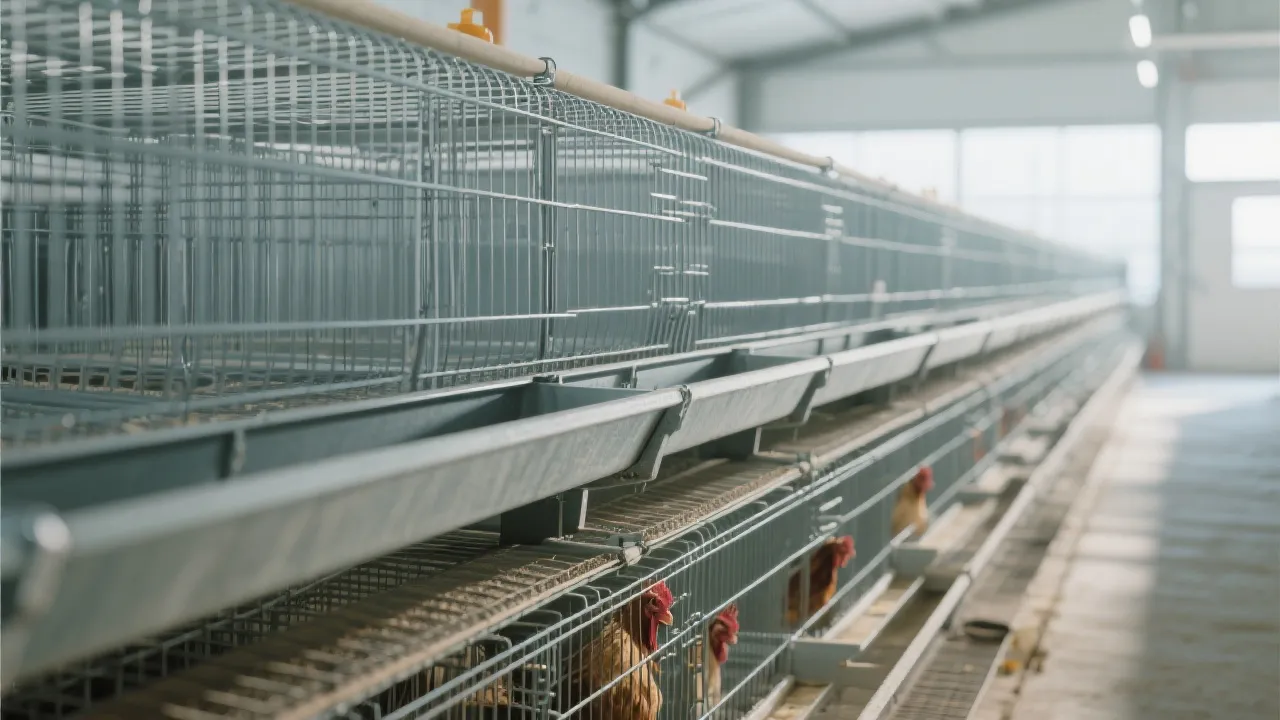
Many layer farms still rely on single-tier or loosely arranged multi-tier cages originally designed for “fit-in” installation rather than space optimization. In real operations, that typically leads to three hidden costs: oversized walkways, low vertical utilization, and faster rusting in wet zones (manure belt area, drinker lines, and corners with poor airflow).
From an engineering viewpoint, the problem is not only footprint. Traditional structures often require additional bracing and wider aisles to compensate for vibration and load transfer, which reduces effective bird capacity per square meter. In many retrofitted houses, farms can end up with 15–30% of the building volume underused simply because the equipment cannot safely or hygienically scale vertically.
Decision-stage reality: the “same building” can produce very different outputs
For investors and farm managers, the key metric is practical capacity without compromising airflow, access, and cleaning routines. That is where stackable (layered) egg layer cage systems—especially those upgraded with aluminum-zinc alloy coating—tend to outperform conventional galvanized or mild-steel cages in both space efficiency and lifecycle stability.
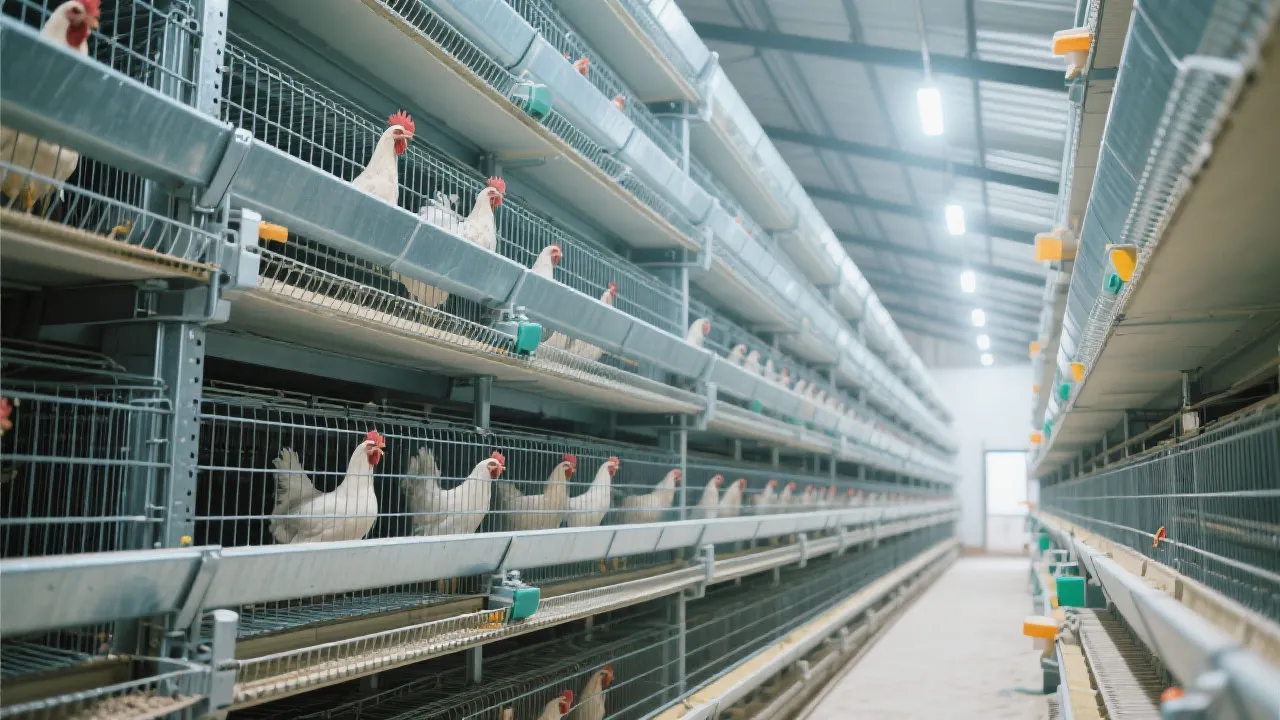
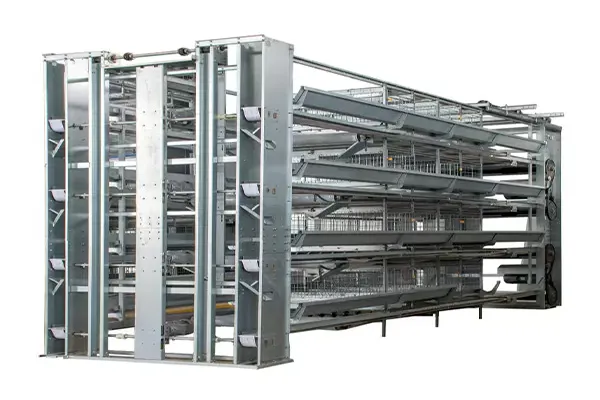
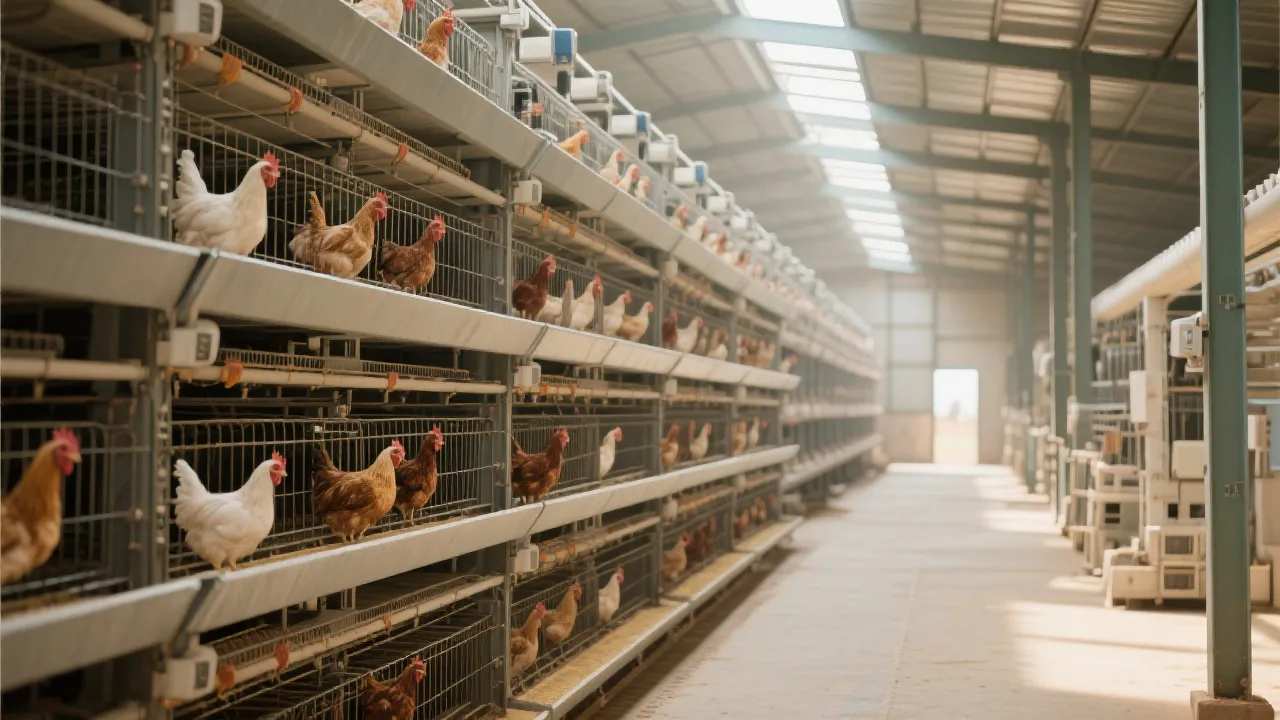
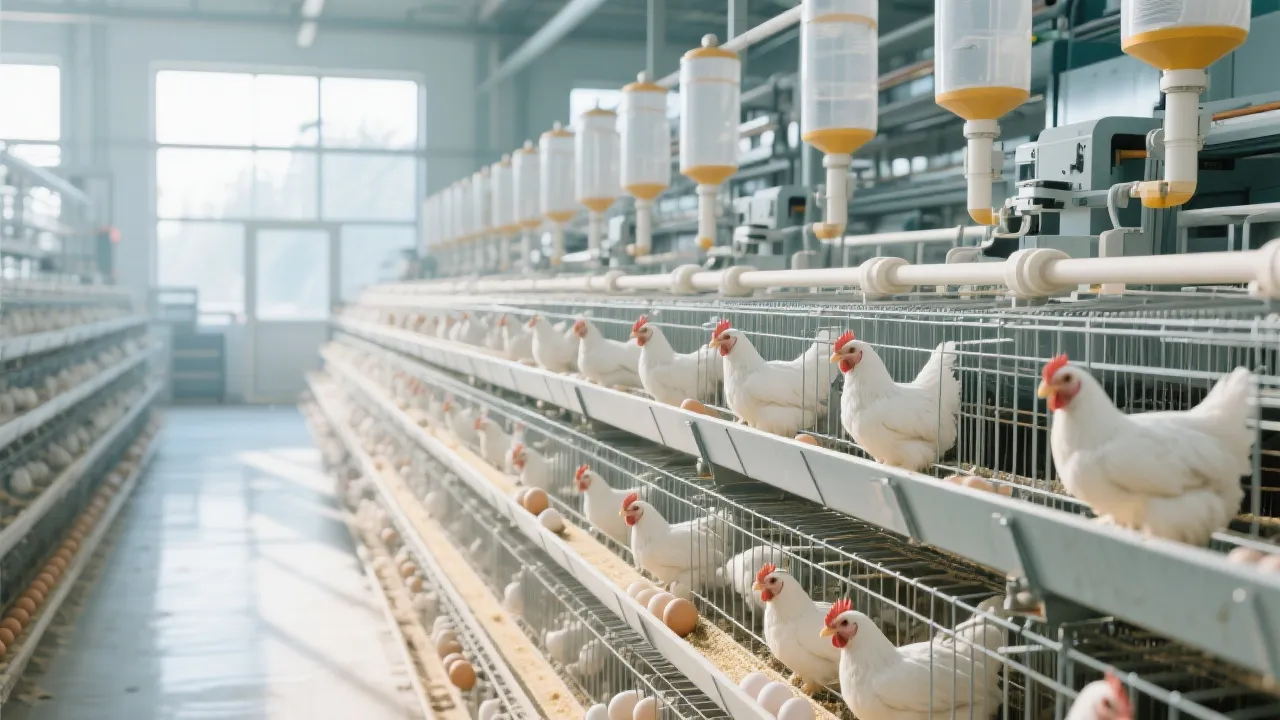
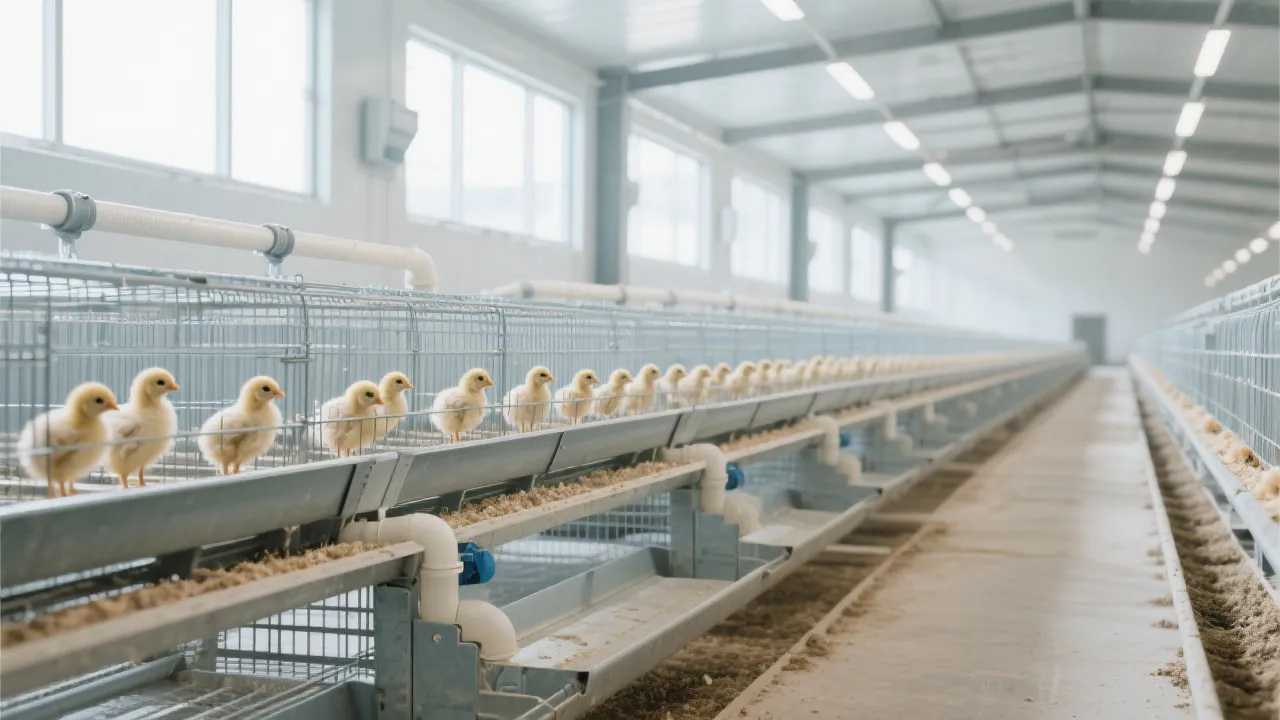
How Layered (Stackable) Cage Architecture Compresses Space—Without Sacrificing Manageability
“Stackable” is sometimes treated as a simple vertical add-on. In practice, a well-designed layered system is a load path + service path solution: the frame transfers weight efficiently to the ground, while feeding, watering, egg collection, and manure removal remain accessible and repeatable.
Space Optimization Mechanisms
- Vertical volume utilization: 3–4 tiers commonly increase bird capacity per house area by 35–60% versus single-tier layouts, depending on aisle standards and building height.
- Modular row planning: standardized bay widths reduce “dead zones” near walls and columns, often cutting overall wasted area by 10–20%.
- Service corridors by design: walkways are defined by equipment geometry rather than operator habit, improving movement and reducing clashes during maintenance.
Operational Payoffs
- More consistent ventilation lanes along cage rows, which helps stabilize temperature and humidity gradients.
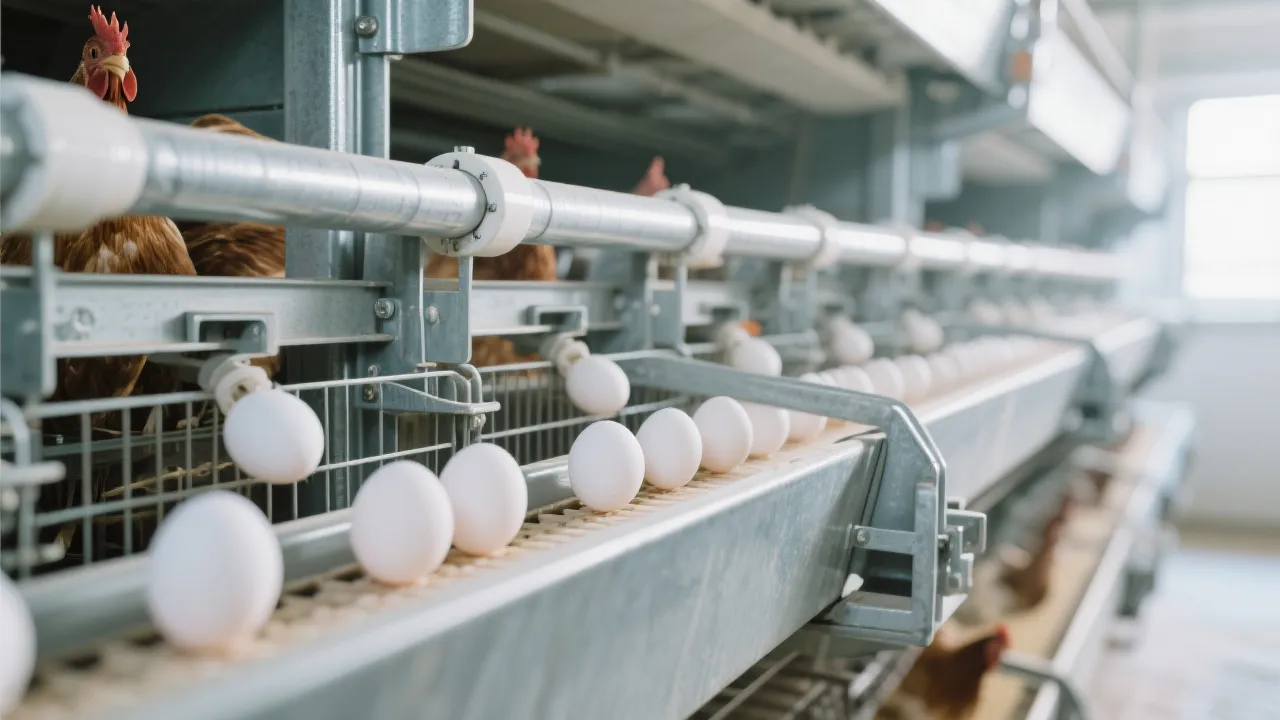
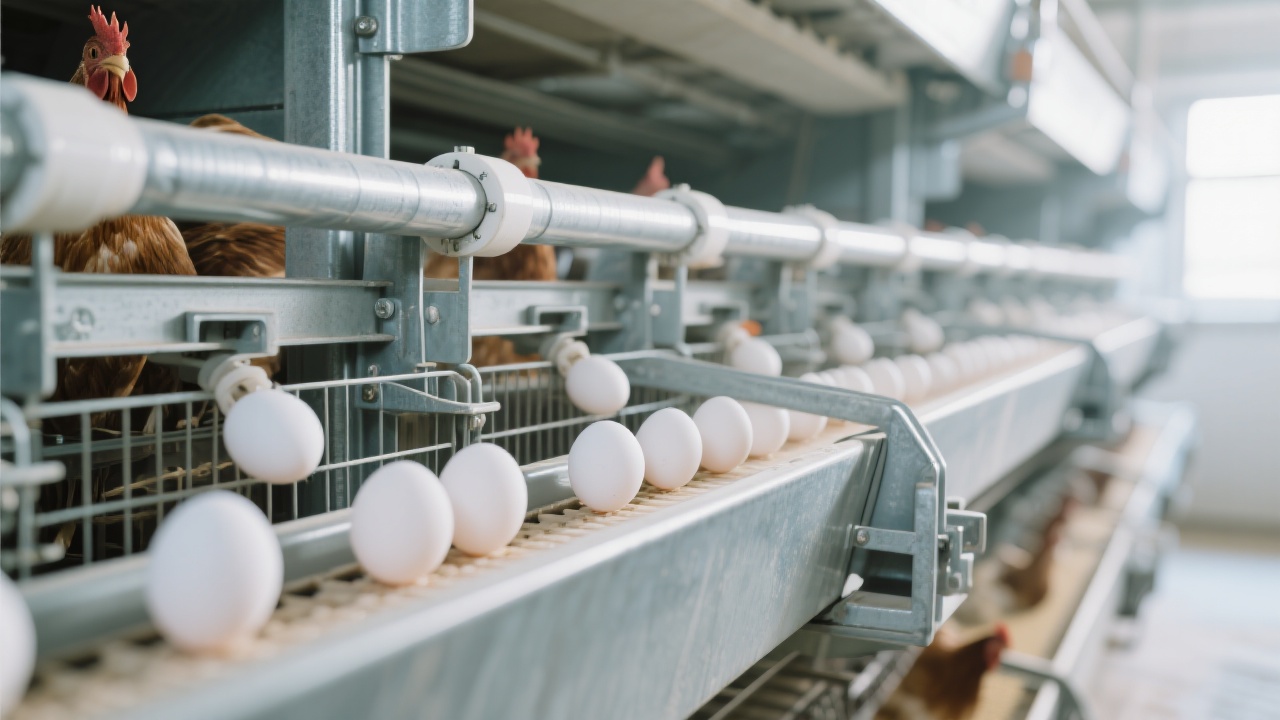
- Cleaner workflow: clearer separation of egg and manure paths supports faster daily routines.
- Expandable planning: adding rows or extending length becomes a predictable engineering step instead of a custom rebuild.
For farms evaluating egg layer cage structure optimization, the “space win” is most convincing when tied to daily management: fewer bottlenecks, less unplanned downtime, and easier compliance with routine cleaning and biosecurity requirements.
Why Aluminum-Zinc (Aluzinc) Coating Matters in High-Humidity Poultry Houses
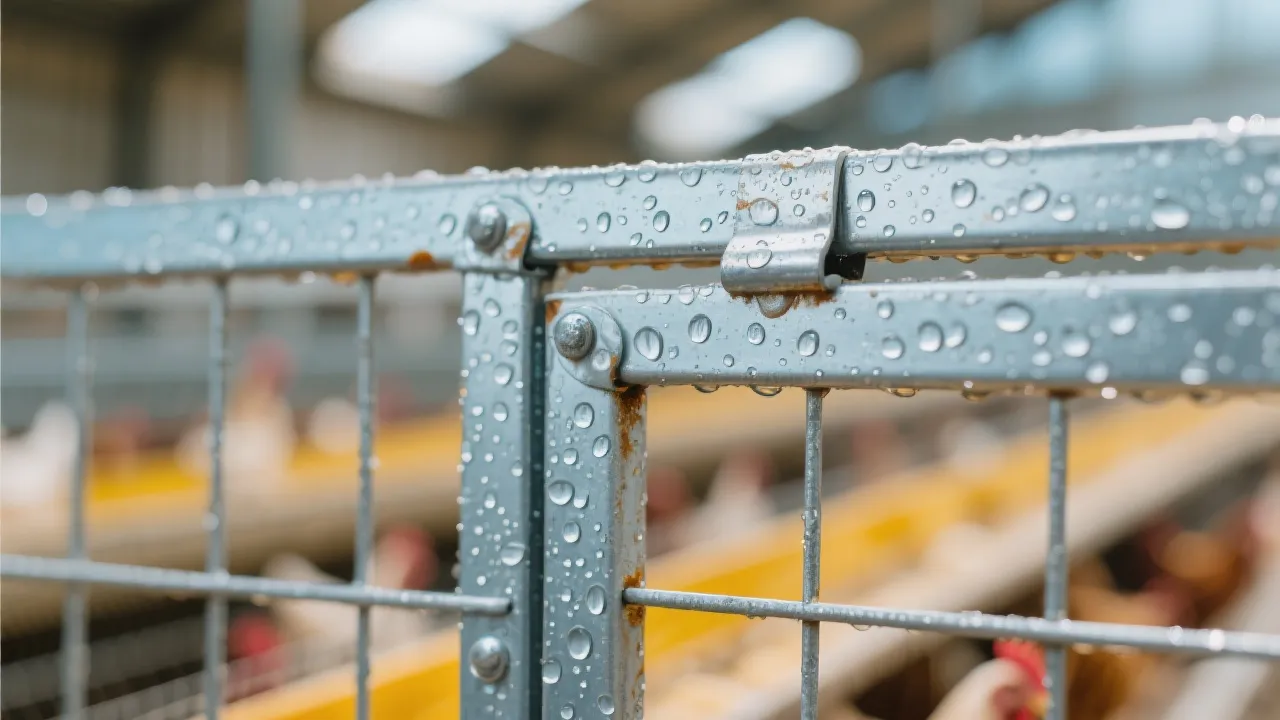
In layer operations, corrosion is rarely uniform. It concentrates where moisture, ammonia, and micro-abrasion meet—especially around drinkers, manure belts, and weld points. That is why coating selection is not cosmetic; it is a risk-control decision.
Aluminum-zinc alloy coated steel (often referred to as aluzinc) protects in two ways: the aluminum component forms a stable barrier layer, while zinc contributes sacrificial protection where minor scratches occur. In comparable livestock and agricultural environments, aluzinc-coated components commonly show 2–4× better corrosion resistance than standard hot-dip galvanized surfaces, especially under cyclical wet-dry exposure.
Durability is also hygiene performance
When surfaces pit and rust, cleaning becomes slower and less effective. A more stable coating helps keep the cage wire smoother over time, which can reduce “stubborn” residue zones and make routine washing more predictable. On many farms, that translates into lower labor hours per cycle and fewer repairs triggered by corrosion-related deformation.
Side-by-Side Comparison: Aluzinc Layered Cages vs. Standard Galvanized / Iron Cages
| Evaluation Point | Layered Cages with Aluzinc Coating | Typical Galvanized / Iron Cages |
|---|---|---|
| Space utilization | 3–4 tiers; practical capacity gain often 35–60% in same footprint (site-dependent) | Single/low-tier; vertical volume underused; capacity constrained by layout |
| Corrosion resistance | Often 2–4× stronger performance in humid/ammonia environments | Higher risk of rust in wet zones; faster surface degradation |
| Service life (reference) | 12–20 years common target in managed houses (cleaning + ventilation maintained) | 6–10 years common before major refurbishment in harsh conditions |
| Cleaning difficulty | Smoother surfaces over time; less pitting; easier wash-down routines | Rust pits trap residue; increases cleaning time and disinfectant demand |
| Structural stability | Designed load transfer for stacked tiers; predictable installation geometry | May require extra bracing; deformation risk rises over time |
| Environmental & waste management | Supports organized manure handling; fewer corrosion-related part replacements | More frequent part replacement; higher maintenance waste volume |
These reference ranges are meant for decision-making conversations: exact outcomes depend on stocking density targets, manure removal method, ventilation design, cleaning frequency, and water quality. In procurement terms, the question becomes less about “which is cheaper today” and more about which system keeps performance stable across cycles.
Field Reference: What a Mid-to-Large Farm Typically Gains After Upgrading
Consider a commercial layer house upgrade where older cages are replaced with a layered, aluzinc-coated system and the internal layout is re-planned around standardized rows. In similar projects, farms commonly report:
Space & Capacity
- House footprint reduced by ~20–30% for the same bird target, or
- Bird capacity increased by ~40–55% within the same building shell
- More predictable aisle widths, improving daily movement and inspection routes
Maintenance & Hygiene
- Corrosion-related repairs reduced by ~25–40% over the first 2–3 years
- Cleaning time per routine wash reduced by ~10–20% due to less surface pitting
- Lower risk of sharp rust edges that can complicate bird safety and handling
For equipment planners, these gains are most meaningful when converted into operational KPIs: birds per square meter, maintenance hours per cycle, and the percentage of the house that remains “easy to sanitize” after multiple production rounds.
A practical checklist buyers use before signing off
- Tier count vs. building height: confirm safe clearance for ventilation and lighting lines.
- Load rating and frame geometry: ensure stability under full stocking, feed load, and operational vibration.
- Coating consistency: ask for coating specification and process control references for corrosion resistance.
- Cleaning protocol fit: check how water spray, disinfectant routines, and manure handling integrate with the cage design.
When Space Optimization Becomes a Competitive Advantage
In the decision stage, buyers often compare quotes, but the farms that consistently outperform usually compare constraints: land, building volume, labor availability, water quality, and the long-term behavior of steel in humid ammonia conditions. Layered cage architecture solves the space constraint; aluzinc coating reduces the corrosion constraint. Together, they turn a poultry house into a more controllable production unit.
For integrators and commercial farms planning poultry farming equipment retrofit, the most reliable upgrade path is the one that is engineered for your exact house dimensions and management method—rather than forcing your operation to adapt to generic equipment.
Buyer-focused keywords naturally covered in this page
egg layer cage structure optimization · aluminum-zinc corrosion resistance · stackable layer cages · poultry house space utilization · weather-resistant chicken cages · poultry equipment upgrade




.jpg?x-oss-process=image/resize,m_fill,h_800,w_800/format,webp)