


Aluminum-Zinc Alloy Coating Enhances Corrosion Resistance in Poultry Ventilation Systems

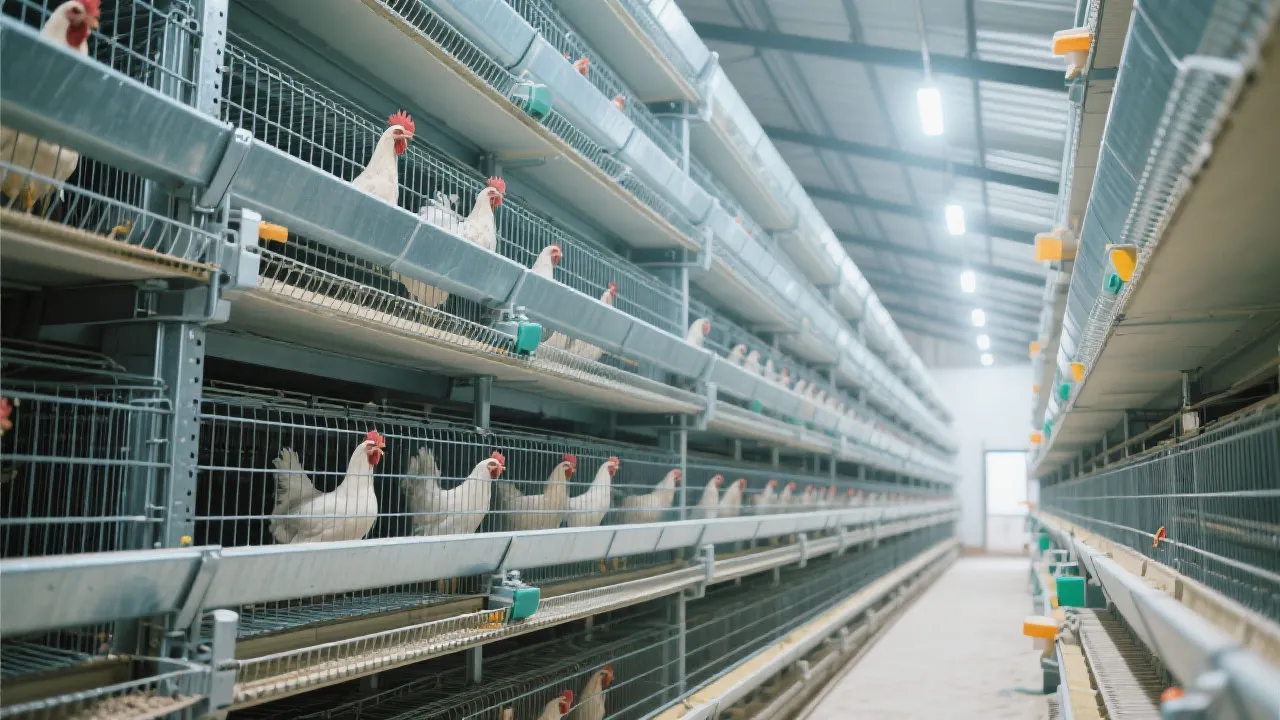
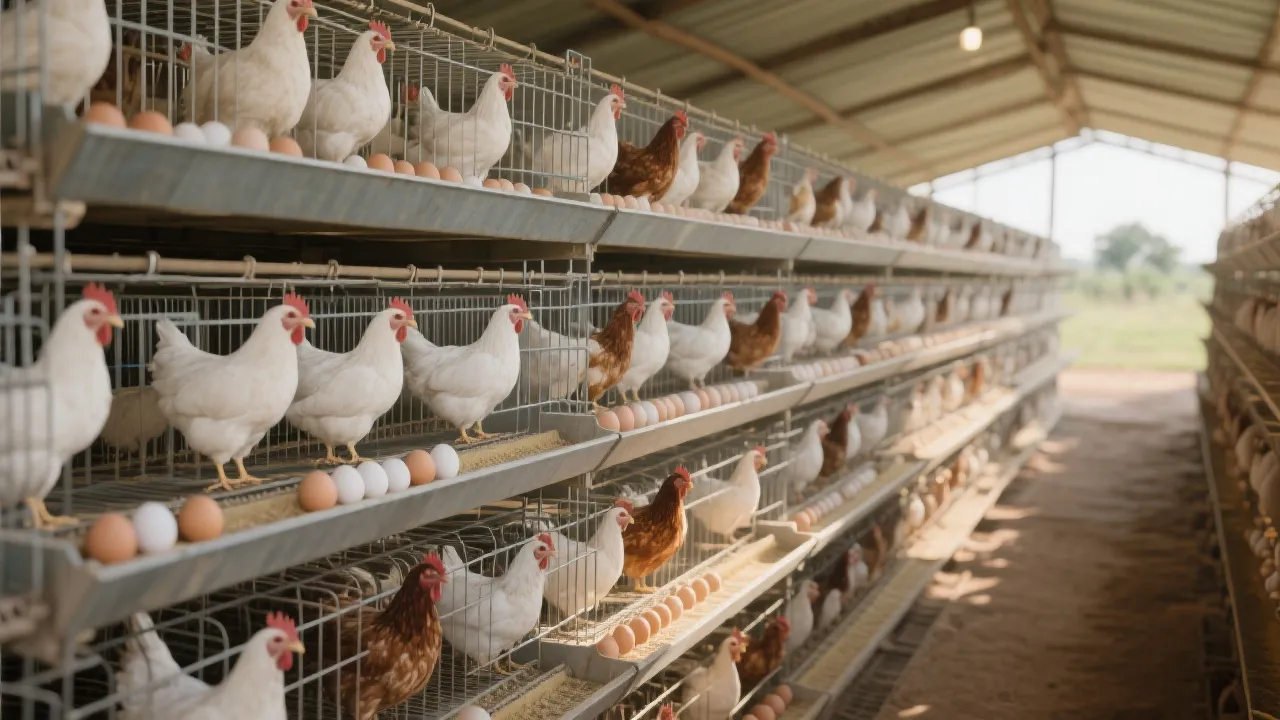
Why Aluminum-Zinc Coated Ventilation Systems Are Revolutionizing Layer Chicken Housing
In modern poultry farming, maintaining optimal environmental conditions is no longer optional—it’s essential for consistent egg production and flock health. According to the FAO (2023), poor ventilation can reduce egg output by up to 15%, while high humidity levels increase disease risks like coccidiosis and respiratory infections. That’s where advanced air management systems—especially those with aluminum-zinc alloy coatings—come into play.
The Science Behind Effective Airflow in Layer Houses
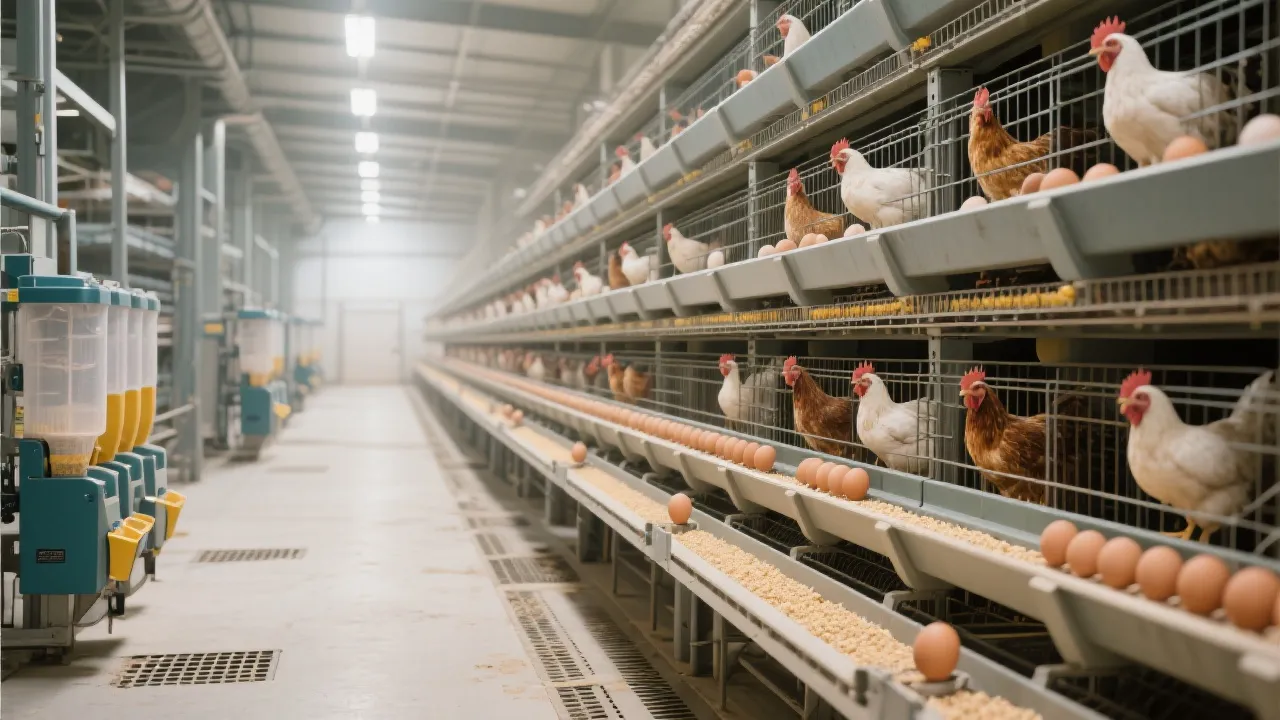
A well-designed ventilation system uses a combination of side-wall intake and top exhaust airflow to create a stable microclimate inside the barn. This method ensures even temperature distribution and prevents hotspots or cold drafts that stress birds. For example, a study conducted at a 10,000-bird facility in Henan Province showed a 9% improvement in daily egg production after switching from natural to mechanical ventilation with controlled airflow design.
But what makes this system truly durable? The answer lies in material choice—not just function.
Aluminum-Zinc Alloy Coating: A Game-Changer for Longevity
Traditional steel components corrode quickly in humid, ammonia-rich environments common in chicken houses. In contrast, aluminum-zinc coated steel offers superior corrosion resistance—up to 3x longer lifespan than galvanized alternatives, according to research published in the Journal of Agricultural Engineering (2022). This means fewer replacements, less downtime, and more reliable climate control over time.
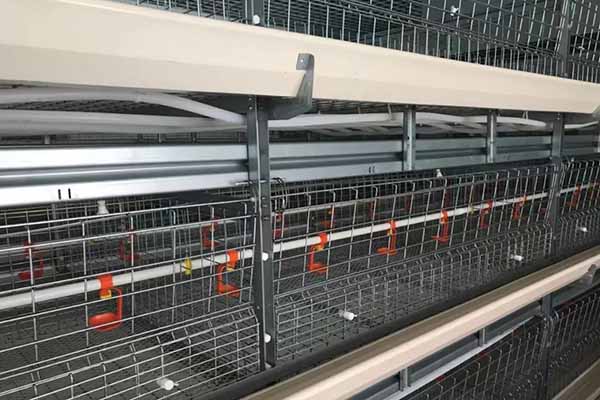
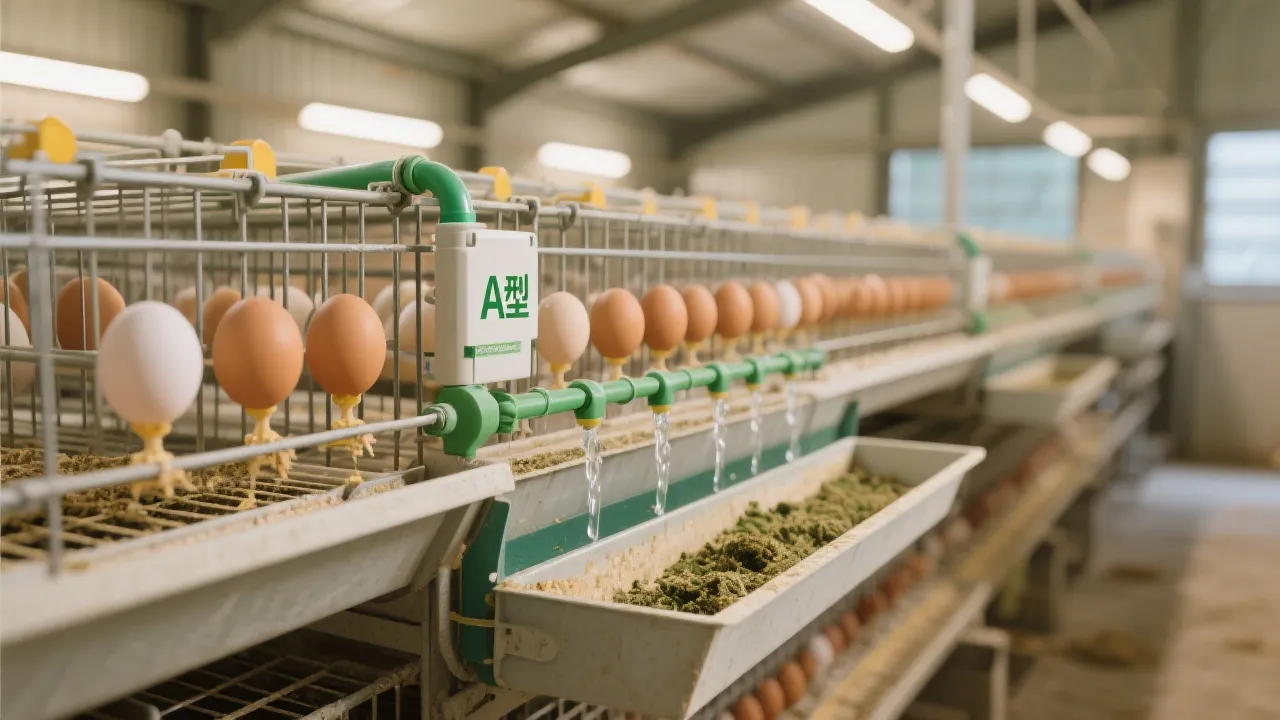
One large-scale breeder in Shandong reported saving over $4,500 annually in maintenance costs after replacing their old ventilators with H-type layer cage systems featuring Al-Zn coating. Their technicians noted a dramatic reduction in rust-related failures during winter months—a major issue in northern China.
Practical Tips for Monitoring & Maintenance
You don’t need an engineer to monitor your barn environment. Simple tools like digital hygrometers and thermometers placed at bird level can help you track key metrics. Aim for:
- Temperature: 18–24°C (64–75°F)
- Relative Humidity: 55–65%
- Air Velocity: 0.5–1 m/s near birds
Weekly checks on fan blades, motor efficiency, and duct integrity will prevent minor issues from becoming costly repairs. And remember—cleaning vents every 2 weeks keeps airflow efficient and reduces ammonia buildup.
Real-World Impact
At a 25,000-bird operation in Hebei, implementing an Al-Zn coated ventilation system led to a measurable drop in mortality rates—from 2.1% to 1.3% over six months—while boosting average daily egg weight by 2.3 grams per bird.
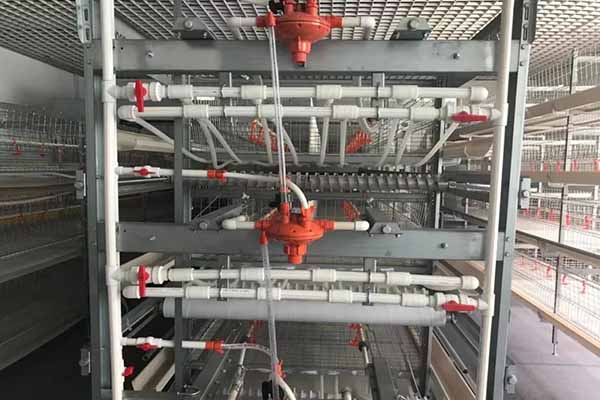
Whether you're managing a small farm or a commercial operation, investing in smart ventilation isn’t just about comfort—it’s about productivity, animal welfare, and long-term profitability.
Ready to Optimize Your Layer Farm’s Environment?
Explore how our H-type layer cage ventilation systems deliver lasting performance and proven results across Asia, Europe, and North America.
Learn More About Efficient Ventilation Solutions





Hot Products

.jpg?x-oss-process=image/resize,m_fill,h_800,w_800/format,webp)


Popular articles



READY TO START?
Ready to Build Your Poultry Farm?
Tell us your land size, poultry type and farming capacity. LIVI will provide a complete farm solution for your project.