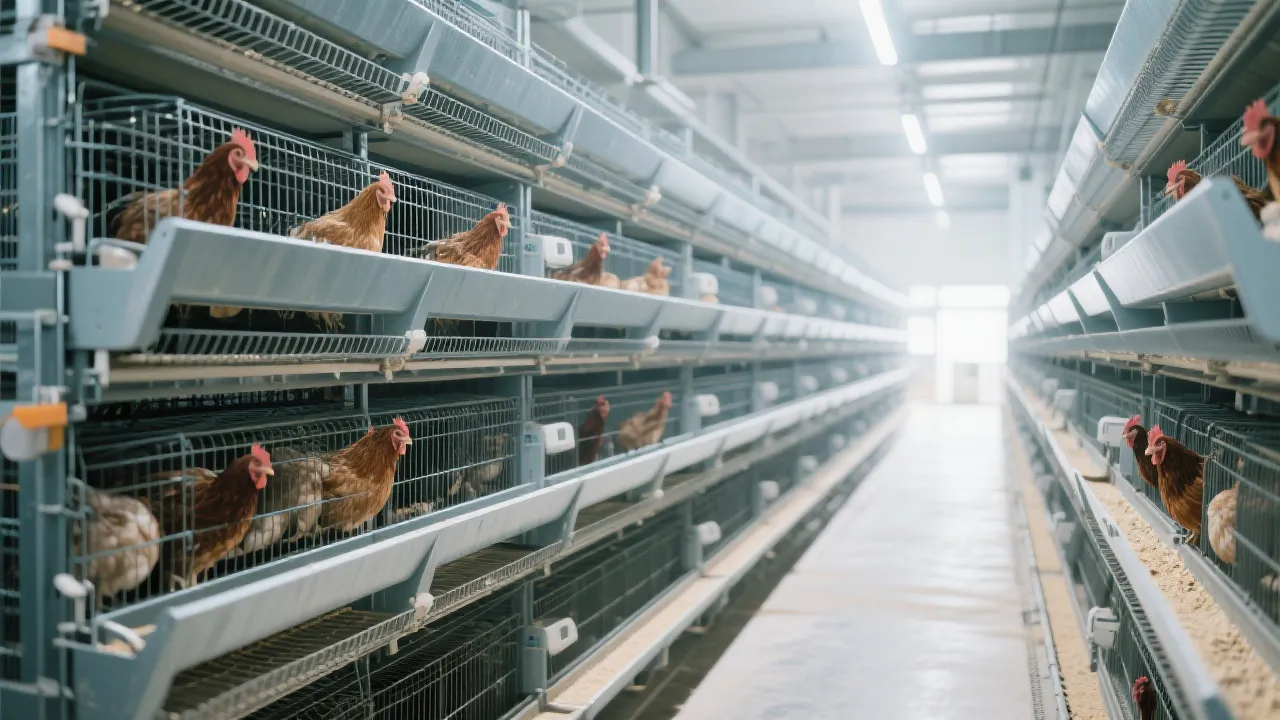
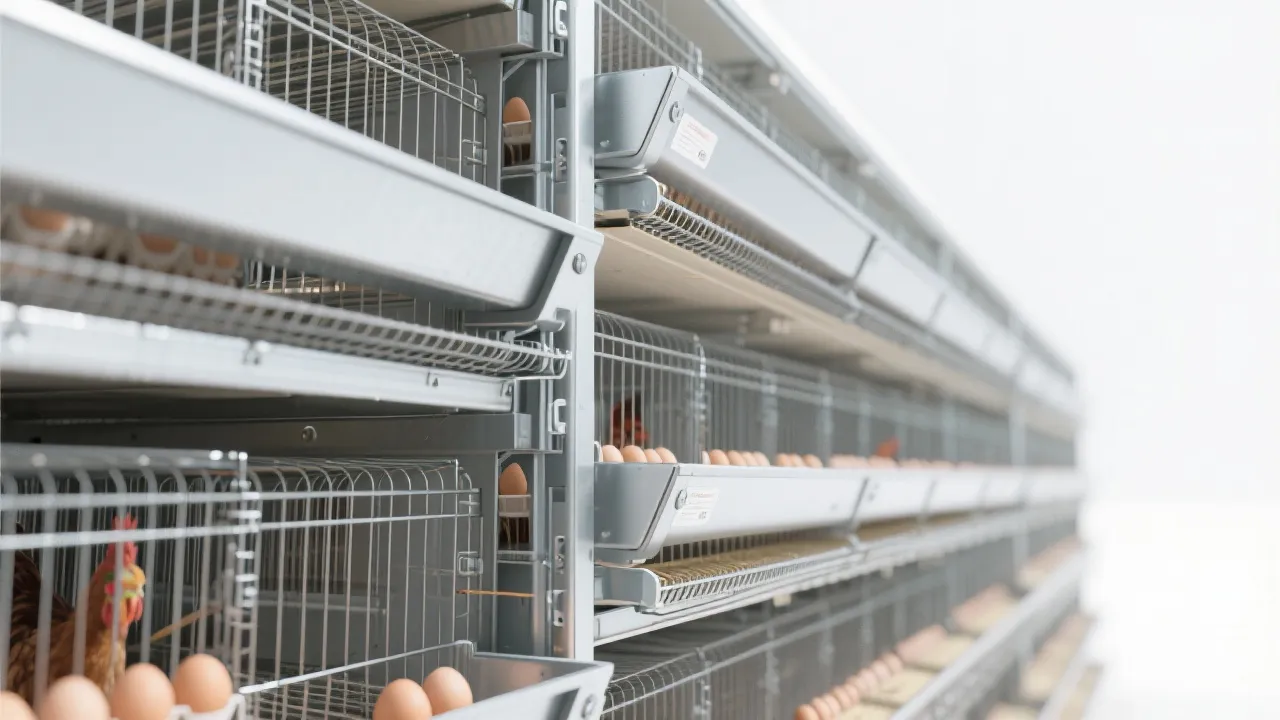
This guide explains science-based maintenance and cleaning practices for aluminum-zinc alloy coated layer chicken cage systems, focusing on how to choose compatible cleaners and apply correct operating steps to prevent coating damage, peeling, and corrosion. It outlines recommended cleaning frequency, key inspection points, and practical do’s and don’ts based on common on-farm failure modes. The article also provides seasonal and climate-specific adjustments—such as high-humidity, winter condensation, and hot-weather ammonia control—to help maintain barn hygiene, support hen health, and protect egg quality. With data-driven parameters, references to widely used poultry equipment hygiene principles, a real farm case example, and a short Q&A section, it offers actionable SOP-style guidance for farm managers and technicians. A final section highlights maintenance services and compatible equipment solutions from Zhengzhou Livi Machinery Manufacturing Co., Ltd. for decision-stage buyers seeking long-term durability and standardized sanitation outcomes.
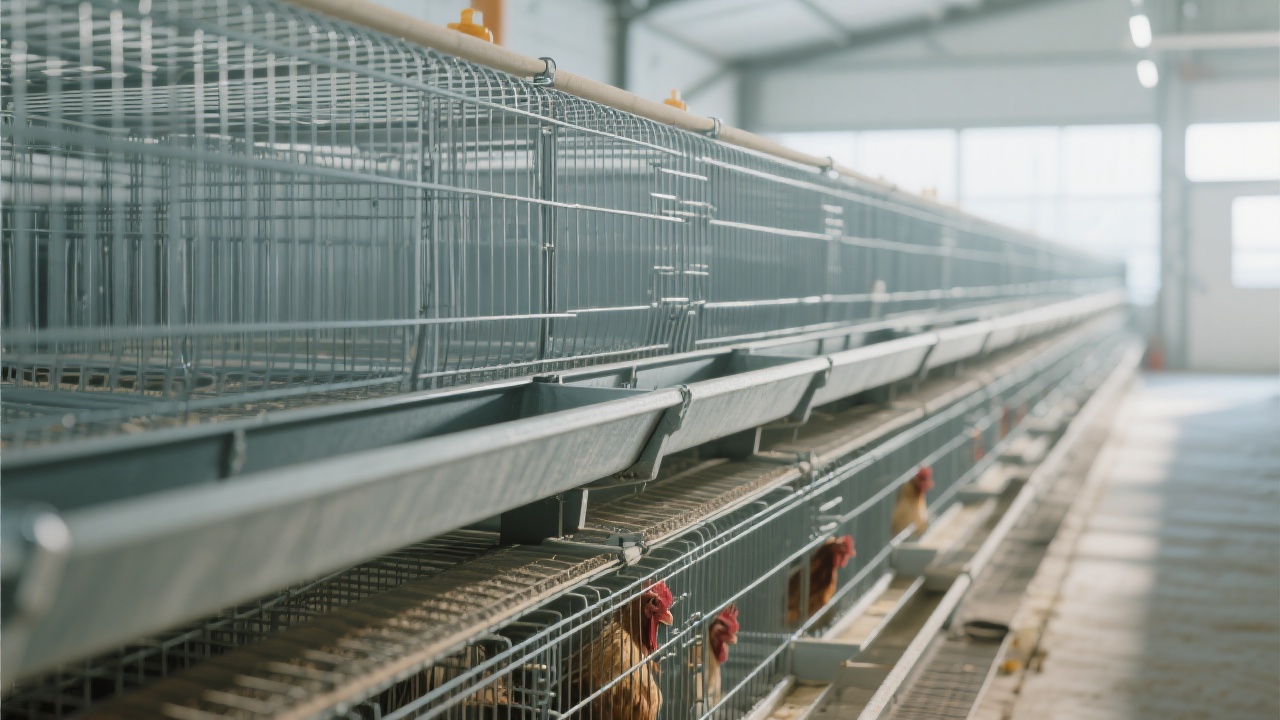
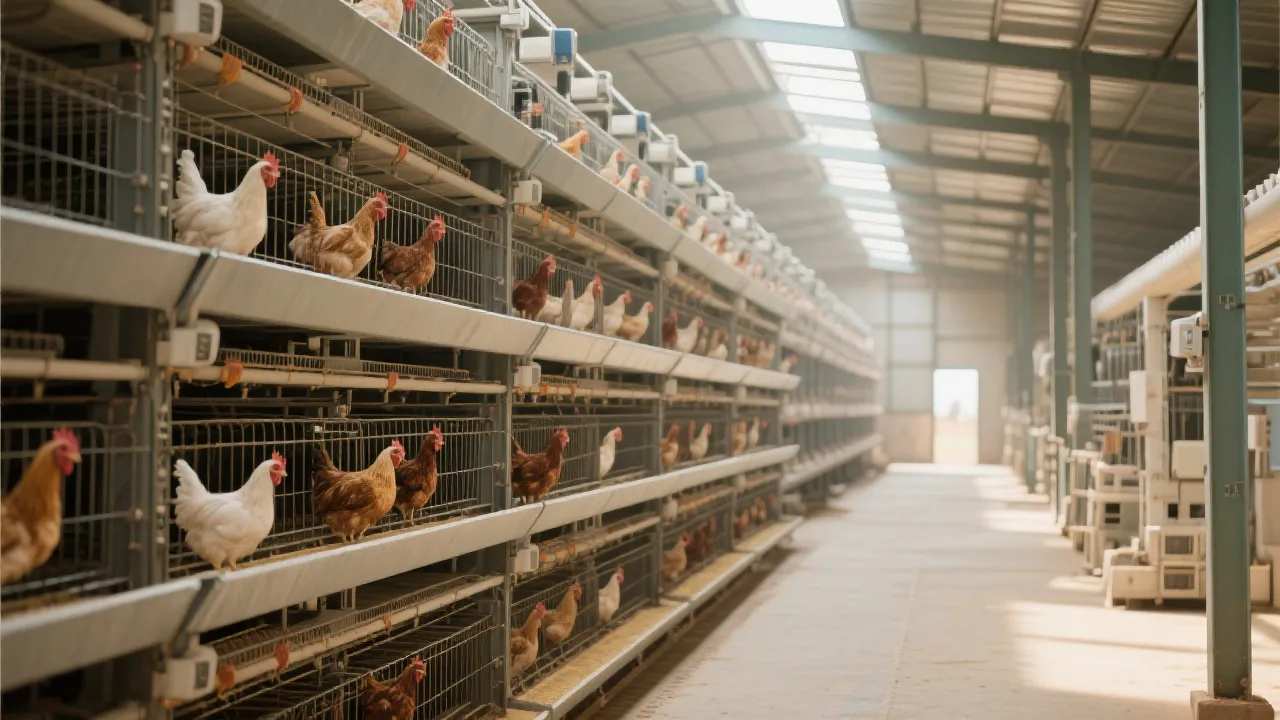
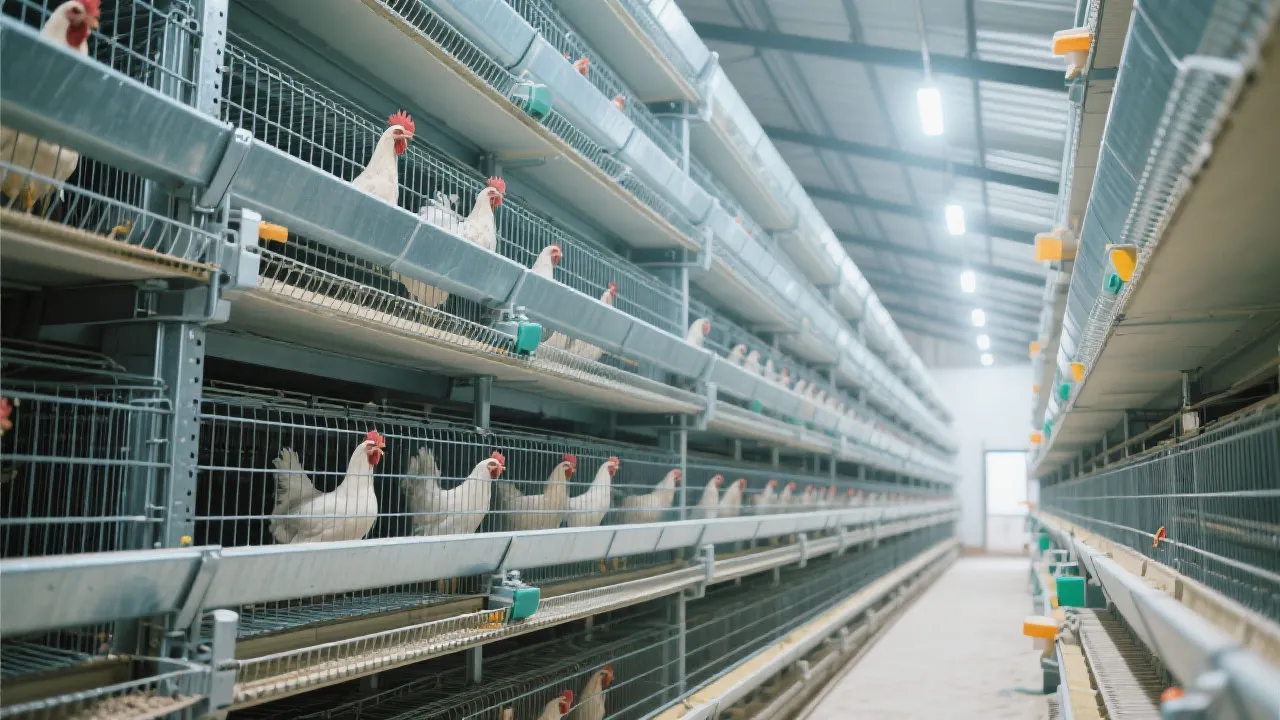
In modern poultry farms, an aluminum-zinc alloy coated (often referred to as Aluzinc) stacked layer chicken cage is chosen for its corrosion resistance and stable structure. However, the coating’s real lifespan depends less on the brochure and more on cleaning chemistry, water quality, and operator habits.
This guide explains how to select safe detergents, how to clean step-by-step, and how to adjust routines by season and climate—to reduce coating peel, minimize rust points, and protect bird health and egg cleanliness in day-to-day production.
Why Cleaning Chemistry Matters (More Than “Scrubbing Hard”)
Aluzinc coatings perform well in poultry houses because the aluminum component forms a protective oxide film, while zinc offers sacrificial protection. The weak point is usually not the material itself but chemical attack from unsuitable cleaners and long wet-contact time in manure-dense areas.
Field reference data: In many layer houses, surfaces around feed trough edges, drinker lines, and manure belts can hold moisture for 6–12 hours/day during high-humidity periods. Reducing “wet time” is often as impactful as the detergent choice.
Choosing the Right Cleaner: A Practical Decision Framework
For aluzinc-coated cage systems, the safest routine is typically a mild alkaline, non-chloride detergent combined with mechanical removal (foam, brushing, low/medium pressure rinse). Avoid selecting products only by “strong smell” or “fast whitening effect”.
1) pH Range (Target: mildly alkaline)
In most farms, a working solution around pH 8–10 is a safe starting range for removing fat/protein soils while remaining coating-friendly. Very high alkalinity (e.g., strong caustic mixes) can increase surface dulling and accelerate micro-pitting, especially with long dwell time.
2) Chlorides & Oxidizers (Avoid for routine cleaning)
Cleaners containing chloride salts or aggressive oxidizers can promote localized corrosion—particularly at cut edges, welds, fasteners, and scratched points. If disinfection is required, separate it from cleaning and ensure correct dilution and contact time.
3) Surfactants & Foaming (Make chemistry work longer, not harsher)
Good surfactants help lift manure films and reduce the need for high pressure. In stacked cages, foam also increases vertical cling time, improving soil removal on wire mesh and corners where deposits build up.
4) Water Hardness & Temperature (Often the hidden variable)
Hard water (commonly 150–300 mg/L as CaCO₃ in many regions) reduces detergent performance and causes mineral scaling around drinkers. If you see white crust or nozzle blockage, consider a pre-rinse strategy and periodic descaling only where needed—never “acid-bath” the entire cage system.
Cleaner Type
Best Use
Risk Notes for Aluzinc Coating
Mild alkaline foaming detergent
Routine manure film removal, weekly/biweekly cleaning
Low risk when diluted correctly; avoid long dwell in hot weather
Neutral detergent
Light soil, frequent touch-up around egg belts & walkways
Very low risk, but may be insufficient for heavy protein deposits
Acid descaler (spot use)
Mineral scale at drinker lines, select parts only
Use strictly localized; rinse fast and thoroughly
Chlorine-based products
Emergency sanitation only under controlled SOP
Higher corrosion risk; never mix with acids; avoid routine use
The following SOP is designed for production reality: limited downtime, labor constraints, and the need to protect coatings and components (wire mesh, troughs, brackets, manure belts, egg collection areas).
SOP (Recommended Sequence)
Dry removal first: scrape/capture dry manure and feathers. This reduces chemical usage and prevents “mud layer” formation.
Pre-rinse (low/medium pressure): use clean water to soften residue; avoid blasting directly into joints or bearings.
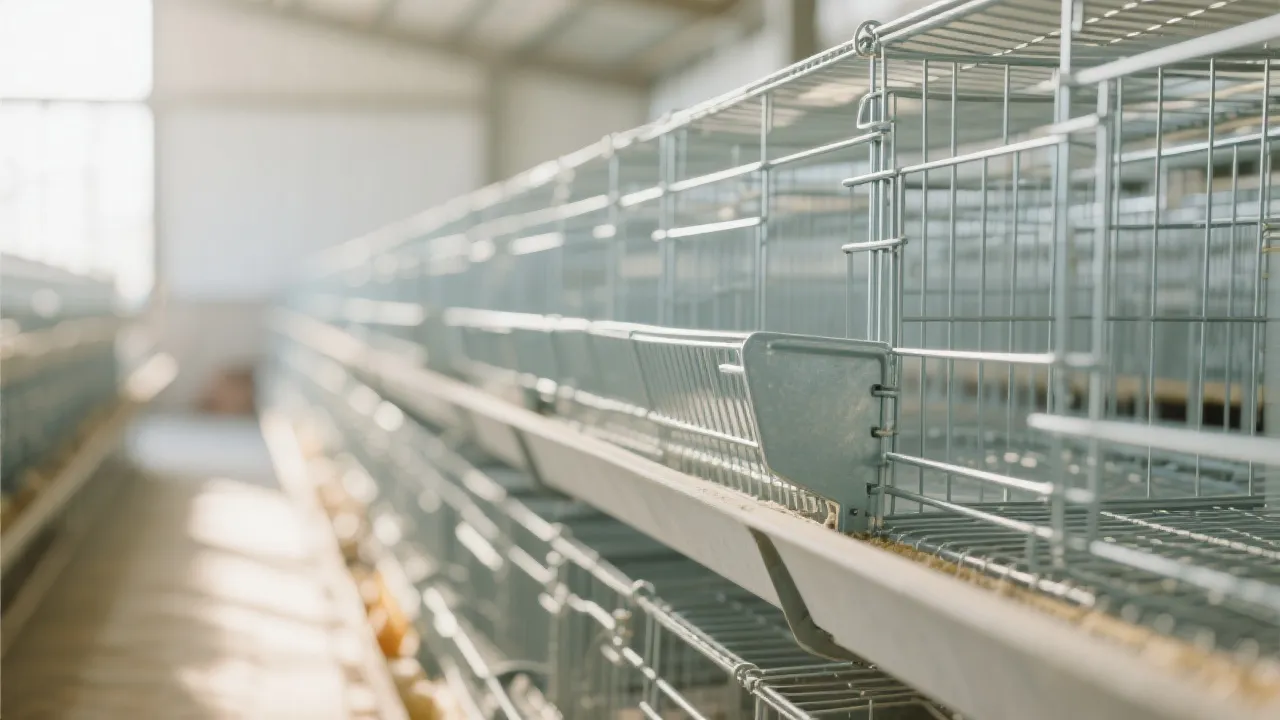
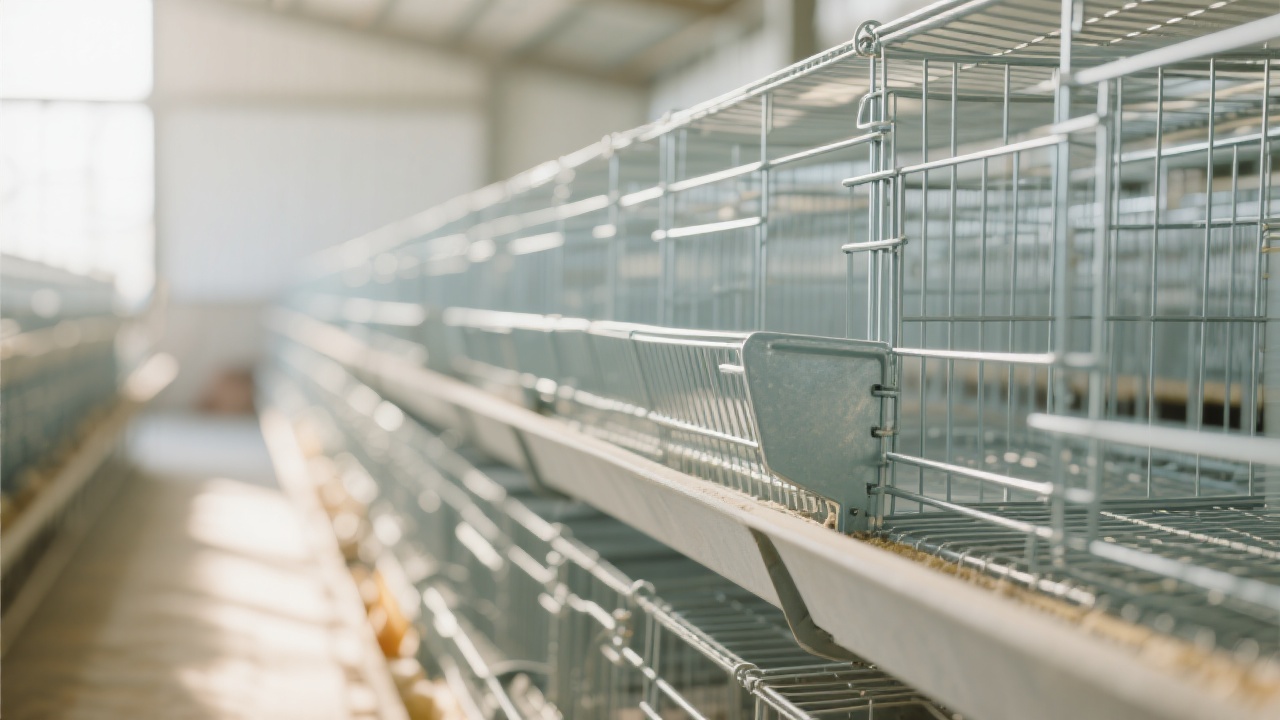
Apply foam detergent: cover wire mesh, trough edges, corners, and under-frames. Typical dwell time: 8–15 minutes (shorter in hot climates).
Targeted brushing: focus on high-soil areas (drinker line splash zones, feed trough lips, egg belt return points).
Final rinse: rinse from top to bottom until runoff is visually clear and non-slippery.
Drying & ventilation: increase airflow; aim to shorten surface wet time (fans + open inlets where safe).
Operational tip: If you must choose between “stronger chemicals” and “better workflow,” choose workflow. Many farms see cleaner surfaces and fewer corrosion points simply by adding dry removal + correct foam dwell time before rinsing.
Cleaning Frequency: What High-Performing Farms Typically Do
“Perfectly clean” is not the only goal—stable hygiene with minimal coating stress is. Below is a practical baseline many farms use, then adjust based on stocking density, ventilation, manure belt efficiency, and climate.
Area / Component
Typical Frequency
Reason (Decision-Stage Logic)
Feed trough lips & corners
Weekly
Prevents rancid build-up; reduces pest attraction
Drinker line splash zones
Weekly to biweekly
Wet contact drives corrosion; leak detection is crucial
Manure belt & return rollers (external surfaces)
Biweekly to monthly
Reduces odor and ammonia hotspots; helps stable belt tracking
Full cage frame rinse/foam
Monthly or per flock cycle plan
Avoid over-wetting; balance hygiene and coating protection
Deep clean (downtime window)
Between cycles (preferred)
Best for biosecurity + inspection + repairs
Seasonal & Climate Adjustments (Where Most Mistakes Happen)
Hot & humid season: shorten dwell time, speed up drying
High humidity slows drying and increases ammonia retention in damp manure films. In this season, farms often do better with more frequent light cleaning rather than heavy washing. Keep foam dwell time controlled (8–10 minutes is commonly enough) and prioritize airflow.
Cold season: avoid freezing rinse water on metal surfaces
When ambient temperature is low, standing water can freeze and expand in corners and joints. Schedule washing during the warmest hours, reduce total water volume, and ensure drainage paths are open. A “quick rinse + wipe” approach around critical points can be safer than long washing.
Coastal or high-salinity environments: control chloride exposure
In coastal regions, airborne salts raise the baseline corrosion pressure. Focus on fresh-water rinsing and avoid cleaners with chloride additives. Fasteners and cut edges deserve extra inspection.
Common Misconceptions (and How to Prevent Coating Peel & Corrosion)
Excessive pressure can drive water into joints and remove protective surface films. Use pressure strategically—focus on stubborn deposits only, and rely on foam + dwell time for coverage.
Misconception #2: “If it disinfects, it must be safe for the cage.”
Disinfection efficacy and material compatibility are different. Separate cleaning from disinfection, follow label dilution/contact time, and rinse when required—especially near aluzinc-coated wire and contact points.
Misconception #3: “Rust is only cosmetic.”
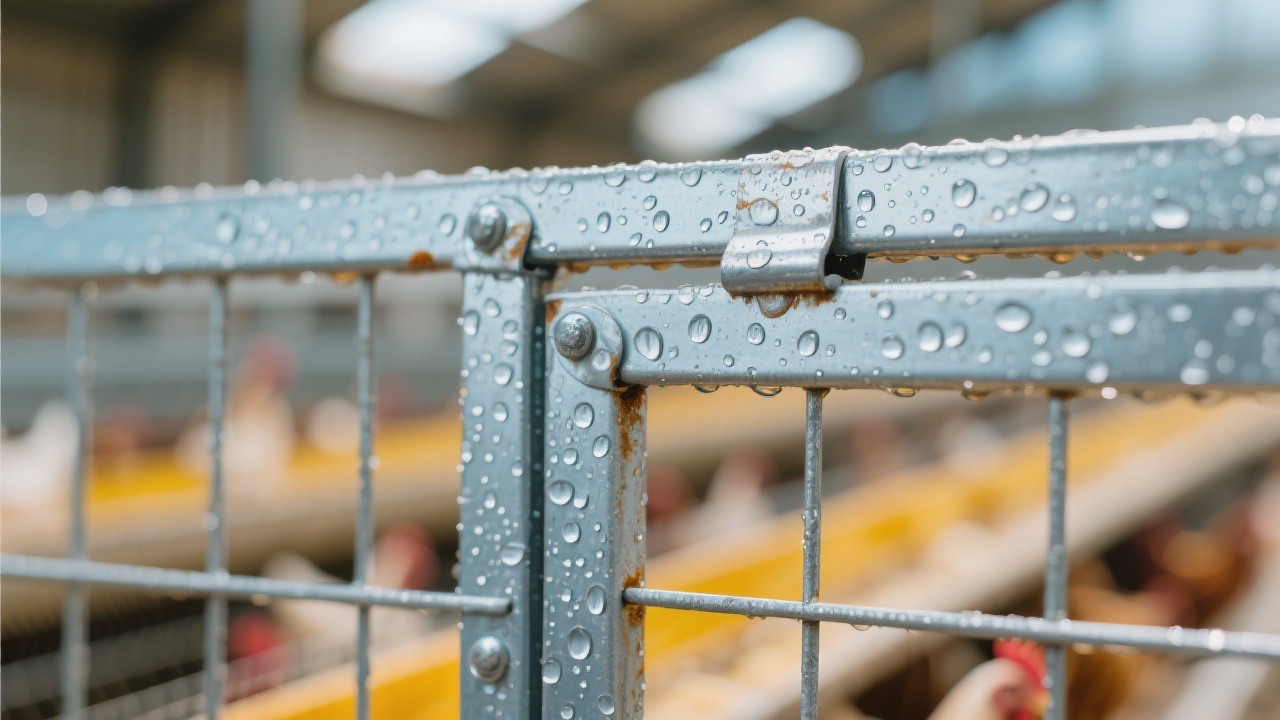
Rust often signals repeated wet exposure or chemical stress at a specific process step (leaks, poor drainage, over-strong cleaner). Treat it as a process diagnosis, not just a visual issue.
Real-World Case Snapshot (Decision-Stage Proof)
A mid-size layer farm operating stacked cages noticed early dulling and corrosion points near drinker lines after increasing wash frequency in a humid month. The team adjusted three variables: switched to a mild alkaline foaming detergent, reduced dwell time from 20 minutes to 10 minutes, and introduced a dry removal step before rinsing.
Within one production month, staff reported visibly reduced sticky film recurrence and fewer “wet corners” at the most affected cage tiers. The key improvement was not a stronger product, but shorter chemical exposure + faster drying supported by workflow discipline.
Interactive Q&A (Based on Typical Buyer Questions)
Can we use acidic cleaners to remove stains faster?
Use acids only for localized mineral scale (usually at drinker areas) and rinse immediately. Routine acid washing across aluzinc-coated cage surfaces increases the risk of coating stress and premature corrosion at edges and scratches.
How do we prevent coating peel at welds and cut edges?
Focus on prevention: reduce high-pressure blasting at edges, avoid chloride-containing products, and fix leaks so those points don’t stay wet. Include edge inspection in the weekly checklist and correct the process step causing repeated wetting.
Is frequent washing always better for egg quality?
Not always. Over-washing can increase humidity and wet-contact time—raising corrosion risk and sometimes worsening house conditions. Many farms get better results with targeted high-risk zone cleaning (drinker splash, trough corners, belt returns) and strong ventilation.







.jpg?x-oss-process=image/resize,m_fill,h_800,w_800/format,webp)