


How Aluminum-Zinc Alloy Coating Resists High-Humidity and High-Ammonia Environments: Revealing the Measured Data of Laying Hen Cage Anticorrosion Technology
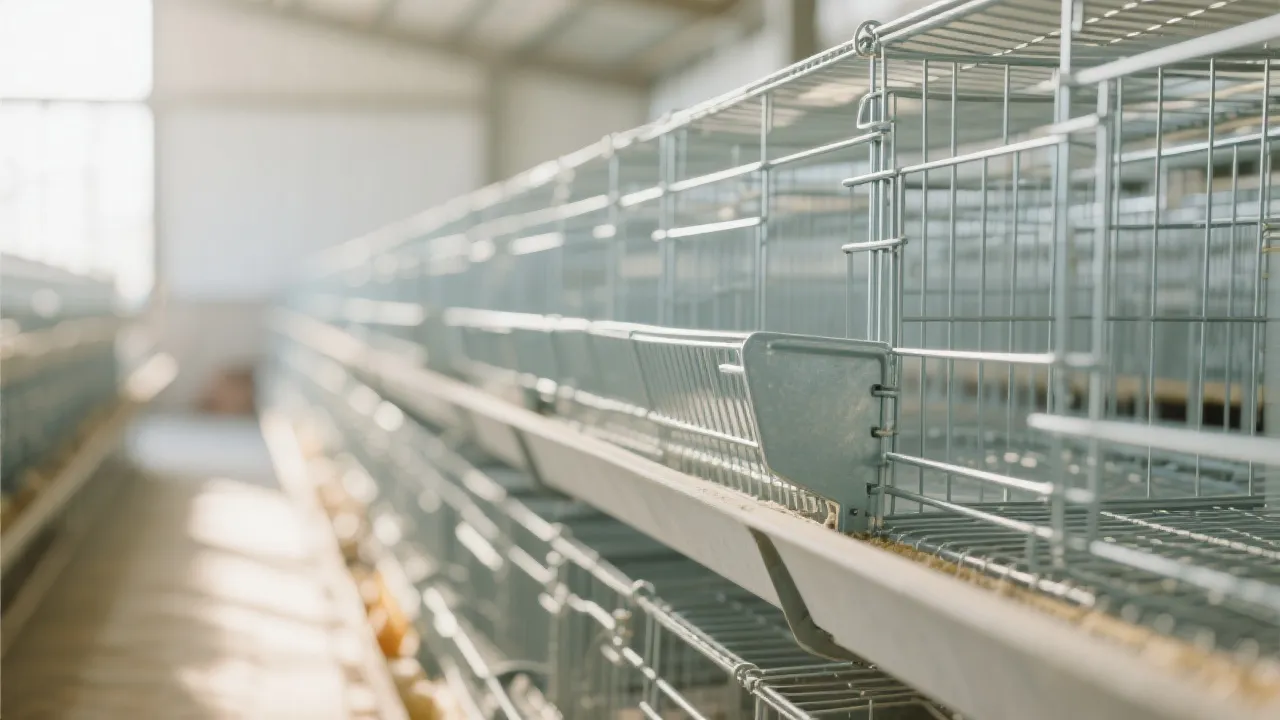
The Corrosion Problem of Laying Hen Cages in High - humidity and High - ammonia Environments
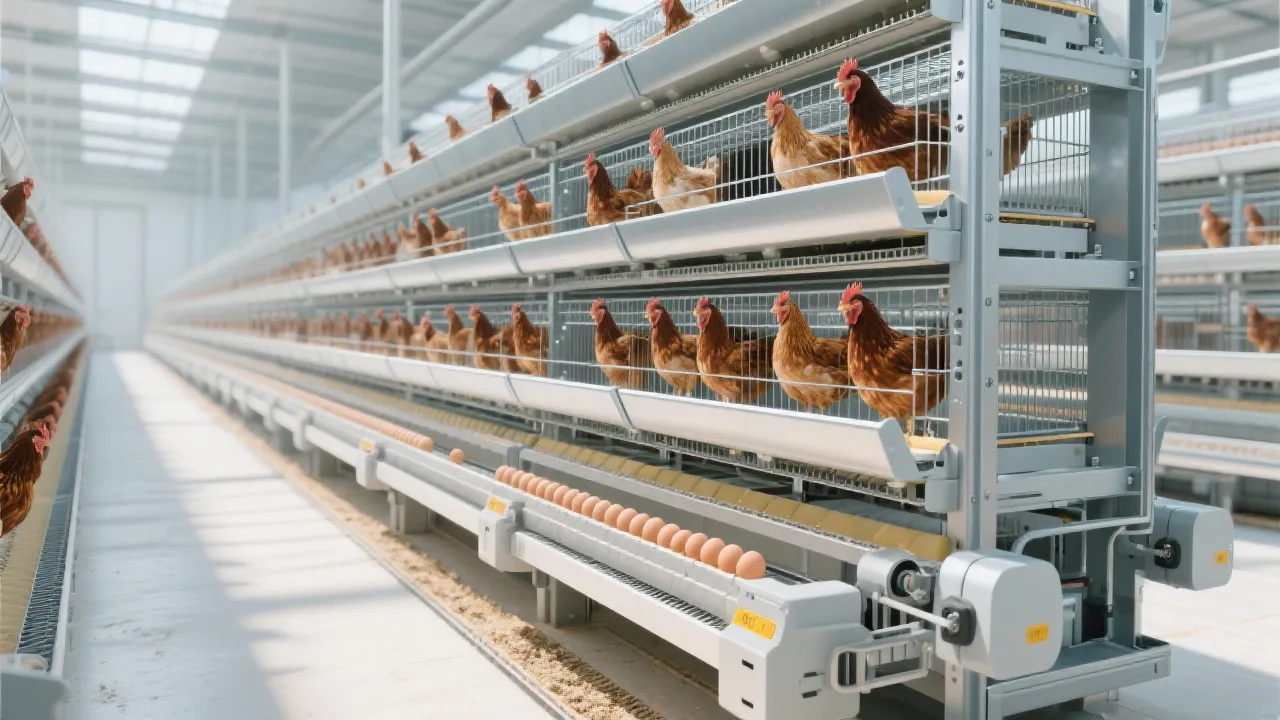
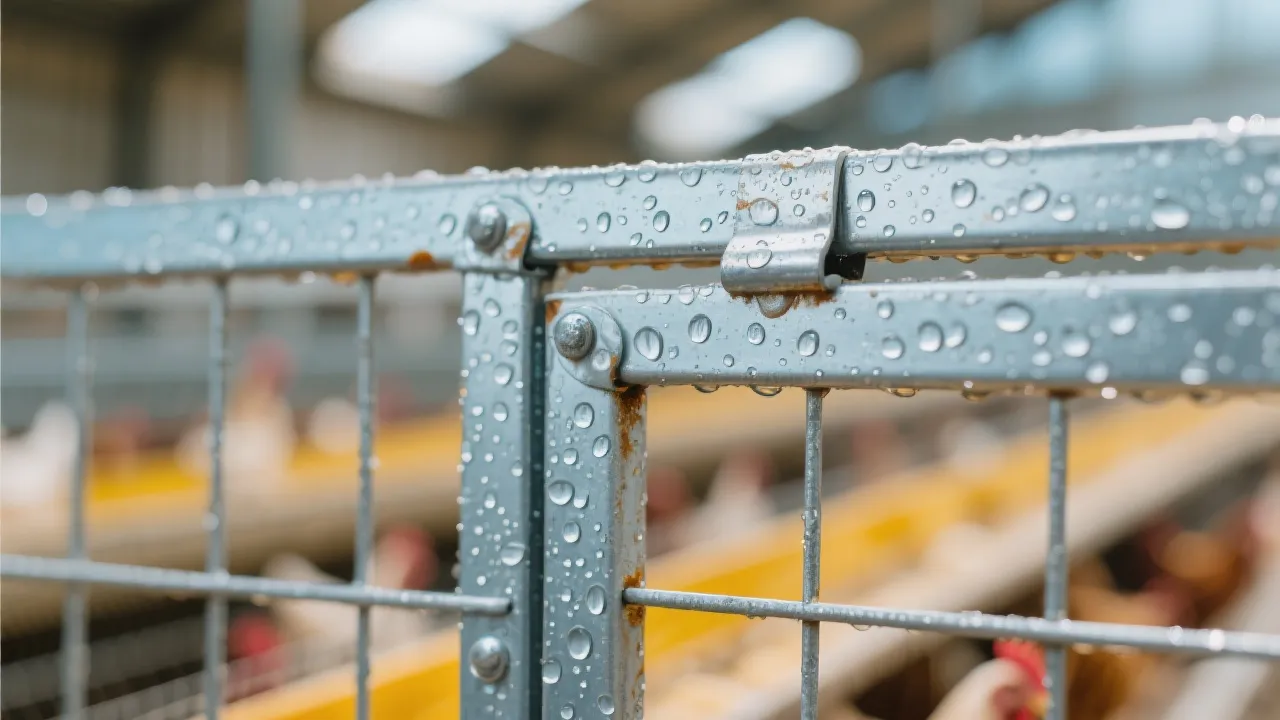
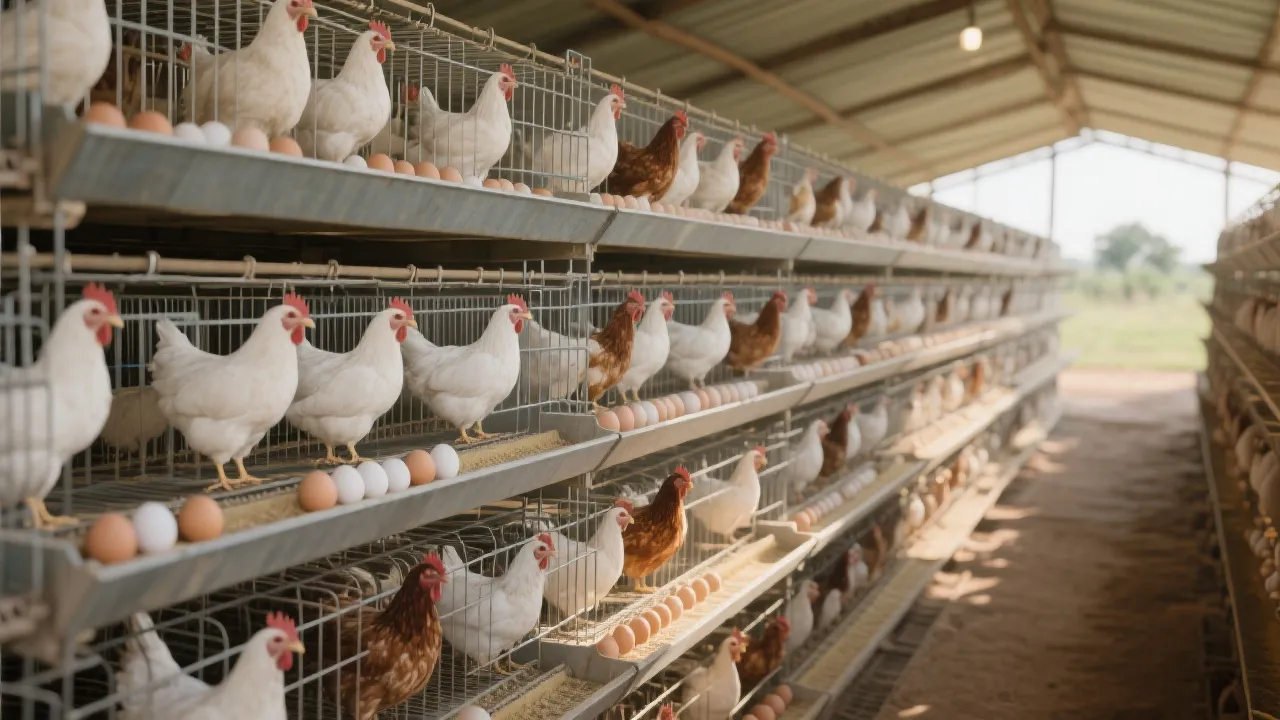
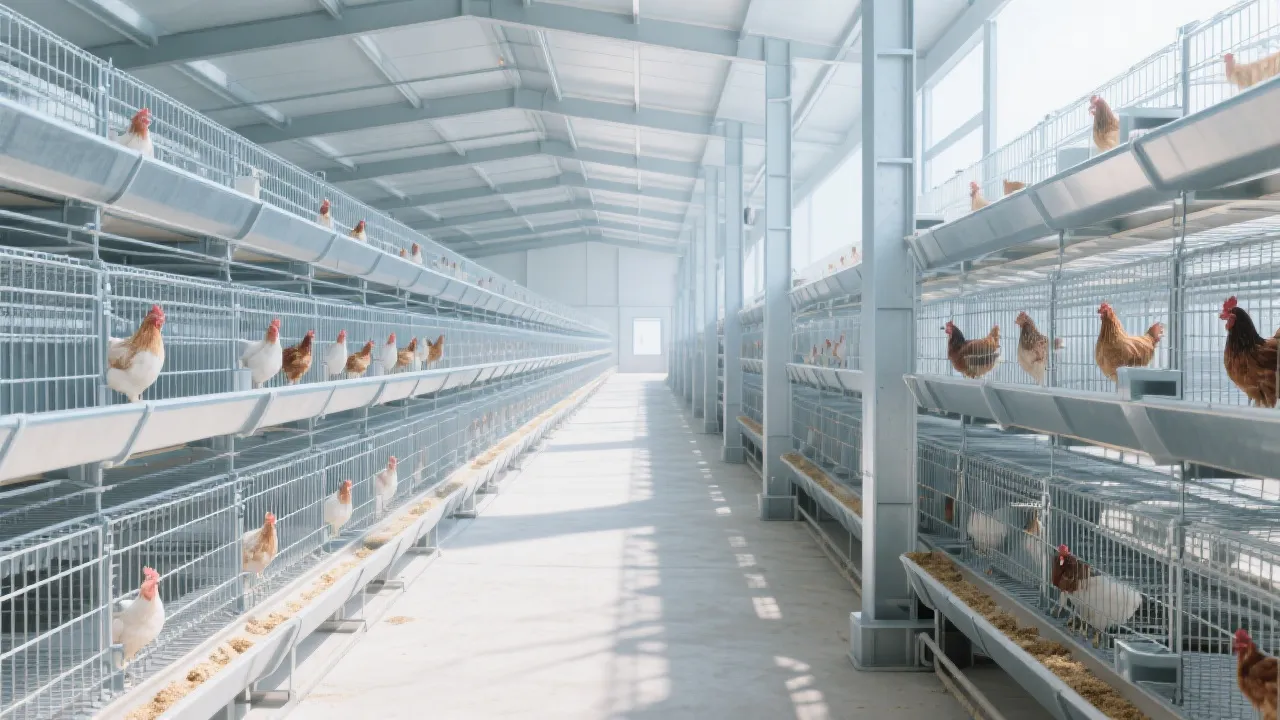
In the poultry farming industry, laying hen cages are constantly exposed to high - humidity and high - ammonia environments. This harsh condition has long been a headache for farmers, as the corrosion of laying hen cages can lead to various problems. For example, corroded cages may cause injuries to the hens, affect the quality of eggs, and increase the risk of disease transmission. Moreover, frequent replacement of cages due to corrosion significantly raises the operating costs of farms.
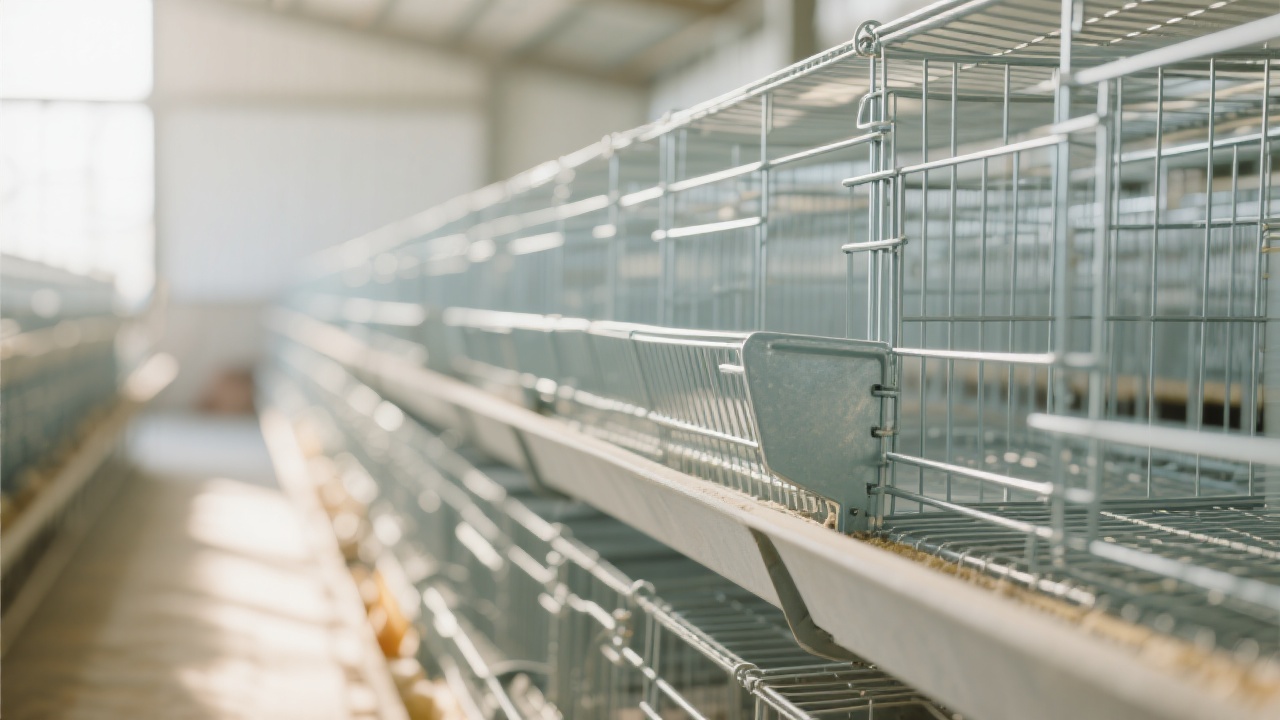
The Anticorrosion Mechanism of Aluminum - Zinc Alloy Coating
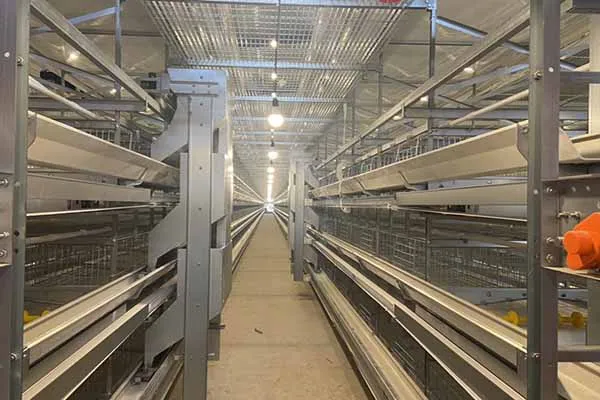
Aluminum - zinc alloy coating has emerged as an effective solution to this corrosion problem. The coating forms a dense protective layer on the surface of the laying hen cages. The aluminum in the alloy can react with oxygen in the air to form a stable aluminum oxide film, which acts as a physical barrier to prevent further oxidation of the underlying metal. The zinc, on the other hand, provides sacrificial anode protection. When corrosion occurs, zinc corrodes preferentially, protecting the base metal from damage.
Compared with traditional hot - dip galvanizing and powder coating materials, aluminum - zinc alloy coating has significant technical advantages. The following table shows a comparison of different coating materials:
| Coating Material | Corrosion Resistance | Adhesion | Service Life Extension |
|---|---|---|---|
| Traditional Hot - dip Galvanizing | Average | Average | 2 - 3 years |
| Powder Coating | Poor in high - humidity and high - ammonia | Average | 1 - 2 years |
| Aluminum - Zinc Alloy Coating | Excellent | High | 5 - 8 years |
Actual Measurement Data from Multiple Farms
To further verify the effectiveness of aluminum - zinc alloy coating, we conducted tests in multiple real - world farms. The test results clearly show that in southern humid areas or enclosed chicken coops, aluminum - zinc alloy coated laying hen cages have significantly better performance.
For example, in a farm in southern China, the traditional hot - dip galvanized cages needed to be inspected and maintained every 2 months on average, and needed to be replaced every 2 years. In contrast, the aluminum - zinc alloy coated cages only required inspection and maintenance every 6 months, and their expected service life is 5 - 8 years. This not only reduces the maintenance frequency by 66.7% but also significantly cuts down the replacement cost.
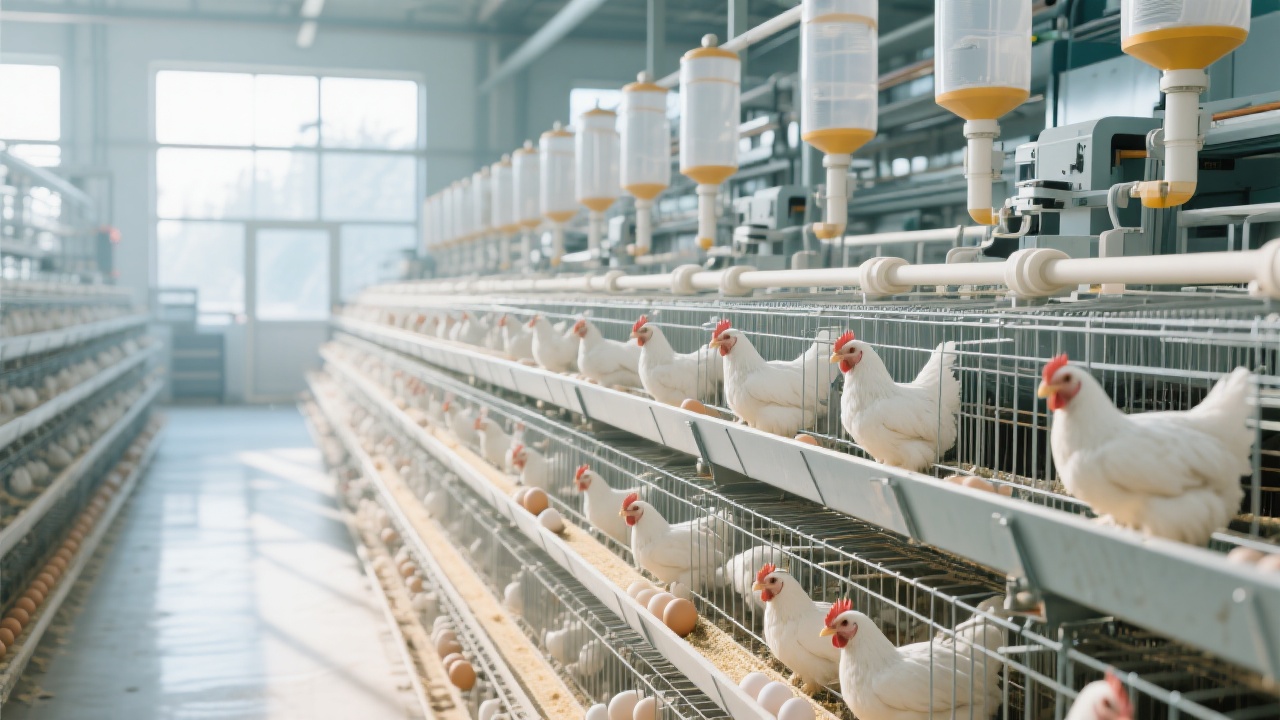
Scientific Cleaning and Inspection Plan
To maximize the service life of laying hen cages with aluminum - zinc alloy coating and reduce the total cost of ownership, a scientific daily cleaning and inspection plan is essential. Here are some key points:
- Cleaning: Clean the cages once a week using a mild cleaning agent to remove feces, feed residues, and dust. Rinse thoroughly with clean water to prevent the accumulation of corrosive substances.
- Inspection: Conduct a visual inspection every month to check for any signs of coating damage or corrosion. If any problems are found, repair them promptly to prevent further deterioration.
The Economic and Sustainable Value of Aluminum - Zinc Alloy Coating
Based on the above analysis, it is clear that aluminum - zinc alloy coating brings significant economic and sustainable value to the poultry farming industry. By extending the service life of laying hen cages, reducing maintenance frequency and replacement cost, and improving the overall efficiency of the farm, farmers can achieve higher profits while ensuring the well - being of the hens.
Industry experts have also recognized the potential of this technology. As one expert said, "Aluminum - zinc alloy coating is a revolutionary solution to the long - standing corrosion problem in the poultry farming industry. Its wide application will promote the sustainable development of the industry."
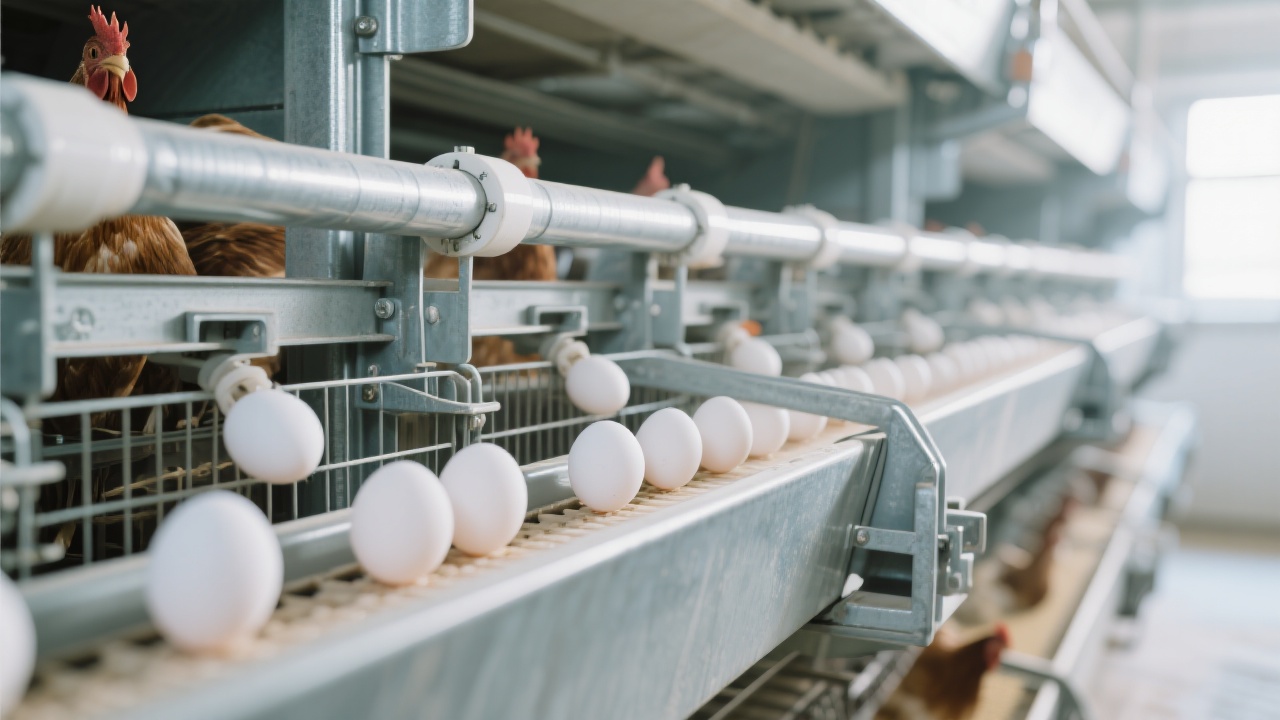
If you are interested in learning more about efficient anti - rust solutions for laying hen cages, please visit our H - type layer laying hen cage details page.





Hot Products

.jpg?x-oss-process=image/resize,m_fill,h_800,w_800/format,webp)


Popular articles





READY TO START?
Ready to Build Your Poultry Farm?
Tell us your land size, poultry type and farming capacity. LIVI will provide a complete farm solution for your project.