


Enhancing Layer Hen Cage Durability with Aluminum-Zinc Alloy Coatings in High Humidity and Ammonia Environments
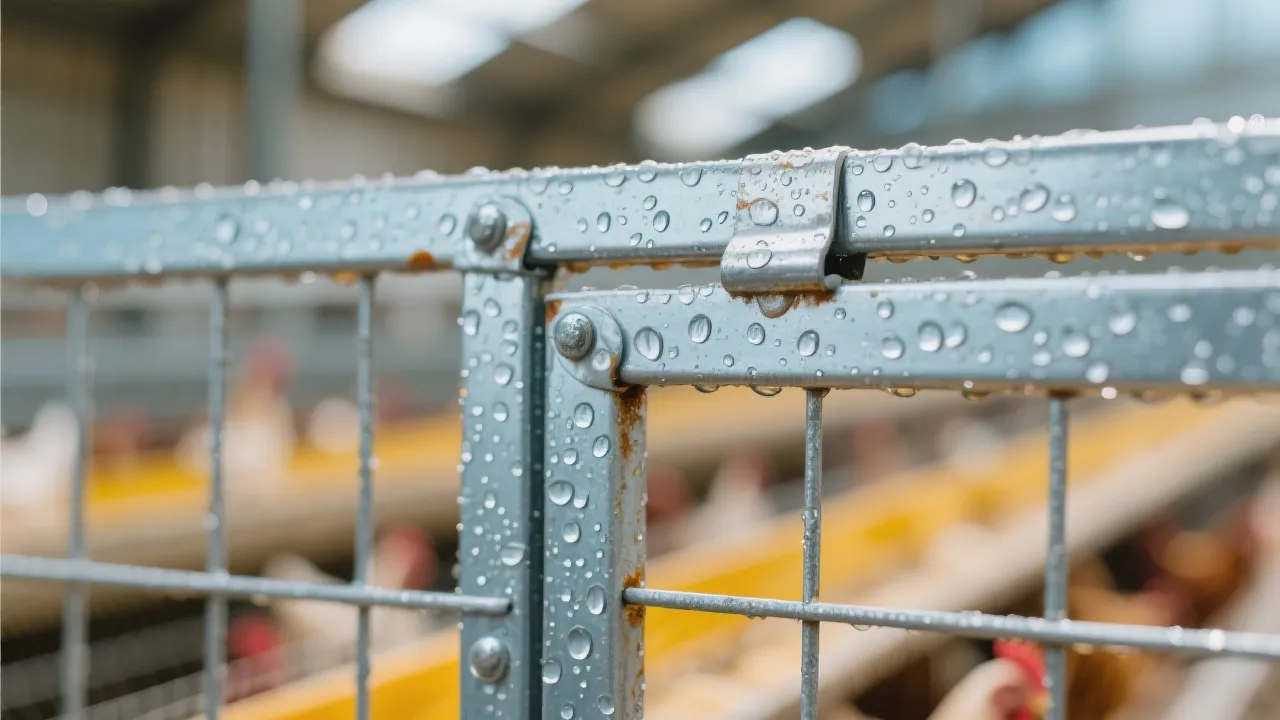
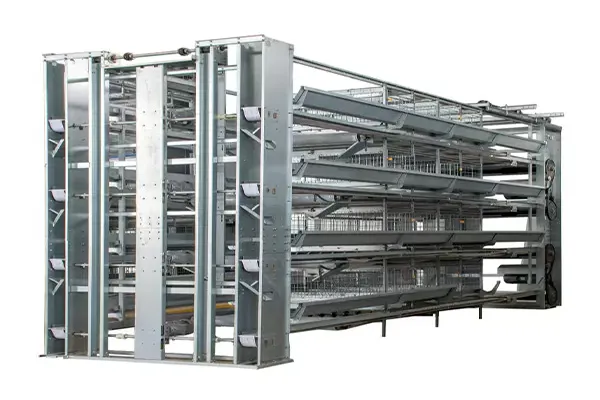
Advanced Aluminum-Zinc Alloy Coating Technology: Enhancing Durability of Layered H-Frame Egg-Laying Cages in High-Humidity, High-Ammonia Environments
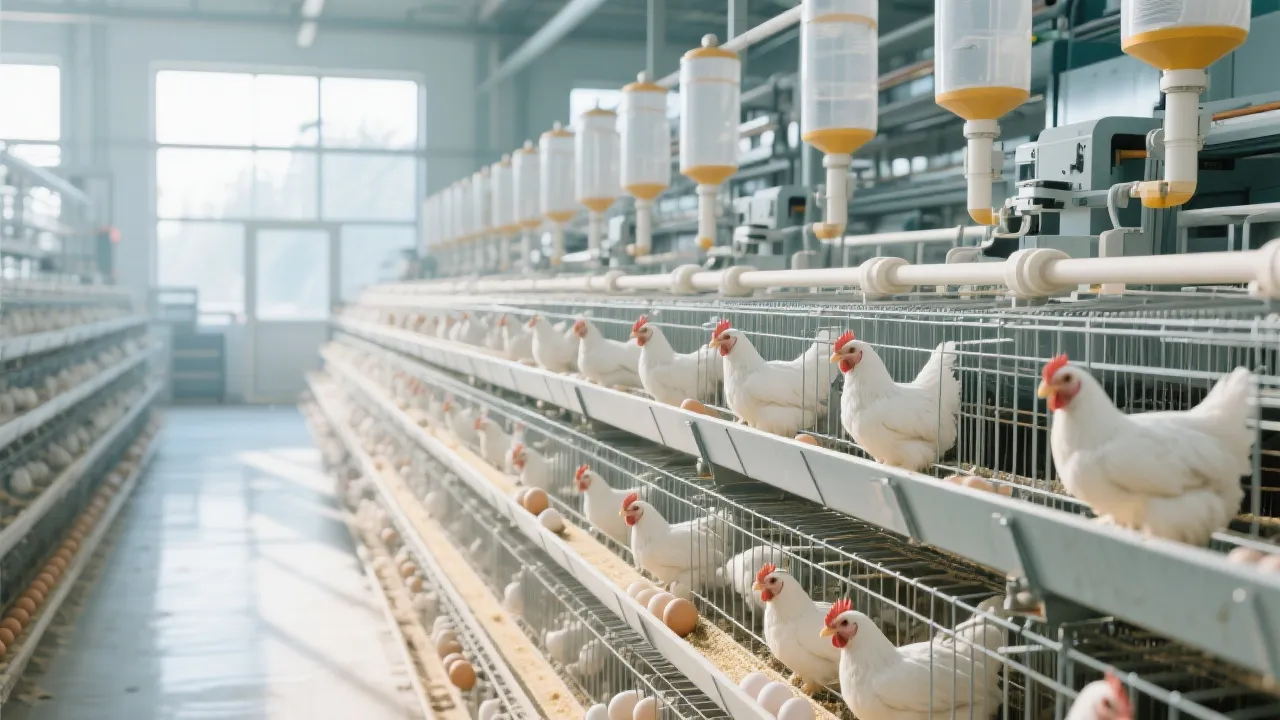
Poultry farming operations often grapple with severe equipment corrosion, especially when egg-laying cages operate under conditions of elevated humidity and ammonia concentration. Such corrosive stress not only accelerates cage degradation but also hampers overall productivity by increasing maintenance needs and operational costs.
"Industry reports confirm that corrosion in high-ammonia environments can reduce metal cage lifespan by up to 60% without adequate protective coatings." — Livestock Equipment Technology Journal, 2023
Understanding Corrosion Challenges in Layered H-Frame Egg-Laying Cages
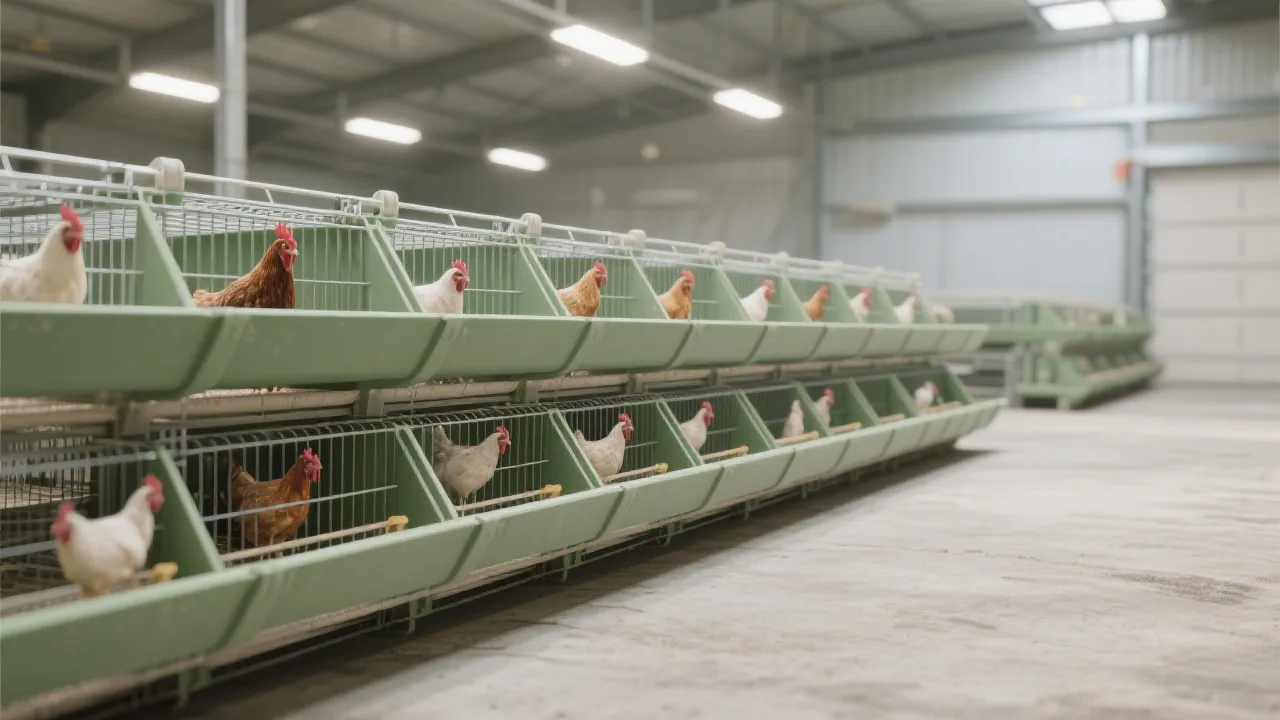
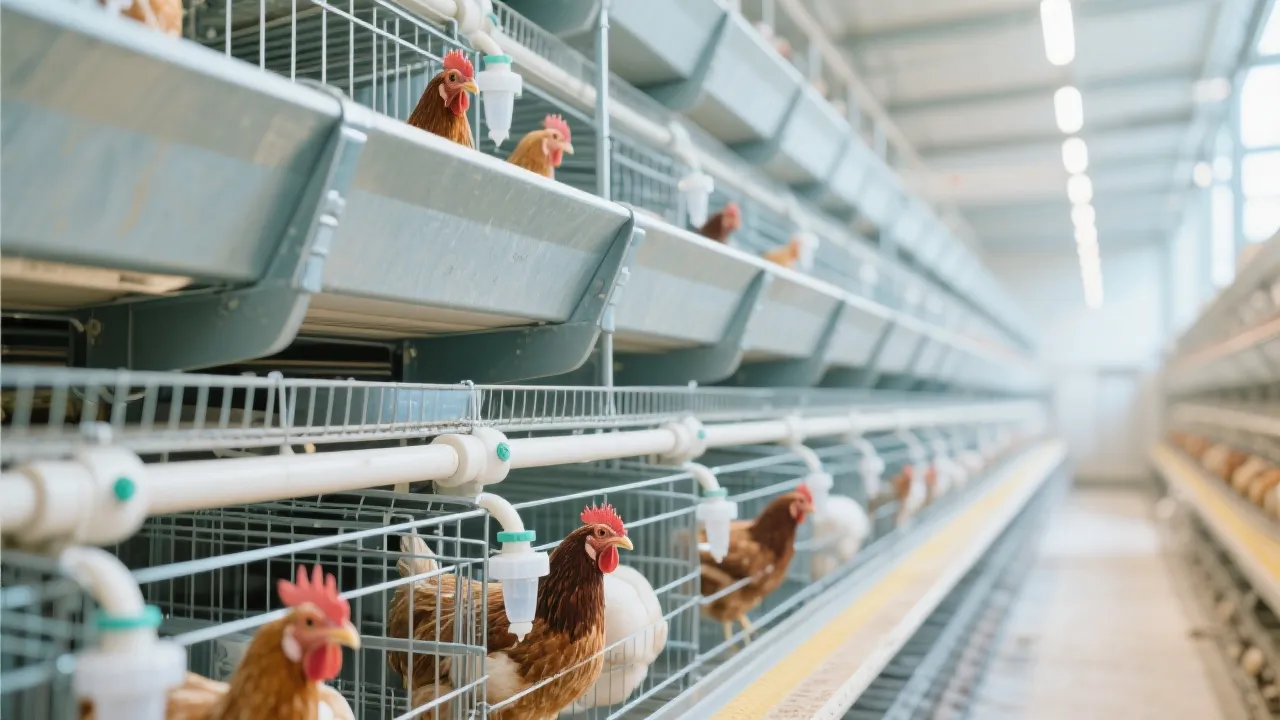
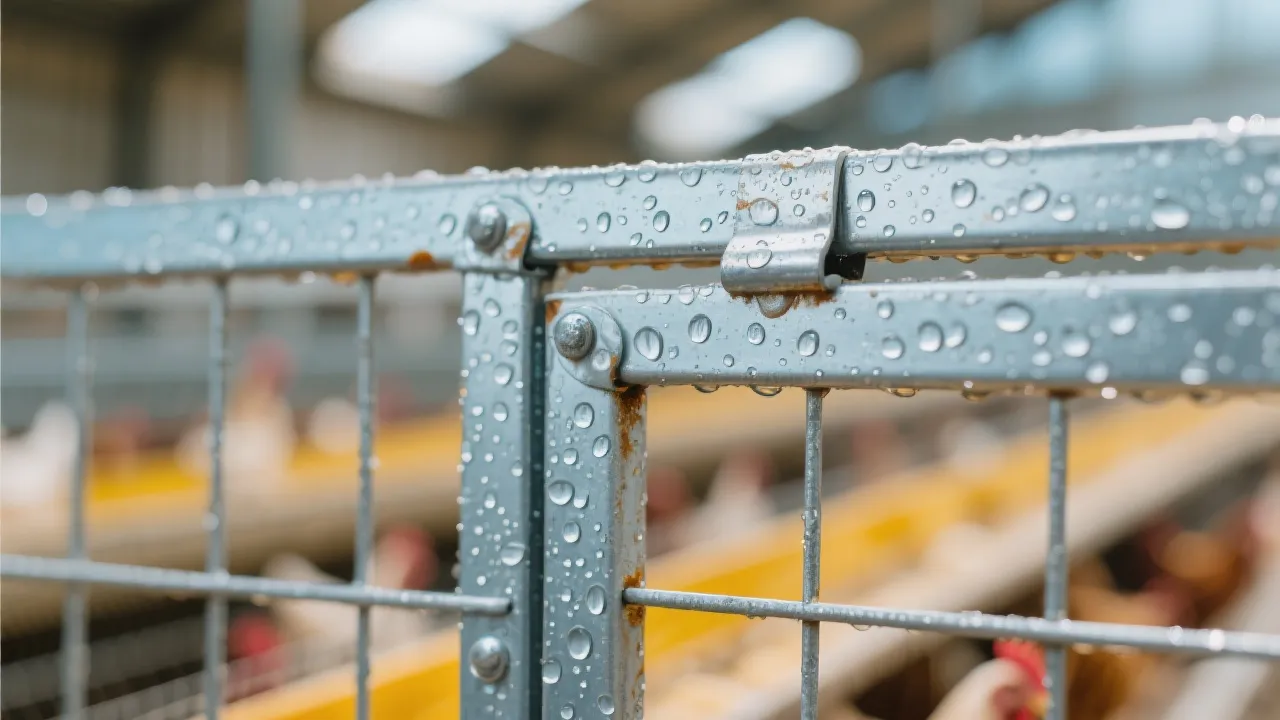
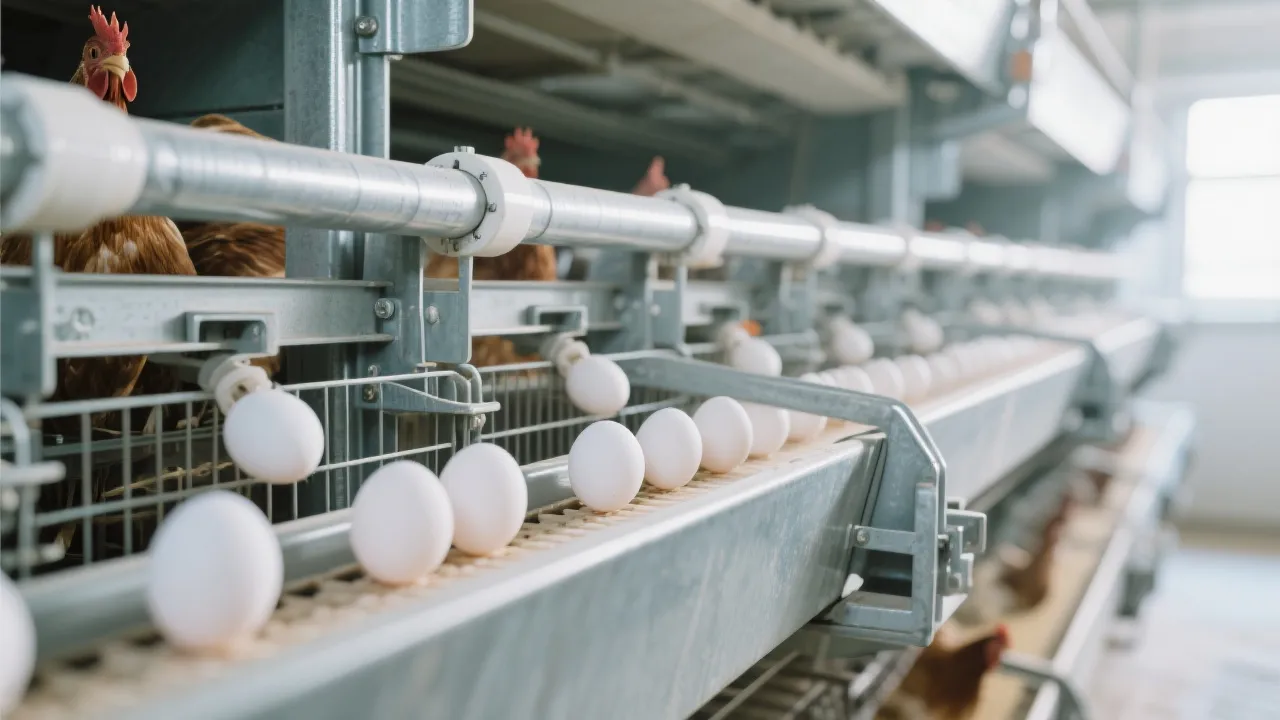
Layered H-frame egg-laying cages, widely adopted for their structural efficiency and ease of cleaning, face accelerated corrosion primarily from moisture and ammonia — a byproduct of poultry waste decomposition. Standard galvanized steel coatings deteriorate quickly due to continuous exposure to these elements, resulting in visible rust, structural weakening, and frequent replacements.
This corrosion not only shortens equipment lifespan but can also introduce contamination risks impacting poultry health and reduce farm economics by increasing downtime and repair expenses.
Aluminum-Zinc Alloy Coating: Material Properties and Anti-Corrosion Mechanism
The aluminum-zinc alloy coating, commonly known as Galvalume®, integrates approximately 55% aluminum and 43.4% zinc, providing a synergistic barrier against elemental attack. The aluminum component offers superior oxidation resistance, forming a stable aluminum oxide film, while zinc acts sacrificially to protect steel substrates by corroding preferentially.
Unlike traditional hot-dip galvanized (HDG) or plastic (powder) coatings, the aluminum-zinc alloy coating resists:
- High humidity corrosion due to aluminum oxide stability
- Ammonia-induced metal degradation through zinc's galvanic protection
- Mechanical abrasion thanks to its robust bond and ductility
These characteristics significantly prolong equipment life in aggressive poultry farming settings.
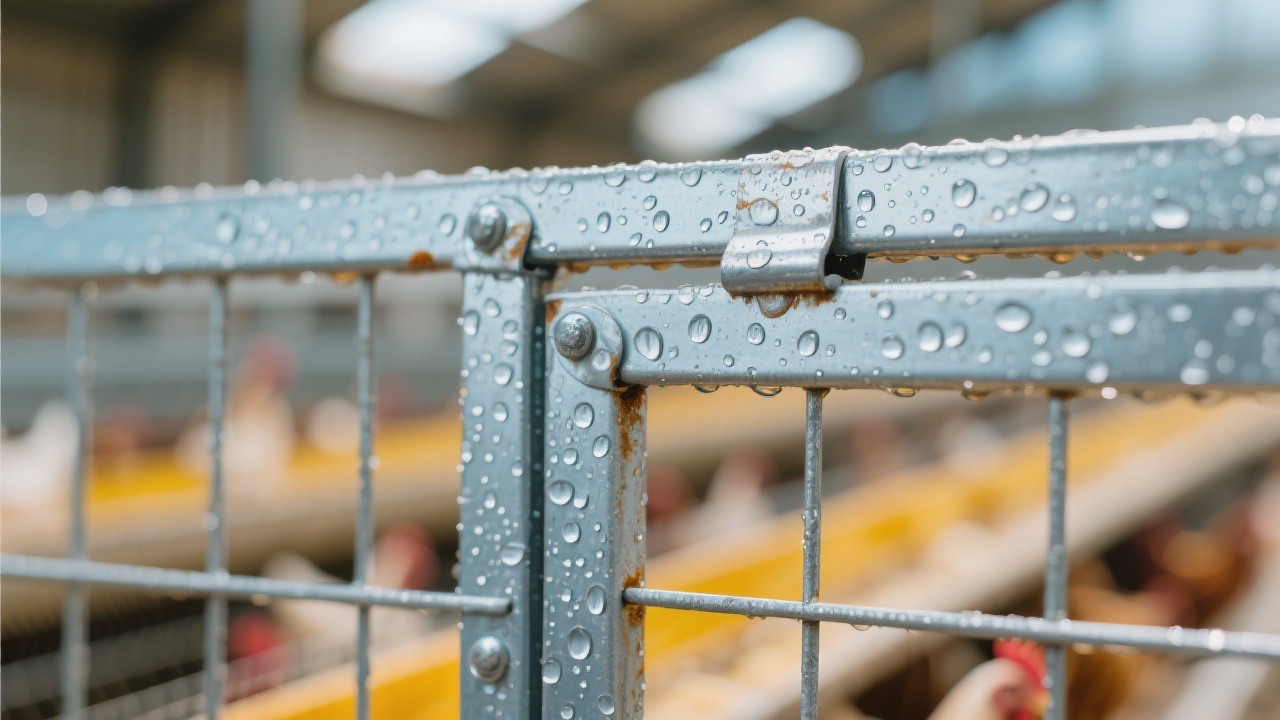
Empirical Performance Data from Commercial Poultry Farms
Recent field trials conducted across five commercial-layer farms in subtropical climates revealed:
| Coating Type | Annual Corrosion Rate (%) | Maintenance Frequency (per Year) | Replacement Cycle (Years) | Operational Cost Reduction (%) |
|---|---|---|---|---|
| Hot-Dip Galvanized | 18 | 4 | 5-6 | - |
| Powder Coating (Spray Plastic) | 12 | 3 | 6-7 | 10% |
| Aluminum-Zinc Alloy Coating | 4 | 1-2 | 10-13 | 30-40% |
These numbers illustrate the substantial benefit: aluminum-zinc alloy coated cages exhibit nearly 75% lower corrosion rate, require half or less the maintenance, and extend the replacement cycle by nearly double compared to traditional coatings, leading up to 30-40% operational expenditure reduction.
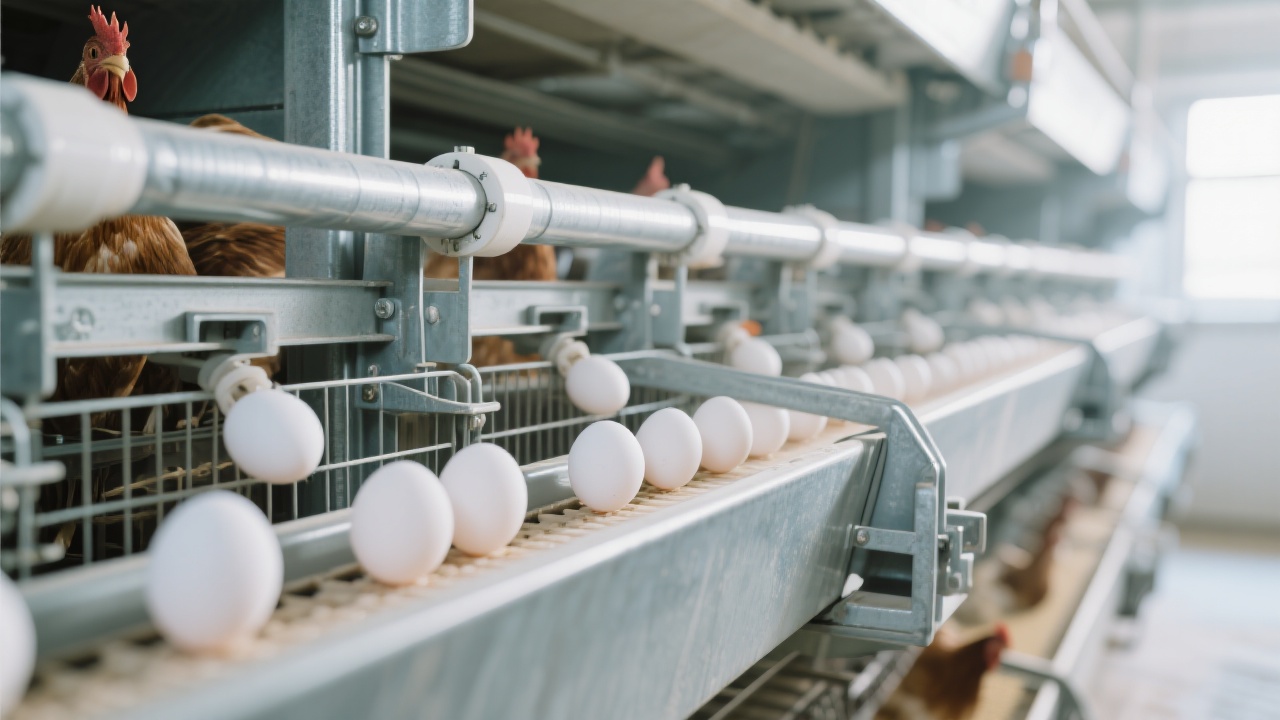
Optimized Maintenance Protocols to Maximize Coating Lifespan
Dr. Emily Stone, a corrosion specialist at the International Agricultural Materials Institute, emphasizes:
"Even the most effective coatings can degrade prematurely without proactive cleaning and inspection routines tailored to environmental conditions."
Based on aggregated industry guidelines and farm trials, the following key practices are recommended:
- Cleaning Frequency: Bi-monthly pressure washing to remove ammonia residues and dust buildup.
- Inspection Points: Pay close attention to weld seams and joint areas where coating wear concentrates.
- Protective Measures: Apply supplementary zinc-rich touch-up paints post-inspection if any coating disruption is detected.
Integrating these steps ensures the aluminum-zinc coating fulfills its lifespan potential, securing stable and efficient poultry production cycles.
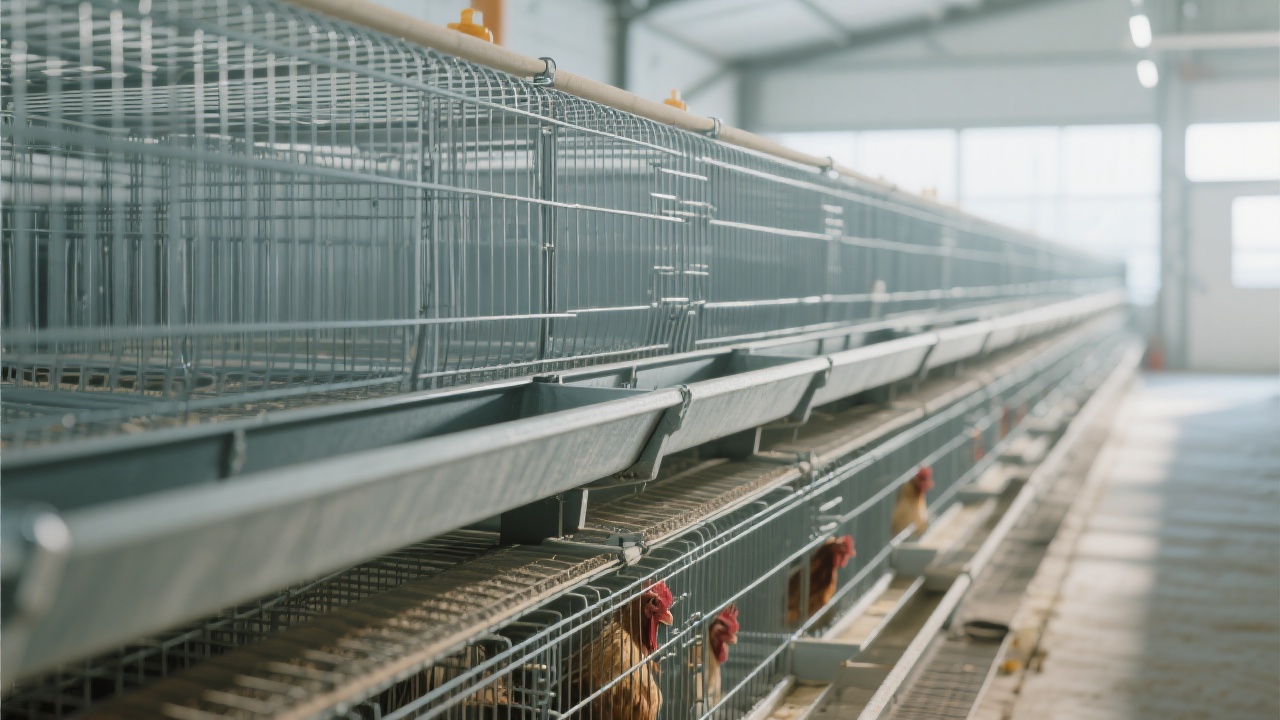
The Long-Term Value of Aluminum-Zinc Alloy Coated Layered H-Frame Cages
Beyond corrosion resistance, aluminum-zinc alloy coated cages contribute to farm sustainability by:
- Minimizing downtime and labor costs linked to frequent repairs or replacements
- Reducing chemical use for corrosion control, enhancing environmental compliance
- Improving animal welfare by maintaining structural integrity and hygiene
It is essential for poultry producers contemplating capital investments to factor coating technology as a critical element influencing total cost of ownership and production stability.
Is your poultry house facing similar corrosion challenges? Leave a comment below and share your experience with corrosion management strategies.




Hot Products

.jpg?x-oss-process=image/resize,m_fill,h_800,w_800/format,webp)


Popular articles






READY TO START?
Ready to Build Your Poultry Farm?
Tell us your land size, poultry type and farming capacity. LIVI will provide a complete farm solution for your project.