


Anti - corrosion Performance of Aluminum - Zinc Alloy Coating Equipment and Its Guarantee for the Lifespan of Layer Hen House Ventilation Systems

The Anticorrosion Performance of Aluminum-Zinc Alloy Coating Equipment and Its Guarantee for the Lifespan of Laying Hen House Ventilation Systems
In the world of laying hen farming, the ventilation and temperature control systems in laying hen houses play a crucial role in determining the egg production rate. But how exactly do these systems impact the egg - laying performance? Let's dive deep into the details.
The Impact of Ventilation and Temperature Control on Egg Production Rate
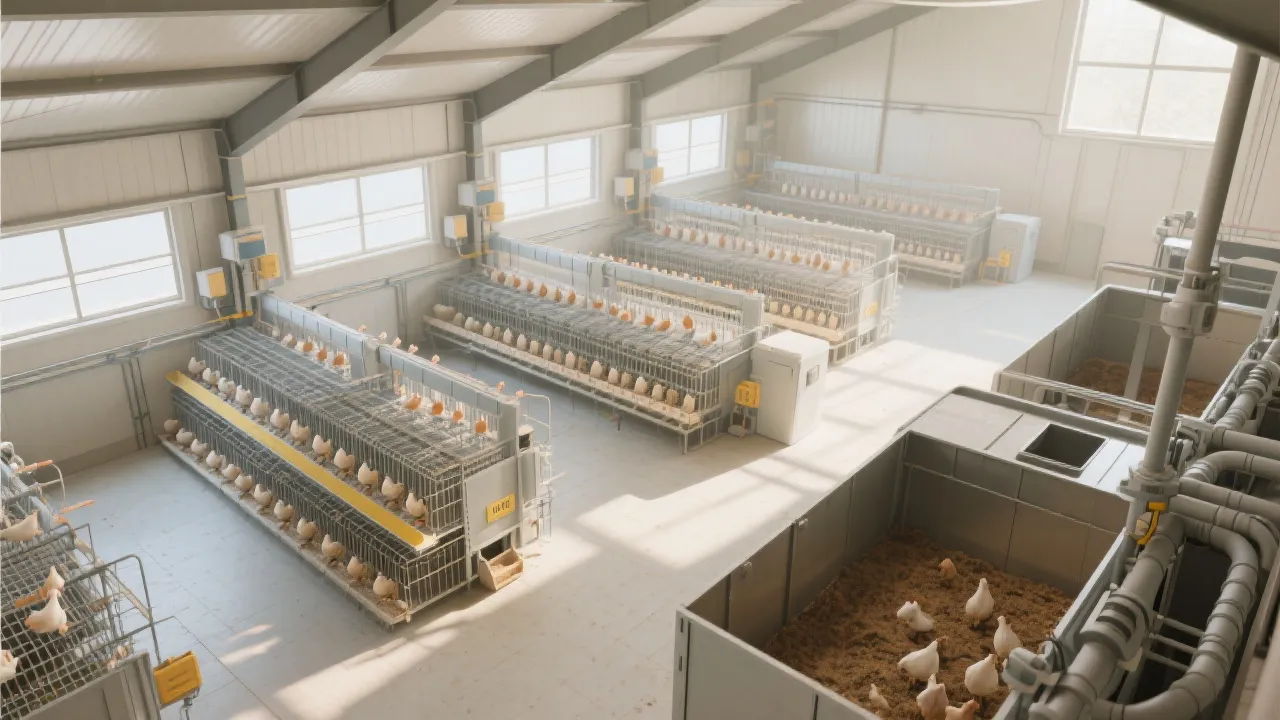
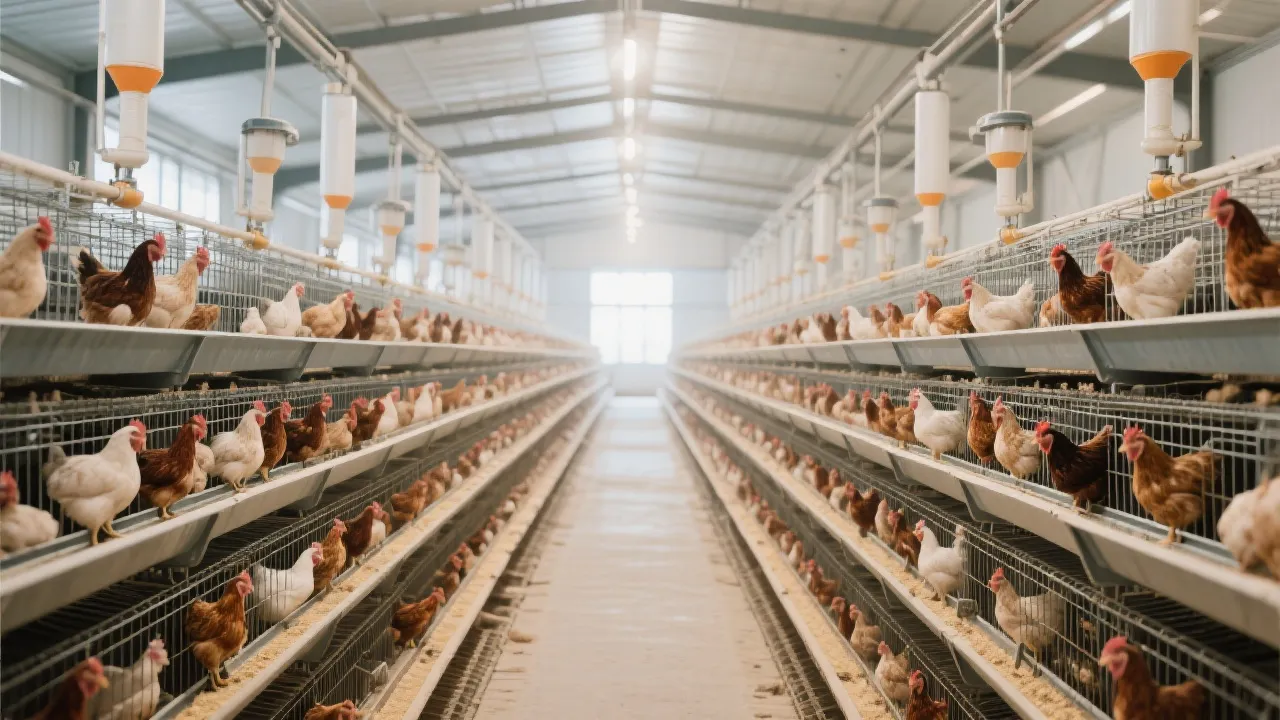
The H - type layer hen cage comes with a scientific airflow organization system, specifically the side - wall air intake and top - exhaust system. This system is designed to ensure a constant temperature and humidity environment in the hen house. According to industry data, when the temperature fluctuates by more than 30°C, the egg production rate can drop by 10% - 25%. This clearly shows the significant influence of temperature stability on egg - laying.
The scientific airflow design is based on the principle of achieving uniform air distribution and preventing heat stress in hens. By ensuring that fresh air enters from the side walls and is exhausted from the top, the system can effectively maintain a stable environment. For example, in some farms that have optimized their airflow organization, the egg production rate has increased by a considerable margin. One farm reported an increase of 15% in egg production after implementing the improved ventilation system.
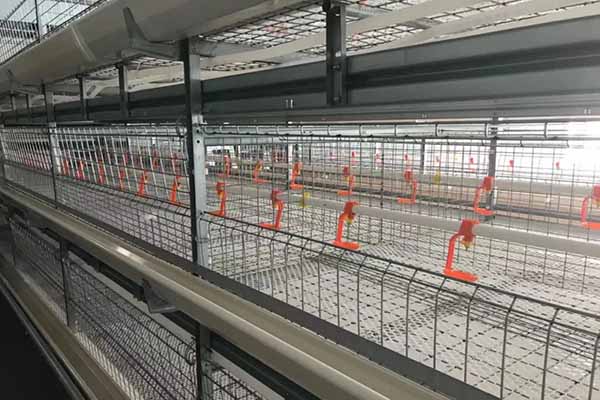
The Value of Aluminum - Zinc Alloy Coating in Protecting Equipment
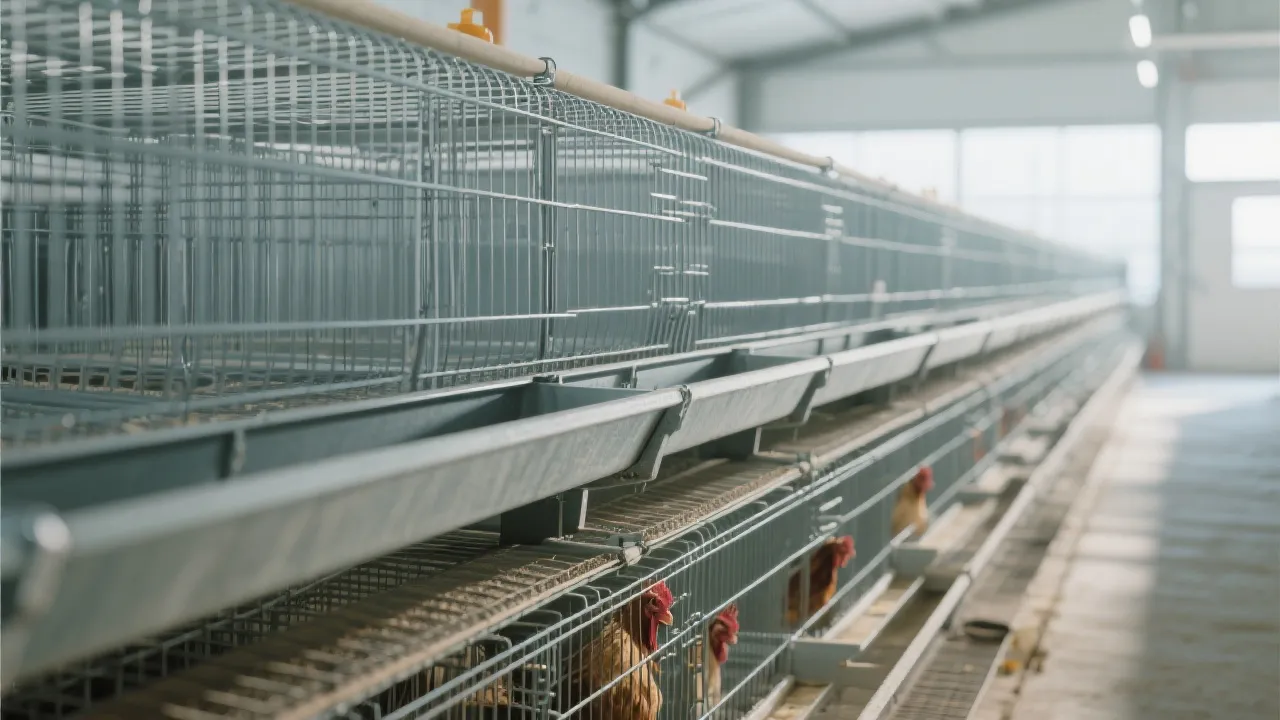
Laying hen houses are often high - humidity and high - corrosion environments. The ventilation and temperature control equipment in such environments is prone to corrosion, which can lead to equipment failure and increased maintenance costs. This is where the aluminum - zinc alloy coating comes into play.
The aluminum - zinc alloy coating has excellent anticorrosion performance. It can form a protective layer on the surface of the equipment, preventing the corrosive substances in the high - humidity environment from attacking the equipment. In practical applications, equipment with this coating has been found to have a lifespan that is 2 - 3 times longer than uncoated equipment. This not only reduces the frequency of equipment replacement but also minimizes production interruptions caused by maintenance, thus indirectly stabilizing the production rhythm.
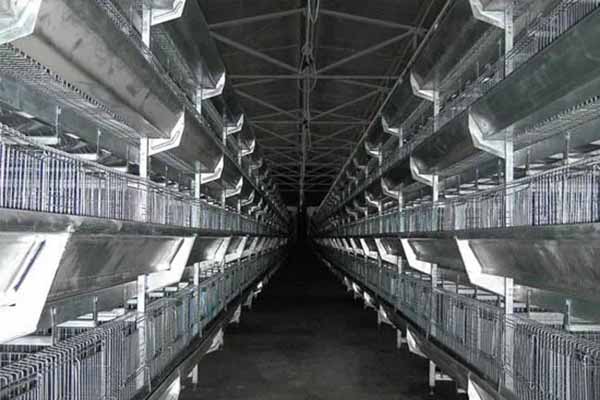
Practical Monitoring and Maintenance Tips
To help farmers better manage the environment in the hen house, we provide some simple detection methods and daily maintenance suggestions. For example, you can use a thermometer and a hygrometer to regularly monitor the temperature and humidity in the hen house. If the temperature fluctuates too much or the humidity is too high, you can adjust the ventilation system accordingly.
As for the equipment with the aluminum - zinc alloy coating, you can visually inspect the coating regularly for any signs of damage. If you notice any scratches or peeling, it's time to take appropriate measures such as touch - up painting. By mastering these basic environment control skills, farmers can improve the quality of eggs and increase their farming income.

Are you facing challenges in maintaining a stable egg production rate in your hen house? Do you want to extend the lifespan of your ventilation and temperature control equipment? Visit our 官网技术专栏 for more in - depth technical information or 预约专家咨询 to get personalized advice and solutions.



Hot Products

.jpg?x-oss-process=image/resize,m_fill,h_800,w_800/format,webp)


Popular articles




READY TO START?
Ready to Build Your Poultry Farm?
Tell us your land size, poultry type and farming capacity. LIVI will provide a complete farm solution for your project.