


Advanced Chicken Cage Equipment for Large-Scale Poultry Farms: Efficiency, Durability & Smart Solutions
Why Smart Egg Hen Cages Are Reshaping Large-Scale Poultry Farms
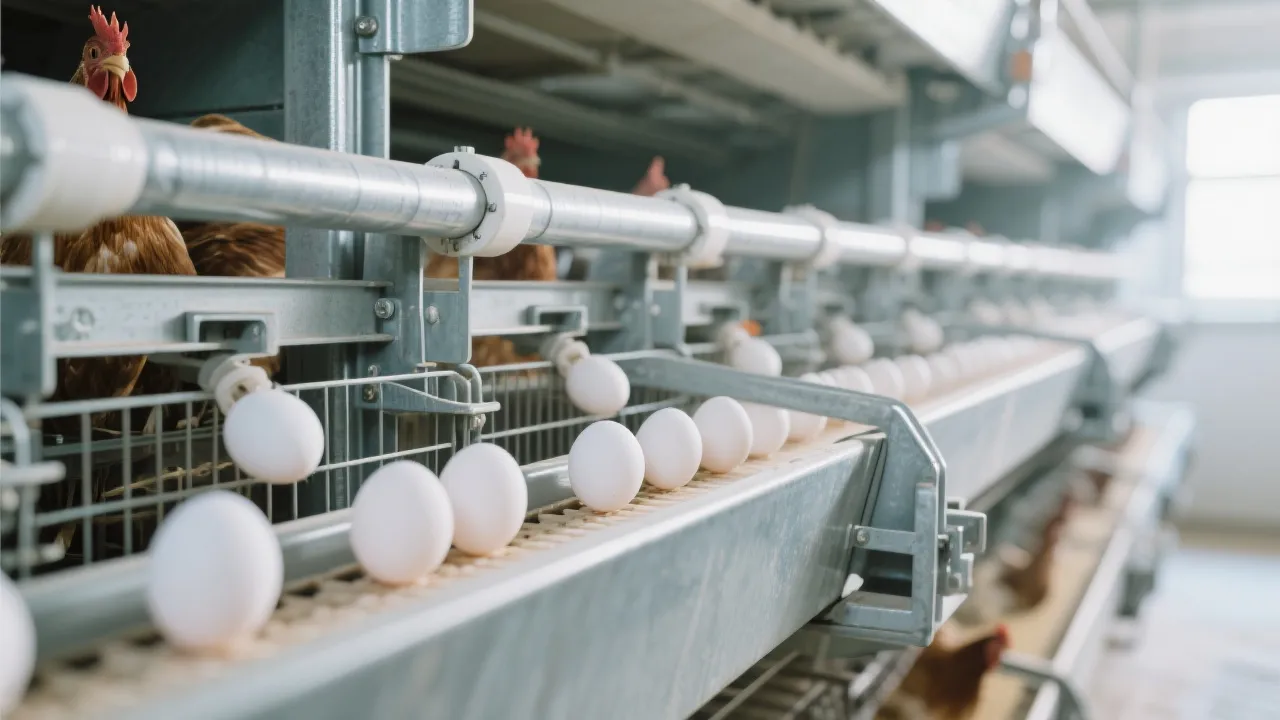
As global demand for high-quality eggs rises, large-scale egg producers are turning to advanced cage systems that deliver both efficiency and animal welfare. Traditional setups often fall short in space utilization, labor costs, and health management—leading to reduced productivity and higher operational risks.
The Hidden Cost of Outdated Equipment
A 2023 study by the International Poultry Association found that farms using standard wire cages experienced an average of 12% lower feed conversion rates compared to those with modern automated systems. Why? Because outdated designs fail to optimize airflow, increase manual handling, and lack real-time monitoring capabilities.
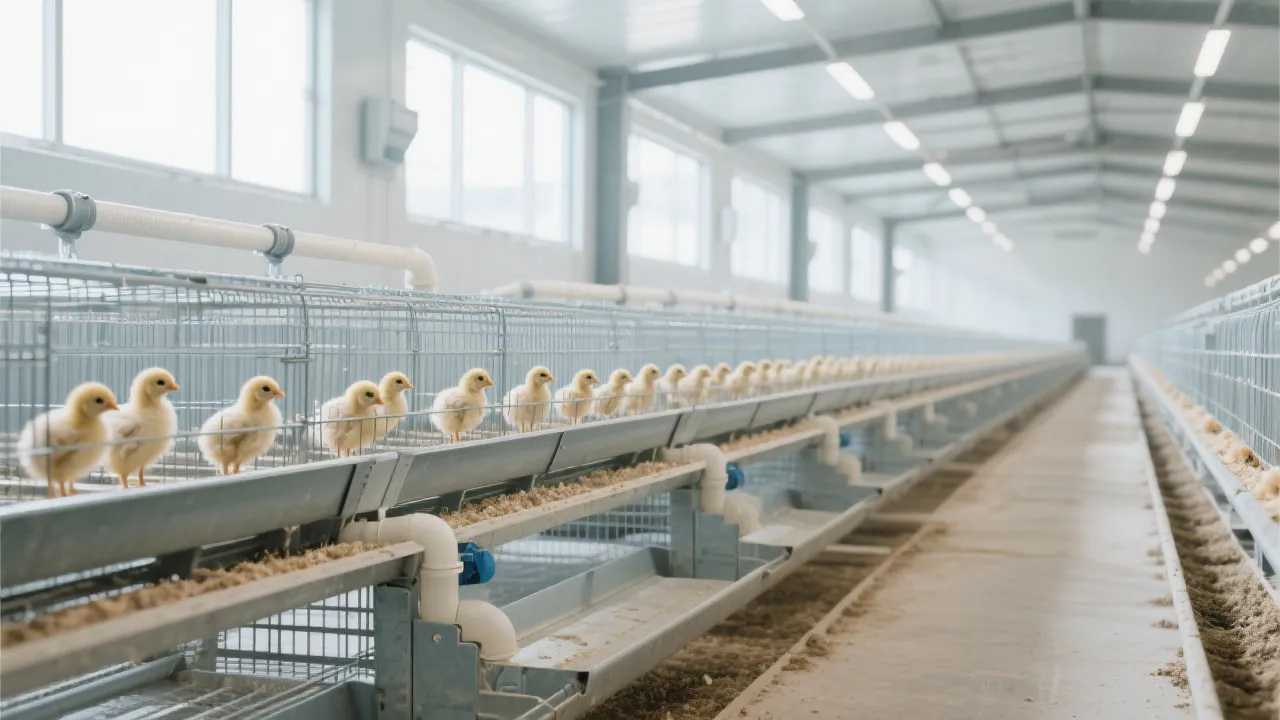
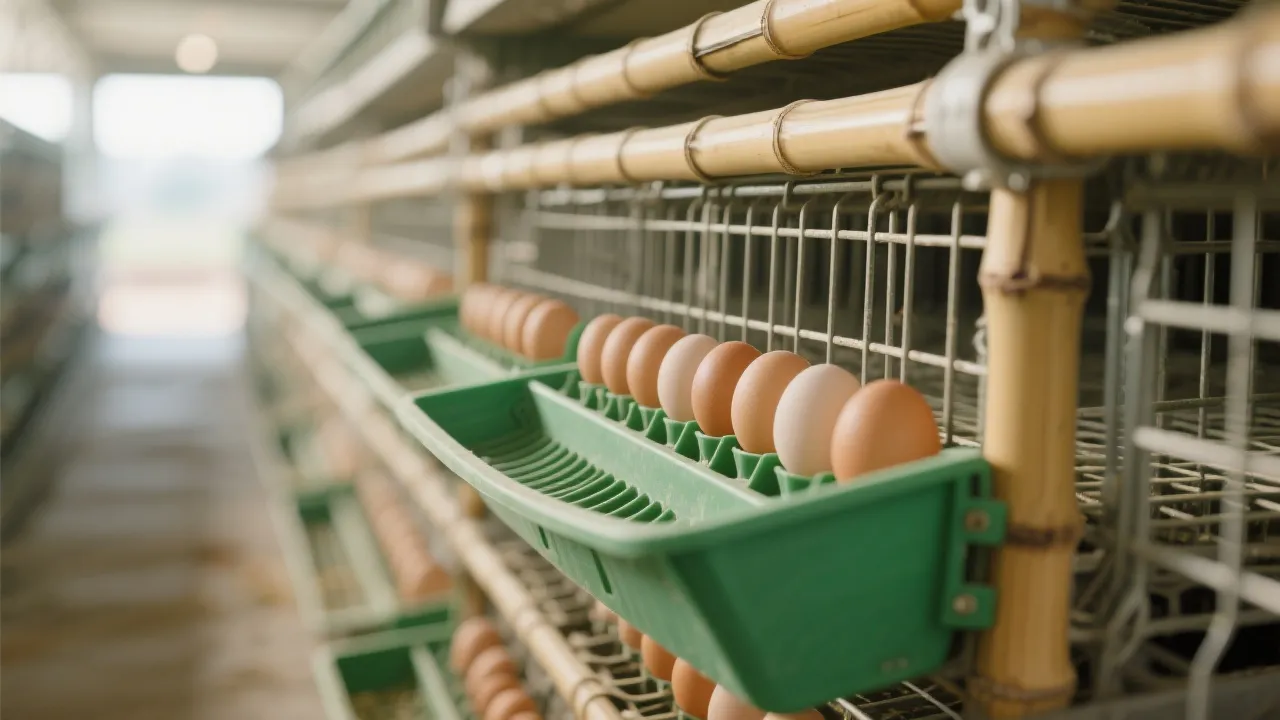
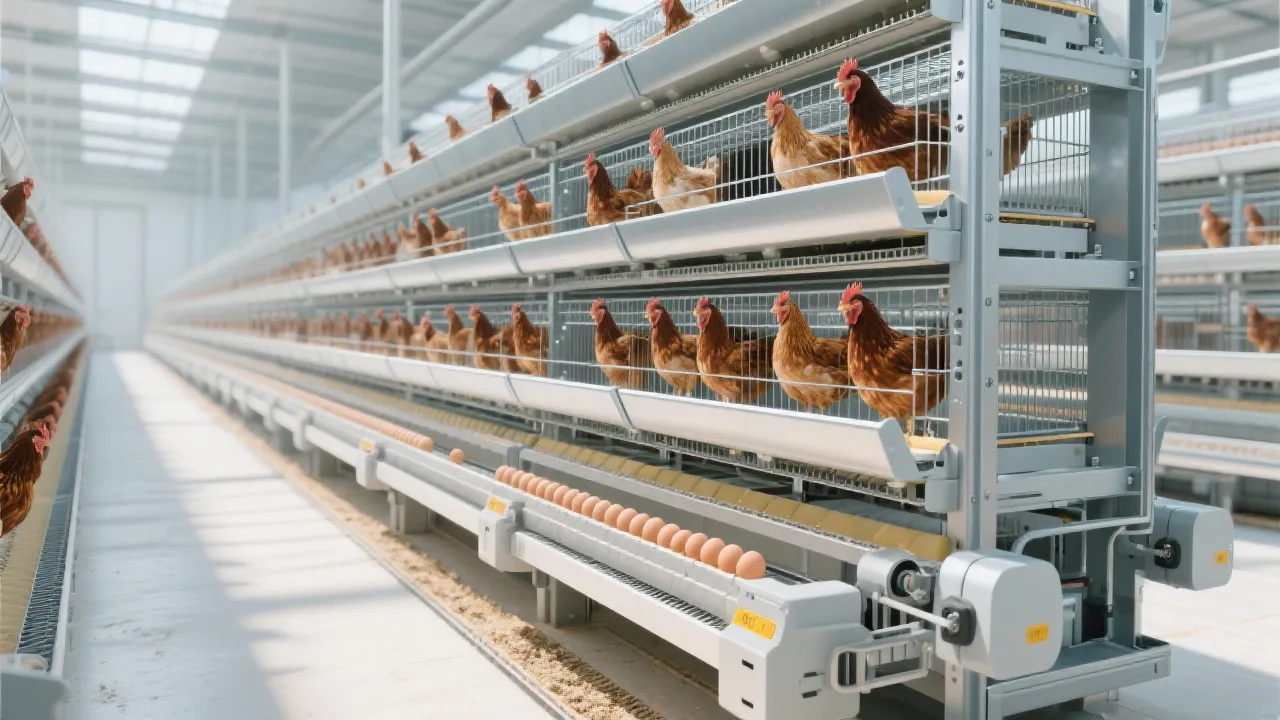
In contrast, innovative solutions like the H-Type Layer Cage from Zhengzhou Livi Machinery offer a compelling alternative—proven in over 300 commercial farms across Asia and Europe. These cages aren’t just durable—they’re engineered for performance at scale.
Key Design Innovations That Matter
- Space Efficiency: H-Type cages reduce footprint by up to 18% versus traditional flat-row models—critical for maximizing barn capacity without compromising bird comfort.
- Material Durability: High-tensile galvanized steel frames resist corrosion even in humid environments, extending equipment life from ~5 years (standard) to 8–10 years (premium).
- Automated Waste Removal: Integrated belt systems cut daily labor needs by 40%, allowing staff to focus on health checks rather than cleaning tasks.
One farm in Poland reported a 15% increase in egg production within three months after switching to this system—attributed largely to improved ventilation and reduced stress levels among hens.
Health First: Ventilation Meets Precision Control
Modern cages integrate passive and active ventilation strategies—such as adjustable air channels and temperature sensors—to maintain optimal conditions between 18°C–24°C. This isn't just about comfort—it directly impacts egg quality and disease prevention.
According to data from the European Union’s Animal Welfare Standards, farms implementing climate-controlled housing saw a 30% drop in respiratory illnesses among layers over six months. That translates into fewer antibiotic treatments, lower mortality, and better compliance with export standards.
A Decision That Pays Off
Choosing the right cage isn't just about buying equipment—it's about investing in long-term sustainability. Whether you're expanding your operation or upgrading existing infrastructure, selecting a system designed for scalability, maintenance ease, and compliance will set you apart in competitive markets.
Pro Tip: Before finalizing any purchase, request live case studies from suppliers—including actual energy savings, labor reduction metrics, and uptime records. A credible manufacturer should have no problem sharing verified results.
If you're ready to transform your poultry operation from reactive to proactive, it’s time to explore how intelligent cage design can become your next strategic advantage.




Hot Products

.jpg?x-oss-process=image/resize,m_fill,h_800,w_800/format,webp)


Popular articles





READY TO START?
Ready to Build Your Poultry Farm?
Tell us your land size, poultry type and farming capacity. LIVI will provide a complete farm solution for your project.