


500,000-Layer Poultry Farm in Tanzania: Full Automatic H-Type Layer Cage Solution by LIVI Machinery

500,000-Layer Poultry Farm in Tanzania: Full Automatic H-Type Layer Cage Solution by LIVI Machinery
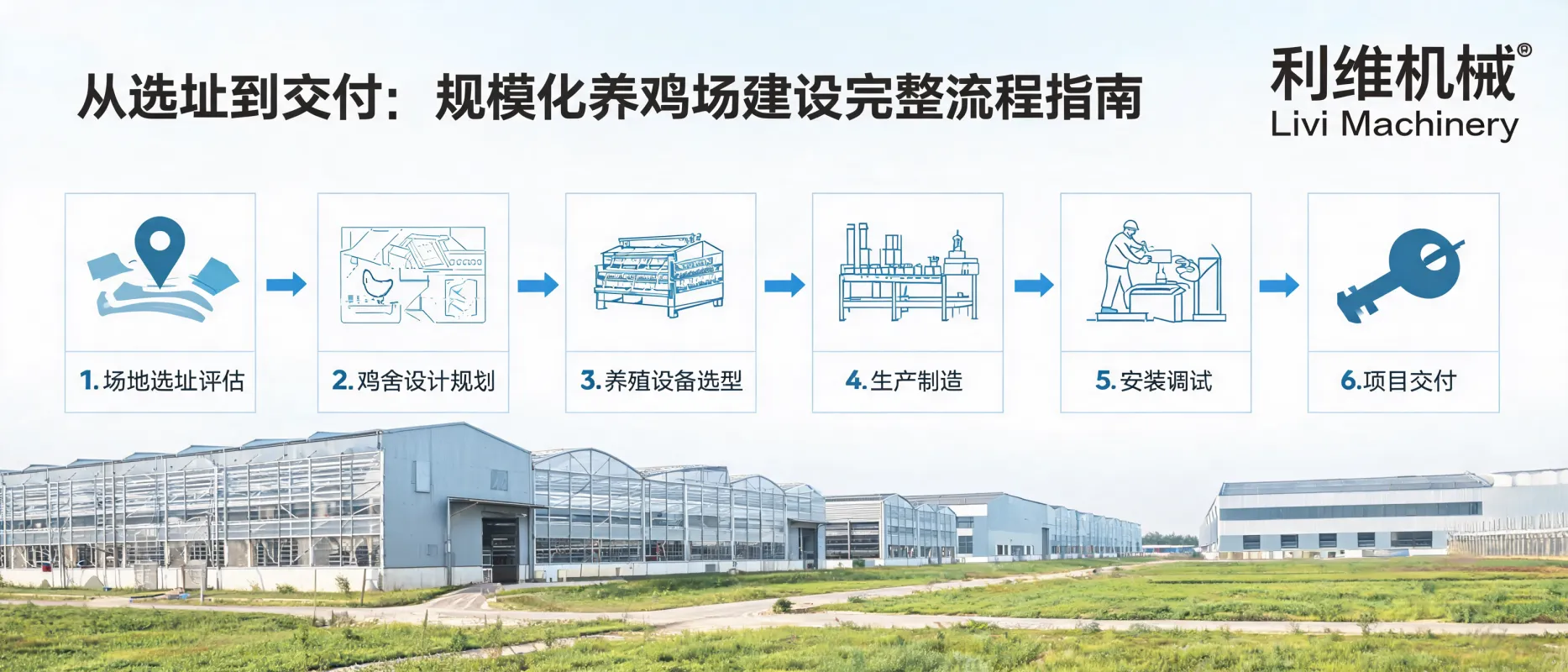
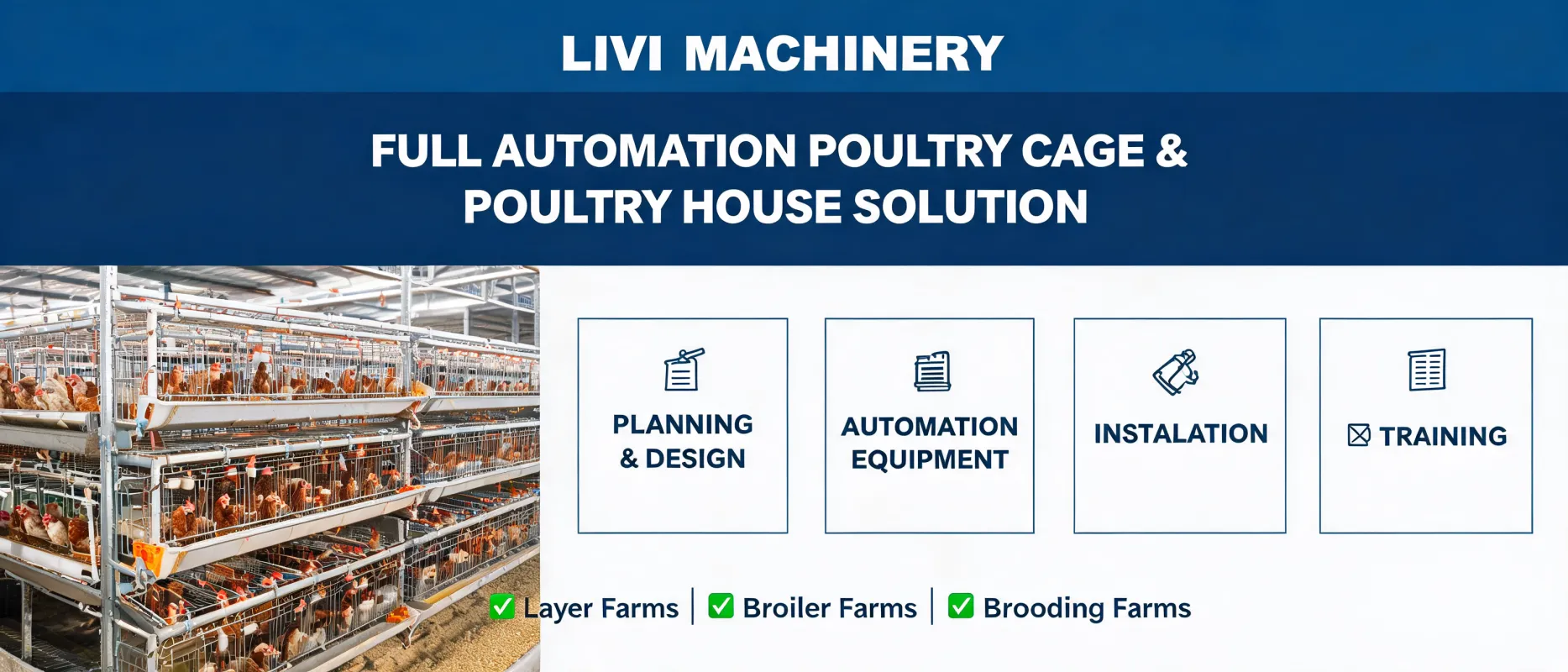
Discover LIVI Machinery’s turnkey project for a 500,000-layer poultry farm in Tanzania. From the farm’s multi-zone planning and H-type layer cage system to complete automation, installation and operator training, LIVI delivers a real world case of large scale, high-density, automated egg production.
Project Background & Client Needs
The project is located in Tanzania with a capacity of 500,000 laying hens. Key drivers included scarcity of land, high labor costs, and demand for higher productivity, better egg collection, and more stable biosecurity. LIVI Machinery was engaged to deliver an H-type layer cage system with full automation: feeding, drinking, manure removal, egg collection and environmental control, supported by detailed site layout and multi-zone house planning. ([livipoultrycage.com](https://www.livipoultrycage.com/news/tanzania-500000-layers-farm-turnkey-solution.html?utm_source=openai))
Solution Overview & Equipment Configuration
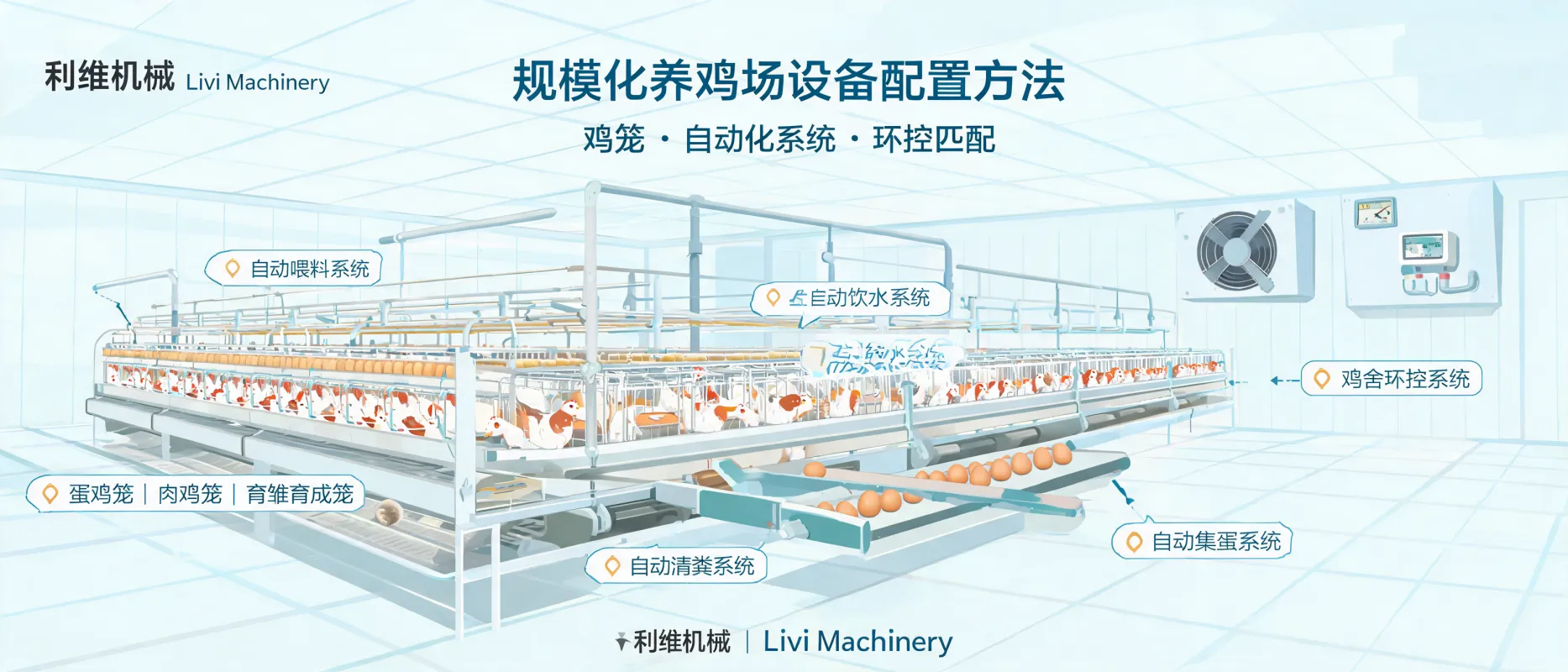
To meet project scale and performance goals, LIVI designed a turnkey solution centered around the H-type system. Key components included:
- H-type layer cages: Multi-tier battery cage layout optimized for high density and efficient vertical space utilization. ([livipoultrycage.com](https://www.livipoultrycage.com/news/tanzania-500000-layers-farm-turnkey-solution.html?utm_source=openai))
- Automatic Feeding & Silo Conveying: Bulk feed silos linked to conveyors, ensuring consistent feed flow. ([livipoultrycage.com](https://www.livipoultrycage.com/news/tanzania-500000-layers-farm-turnkey-solution.html?utm_source=openai))
- Automatic Drinking System: Nipple drinkers with pressure filtering to maintain hygiene. ([livipoultrycage.com](https://www.livipoultrycage.com/news/tanzania-500000-layers-farm-turnkey-solution.html?utm_source=openai))
- Automatic Manure Removal: Belt or scraper manure belts to regularly discharge waste, improving air quality. ([livipoultrycage.com](https://www.livipoultrycage.com/news/tanzania-500000-layers-farm-turnkey-solution.html?utm_source=openai))
- Automatic Egg Collection: Central conveyor belts collecting eggs from all zones, reducing manual labor. ([livipoultrycage.com](https://www.livipoultrycage.com/news/tanzania-500000-layers-farm-turnkey-solution.html?utm_source=openai))
- Environmental Control Integration: Ventilation, cooling pads, sensors, and controllers tailored to Tanzania’s high-temperature and variable climate. ([livipoultrycage.com](https://www.livipoultrycage.com/news/tanzania-500000-layers-farm-turnkey-solution.html?utm_source=openai))
Design & Layout Considerations at 500,000-Layer Scale
Building a farm of this magnitude requires more than typical dimensions. LIVI’s planning addressed:
- Multi-zone Houses: Dividing capacity across several poultry houses to ease ventilation, access, and biosecurity.
- Service Lanes & Access Corridors: Allowing maintenance, cleaning, and equipment movement without disturbing hens and disrupting workflows. ([livipoultrycage.com](https://www.livipoultrycage.com/news/tanzania-500000-layers-farm-turnkey-solution.html?utm_source=openai))
- Reserved Upgrade Margins: Space and structural provisions for future extension or upgrading of automation, such as adding alternate feed conveyors or egg grading. ([livipoultrycage.com](https://www.livipoultrycage.com/news/tanzania-500000-layers-farm-turnkey-solution.html?utm_source=openai))
- Climate Adaptive Elements: Orientation, insulation, roof design, and cooling pads to mitigate Tanzania’s heat stress challenges. Power backup and reliable utilities were also planning priorities. ([tobetterm.com](https://www.tobetterm.com/news/2026/zero-to-30000-layers-tanzania-budget-bre.html?utm_source=openai))
Cost Drivers & Investment Highlights
While the public source does not publish exact total CAPEX, cost drivers likely include:
- Scale of cage system (number of tiers, rows, breeder type)
- Automation depth (fully-automatic feeding, egg belt, manure belt vs semi-automatic or manual components)
- Quality of materials (hot-dip galvanization, steel grade, corrosion protection) especially important in tropical climates. ([poultryfarmbusinessplan.com](https://www.poultryfarmbusinessplan.com/news/news/automatic-poultry-cage-system-cost-6-budget-levels.html?utm_source=openai))
- Farmhouse construction costs: foundations, steel structure, roof insulation, concrete flooring, ventilation infrastructure etc. ([livicages.com](https://www.livicages.com/modern-h-type-layer-battery-cages-for-30000-layers-in-tanzania-commercial-poultry-farming/?utm_source=openai))
- Logistics: container packing, shipping to port, inland transport, customs & duties. ([poultrycages.net](https://www.poultrycages.net/chicken-battery-cage-price-for-20000-layers-in-tanzania/?utm_source=openai))
- Operational readiness: staff training, spare parts, backup power/water systems. ([tobetterm.com](https://www.tobetterm.com/news/2026/zero-to-30000-layers-tanzania-budget-bre.html?utm_source=openai))
For smaller benchmarks: a 20,000-bird H-type fully automated layer cage system in Tanzania often costs between US$44,000–57,000 just for the cage and feeding/drinking/manure/egg systems, before housing or land cost. ([poultrycages.net](https://www.poultrycages.net/chicken-battery-cage-price-for-20000-layers-in-tanzania/?utm_source=openai))
What Clients Should Know Before Starting
To ensure your 500,000-layer project succeeds, LIVI recommends gathering and preparing the following before requesting a quotation:
- Land & Chicken House Dimensions: Total area, layout plan, building height, orientation.
- Bird Type & Daily Production Goal: Egg type, layers’ age, target laying rate.
- Automation Requirements: Which subsystems are needed (feeding, drinking, manure removal, egg belt, environment controls).
- Budget Range & Financing: Including contingency for transport and customs.
- Climate & Utilities Infrastructure: Average temperature/humidity, electricity reliability, backup generators, water quality.
When H-Type May Not Be the Best Fit
Although H-type systems excel at scale, there are conditions where alternative or phased approaches are more suitable:
- Limited initial budget – A-type or semi-automatic H-type may offer lower entry cost.
- Land is plentiful and cost is low – A-type systems may be preferable if density per m² is less important.
- Unreliable power supply – Automation requires stable electricity; backup systems and manual fallback needed.
- Low labor cost regions – savings from automation are less pronounced if labor is cheap.
- Small farms (<10,000 layers) – simpler systems tend to offer better ROI early on.
For your own poultry project in Tanzania—or elsewhere—send LIVI Machinery your country, city, project type (layer or broiler), target bird quantity, chicken house size or land dimensions, and desired automation level. You'll receive a customized layout proposal, a detailed equipment configuration list, and estimated shipping/installation cost so you can assess feasibility before investing.


Hot Products

.jpg?x-oss-process=image/resize,m_fill,h_800,w_800/format,webp)


Popular articles


READY TO START?
Ready to Build Your Poultry Farm?
Tell us your land size, poultry type and farming capacity. LIVI will provide a complete farm solution for your project.