


30,000 Layers Poultry Farm Design in Zambia: A-Type vs H-Type Cage Solution

Zambia Poultry Farm Design Solution
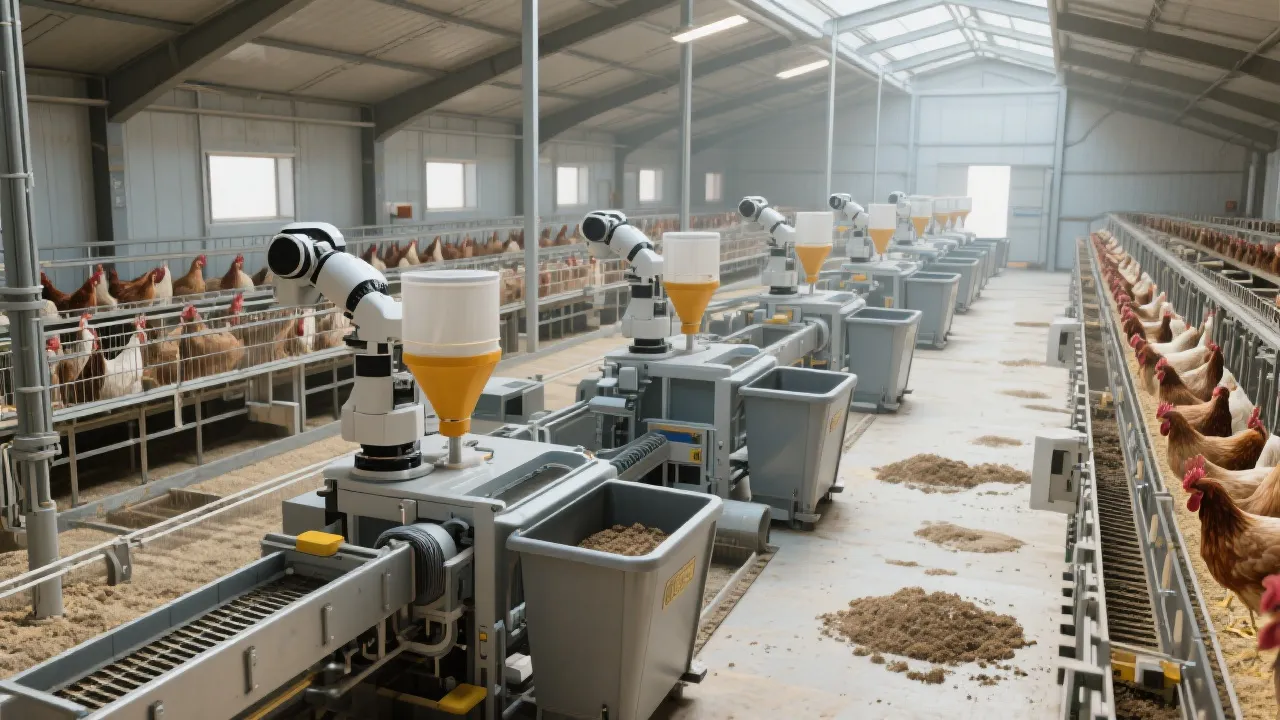
Zambia 30,000 Layers Poultry Farm Design with A-Type or H-type chicken cage Equipment
For a 30,000-layer poultry farm in Zambia, both A-type and H-type layer cage systems can be used. The A-type layer cage is suitable for farmers who want a lower initial investment and easier open-house ventilation. The H-type layer cage is more suitable for farmers who want higher stocking density, stronger automation, lower labor dependence and future expansion.
What Is the Best Cage System for 30,000 Layers in Zambia?
The recommended solution is a 4-tier H-type layer cage system if the farm owner wants automatic feeding, automatic egg collection, belt manure removal and efficient house management. For 30,000 layers, a practical H-type design can use about 160 sets of 4-tier 4-door H-type cages, with a designed capacity of about 30,720 birds.
If the customer has a smaller budget or prefers easier maintenance, the A-type solution can use about 188 sets of 4-tier 5-door A-type cages, with a designed capacity of about 30,080 birds. The final choice should depend on land size, house width, power stability, labor cost and future expansion plan.
Farm Capacity
30,000 commercial layers with 1–3% spare cage capacity for practical flock management.
Recommended System
H-type 4-tier cage with automatic feeding, drinking, egg collection, manure removal and ventilation.
Labor Reference
With automation, 1–2 workers can manage feeding, egg collection and manure removal more efficiently.
Expansion Direction
The layout can reserve space for future expansion to 50,000–60,000 layers.
Project Data for the 30,000 Layers Farm in Zambia
| Country | Zambia |
| Farm Scale | 30,000 laying hens |
| Optional Cage Type | A-type layer cage or H-type layer cage |
| Main Equipment | layer cages, automatic feeding, nipple drinking, egg collection, manure removal, ventilation and control system |
| Design Goal | Reduce labor, improve egg collection efficiency, control manure and reserve expansion space |
A-Type or H-Type Cage: Which Is Better for 30,000 Layers?
For a 30,000-layer farm in Zambia, A-type cages and H-type cages solve different problems. A-type cages reduce the initial equipment budget and are easier for farmers upgrading from floor farming. H-type cages save more land and are more suitable for automatic and intensive poultry farming.
| Item | A-Type Layer Cage Solution | H-Type Layer Cage Solution |
|---|---|---|
| Best For | Medium farms, lower budget, easier operation | Commercial farms, higher density, automation and expansion |
| Reference Model | 4-tier 5-door A-type cage | 4-tier 4-door H-type cage |
| Capacity per Set | 160 birds/set | 192 birds/set |
| Estimated Sets for 30,000 Layers | 188 sets, about 30,080 birds | 160 sets, about 30,720 birds |
| Land Use | Requires more house width and floor area | Higher density, better space utilization |
| Automation Match | Automatic feeding, drinking, manure removal and optional egg collection | Full automatic feeding, drinking, egg collection, manure removal and environmental control |
Option 1: A-Type Layer Cage Design for 30,000 Layers
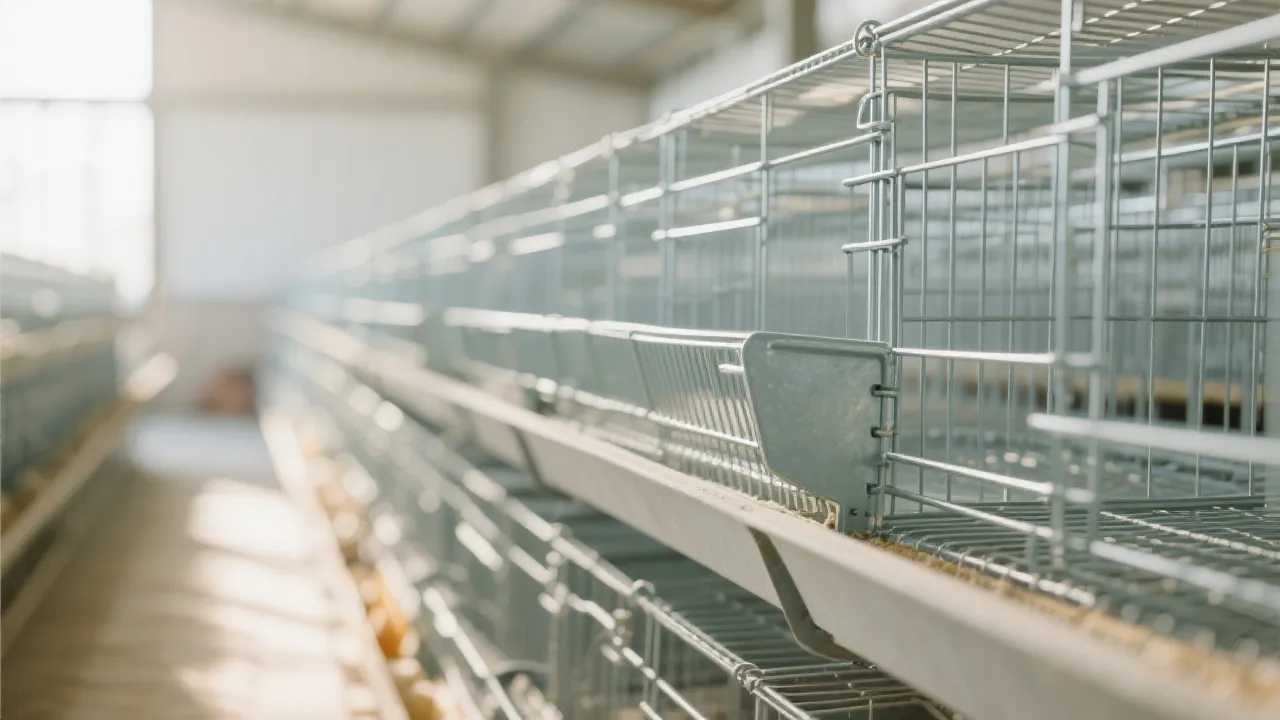
The A-type layer cage solution is suitable for Zambian farmers who want to control the first-stage investment. The recommended model is the Livi A-Type Layer Cage with 4 tiers and 5 doors, holding about 160 birds per set. For 30,000 layers, the design needs about 188 cage sets.
- 188 sets of A-type 4-tier 5-door layer cages
- Designed capacity: about 30,080 birds
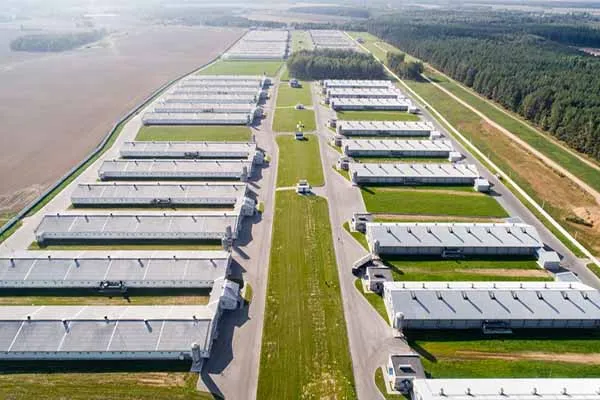
- Suggested house size: about 95–105 m long, 14–16 m wide, 3.5–4.2 m high
- Suitable for natural ventilation plus mechanical ventilation support
- Better for farms with enough land and moderate automation budget
The main advantage of the A-type system is simple structure and convenient management. Workers can inspect chickens, feed troughs, drinking nipples and egg belts more easily. For farms that are moving from floor farming to cage farming, A-type cages
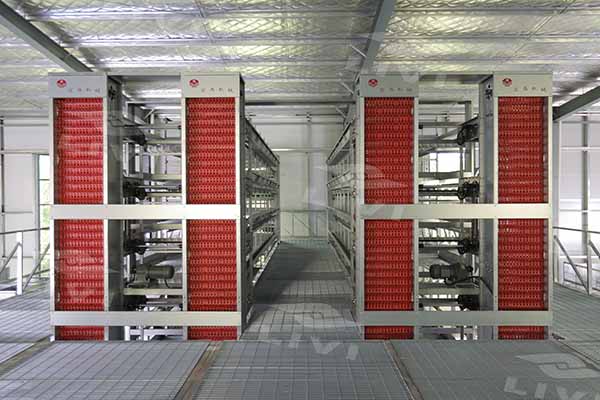
are often easier to understand and maintain.
Option 2: H-Type Layer Cage Design for 30,000 Layers
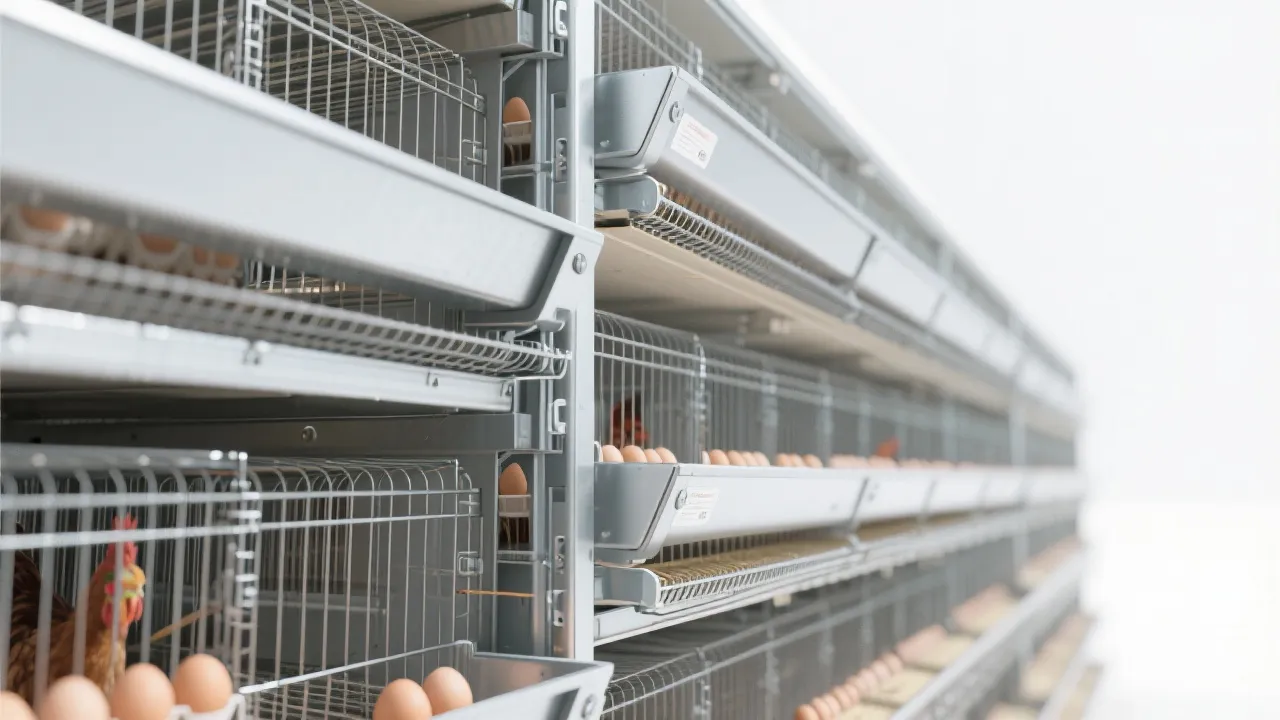
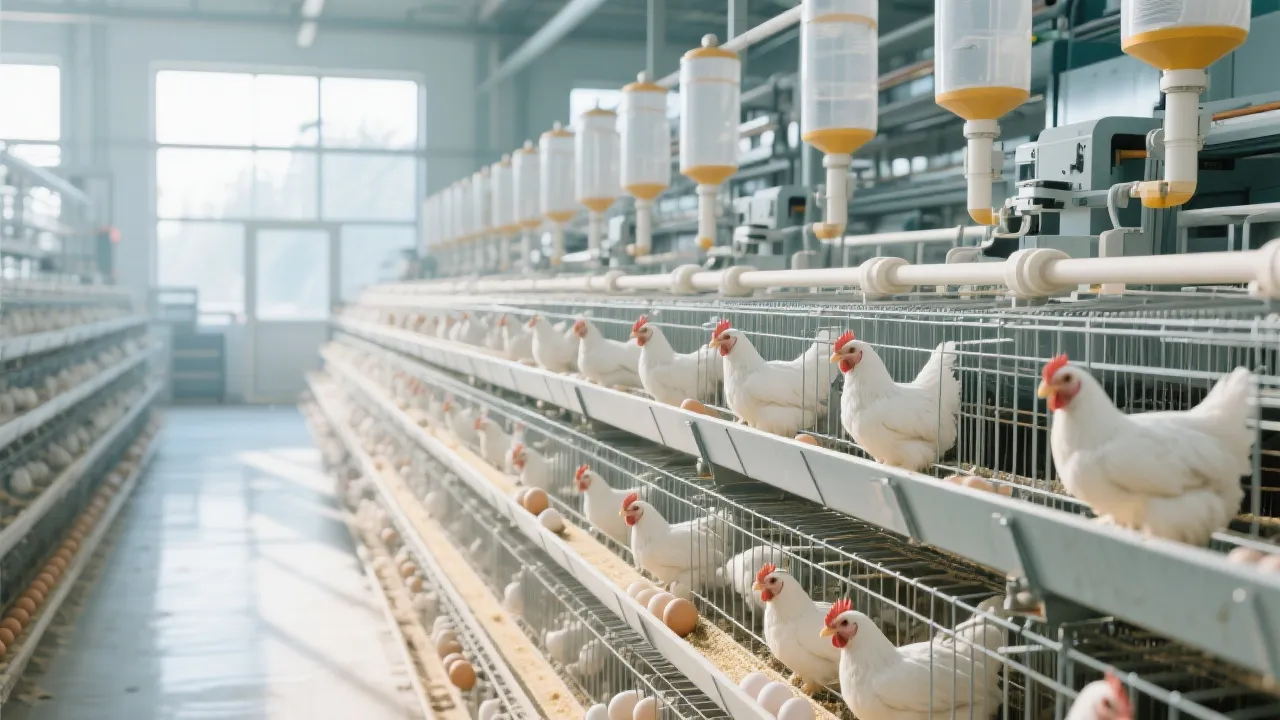
The H-type layer cage solution is recommended when the farm owner wants higher density and a more modern automatic poultry farm. The Livi H-Type Cage System can be matched with automatic feeding, automatic egg collection, belt manure removal, nipple drinking and environmental control.
- 160 sets of H-type 4-tier 4-door layer cages
- Designed capacity: about 30,720 birds
- Suggested house size: about 80–90 m long, 12–14 m wide, 4.2–4.8 m high
- Better for automatic egg collection and centralized manure removal
- Recommended when future expansion to 50,000+ layers is planned
The H-type system uses vertical space more efficiently than A-type cages. For Zambia poultry farms where land, labor and construction costs are increasing, H-type cages can reduce the required building area and improve daily management efficiency.
What Automatic Equipment Is Included in the 30,000 Layers Design?
Automatic Feeding System
Feeds are delivered evenly to each trough. The feeding amount can be adjusted to reduce feed waste and keep flock growth more uniform.
Automatic Drinking System
Nipple drinking lines with pressure regulation help provide clean water and reduce leakage inside the chicken house.
Automatic Egg Collection System
Egg belts and elevator egg collection reduce manual handling and help keep the egg breakage rate low.
Automatic Manure Removal System
Belt manure removal keeps the house cleaner, reduces ammonia accumulation and improves the daily working environment.
How Should the Chicken House Be Designed in Zambia?
Zambia has hot seasons, rainy seasons and areas with strong daytime temperature changes. The chicken house design should focus on airflow, manure discharge, drinking water stability and easy daily inspection.
| Design Point | Recommended Practice |
|---|---|
| House Direction | Keep the long side of the house favorable for ventilation and avoid direct heat accumulation. |
| Ventilation | Use side inlets, exhaust fans and cooling pads according to local temperature and humidity. |
| Manure Channel | Reserve enough space at the manure end for belt discharge, collection and transport. |
| Worker Aisle | Keep central and side aisles wide enough for inspection, vaccination and maintenance. |
| Power Backup | Prepare generator or backup power for fans, feeding, egg collection and drinking systems. |
Daily Operation SOP for a 30,000 Layers Cage Farm
- Morning inspection: Check temperature, humidity, water pressure, feed level and abnormal chicken behavior.
- Feeding control: Start automatic feeding according to the feed schedule and observe whether feed distribution is even.
- Egg collection: Run the Livi Automatic Egg Collection System at fixed times to reduce egg collision and manual handling.
- Manure removal: Run belt manure removal regularly to reduce ammonia and improve house hygiene.
- Ventilation adjustment: Increase fan operation during hot hours and control air inlets during cooler periods.
- Evening check: Confirm water lines, cage doors, belts, motors and control cabinets before night operation.
What Cost Items Should Be Planned for a 30,000 Layers Farm?
The investment for a 30,000-layer poultry farm in Zambia is not only the cage price. A practical budget should include cage system, automatic equipment, chicken house construction, ventilation, installation, shipping and backup power.
| Cost Item | Why It Matters |
|---|---|
| Layer Cage System | Determines farm capacity, bird comfort, land use and long-term durability. |
| Automatic Equipment | Reduces labor cost and improves feeding, egg collection and manure management efficiency. |
| Chicken House | Affects ventilation, temperature control, disease prevention and equipment layout. |
| Shipping and Customs | Should be calculated according to cage quantity, container loading plan and Zambia delivery route. |
| Installation and Training | Correct installation reduces belt deviation, water leakage and motor failure risk. |
Recommended Solution for the Zambia Customer
If the customer plans to raise 30,000 layers first and expand later, the recommended configuration is the Livi H-Type Cage System with automatic feeding, automatic drinking, automatic egg collection, belt manure removal and ventilation control.
This solution uses less land than A-type cages, reduces manual egg handling, keeps manure management more systematic and gives the farm a clearer path for future expansion to 50,000 or 60,000 layers.
FAQ About Zambia 30,000 Layers Poultry Farm Design
How many A-type cages are needed for 30,000 layers?
Using a 4-tier 5-door A-type cage with 160 birds per set, about 188 sets are needed. The designed capacity is about 30,080 birds, which is suitable for a 30,000-layer commercial farm.
How many H-type cages are needed for 30,000 layers?
Using a 4-tier 4-door H-type cage with 192 birds per set, about 157 sets can meet 30,000 birds. In practical layout design, 160 sets are recommended, giving about 30,720 birds of capacity.
Is A-type or H-type better for Zambia?
A-type is better for lower initial investment and easier maintenance. H-type is better for high-density farming, full automation and future expansion. For 30,000 layers, H-type is usually recommended if the customer wants a modern automatic farm.
What equipment is necessary for a 30,000-layer farm?
The necessary equipment includes layer cages, automatic feeding system, nipple drinking system, egg collection system, manure removal system, ventilation fans, cooling pads, lighting and an environmental control cabinet.
Can the farm be expanded later?
Yes. The house layout can reserve land, manure discharge space, feed storage position and electrical capacity for future expansion. H-type cages are more suitable if the customer plans to expand from 30,000 to 50,000 or more layers.
Get a Custom 30,000 Layers Farm Layout for Zambia
If you are planning to build a 10,000–100,000 layers poultry farm, Livi Machinery can provide customized cage layouts, automatic equipment configuration and installation guidance based on your local climate, land size and chicken house dimensions.



Hot Products

.jpg?x-oss-process=image/resize,m_fill,h_800,w_800/format,webp)


Popular articles



READY TO START?
Ready to Build Your Poultry Farm?
Tell us your land size, poultry type and farming capacity. LIVI will provide a complete farm solution for your project.