


Analysis of 2024 Laying Hen Farming Industry Trends and the Impact of Scientific Rearing Environment on Export Quality
2024 Egg Chicken Farming Industry Trends and the Impact of Scientific Rearing Environment on Export Quality
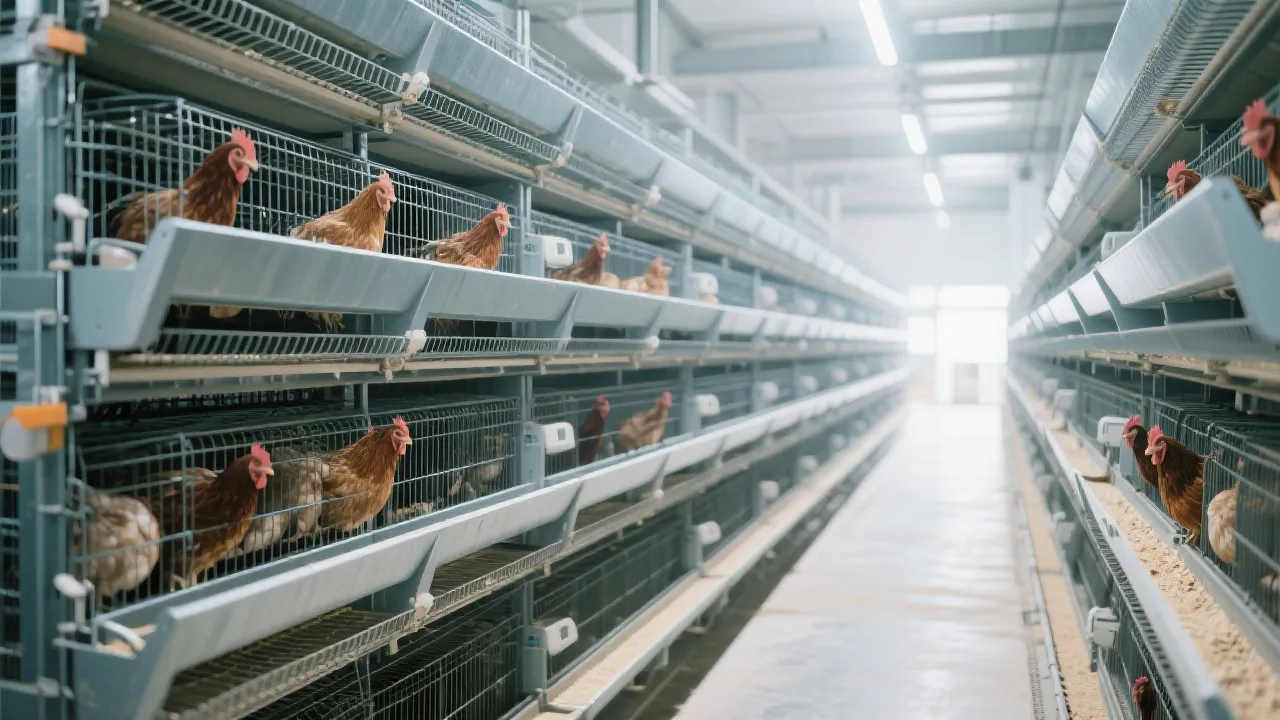
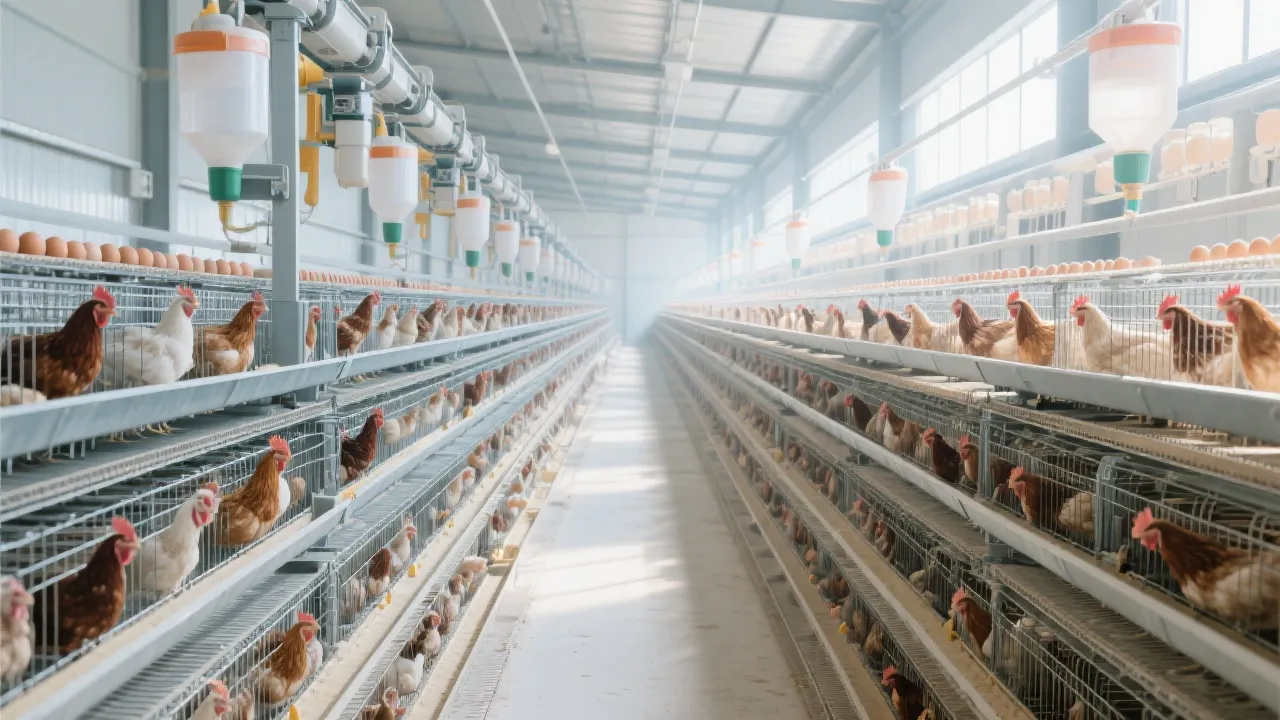
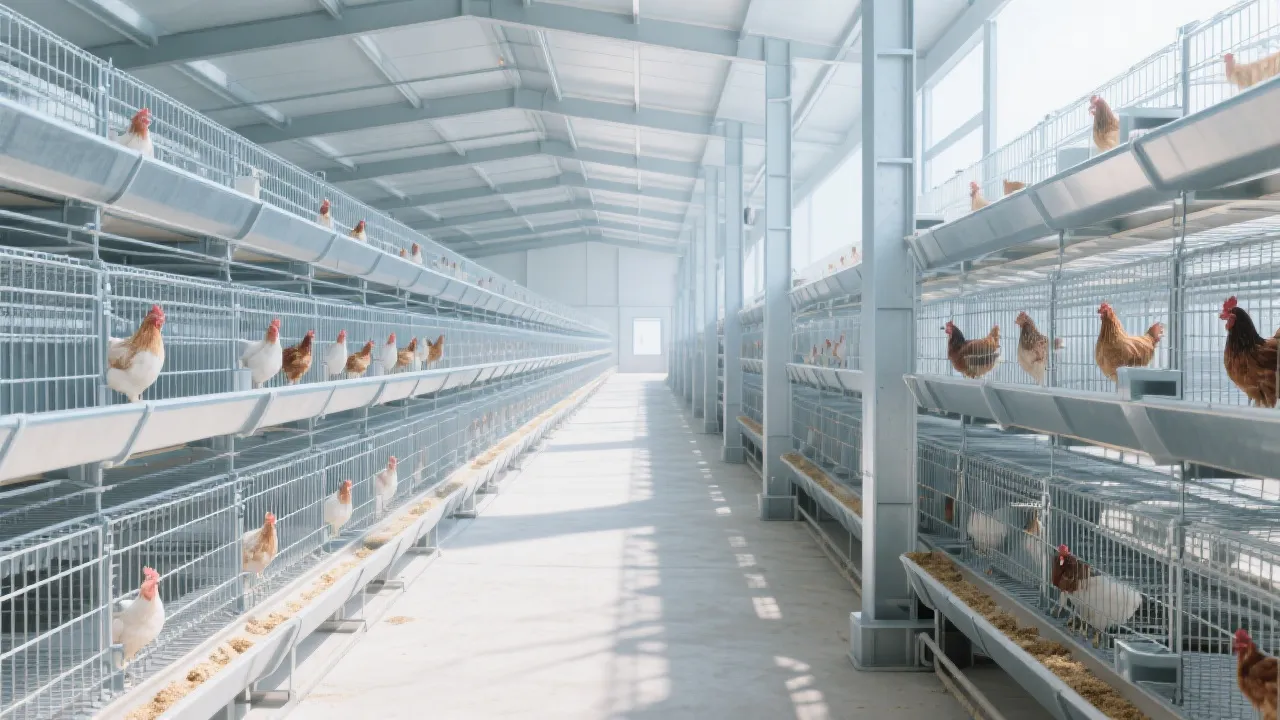
In 2024, the egg chicken farming industry is constantly innovating. A scientific rearing environment has become the key to improving the health of egg - laying hens and their egg - laying efficiency. This article systematically analyzes the design of ventilation systems, temperature control, the selection of durable cage materials, and the coordinated application of automated equipment, and clarifies how to improve egg quality and economic benefits by optimizing the environment of egg chicken farms.
Industry Data and the Importance of Scientific Rearing
According to industry statistics, in well - managed farms with scientific rearing environments, the egg production rate of hens can be increased by about 15% compared to traditional farms. For example, a large - scale egg chicken farm in the United States increased its annual egg production from 10 million to 11.5 million after optimizing its ventilation and temperature control systems. This shows that a scientific rearing environment can significantly improve the productivity of egg chicken farms.
Core Technologies in Scientific Rearing
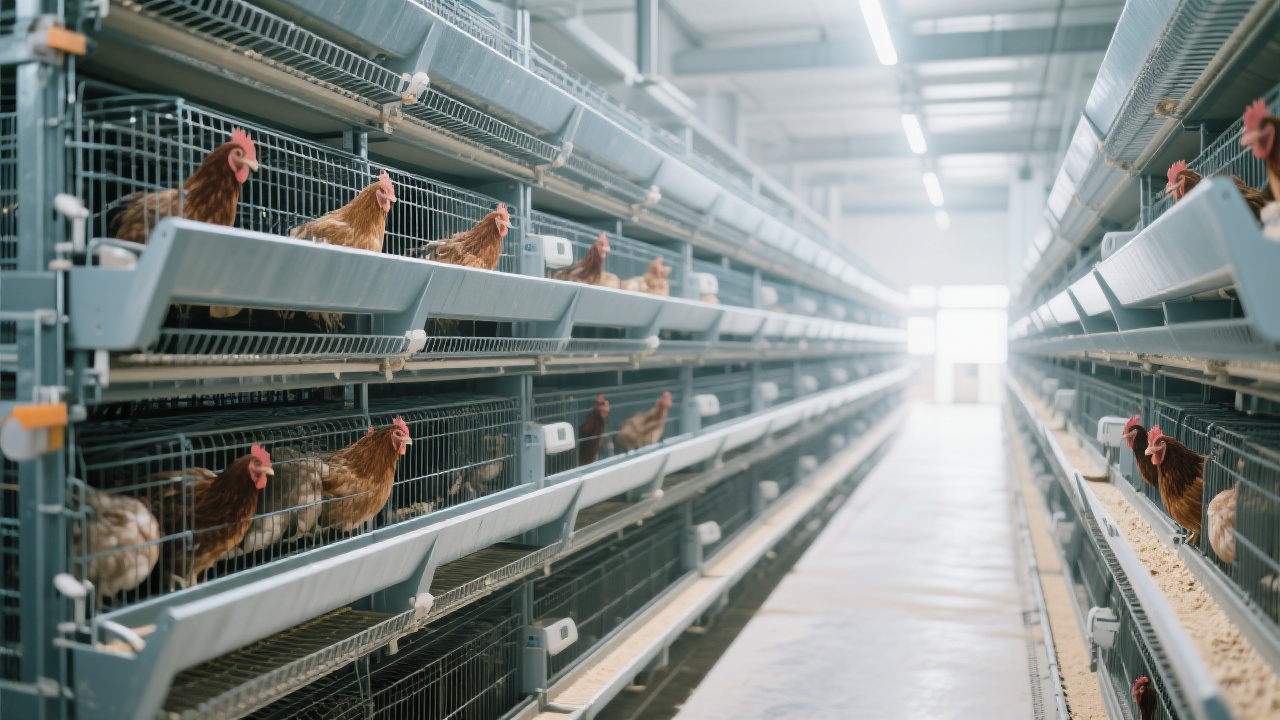
Ventilation System Design: A good ventilation system can effectively remove harmful gases such as ammonia and carbon dioxide from the chicken house, and maintain fresh air. Research shows that by properly adjusting the ventilation volume according to the number of chickens and the season, the incidence of respiratory diseases in hens can be reduced by 20%.
Temperature Control: Egg - laying hens are very sensitive to temperature. The optimal temperature for egg - laying is between 18 - 23°C. In winter, proper heating can increase the egg - laying rate by about 10%, while in summer, effective cooling measures can prevent heat stress and maintain stable egg production.
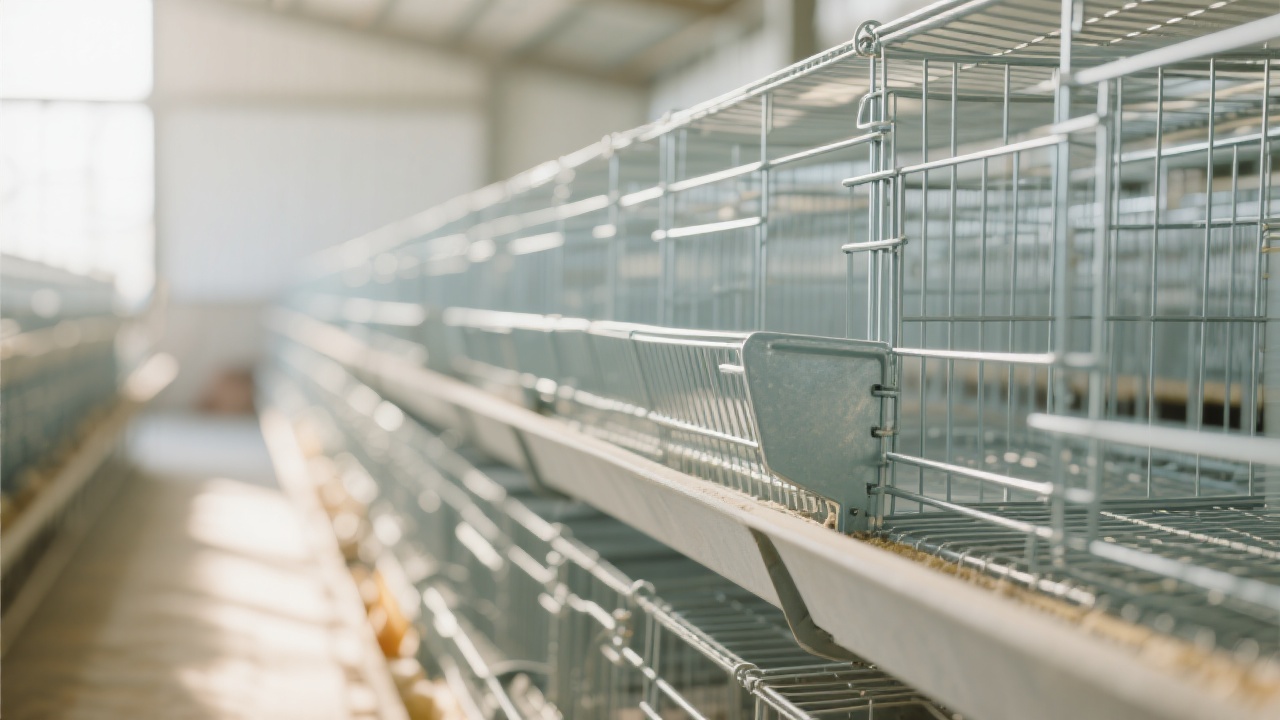
Durable Cage Materials: High - quality cage materials can ensure the comfort and health of hens. For example, cages made of anti - corrosion and smooth - surface materials can reduce the risk of skin injuries and infections in hens, thereby improving their overall health and egg - laying quality.
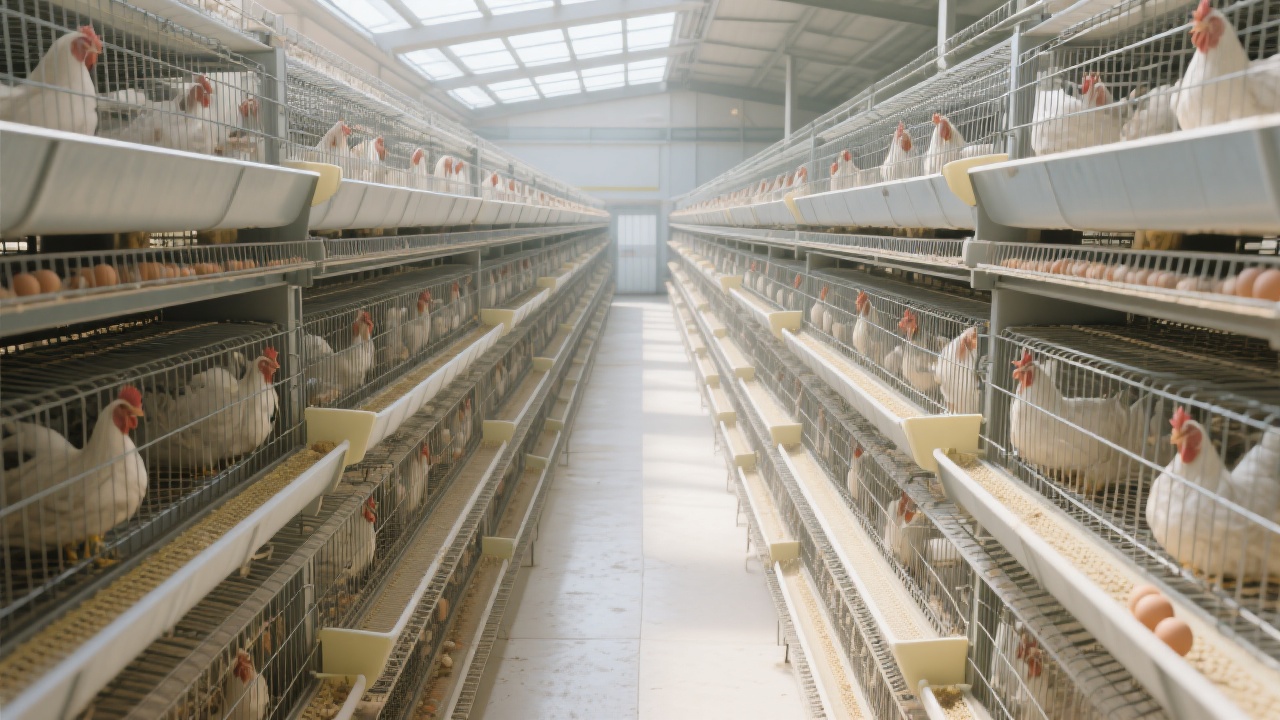
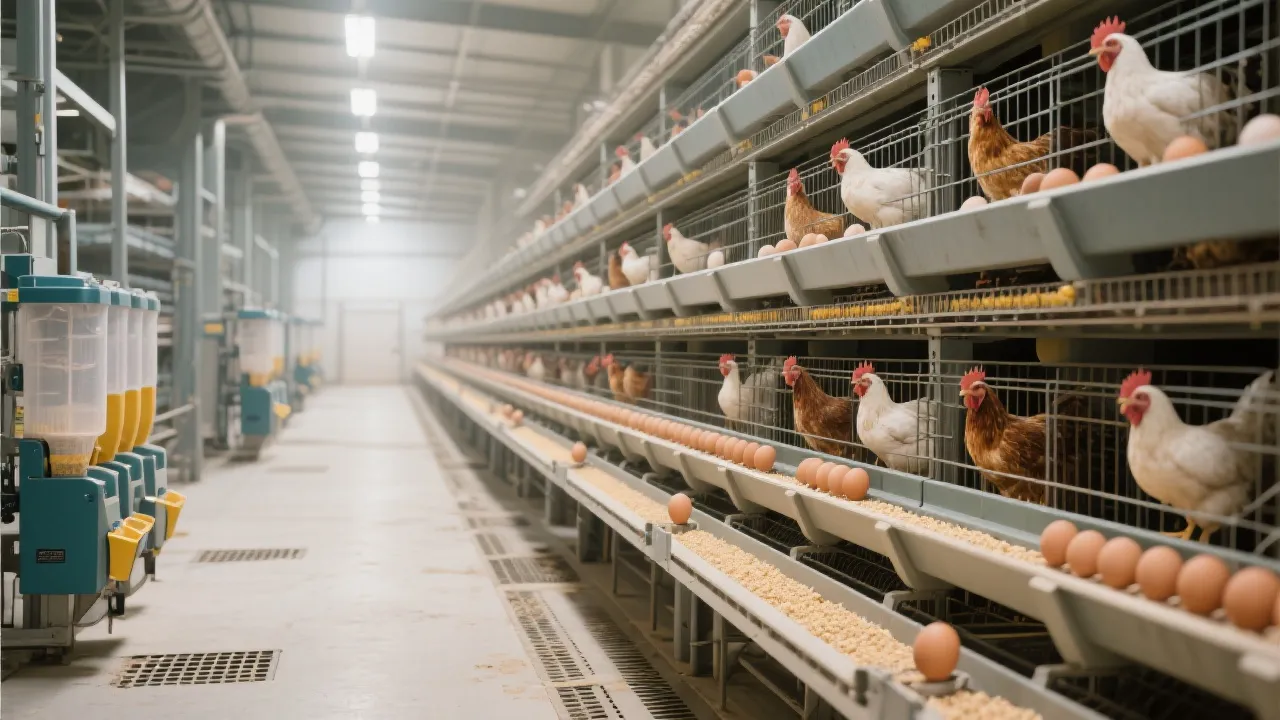
Automated Equipment: The use of automated equipment such as automatic feeding, watering, and egg - collection systems can improve the efficiency of farm management. It can reduce labor costs by about 30% and ensure more accurate feeding and care for hens.
Seasonal Adjustments in Rearing Environment
In spring, with the increase in temperature, the ventilation volume of the chicken house should be gradually increased to prevent the growth of bacteria. In summer, cooling measures such as installing fans and sprinkler systems are necessary. In autumn, as the temperature drops, insulation work should be done well. In winter, heating systems should be fully utilized to maintain the appropriate temperature in the chicken house.
Expert Insights
"A scientific rearing environment is not only about improving the current production efficiency but also about ensuring the long - term sustainable development of egg chicken farms. All aspects of the environment need to be coordinated and optimized," said Dr. John Smith, a well - known expert in the egg chicken farming industry.
To help you better manage your egg chicken farm, we provide a practical environment self - check list in PDF format for free download. This list will help you quickly identify and solve potential problems in your farm environment.
Are you looking for a more intelligent and efficient way to manage your egg chicken farm? More about intelligent environment control solutions can be found in our technical white paper. Click the link to explore more!



Hot Products

.jpg?x-oss-process=image/resize,m_fill,h_800,w_800/format,webp)


Popular articles






READY TO START?
Ready to Build Your Poultry Farm?
Tell us your land size, poultry type and farming capacity. LIVI will provide a complete farm solution for your project.