


Why Q235 Steel is the Preferred Material for Chicken Cage Manufacturing and How Coating Choices Impact Longevity
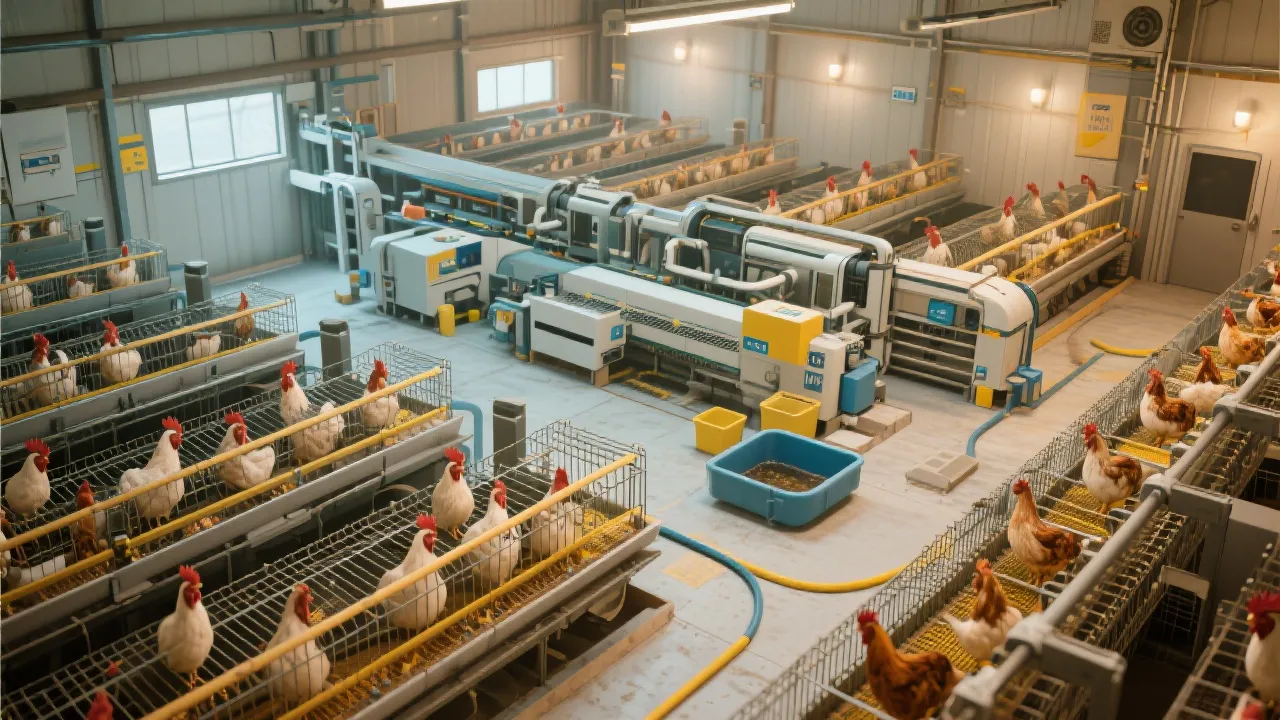
Why Q235 Steel Is the Smart Choice for Chicken Cage Manufacturing
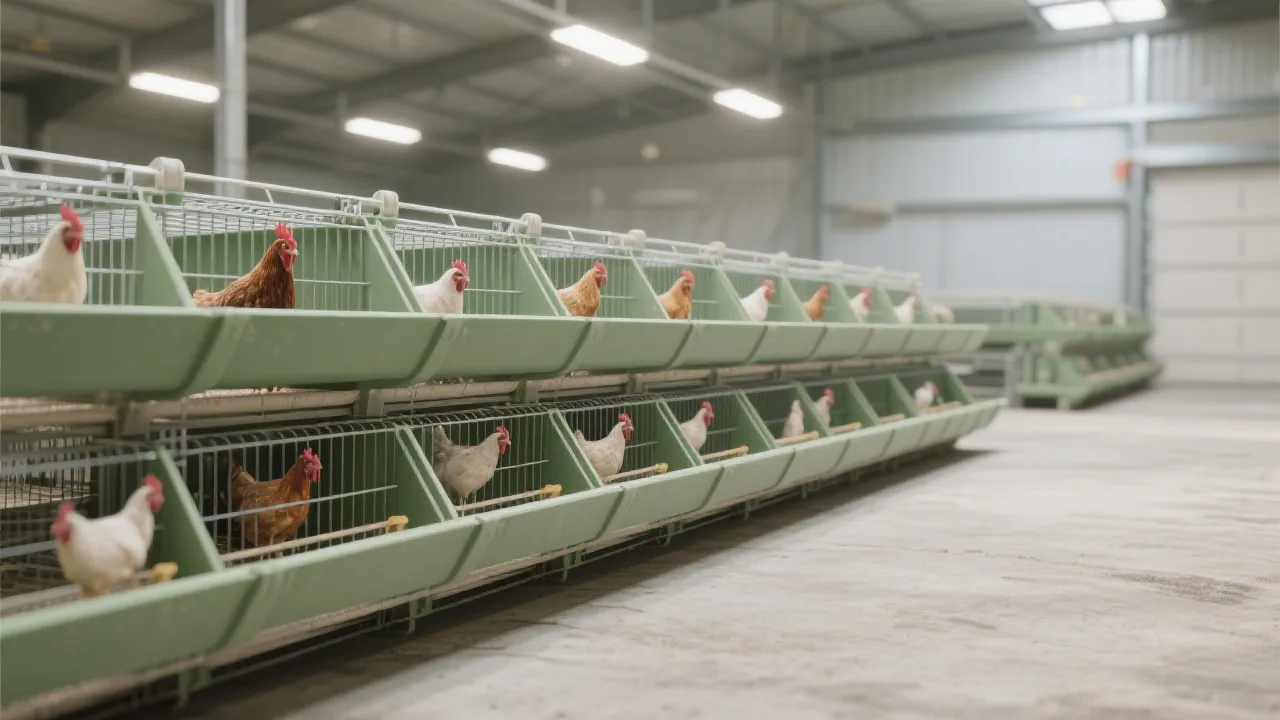
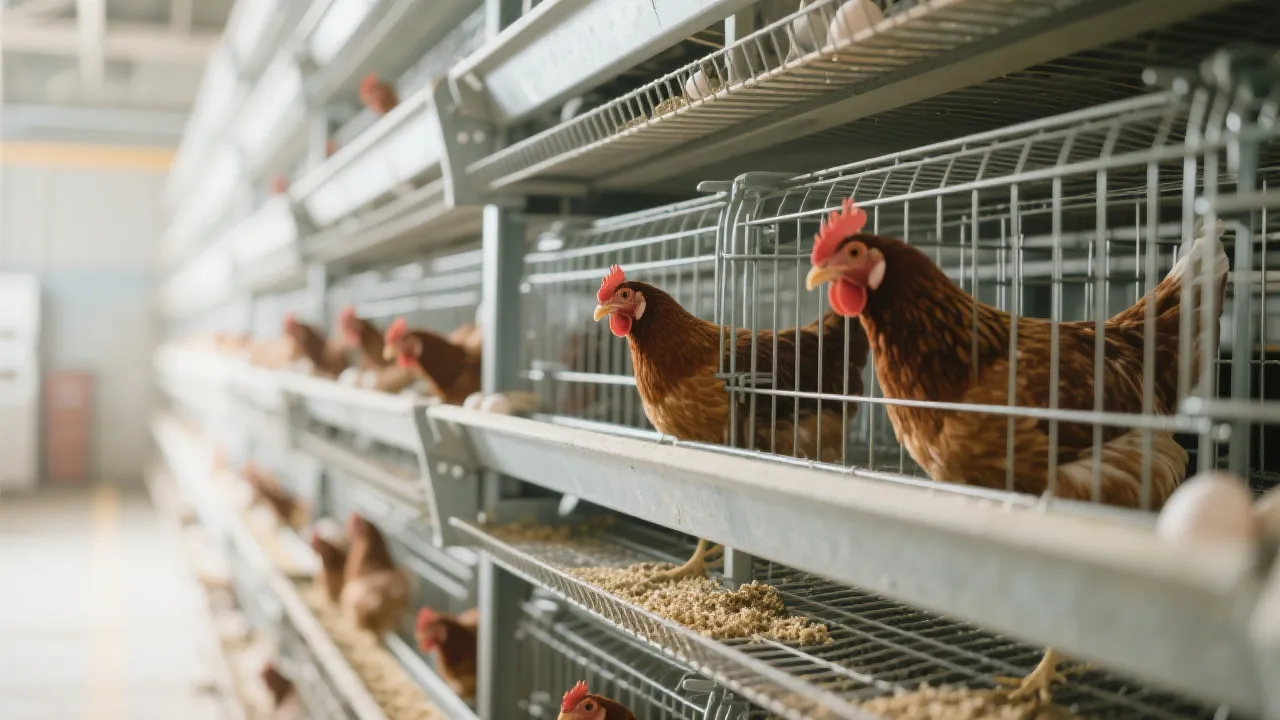
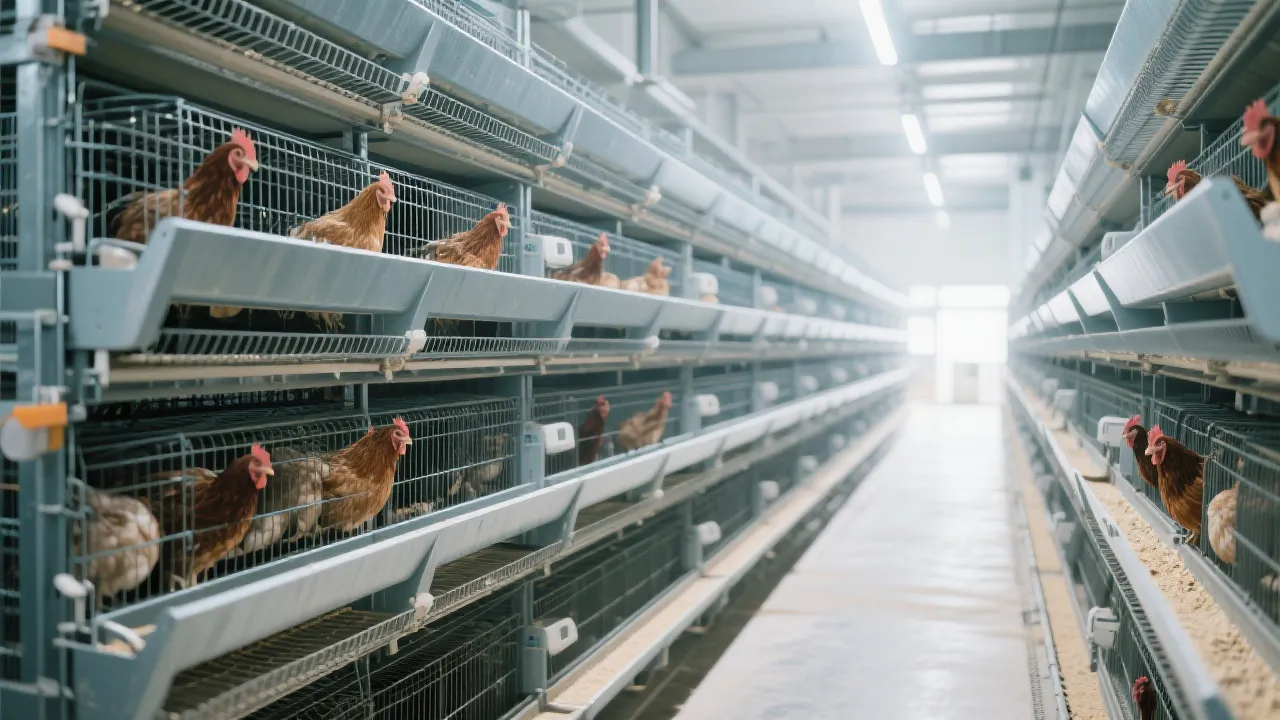
For poultry farmers investing in long-term infrastructure, choosing the right material isn’t just about upfront cost—it’s about durability, maintenance, and return on investment. Among various steel options, Q235 carbon steel has emerged as the preferred choice in egg-laying chicken cage production worldwide.
According to ISO 630 standards, Q235 offers a minimum yield strength of 235 MPa—enough to support heavy bird loads while remaining cost-effective compared to stainless or alloy steels. In fact, studies from the Chinese Poultry Association show that farms using Q235 cages report up to 30% lower initial procurement costs than those opting for higher-grade materials.
The Real Value: Strength Meets Affordability
Q235 is not only strong but also highly weldable and easy to form—key traits for mass-producing modular cages. Its low carbon content (≤0.22%) ensures good ductility without sacrificing structural integrity, making it ideal for both small-scale operations and industrial farms.
| Coating Type | Expected Lifespan | Corrosion Resistance (ISO 9227) | Best For |
|---|---|---|---|
| Hot-Dip Galvanized | 8–12 years | Salt spray test: 480 hrs | Moderate humidity environments |
| Aluminum-Zinc Alloy Coated | 15–20 years | Salt spray test: 1,000+ hrs | High-moisture or coastal regions |
As shown above, aluminum-zinc alloy coatings outperform traditional hot-dip galvanizing in salt resistance—a critical factor for farms near oceans or with high ammonia levels. But here’s what many overlook: even the best coating can fail without proper care.
Maintenance That Pays Off: Daily Habits Matter
Farmers who extend their cage life by 3–5 years often follow simple routines:
- Inspect bolts and hinges monthly—loose connections cause stress fractures over time.
- Clean drainage channels weekly to prevent water pooling, which accelerates rust formation.
- Maintain barn humidity below 70% using ventilation systems—this reduces electrochemical corrosion risk.
A case study from a 10,000-hen farm in Thailand found that switching from untreated Q235 to aluminum-zinc coated cages—with consistent cleaning—reduced replacement frequency from every 6 years to over 18 years. That’s a 200% increase in asset utilization.
Have you ever faced unexpected rust issues in your chicken cages? You're not alone—many farms start saving early by choosing smarter materials and habits.
Whether you’re scaling up or optimizing existing facilities, smart material selection combined with routine checks makes all the difference. And remember: the cheapest option today may cost more tomorrow if it fails too soon.
Ready to upgrade your poultry equipment with durable, tested solutions?
Get Customized Chicken Cage Solutions from Livi Machinery



Hot Products

.jpg?x-oss-process=image/resize,m_fill,h_800,w_800/format,webp)




READY TO START?
Ready to Build Your Poultry Farm?
Tell us your land size, poultry type and farming capacity. LIVI will provide a complete farm solution for your project.